
Choosing a giant pen requires balancing its physical scale with its intended function, verifying the ink delivery system, and checking the structural integrity of the materials. Whether you want a striking novelty piece for an office desk, a ceremonial signing tool, or an oversized marker for large-scale calligraphy, the key is to look past the visual novelty and inspect the technical specifications. In tropical climates like the Philippines, where high humidity can affect ink flow, drying times, and material stability, selecting the right combination of barrel material and ink mechanism is crucial to prevent leaks, clogs, or structural warping.
Before committing to a purchase, you must determine whether the item is a functional writing instrument or a purely decorative prop. Many oversized pens are designed solely for visual impact, featuring dummy nibs or sealed ink chambers that cannot be refilled. By understanding the core specifications—such as weight distribution, grip diameter, nib composition, and refill compatibility—you can select a giant pen that serves your specific creative or promotional needs without becoming an expensive, non-functional ornament.
Define Your Purpose and Pen Category
To make an informed decision, you must first categorize the giant pen based on its primary application. Novelty pens are typically mass-produced from lightweight plastics and are intended as humorous gifts, party favors, or casual desk decorations. While they often contain a basic ballpoint cartridge, they are not designed for prolonged writing sessions or ergonomic comfort. If your goal is simply to bring a smile to a colleague’s face or add a playful element to a workspace, these affordable options are highly suitable, provided you verify that the ink has not dried out in storage.
Products mentioned in this guide

![[COD] CISWGE SPORTS 28cm Big Giants Pen Personality Stationery For School Props Toys Gifts Big Giant Gel Pen Neutral Pen Writing Supplies](https://img.lazcdn.com/g/p/d32abac12ad98ff998adbbbb54ddfbdb.jpg_400x400q80.jpg_.webp)
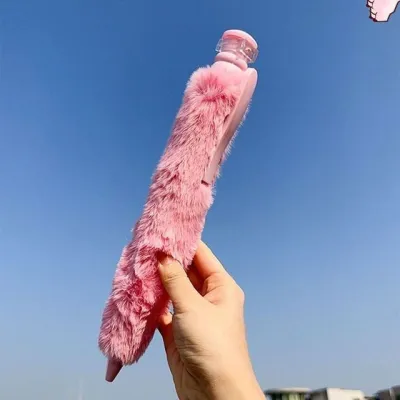
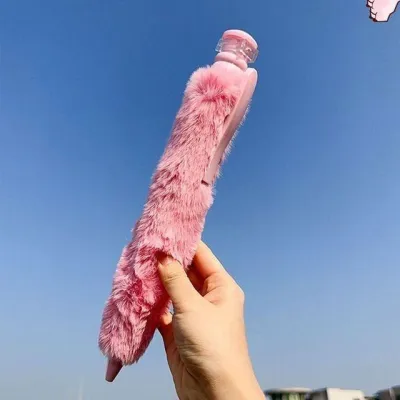
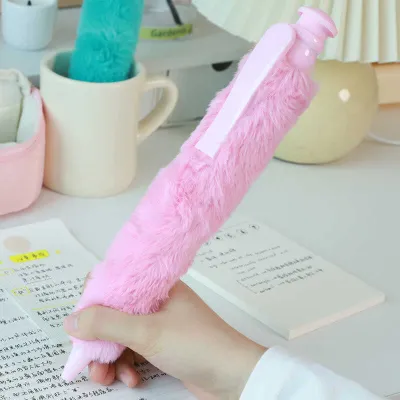
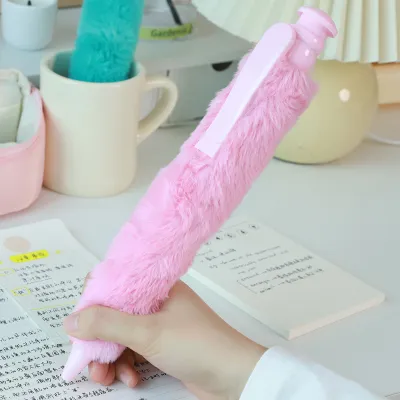
Prices are valid at publication and may change. Please refer to the product page for the latest price.
Promotional display items represent another distinct category, often manufactured on a much larger scale for trade shows, store windows, or corporate events. These giant pens are frequently non-functional, meaning they lack an actual ink reservoir or writing tip. They are engineered for visual presence, durability under public handling, and ease of mounting or standing. When evaluating a promotional pen, focus on the stability of its base, the weather resistance of its exterior finish, and whether it can withstand the high humidity of local open-air venues without peeling or fading.
In contrast, functional oversized calligraphy, art, or ceremonial pens are precision-engineered writing instruments. These pens are designed for artists, calligraphers, or officials who require a bold visual statement during public signings or large-scale art installations. They feature high-quality nibs, reliable ink feeds, and balanced barrels that allow for controlled strokes. Identifying which of these three categories your prospective purchase falls into will prevent you from buying a decorative prop when you actually require a high-performance art tool.
Check Dimensions, Weight, and Handling
The physical proportions of a giant pen dictate how it will be handled, stored, and displayed. Always review the manufacturer’s listed dimensions, paying close attention to the overall length, barrel diameter, and cap size. A pen that exceeds thirty centimeters in length may be difficult to store in standard desk drawers or pen organizers, requiring a dedicated stand or display case. Additionally, the barrel diameter must match the user’s hand size; an excessively thick grip section can make it impossible to maintain a natural writing angle, leading to hand strain.

Weight and weight distribution are critical factors that directly influence writing comfort and control. A giant pen made of solid metal or dense hardwood can weigh several hundred grams, which quickly causes hand fatigue during use. Look for specifications that detail the weight of the pen both with and without the cap posted (placed on the back of the barrel). Many oversized pens become back-heavy when the cap is posted, throwing off the balance and making clean writing strokes difficult to execute. For functional use, a lightweight resin or hollow wood barrel is often more manageable than solid metal.
The design of the grip section is another area requiring close inspection. Examine product images to see if the grip tapers comfortably or features a textured surface to prevent slipping. In warm, humid environments, fingers can easily slip on smooth, polished plastic or metal grips. A textured, matte, or gently contoured grip section provides the necessary friction for a secure hold. Pay attention to the transition point between the grip and the main barrel; sharp steps or exposed threads can press uncomfortably into your fingers during use.
Verify the Nib, Ink System, and Refills
The writing performance of any giant pen depends entirely on its nib and ink delivery system. Oversized pens utilize various tip materials, including broad metal fountain pen nibs, flexible brush tips, porous felt, or synthetic sponges. If you plan to use the pen for large-scale calligraphy or ceremonial signatures, a broad metal nib or a high-quality brush tip is essential for achieving clean line variation. For bold signage or temporary poster work, a durable felt or sponge tip is more practical, though you must ensure the tip material resists fraying under heavy pressure.
Understanding the ink filling mechanism is vital for long-term usability and maintenance. Giant pens may use standard ink cartridges, proprietary converters, integrated eyedropper systems, or require direct dipping into an external inkwell. Eyedropper systems offer a massive ink capacity, which is highly beneficial for large nibs that consume ink rapidly. However, in tropical climates, the air inside a large eyedropper reservoir can expand due to temperature fluctuations, occasionally forcing ink out of the feed and causing leaks. If choosing an eyedropper pen, look for models with reliable sealing rings or shut-off valves.
Before purchasing, always confirm the availability and compatibility of replacement ink or refills. Some novelty giant pens use proprietary, non-standard cartridges that are incredibly difficult to source once the initial ink supply runs dry. Opt for pens that accept standard international cartridges, universal refills, or open-source bottled inks. If the pen uses a felt or fiber tip, verify whether the manufacturer sells replacement tips, as these components naturally wear down over time. Checking these consumable specifications beforehand ensures your pen remains functional for years rather than becoming a single-use novelty.
Evaluate Build Materials and Structural Quality
The materials used to construct a giant pen determine its durability, aesthetic appeal, and structural integrity. High-end oversized pens are often crafted from turned hardwoods, machined aluminum, or high-grade molded resins. These materials offer excellent structural strength, resisting cracks and warping even when subjected to changing environmental conditions. If you select a wooden barrel, ensure it has been properly sealed and varnished to protect the wood fibers from absorbing moisture in humid climates, which can cause the wood to swell and split.
Inspect the threading and connection points carefully, as these are the most common failure zones on oversized writing instruments. The threads on the cap and barrel should be deep, clean, and precisely cut to prevent cross-threading or stripping. Metal-on-metal or metal-on-resin threads generally offer the greatest longevity. If the pen features a slip-on cap rather than a threaded one, verify that the inner cap liner provides a tight, airtight seal. A loose cap will allow the ink on the nib to dry out quickly, leading to hard starts and clogging.
When browsing online marketplaces, scrutinize product images and buyer feedback for signs of substandard manufacturing. Look closely at the seams of molded plastic pens; prominent, sharp seams indicate cheap manufacturing and can be highly uncomfortable to hold. Check that the pocket clip, if present, is securely anchored to the cap with screws or a solid metal ring rather than cheap adhesive. A loose or flimsy clip can easily snap off, marring the appearance of the pen and reducing its portability.
Final Pre-Purchase Verification Checklist
Before finalizing your purchase, especially when ordering from independent makers or online platforms, request exact measurement specifications and actual unboxing photos. Stock photos can be highly misleading regarding the true scale and finish of the pen. Asking the seller for a photo of the pen held in a hand or placed next to a standard ruler provides an immediate, accurate sense of scale. This step helps you avoid the disappointment of receiving an item that is either much smaller or far more unwieldy than anticipated.
Inquire about the seller’s shipping protections and packaging standards for oversized items. Because giant pens are long and often have hollow barrels, they are highly susceptible to bending, cracking, or crushing during transit. Ensure the seller packages the pen in a rigid mailing tube or a heavily padded box rather than a simple bubble mailer. If the pen comes with a pre-filled ink reservoir or cartridges, verify that they are packaged separately in leak-proof bags to prevent ink from ruining the pen’s finish or packaging during shipping.
Finally, carefully review the return and refund policies regarding defective, leaking, or non-functional novelty items. Some sellers classify giant pens strictly as decorative novelties, which may limit your ability to return the product if it fails to write properly. Ensure the return policy covers functional defects, such as cracked feeds, dried-out tips, or stripped threads. Knowing your consumer rights and the seller’s specific terms provides peace of mind, ensuring that your investment—whether a modest ₱300 novelty or a premium collector’s piece—is fully protected.
Frequently Asked Questions (FAQ)
Is a giant pen practical for everyday writing?
No, a giant pen is generally impractical for everyday writing tasks like note-taking or journaling. The oversized barrel diameter forces your hand into an unnatural grip, which can quickly lead to cramping and muscle fatigue. Additionally, large nibs and broad tips consume ink at a much faster rate than standard pens, requiring frequent refills. These instruments are far better suited for short, ceremonial signatures, large-scale art projects, theatrical props, or as eye-catching display pieces on an office desk.
How should I clean and maintain a large pen nib?
To clean a large pen nib, flush it thoroughly with room-temperature water until the water runs completely clear. For stubborn ink clogs or water-resistant inks, you can use a mild pen flush solution, but avoid harsh solvents that could damage the feed or barrel materials. If the pen features a porous felt or sponge tip, gently wipe it with a damp, lint-free cloth to remove dried ink buildup. Always allow the nib and feed to dry completely before reassembling the pen, and store it horizontally in a cool, dry place to prevent ink from pooling or evaporating.
Community discussion
Share your experience or ask a question. Comments are reviewed before publication.