
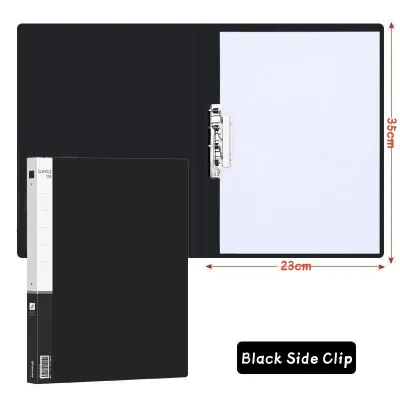
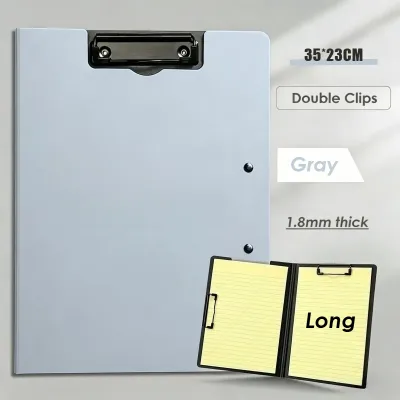
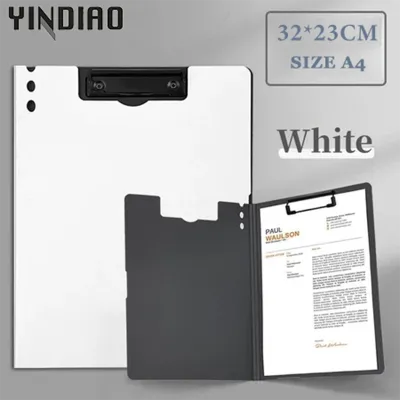
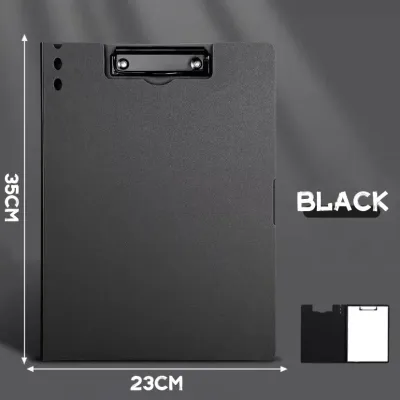
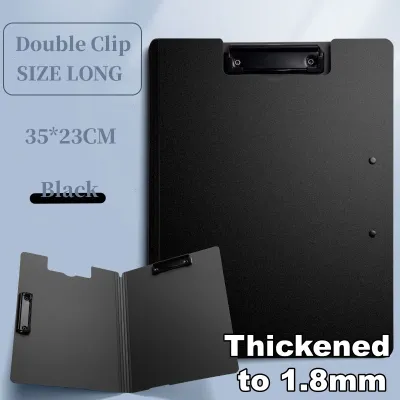
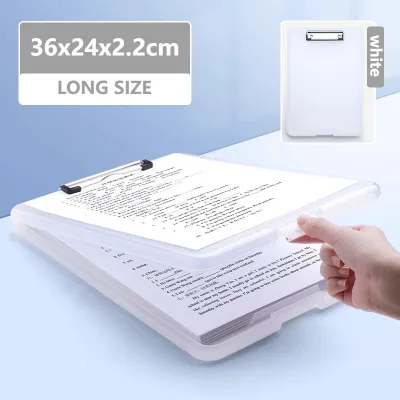
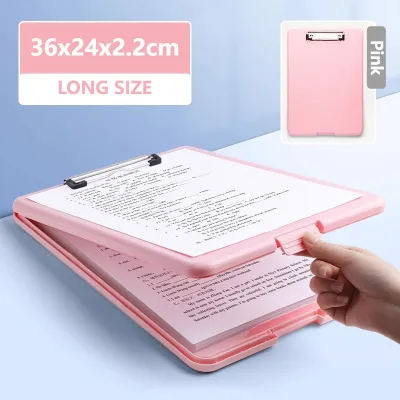
When shopping for a long clipboard with a cover, the most critical factor is ensuring the board physically matches your document size. In local contexts, “long” typically refers to the traditional 8.5 by 13-inch (Legal or Folio) paper size rather than standard A4 or Letter. To find a reliable model, prioritize three non-negotiable features: board dimensions that extend past your paper edges, a durable and humidity-resistant cover material, and a high-tension clip that prevents pages from slipping during transit.
Decoding "Long": Paper Size vs. Board Dimensions
Understanding paper terminology is essential before making a purchase. In the Philippines, “long” paper refers to the standard 8.5 by 13-inch format, often called Folio or local Legal size. This is distinct from the international US Legal size, which measures 8.5 by 14 inches, and standard A4 or Letter sizes.
To protect your documents, the physical board of the clipboard must be slightly larger than the paper itself. A margin of at least a quarter-inch on all sides prevents the edges of your documents from bending, fraying, or getting soiled when the clipboard is placed inside a bag or carried under your arm.
Products mentioned in this guide
Prices are valid at publication and may change. Please refer to the product page for the latest price.
Before selecting a clipboard, measure your most frequently used documents and folders. If you regularly handle true US Legal sheets, a standard “long” clipboard designed strictly for 13-inch paper will leave an inch of your document exposed at the bottom, rendering the protective cover ineffective.
Evaluating Cover Materials and Document Protection
The cover material determines how well your documents survive daily wear, especially in humid or tropical environments. Rigid polypropylene (PP) is highly popular because it is lightweight, resists moisture, and provides a firm writing surface even when you are standing.

Faux leather offers a professional, executive appearance suitable for office meetings, though it tends to be heavier and can degrade if exposed to constant moisture or direct sunlight. Oxford cloth covers provide a tactile, fabric-like grip and excellent tear resistance, but they require a water-resistant inner lining to protect paper from spills or sudden rain.
Securing your documents requires a reliable closure mechanism. Elastic bands offer quick access but can stretch out over time, while metal snaps provide a secure lock but may wear down the surrounding cover material. Zipper closures offer the most comprehensive protection against dust and moisture, provided the zipper teeth are tightly aligned.
To verify water-resistance claims, inspect the physical construction rather than relying on marketing labels. Look for welded seams instead of simple stitching, and check if the zipper has a protective fabric flap to block water entry during a sudden downpour.
Clip Mechanisms and Internal Storage Features
The clip is the functional heart of any clipboard, and its design should match your specific workflow. Standard high-profile spring clips offer excellent leverage and can hold thick stacks of paper, but they add significant bulk and can snag on other items inside your bag.
Low-profile clips lie almost flat against the board, making the entire unit streamlined and easy to slide into a backpack or briefcase. For specialized tasks involving multiple document types, some long clipboards feature dual-clip systems that allow you to secure separate sheets at the top and side simultaneously.
Internal storage features like document pockets, pen loops, and business card slots add convenience but can quickly make the clipboard bulky. Opt for flexible, low-profile internal pockets that expand only when filled, ensuring the cover can still fold flat when empty.
Always check the manufacturer’s specified sheet capacity before buying. If you regularly carry fifty or more sheets, a clip with insufficient tension or a cover with a narrow spine will bulge, preventing the closure mechanism from securing properly.
Simplifying Your Choice: Which Specs Actually Matter?
When comparing options on an online marketplace, it is easy to get distracted by flashy but low-impact features. Excessive decorative elements, complex multi-step locking mechanisms, and built-in calculators often add unnecessary weight and fail quickly under daily use.
To simplify your decision, match the clipboard’s specifications to your primary working environment:
- Field Workers and Site Inspectors: Prioritize a rigid polypropylene board, a secure zipper or heavy-duty snap closure, and a low-profile clip that fits easily into utility bags.
- Office Professionals and Administrators: Focus on lightweight materials, professional faux leather or textured cloth finishes, and internal pockets for business cards and pens.
Before finalizing your choice, verify the empty weight of the clipboard. A heavy board might feel sturdy initially, but carrying it during long walking rounds or transit can cause unnecessary fatigue.
Frequently Asked Questions (FAQ)
Can I use a standard A4 clipboard with a cover for long documents?
Using a standard A4 clipboard for long documents is not recommended because A4 boards are significantly shorter than 13-inch long paper. The bottom portion of your document will overhang the edge of the board, leaving it unsupported when you write and exposed to bending or tearing. Additionally, the protective cover will not close properly over the protruding paper, defeating the purpose of having a cover.
How do I test if the clip is strong enough for my needs?
To verify clip strength, first check the manufacturer’s stated sheet capacity and compare it to your typical document stack. You can perform an easy physical test by clipping your standard stack of papers and holding the clipboard vertically. Gently shake the board; if the pages slip or slide out of alignment, the spring tension is insufficient for your volume of work.
Community discussion
Share your experience or ask a question. Comments are reviewed before publication.