
To choose the right marker color pen full set, you must match the ink formulation to your paper type, select nib shapes that align with your drawing style, and verify that the color palette meets your project requirements. In the tropical climate of the Philippines, factors like high humidity can influence ink drying times and paper behavior, making these decisions even more critical to your creative success. Whether you are investing ₱300 in a basic student kit or ₱3,000 in a professional-grade collection, understanding these core elements ensures your markers perform beautifully without drying out prematurely.
Diagnose Your Creative Needs Before Choosing a Set
Before browsing online marketplaces or local stationery stores, clarify exactly how you plan to use your markers. Casual bullet journaling, daily planning, and school note-taking require quick-drying, reliable pens that do not bleed through standard notebook pages. In contrast, professional illustration, manga drawing, and fine art demand highly blendable inks that allow you to build smooth gradients and rich layers of color.
If your primary goal is simple flat coloring, such as filling in stamped images, stencils, or adult coloring books, you will benefit from firm, consistent tips that distribute color evenly. However, if you want to create realistic shadows, highlights, and seamless color transitions, you will need markers designed specifically for layering and blending.
Products mentioned in this guide
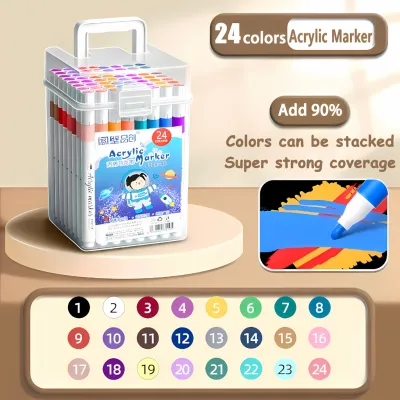
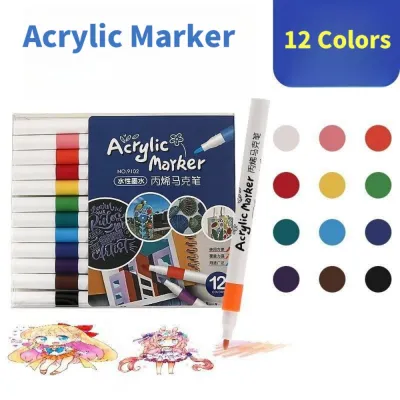
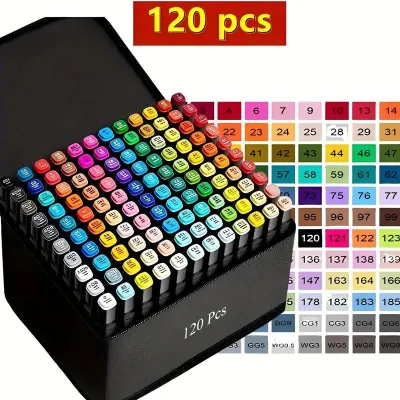
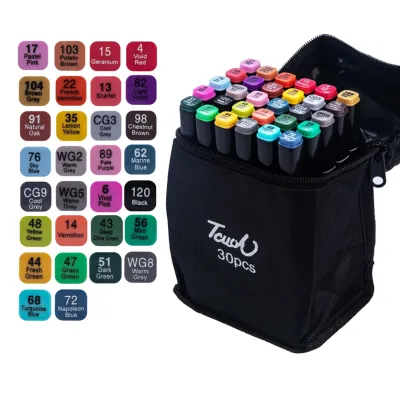
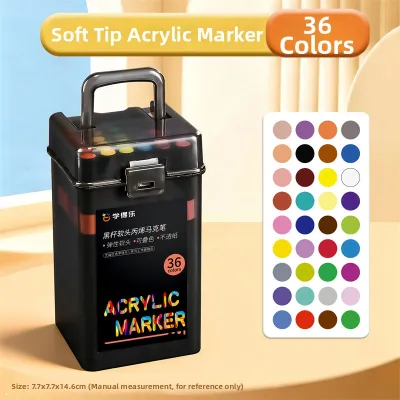
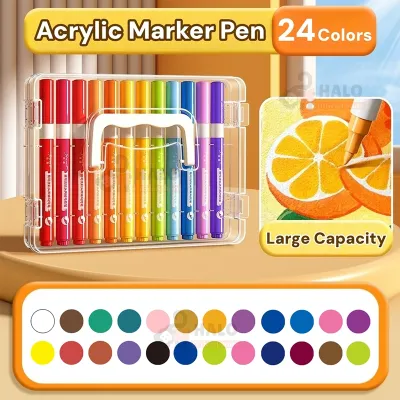
Prices are valid at publication and may change. Please refer to the product page for the latest price.
Physical workspace and portability are also key considerations. If you frequently travel, sketch outdoors, or commute between school and home, a compact set housed in a secure, lightweight carrying case is essential. For those with a dedicated desk or home studio, a larger set with a rigid, upright organizer will keep your entire color spectrum visible and within easy reach.
Match Tip Types to Your Line Control Needs
The shape and material of a marker’s nib directly dictate your level of line control and the speed of your coloring. Fine or bullet tips are the standard choice for precise outlines, intricate details, and clean writing. These rigid tips provide a consistent line width, making them indispensable for technical drawings, mandalas, and detailed journaling.

Chisel tips feature a broad, angled edge that serves two distinct purposes. You can use the wide, flat surface to lay down large blocks of color quickly, or use the sharp point of the wedge to draw medium lines and accents. This versatility makes chisel tips highly efficient for poster making, architectural rendering, and broad background fills.
Flexible brush tips behave like traditional paintbrushes, responding dynamically to the pressure of your hand. Light pressure yields delicate, hairline strokes, while increased pressure produces broad, sweeping lines. This organic responsiveness makes brush tips the preferred choice for modern calligraphy, hand lettering, and expressive illustrations.
Dual-tip designs offer the ultimate convenience by combining two different nib shapes on a single marker, such as a brush tip on one end and a chisel tip on the other. This configuration maximizes your creative options without doubling the physical number of pens in your collection. It also guarantees that you always have matching colors available in both broad and fine line weights.
Verify Ink Types and Paper Compatibility
Understanding the difference between water-based and alcohol-based inks is crucial for preventing ruined paper and disappointing results. Water-based inks use water or glycerin as their primary solvent, making them virtually odorless, acid-free, and highly resistant to bleeding through standard paper. They are ideal for everyday writing, bullet journals, and children’s crafts, though applying too many layers can cause thin paper to warp or pill.
Alcohol-based inks use dye suspended in an alcohol solvent, which allows them to dry almost instantly and blend seamlessly without leaving harsh streak marks. However, alcohol ink naturally bleeds through standard copy paper and lightweight notebook pages. To use these markers successfully, you must pair them with heavy cardstock, specialized marker paper, or mixed-media paper with a weight of at least 120 gsm.
When evaluating a marker color pen full set, read the product labels carefully to verify specific performance claims. Look for acid-free formulations to ensure your artwork will not yellow or degrade over time. If you are purchasing markers for a household with children, prioritize washable designations to ensure easy cleanup from skin, clothing, and furniture.
Before starting any major project, always test your markers on a scrap piece of the exact paper you plan to use. Observe how long the ink takes to dry, especially in humid environments where moisture can slightly delay drying times. Check the reverse side of the paper to evaluate the level of bleed-through, and inspect the edges of your strokes to ensure the ink does not feather or spread uncontrollably.
Decide on the Right Color Range and Set Size
Selecting the right set size depends on your current skill level and the complexity of your projects. A starter set of 12 to 24 colors is usually sufficient for basic journaling, color-coding, and simple sketches. For advanced illustration and realistic shading, comprehensive sets of 48, 72, or more colors provide the intermediate shades necessary to transition smoothly from light to dark.
Rather than focusing solely on the total pen count, evaluate the specific color families included in the set. If you specialize in portraiture, look for sets that emphasize a rich variety of skin tones and warm undertones. Landscape artists will benefit more from a wide selection of greens, blues, and earth tones, while comic illustrators often require a robust range of cool and warm grayscales to build depth and shadows.
Consider the long-term sustainability of your investment by checking if the manufacturer offers open-stock replacements. Certain popular colors, such as light blenders, pale skin tones, or basic black, will inevitably run dry much faster than vibrant accent colors. Being able to purchase individual replacement markers or ink refills prevents you from having to buy an entirely new full set just to replace a few empty pens.
Inspect Packaging, Storage, and Safety Labels
Before finalizing your purchase, inspect the physical design of the markers and their packaging. Ensure the caps fit tightly and snap or click securely into place, as even a tiny gap can allow air to enter and dry out the nib. Look for barrels with flat edges or triangular shapes, which prevent the pens from rolling off your desk and falling onto the floor.
Pay close attention to the manufacturer’s storage instructions to maintain consistent ink flow. Dual-tip markers generally must be stored horizontally so that the ink remains evenly distributed between both nibs. Storing them vertically can cause the top tip to dry out while the bottom tip becomes oversaturated and leaky.
Always review the safety labels printed on the box, particularly if the markers will be used in shared household spaces or classrooms. Look for recognized non-toxic certifications, such as the AP (Approved Product) seal or compliance with international safety standards like EN71. These labels verify that the product has been evaluated for toxicological safety and is safe for its intended creative use.
Frequently Asked Questions (FAQ)
How can I prevent my colored markers from drying out?
To maximize the lifespan of your marker color pen full set, always press the caps firmly until you hear a distinct click, confirming an airtight seal. Store dual-tip markers horizontally on your desk or shelf to keep the ink balanced between both ends. If you notice a nib beginning to show faint lines or a crusty residue, wipe it gently with a damp paper towel (for water-based markers) or a tiny drop of isopropyl alcohol (for alcohol-based markers) to clear any dried ink blocking the flow.
Are alcohol-based markers safe for young children?
Alcohol-based markers are generally not recommended for very young children due to their strong chemical odor and the need for proper ventilation during use. The solvents used in alcohol inks can cause mild dizziness or headaches in enclosed spaces, and the ink is highly permanent on skin, furniture, and clothing. For children’s activities, it is much safer to choose water-based, odorless, and washable marker sets that carry clear non-toxic safety certifications.
Community discussion
Share your experience or ask a question. Comments are reviewed before publication.