
Finding the perfect writing instrument is a highly personal decision that directly impacts your daily productivity and physical comfort. A mechanical pen—whether a retractable ink pen or a mechanical pencil—must function as an extension of your hand, translating your thoughts onto paper without causing strain or interruption.
To choose the right model, you must evaluate how your unique physical grip, writing pressure, and typical tasks align with specific mechanical designs, tip sizes, and barrel materials. By analyzing these factors systematically, you can transition from a trial-and-error approach to a deliberate selection process that guarantees long-term writing comfort.
Assess Your Writing Habits and Grip Style
Your physical relationship with a writing instrument begins with how you hold it. Most writers naturally adopt a tripod grip, where the thumb, index, and middle fingers form a stable triangle around the barrel. Others use a quadropod grip, employing four fingers for support, or a lateral grasp that places more pressure on the knuckles. Identifying your specific finger placement is crucial because it dictates the ideal barrel thickness and grip length you need to prevent cramping during long writing sessions.
Products mentioned in this guide
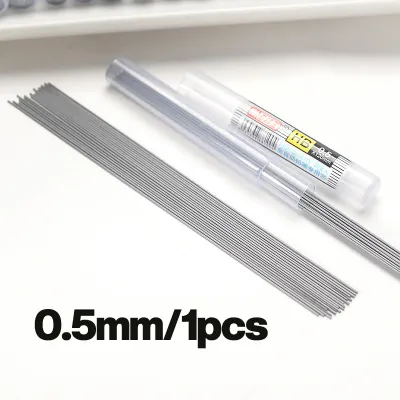
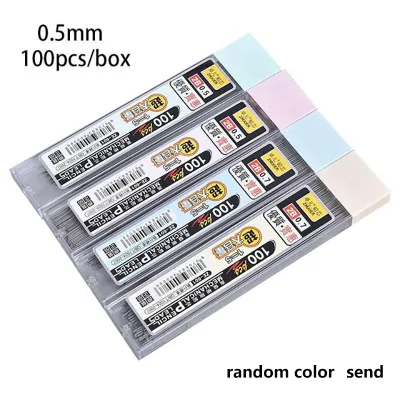
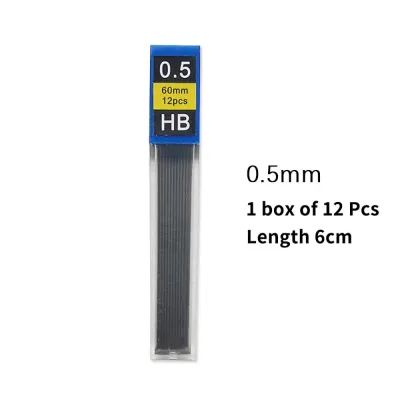
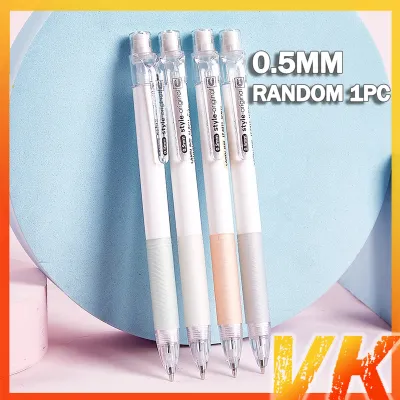
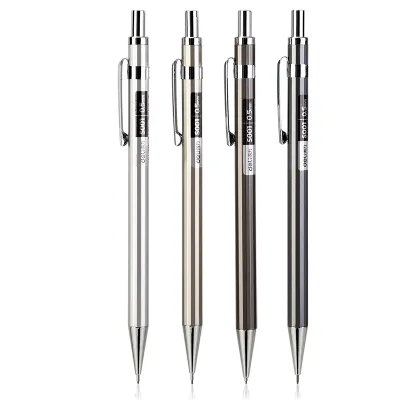
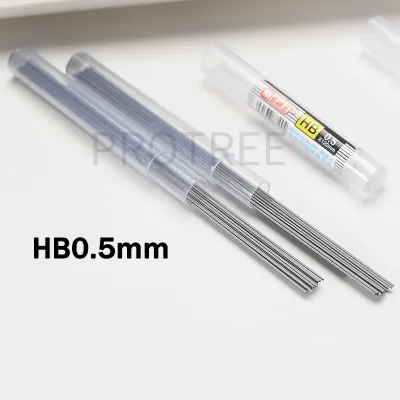
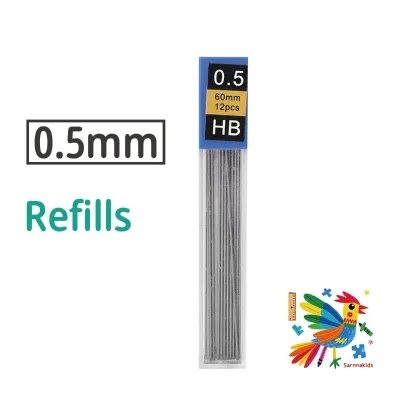
Prices are valid at publication and may change. Please refer to the product page for the latest price.
Writing pressure and speed also play a defining role in your comfort. If you are a heavy-handed writer who presses firmly into the paper, you require a pen with robust structural support or built-in shock absorption to prevent hand fatigue and lead breakage. Conversely, rapid, light-handed writers benefit from low-friction mechanisms and highly responsive tips that glide effortlessly across the page. Matching your natural writing pace with the mechanical resistance of the pen ensures a smoother, more consistent line.
Daily writing duration and environmental conditions further refine your requirements. In warm, humid tropical climates like the Philippines, hand sweat can easily cause fingers to slip down a smooth barrel, leading to increased grip tension. If you write continuously for hours in a study hall or office, a pen that accommodates these environmental factors is essential. Additionally, the texture of your preferred notebooks—whether smooth, coated paper or toothy, textured sheets—will influence how much feedback you feel in your hand, altering your perceived comfort.
Choose a Mechanism That Matches Your Workflow
The internal mechanism of a mechanical pen governs how the writing tip is deployed and how the consumable medium is advanced. Click mechanisms, operated by a top or side button, offer the fastest deployment for quick note-taking and one-handed operation. Twist mechanisms provide a more deliberate, secure deployment that prevents accidental pocket stains, making them excellent for professional settings. For heavy-duty tasks or thick graphite leads, clutch mechanisms use a spring-loaded jaw to hold the medium firmly, offering maximum rigidity and control.

Advancement systems vary significantly between manual and automatic designs. Manual click systems require you to press a button periodically to advance the ink cartridge or graphite lead, giving you complete control over the exposed tip length. Shaker mechanisms advance the lead with a simple vertical movement, minimizing hand repositioning. Auto-advance systems automatically feed the lead as you write by utilizing a spring-loaded tip that retracts slightly when touching the paper, ensuring an uninterrupted flow during intensive drafting or essay writing.
Evaluating the durability of these internal components is vital for a long-lasting investment. Metal internal clutches and gears generally withstand repetitive clicks and high pressure much better than plastic alternatives. When selecting a pen, check the manufacturer’s specifications regarding the internal housing material. Routine maintenance, such as clearing lead jams with a cleaning pin or wiping down the internal cartridge chamber, will keep the mechanism operating smoothly and prevent premature failure.
Select the Ideal Tip Size for Your Handwriting
Matching the tip size or lead diameter to your natural handwriting scale is essential for maintaining legibility. If you have small, compact handwriting, a fine tip ranging from 0.3mm to 0.5mm prevents letters like “e” and “a” from closing up into solid ink blots. For larger, bolder handwriting, a medium or broad tip between 0.7mm and 1.0mm provides the necessary line weight to match your writing style. Choosing a tip that complements your natural letter spacing reduces the physical effort required to keep your writing neat.
Paper compatibility and environmental factors also dictate your choice of tip size. In high-humidity environments, paper fibers absorb moisture from the air, making them more prone to ink bleed-through and feathering. Finer tips deposit less ink or graphite onto the page, which significantly reduces drying time and minimizes the risk of smudging, especially for left-handed writers. Broader tips, while offering a smoother glide, require high-quality, ink-resistant paper to perform optimally without bleeding through to the reverse side of the sheet.
Before finalizing your purchase, verify the long-term availability and compatibility of replacement refills or leads. Some mechanical pens utilize proprietary refill shapes that can be difficult to source locally, while others adhere to standard international sizes. Opting for a pen that accepts widely available refills ensures you will not be left with an unusable pen body once the initial ink or lead runs out. Check local stationery shops and trusted online marketplaces to confirm that replacement consumables are easy to obtain.
Find the Right Body Shape and Grip for Comfort
The physical construction of the pen body directly influences how weight is distributed across your hand. Plastic barrels are lightweight and affordable, making them excellent for casual, fatigue-free writing, though they may lack long-term durability. Aluminum and brass barrels offer a premium feel and exceptional durability, but their added weight requires a balanced design to prevent hand strain. A well-designed metal pen often features a tapered body that distributes weight evenly between your fingers and the web of your hand.
Grip textures and shapes are critical for maintaining control and reducing finger fatigue. Contoured rubber grips cushion the fingers and absorb pressure, making them ideal for writers who tend to squeeze their pens too tightly. Knurled metal grips provide a textured, non-slip surface that remains secure even when hands are warm or sweaty, offering precise control for technical drawing. Smooth plastic or polished metal grips offer a sleek aesthetic but may require more gripping force to hold steady, which can lead to premature hand fatigue during extended use.
The center of gravity is another subtle yet impactful factor in pen ergonomics. A pen with a low center of gravity, where the weight is concentrated near the tip, naturally pulls the pen toward the paper, reducing the downward pressure your hand must apply. This design is highly favored for long writing sessions as it minimizes muscle strain in the forearm. Top-heavy pens, conversely, can feel unstable and require constant micro-adjustments from your fingers to keep the tip aligned, leading to quicker physical exhaustion.
Verify Specifications and Test Before You Buy
To ensure your chosen writing tool meets your expectations, always cross-reference your preferences with official product specifications. Look closely at the listed barrel diameter, overall weight in grams, and the specific materials used in both the body and internal clutch. If you are planning to invest in a premium mechanical pen, verifying these technical details beforehand prevents costly purchasing mistakes and ensures the pen fits your hand size.
Whenever possible, visit a local stationery store to conduct a physical test of the pen. Pay close attention to how the ink flows or how the lead holds up under your natural writing pressure. Observe if the grip feels comfortable immediately or if the texture causes irritation after a few minutes of continuous writing. If you are purchasing from an online marketplace, read customer reviews focusing on long-term durability, and verify that the seller offers a clear return policy in case the pen’s physical balance does not suit your hand.
Finally, review the manufacturer’s care and maintenance instructions to protect your investment. High-quality mechanical pens often require periodic cleaning to remove paper fibers, dust, or graphite residue from the tip and internal mechanism. Understanding how to safely disassemble and reassemble the pen without damaging the internal springs or clutches ensures that your writing instrument remains a reliable companion for years to come.
Frequently Asked Questions (FAQ)
Can I add an aftermarket grip to a mechanical pen if the original causes fatigue?
Yes, you can easily customize your writing experience by sliding a third-party silicone or foam grip sleeve over the existing barrel. These aftermarket accessories are widely available and can help increase the overall diameter of a thin pen, providing extra cushioning for those with larger hands or a heavy grip. However, ensure the sleeve does not block the click mechanism or prevent the pen from fitting into your storage case.
How do I prevent the tip from bending or breaking during heavy writing sessions?
To minimize tip damage and lead breakage, adjust your writing angle to be more perpendicular to the paper, which distributes force more evenly down the shaft. If you use a mechanical pencil, select a model with a retractable tip sleeve or a spring-loaded lead protection mechanism that cushions excessive vertical and lateral pressure. For ink pens, avoid pressing down excessively; instead, let the weight of the pen do the work, or switch to a smoother, low-viscosity ink refill.
Community discussion
Share your experience or ask a question. Comments are reviewed before publication.