
To withstand the intense, year-round humidity of the Philippines, the best wood calendar is one crafted from dense, tight-grained hardwoods—such as acacia, teak, or mahogany—or high-quality, kiln-dried engineered wood that has been thoroughly sealed with a moisture-resistant finish. In a tropical climate where relative humidity frequently climbs above 80 percent, standard untreated softwoods or poorly sealed fiberboards quickly absorb ambient moisture, leading to swelling, warping, and mold growth. By focusing on dense wood species, verifying the presence of protective surface coatings, and selecting rust-resistant hardware, you can ensure your desk organizer or wall calendar remains structurally sound and visually appealing for years.
Why High Humidity Damages Wooden Calendars
Wood is a naturally hygroscopic material, meaning it acts like a sponge by constantly absorbing and releasing moisture to match the relative humidity of its surrounding environment. In the tropical climate of the Philippines, the air is frequently saturated with water vapor. When a wooden calendar is exposed to this high-moisture air, its wood fibers swell and expand. Conversely, during drier periods or when indoor cooling systems are active, the wood releases that moisture and contracts. This continuous cycle of expansion and contraction puts immense physical stress on the material, eventually leading to structural failure.
You can easily spot the early warning signs of moisture damage on planners, organizers, and wooden stationery. Warping is the most common issue, where flat bases, backing boards, or panels begin to cup, twist, or bow. For perpetual calendars that feature sliding blocks, rotating dials, or interlocking wooden tiles, even minor swelling can cause the moving parts to stick, jam, or scrape against each other, ruining the smooth tactile experience. Furthermore, trapped moisture creates a breeding ground for surface mold and mildew, which manifests as fuzzy white, grey, or black spots that can permanently stain both the wood and any paper components.
Products mentioned in this guide
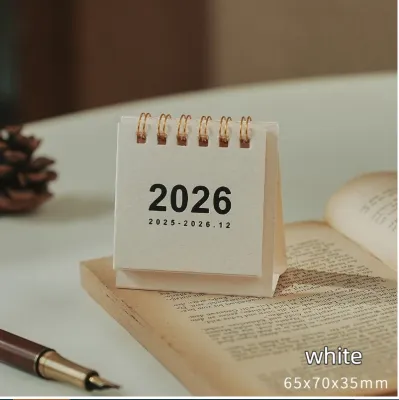

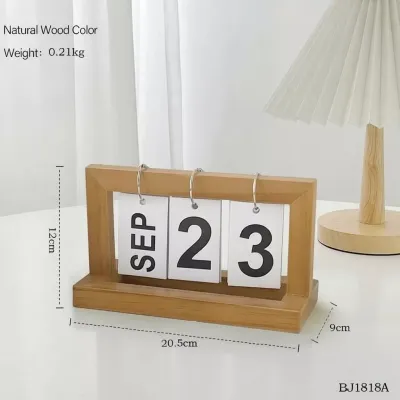
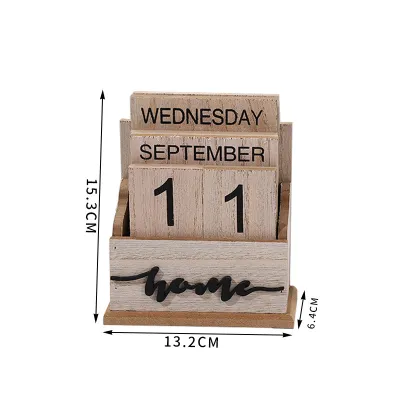
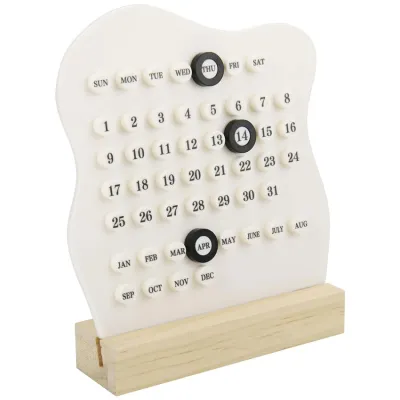
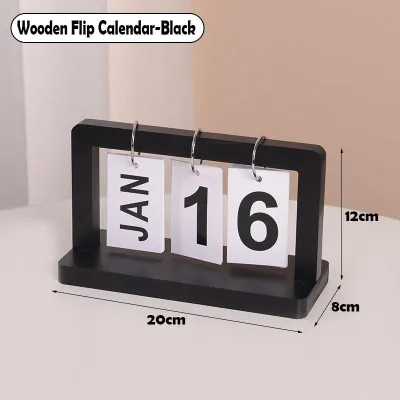
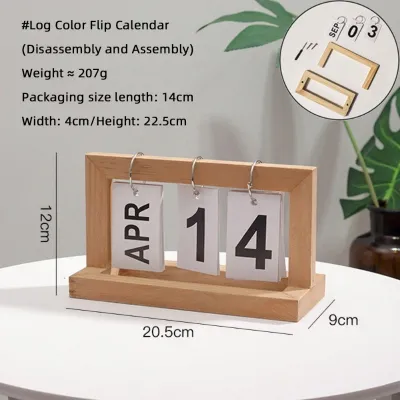
Prices are valid at publication and may change. Please refer to the product page for the latest price.
Thin, untreated, or poorly constructed wood components are the most vulnerable to rapid deterioration in tropical environments. Cheap plywood or low-grade medium-density fiberboard (MDF) without proper edge banding will quickly absorb moisture along its exposed edges, causing the layers to delaminate, swell, or crumble. Without a protective barrier, even a beautifully designed calendar can lose its structural integrity within a single rainy season.
How to Identify Moisture-Resistant Wood Traits
When shopping for a wooden calendar, it is essential to look beyond generic marketing terms and evaluate the physical traits of the wood. Checking product descriptions and labels for density indicators, weight, and grain tightness is a reliable way to gauge durability. Dense hardwoods like acacia, teak, and mahogany are highly prized in tropical woodworking because their tight cellular structures naturally resist water absorption. When browsing options on an online marketplace or at a local stationery boutique, look for items that feel surprisingly heavy for their size, as weight is often a direct indicator of a dense, high-quality wood species.

It is also crucial to verify manufacturer specifications regarding moisture content and drying processes. High-quality wooden stationery is typically made from wood that has undergone a professional kiln-drying process. Kiln-drying is a controlled thermal method that reduces the wood’s internal moisture content to an optimal level, usually between 6 to 8 percent, before the manufacturing process begins. This process stabilizes the wood’s cellular structure, making it far less reactive to environmental humidity changes and significantly reducing the risk of future warping or cracking.
Conversely, you should avoid overly porous, lightweight, or unsealed wood variants. Species like pine, fir, balsa, or untreated rubberwood have open grain structures that easily trap ambient moisture, making them highly susceptible to rapid swelling and rot. If a product description simply lists “natural wood” without specifying the species, drying method, or sealing process, it is highly likely to be a budget-grade softwood that will struggle to survive the humid Philippine climate.
Evaluating Protective Finishes and Construction
Even the densest hardwood requires a high-quality protective finish to withstand persistent tropical humidity. When evaluating a wooden calendar, check the product labels or manufacturer care guides for surface treatments like polyurethane, lacquer, or natural oil seals. Polyurethane and lacquer form a hard, impermeable plastic-like barrier over the wood surface, completely blocking moisture from penetrating the fibers. Natural oil finishes, such as tung oil or linseed oil, penetrate deep into the wood grain to repel water from within while preserving the natural matte texture of the wood, though they may require periodic reapplication to maintain their protective qualities.
Beyond the wood itself, you must inspect the binding mechanisms, rings, hinges, and other hardware. In a humid environment, standard iron or cheap steel hardware will quickly oxidize and rust. This not only causes mechanical failure, such as stiff hinges or stuck rings, but also leaves unsightly orange rust stains on the wood and your calendar pages. Look for calendars that utilize rust-resistant hardware made from stainless steel, solid brass, or powder-coated aluminum to ensure smooth operation and clean aesthetics.
Finally, pay close attention to how the calendar pages, inserts, or backing materials interface with the wood. If the calendar uses paper cards or paper-based planner inserts, the design should allow for adequate airflow. Tight pockets or slots where paper is pressed flat against unsealed wood can trap micro-condensation, leading to wavy, damp paper and localized mold growth. Ensuring there is a small clearance or that the wood backing is fully sealed prevents moisture from being trapped against the paper medium.
Placement and Care to Prevent Warping
Proper placement and routine maintenance are essential to extending the lifespan of your wooden calendar. To protect the wood from extreme environmental shifts, keep it away from high-moisture areas such as open windows, kitchens, or bathrooms. Additionally, avoid placing the calendar directly in the path of air conditioning vents or in direct afternoon sunlight. The localized cold draft from an air conditioner, followed by sudden warmth when the unit is turned off, creates rapid thermal and moisture shocks that can crack the wood, while direct sunlight can dry out one side of the calendar too quickly, causing uneven contraction and warping.
Routine care should involve regular dusting with a dry or very slightly damp microfiber cloth. Avoid using wet wipes, soaking wet sponges, or harsh household chemical cleaners, as these can strip away the protective wax, oil, or lacquer finish. Periodically inspect the corners, joints, and moving parts for early signs of finish degradation, mold, or structural shifting. If the wood surface begins to feel rough or dry, it may be time to apply a thin coat of manufacturer-approved wood conditioner or natural wax to restore its moisture-resistant barrier.
If you observe severe warping that compromises the stability of the calendar, or if mold begins to penetrate deep into the wood grain, stop using the item immediately. In such cases, consult the manufacturer or a qualified woodworking professional to see if the piece can be sanded down, treated, and resealed. Continuing to use a mold-infested or severely warped calendar can ruin your paper inserts and potentially spread mold spores to other stationery items on your desk.
Frequently Asked Questions (FAQ)
Can I use a wooden calendar in an air-conditioned room?
Yes, you can use a wooden calendar in an air-conditioned room, but you must take precautions against rapid environmental changes. Air conditioning dries out the air, creating a low-humidity microclimate, but when the unit is turned off, the room quickly returns to the natural humid tropical state. This rapid cycling causes the wood to expand and contract repeatedly, which can lead to hairline cracks or joint separation. To minimize this stress, place the calendar away from direct AC airflow and choose a highly stable, kiln-dried hardwood with a robust polyurethane finish.
How do I clean a wooden calendar without damaging the finish?
To clean your wooden calendar safely, wipe the surface with a dry or very slightly damp microfiber cloth to remove dust and fingerprints. Never use wet wipes, soaking wet sponges, or harsh household chemical cleaners, as these can strip away the protective wax, oil, or lacquer finish. Always check the manufacturer’s care instructions before applying any commercial wood polishes or conditioning oils, as incompatible products can leave a sticky residue that attracts dust and traps moisture.
Community discussion
Share your experience or ask a question. Comments are reviewed before publication.