
A birthday card with music transforms a traditional paper greeting into an immersive sensory experience. Whether it plays a classic acoustic melody or a humorous recorded message, the right combination of sound and visual design shows the recipient that you selected their gift with genuine care. However, navigating the wide array of available card formats, audio tracks, and technical features can feel overwhelming.
To choose the perfect musical card, you must balance the physical construction with the recipient’s personal tastes. A card that delights a young child might feel irritating to a teenager, while an elegant vintage design with a loud, synthesized track might disrupt the quiet appreciation of an older relative. By evaluating the trigger mechanisms, paper quality, and audio styles beforehand, you can find a card that serves as a beautiful, long-lasting keepsake.
Understanding Musical Card Formats and Trigger Mechanisms
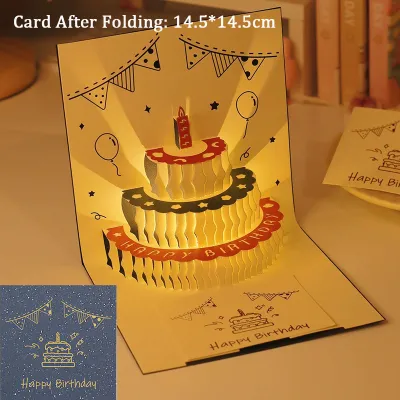
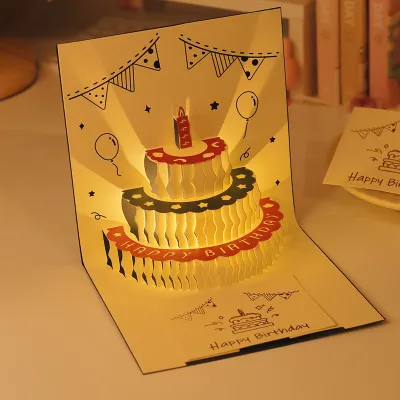
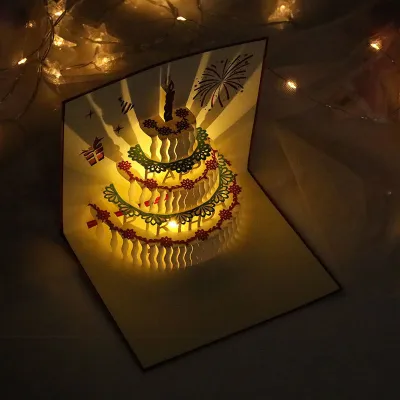
Before diving into aesthetics, it is helpful to understand how these cards are built and how they operate. Musical greeting cards generally come in three physical formats. Standard flat cards offer a classic, two-dimensional layout where the sound module is hidden between layers of thick cardstock. Fold-out cards expand into multi-panel displays, while 3D pop-up designs use intricate paper engineering to create a standing sculpture when opened.
Products mentioned in this guide
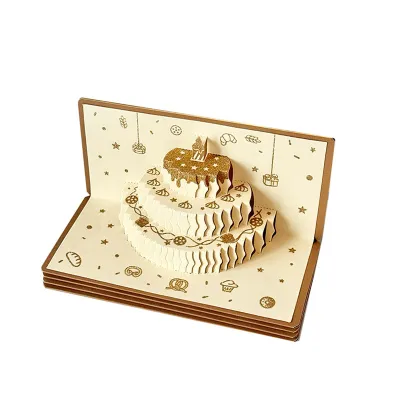
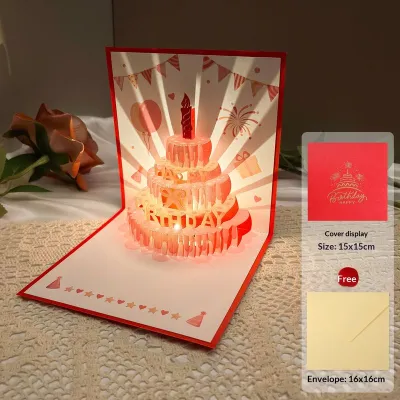
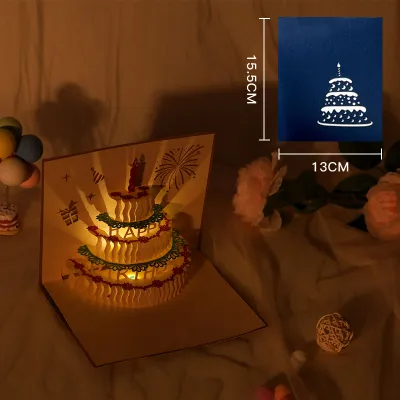
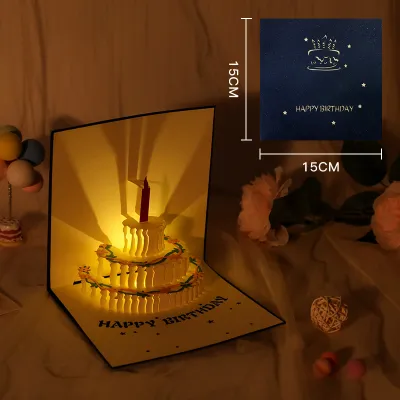
Prices are valid at publication and may change. Please refer to the product page for the latest price.
The music itself is activated by one of three common trigger mechanisms:
- Pull-tab activators: These are the most reliable and common mechanisms. A small plastic or paper tab is attached to the card's spine. When the card is opened, the tab slides out to complete the electrical circuit, starting the music. Closing the card slides the tab back in, cutting the power.
- Light sensors: These cards utilize a tiny phototransistor on the inner fold. When the card is opened and exposed to ambient light, the sensor triggers the audio chip. While seamless, these cards may fail to play in dimly lit rooms or romantic candlelit settings.
- Physical push-buttons: These cards feature a printed "Press Here" graphic over a small mechanical switch. This design gives the recipient complete control over when the audio plays, preventing accidental activation in transit.
You should also consider the power source and lifespan of the internal sound module. Budget-friendly cards often feature sealed, single-use button cell batteries (such as AG10 or LR1130) that provide roughly 100 to 200 plays before losing power. Premium musical cards frequently include a small, accessible battery compartment secured by a tiny screw. This allows the recipient to replace the batteries easily, ensuring the card remains a functional keepsake for years to come. In high-humidity tropical environments like the Philippines, sealed batteries can slowly corrode over time, making replaceable compartments a highly desirable feature for cards intended as long-term mementos.
Matching Card Designs and Songs by Recipient Profile
Children and Toddlers
Design: For young children, visual and physical stimulation is key. Look for cards featuring vibrant primary colors, beloved cartoon aesthetics, animal illustrations, or interactive 3D pop-up elements. A card that pops up into a detailed jungle scene or a towering birthday cake will capture their attention instantly.

Song: Select cheerful, high-energy audio tracks. Upbeat nursery rhymes, simplified instrumental versions of the birthday song, or cards that incorporate playful sound effects—such as magical chimes, giggles, or realistic animal noises—are highly engaging for toddlers.
Tip: Young children handle stationery roughly. Ensure the card is constructed from durable, heavy-duty cardstock (at least 300 gsm) to prevent accidental tearing. Additionally, prioritize safety by verifying that the sound module and its button batteries are completely inaccessible, sealed behind heavy paper layers or a secure, screwed-down plastic compartment to eliminate choking hazards.
Teenagers and Young Adults
Design: This demographic often rejects overly sentimental or traditional designs. Instead, opt for minimalist layouts, retro Y2K-inspired graphics, bold typography, or cards featuring sarcastic, self-deprecating humor and pop-culture references.
Song: Look for cards that play snippets of modern pop hits, electronic dance beats, or viral audio memes. Customizable cards that feature recordable modules are also excellent, allowing you to record a funny voice note or an inside joke that will make them laugh.
Tip: Teenagers and young adults often appreciate the humor of an unexpectedly loud or absurd sound effect over a traditional, sweet melody. A card that plays a dramatic airhorn blast or a funny soundbite is much more likely to be shared on social media than one playing a standard piano track.
Parents, Grandparents, and Older Relatives
Design: For older generations, focus on timeless elegance and craftsmanship. Look for cards featuring soft watercolor florals, classic calligraphy, vintage illustrations, or high-quality textured linen paper that feels substantial and premium to the touch.
Song: Avoid loud, synthesized, or highly compressed electronic tracks, which can sound harsh or irritating. Instead, choose cards with gentle, high-quality acoustic recordings. Traditional instrumental arrangements featuring piano, classical guitar, or harp provide a warm, nostalgic atmosphere.
Tip: Older relatives deeply value the handwritten sentiment inside a card. Ensure the card’s layout provides a large, clean, and highly legible writing space. Avoid cards with dark interior pages or glossy coatings that make ink difficult to read or prone to smudging.
Partners and Close Friends
Design: When choosing a card for a partner or a very close friend, look for intimate, romantic, or highly artistic themes. Delicate laser-cut patterns, bespoke illustrations, or premium 3D dioramas feel less like a simple greeting and more like a thoughtful, standalone gift.
Song: Opt for cards that allow for custom audio uploads, such as a recording of “your song,” or those featuring soft, acoustic, and heartfelt melodies. A personalized voice recording expressing your appreciation adds a deeply emotional touch.
Tip: A musical card should enhance your written message, not replace it. Pair the card with a separate, detailed handwritten letter tucked inside the envelope to maximize the emotional impact and create a truly memorable gifting moment.
Choosing the Right Card Size and Layout for Your Message
Selecting the appropriate physical dimensions for your musical card depends on how you plan to deliver it and how much you want to write. Standard sizes, such as A6 (approximately 4.1 x 5.8 inches) or 5×7 inches, are highly versatile. They fit standard envelopes perfectly, are easy to display on a desk or shelf, and are cost-effective to send through the mail.
In contrast, oversized or jumbo cards (typically 8×10 inches or larger) are ideal for milestone celebrations, such as a grand 18th debut or a 60th birthday party. They are also the perfect choice for group greetings, such as office birthdays, where multiple coworkers need ample space to sign their names and write brief well-wishes.
When choosing a card, carefully balance visual impact with writing space. While an intricate 3D pop-up card is visually stunning, the paper engineering often leaves very little flat surface for a personal message. In these cases, look for designs that include a small, slide-out note card or a dedicated blank panel on the back.
Furthermore, keep paper and ink compatibility in mind. In the tropical, high-humidity climate of the Philippines, paper fibers absorb moisture from the air, which can significantly slow down ink drying times and cause ink to bleed. When writing your message, perform a quick trial with your pen on a hidden corner of the card or a scrap piece of paper. To prevent messy smudges when the card is folded closed, use a reliable ballpoint pen or a quick-drying gel pen rather than a heavy fountain pen or slow-drying liquid ink.
Practical Tips for Buying, Customizing, and Gifting
Before purchasing or gifting a birthday card with music, keep a few practical considerations in mind to ensure a smooth experience. First, be mindful of the gifting environment. If you plan to present the card in a quiet restaurant, an intimate dinner, or an office setting, test the speaker’s volume beforehand. A card with an excessively loud, unadjustable speaker can cause mild embarrassment in public spaces.
Sourcing and preparation times are also critical. Standard musical cards are widely available in local stationery shops and specialty gift stores, with prices generally ranging from ₱150 for basic designs to ₱400 for standard pop-up formats. However, if you are ordering a customized or recordable musical card from online marketplaces, these premium options can cost between ₱500 and ₱1,200 and often require extra processing time. Always order at least two to three weeks in advance to account for local shipping transits and potential weather delays.
Finally, consider the environmental impact of your gift. Because musical cards contain electronic components—including a copper wire circuit, a silicon sound chip, and a lithium button battery—they should not be thrown directly into standard paper recycling bins. To encourage eco-friendly disposal, you can add a small, discreet note on the back of the card or gently mention to the recipient that they should slide out the small electronic module for proper e-waste recycling before disposing of the paper cardstock.
Frequently Asked Questions (FAQ)
Can I record my own voice or a custom song on a musical birthday card?
Yes, many specialty stationery brands and online craft stores sell cards equipped with recordable sound modules. These cards typically feature a tiny microphone and a small record button. To use them, you hold down the button while speaking or playing music nearby, and release it to save the audio. Most standard recordable modules support audio lengths between 10 and 30 seconds. Because the built-in microphones are basic, always record in a quiet room, hold the sound source close to the microphone, and speak clearly to ensure the playback is crisp and free of background static.
How do I stop a musical card from playing when I open it to write my message?
Writing a thoughtful message while the card plays a continuous musical loop can be highly distracting. For pull-tab cards, you can temporarily silence the audio by sliding a thin piece of plastic or a stiff piece of paper back into the slot where the original pull-tab was located, which breaks the electrical circuit. For light-sensor cards, simply place a small piece of opaque tape, a sticky note, or your thumb over the tiny black sensor dot on the inner fold. This blocks the light and silences the card while you write, and the tape can be easily removed before placing the card in its envelope.
Community discussion
Share your experience or ask a question. Comments are reviewed before publication.