
Writing on plastic surfaces presents a unique set of physical and chemical challenges. Unlike paper, cardboard, or wood, which are porous materials that naturally absorb liquid inks through capillary action, plastic is entirely non-porous and hydrophobic. When standard water-based or low-quality inks are applied to plastic, they cannot penetrate the surface. Instead, the ink tends to bead up, pool into irregular droplets, or remain wet for an extended period, making it highly susceptible to smudging, running, or wiping off entirely. To achieve a clean, legible, and permanent mark, you must use a permanent marker for plastic that is specifically formulated with specialized solvent bases and adhesive resin binders designed to grip slick, non-porous substrates.
In the tropical climate of the Philippines, these challenges are often amplified by high ambient temperatures and relative humidity levels that frequently exceed 80 percent. High humidity slows down the evaporation rate of certain solvents, prolonging the drying time of the ink and increasing the window of risk for accidental smudging. Conversely, intense heat can cause low-quality markers to dry out prematurely in storage or lead to ink separation inside the barrel. Understanding how different ink formulations, tip designs, and plastic surface characteristics interact is essential for selecting a marker that will perform reliably under local environmental conditions, whether you are labeling food containers, organizing outdoor utility boxes, or working on industrial installations.
Key Features to Check When Buying a Permanent Marker for Plastic
To find a marker that will successfully adhere to plastic, you must look closely at the chemical composition of the ink and the physical construction of the writing tip. The most critical component of any permanent marker for plastic is the solvent base. Most high-quality permanent markers utilize an alcohol-based solvent, such as isopropyl alcohol or ethanol, which dissolves the colorants and resins. Alcohol-based solvents are highly volatile, meaning they evaporate rapidly even in humid conditions, leaving behind a dry, stable film of ink. For heavy-duty or industrial applications, some markers use hydrocarbon-based solvents like xylene. While xylene-based inks offer exceptional durability and resistance to water and chemicals, they carry a strong, pungent odor and require proper ventilation during use.
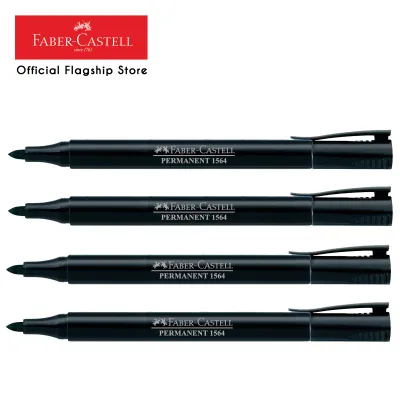
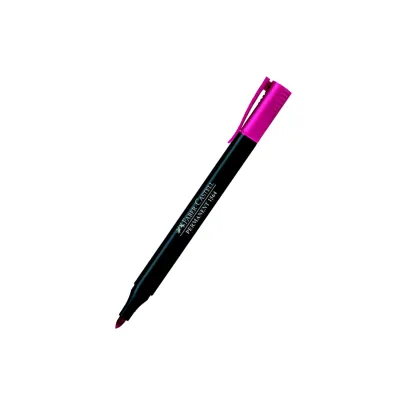
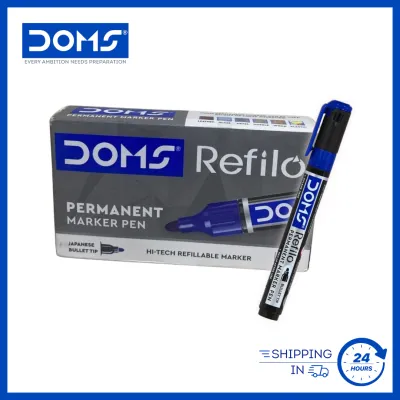
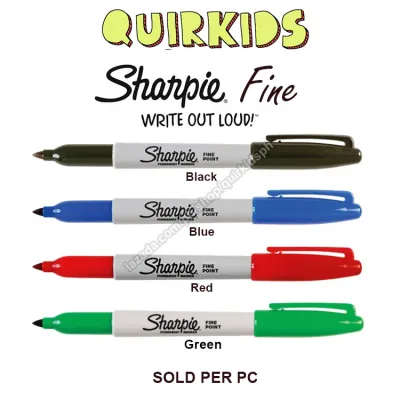
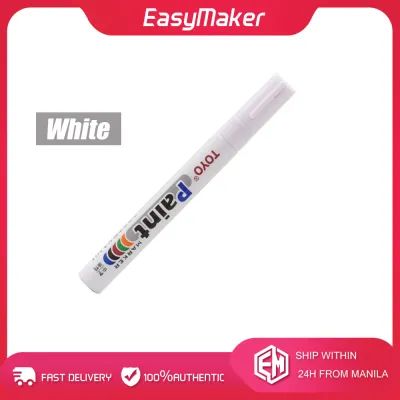
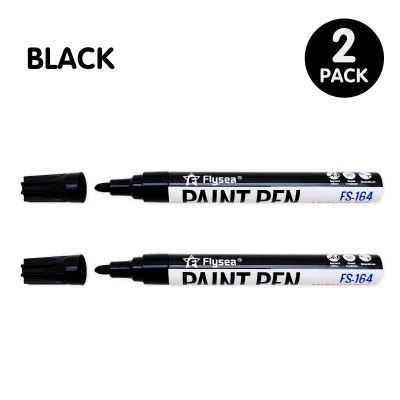
Products mentioned in this guide
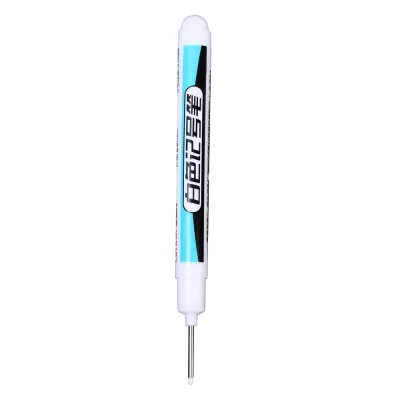
![[MORLY] 20mm Long Tip Deep Hole Extension Marker Permanent White Black Red Acrylic Paint Pens Extra fine Tip Oil Based Paint Markers Quick Drying and Waterproof Marker Pen for Metal Rock Wood Fabric Plastic Canvas GlassMugs Painting](https://img.lazcdn.com/g/p/d1b16396db1c08e3ad85effeef8c5a74.jpg_400x400q80.jpg_.webp)
Prices are valid at publication and may change. Please refer to the product page for the latest price.
Beyond the solvent, the presence of resin binders is what truly distinguishes a plastic-compatible marker from a standard one. Resins are polymer compounds dissolved in the ink solvent. As the solvent evaporates after writing, the resins undergo a physical change, forming a continuous, adhesive film that binds the pigment or dye particles directly to the plastic surface. Without these specialized resins, the colorant would simply sit as a loose powder on top of the plastic, easily rubbed away by friction or moisture. When evaluating markers, look for product specifications that explicitly mention high-resin formulation or multi-surface adhesion.
The physical design of the marker tip, or nib, also plays a vital role in how effectively the ink is delivered to a slick plastic surface. Marker tips are typically made of porous, fibrous materials like polyester, acrylic, or felt. Bullet tips are the most common and versatile, providing a consistent line width that is ideal for general labeling, writing part numbers, or marking storage bins. Chisel tips feature an angled edge that allows you to write in multiple line widths, making them highly useful for creating bold, highly visible lettering on large plastic crates or signage. Fine and ultra-fine tips, often supported by a metal collar or made of hard plastic, are indispensable for detailed work, such as marking small laboratory vials, electronic components, or cable tags. On slick plastic, a fine tip must regulate ink flow precisely to prevent pooling or flooding, which can cause the letters to run together.
Finally, pay close attention to the drying speed and smudge resistance claims printed on the product packaging. In the Philippines, where humidity can delay drying, look for markers that explicitly promise instant-drying or dry in under 10 seconds. Smudge resistance is equally critical, especially if the marked items will be handled frequently or exposed to condensation, such as plastic containers stored in refrigerators or freezers.
Matching the Marker to Your Plastic Surface Type
Not all plastics are created equal, and matching the specific type of plastic you are writing on to the correct marker variant is key to achieving a long-lasting mark. Plastics vary widely in their surface energy, texture, flexibility, and chemical composition, all of which influence how ink behaves upon contact.

Smooth and glossy plastics, such as polyethylene terephthalate (PET), acrylic, and polyvinyl chloride (PVC), have exceptionally high surface gloss and zero porosity. When writing on these materials, the primary challenge is preventing the ink from pooling or pulling back into droplets before it can dry—a phenomenon known as wetting failure. For these ultra-smooth surfaces, you need a fast-drying, alcohol-based marker with a high concentration of resin binders. The rapid evaporation of the alcohol solvent freezes the ink film in place before surface tension can distort the written lines. Acrylic paint-based markers can also work well on glossy plastics, provided they are allowed to cure completely, as they lay down a thicker, highly opaque layer of pigment.
Textured or matte plastics, such as high-density polyethylene (HDPE) or polypropylene (PP) used in heavy-duty storage tubs, toolboxes, and outdoor crates, present a different set of conditions. These surfaces feature microscopic grooves, ridges, and valleys. While this texture actually helps the ink adhere by providing mechanical grip, it can be highly abrasive to delicate marker tips. Writing on textured plastic with a soft felt tip can quickly fray the nib, leading to fuzzy, inconsistent lines. For these materials, select markers with durable polyester or acrylic fiber tips that can withstand abrasion. A slightly heavier ink flow is also beneficial here, as it allows the liquid to flow into the microscopic crevices of the plastic, ensuring solid color density and preventing gaps in your writing.
Flexible or curved plastics, such as squeeze bottles, plastic bags, vinyl wraps, and flexible tubing, introduce the challenge of physical deformation. When these items are bent, squeezed, or stretched, the plastic substrate moves. If the marker ink dries into a highly rigid, brittle film, the physical stress will cause the ink to crack, flake, and peel off the surface. For flexible plastics, you must avoid markers that dry to a hard, shell-like finish. Instead, look for markers formulated with flexible polymer binders or specialized industrial-grade inks that retain a degree of elasticity after curing. These flexible inks can bend and stretch along with the plastic, maintaining their adhesion and legibility even under repeated physical deformation.
How to Test Ink Adhesion Before Writing on the Final Surface
Because of the vast diversity of plastic formulations and surface treatments, it is highly recommended to perform a systematic adhesion test before writing on the main, visible area of your plastic item. This simple precautionary step prevents you from ruining an expensive or important item with ink that might bead, smudge, or fail to dry.
Begin by identifying an inconspicuous area on the item to conduct your test. The underside of a container lid, the bottom base of a storage bin, or an interior lip are ideal testing locations. If no hidden area is available, try to obtain a scrap piece of the exact same plastic material to use as a test bed.
Before applying any ink, proper surface preparation is essential. Plastics often carry invisible residues on their surface, such as manufacturing mold-release agents, dust, moisture, or oils from human hands. These contaminants form a barrier that prevents the marker ink from making direct contact with the plastic polymer, severely compromising adhesion. Wipe the test area thoroughly with a clean, dry microfiber cloth. For stubborn residues or greasy surfaces, use a small amount of isopropyl alcohol on a cotton pad to clean the area, and allow it to dry completely before proceeding.
Apply a few sample strokes with the marker on the prepared test area. Observe the ink immediately after application. Does the line remain sharp and consistent, or does it begin to shrink, bead up, or separate? If the ink beads up immediately, the surface tension of the plastic is too low for that specific ink formulation, indicating poor compatibility.
If the ink lays down smoothly, allow it to cure fully. While many markers claim to dry in seconds, full chemical adhesion and curing can take longer, especially in humid environments. Let the test mark sit undisturbed for at least five to ten minutes. Once this curing period has passed, perform three simple, observable checks:
- The Smudge Test: Rub your dry finger firmly across the written line. The ink should not smear, smudge, or transfer to your skin.
- The Moisture Test: Wipe the mark with a damp cloth or expose it to a few drops of water. The ink should remain completely intact without running or dissolving.
- The Scratch Test: Gently run your fingernail over a portion of the line. If the ink easily flakes off or scrapes away, the resin binder has failed to form a strong mechanical bond with the plastic, and you may need to try a different marker type or prepare the surface more thoroughly.
Where to Buy and What to Verify When Shopping in the Philippines
Acquiring high-quality permanent markers that perform reliably on plastic requires careful selection of purchasing channels and physical product verification. In the Philippines, the most reliable sources are established stationery chains, major department stores, office supply hubs, and official brand flagship stores on online marketplaces. These retailers maintain structured supply chains and are more likely to store their inventory in temperature-controlled environments, which is crucial for preserving the shelf life of solvent-based writing instruments.
When shopping in physical retail stores, take the time to inspect the markers before purchasing. Verify that the cap is tightly sealed and has not been partially dislodged, as even a tiny gap can allow the volatile solvents to evaporate, leaving you with a dried-out marker. Check the marker barrel for any printed manufacturing dates or batch codes. Solvent-based markers have a finite shelf life; markers that have sat on a shelf for several years may suffer from solvent loss or ink separation, even if the cap has never been removed. If you are purchasing paint-based markers, gently shake the marker near your ear—you should hear the internal mixing ball rattle freely, indicating that the pigment and solvent can still be properly homogenized.
Be highly cautious when purchasing markers from unverified third-party sellers on online marketplaces, especially those offering unusually low prices. While a pack of markers priced significantly below the standard retail rate of ₱50 to ₱150 might seem like a bargain, these items are often counterfeit, expired, or improperly stored. In the local climate, packages can be exposed to extreme heat in transit vehicles, delivery hubs, or metal-roofed warehouses. Prolonged exposure to high temperatures accelerates solvent evaporation through the plastic barrels of the markers, resulting in products that arrive dry, watery, or with severely degraded adhesion properties. Investing in authentic products from authorized sellers ensures that the ink formulation remains intact and performs as intended on your plastic surfaces.
Additionally, proper storage at home will extend the life of your markers. Always store permanent markers horizontally when not in use. This prevents the gravity-induced settling of pigments and ensures that the solvent remains evenly distributed throughout the internal reservoir and the tip, keeping the marker ready for immediate use in our warm, tropical environment.
Frequently Asked Questions (FAQ)
Can I use a standard permanent marker on plastic, or do I need a specialized one?
Standard permanent markers designed primarily for paper, cardboard, or porous surfaces often struggle when applied to plastic. Their ink formulations typically lack the high concentration of specialized resin binders required to grip non-porous substrates. When used on glossy plastics, standard marker ink often beads up, takes an exceptionally long time to dry, and can be easily wiped away with a dry finger or a damp cloth. While a standard marker might suffice for temporary, low-wear labeling on matte plastics, any application requiring long-term durability, water resistance, or exposure to handling demands a specialized permanent marker for plastic or an acrylic paint-based marker. These specialized options contain the necessary resins to form a permanent, scratch-resistant bond with the plastic surface.
How do I remove permanent marker from plastic if I make a mistake?
If you make a mistake or need to update a label, permanent marker ink can be safely removed from most plastic surfaces without causing damage. The most effective method is to use isopropyl alcohol (rubbing alcohol) with a concentration of 70 percent or higher. Apply a small amount of alcohol to a clean microfiber cloth or cotton pad and gently wipe the ink; the alcohol will quickly dissolve the resin binders and lift the pigment. For stubborn or fully cured ink, drawing over the mark with a dry-erase whiteboard marker can help, as dry-erase inks contain solvents that re-liquefy the permanent ink, allowing both to be wiped away together. Avoid using harsh abrasives, steel wool, or strong solvents like acetone (nail polish remover), as these chemicals can chemically melt, scratch, or permanently cloud the plastic surface.
Community discussion
Share your experience or ask a question. Comments are reviewed before publication.