
Choosing a Pilot Sanrio pen is the perfect intersection of functional stationery and personal self-expression. To find the ideal match, you must balance your favorite character’s aesthetic with your daily writing habits, paper choices, and ergonomic preferences. Whether you are taking quick notes in a humid tropical classroom, signing documents in an air-conditioned office, or journaling at home, the right combination of ink delivery and barrel design ensures your pen is as practical as it is charming.
Because these collaborative pens combine Pilot’s reliable writing technology with Sanrio’s iconic character designs, they are highly sought after by students, professionals, and collectors alike. However, selecting the wrong ink type or tip size can lead to smudging, hand fatigue, or paper bleed-through. By understanding the technical specifications of each pen format and matching them to your specific writing environment, you can enjoy a seamless writing experience that showcases your personal style.
Understanding Pilot Sanrio Pen Formats and Ink Types
When browsing collaborative stationery, the first decision to make is the ink delivery system, as this directly dictates how the pen performs on different paper types. Gel ink pens, such as those in the popular Pilot Juice or Coleto series, are celebrated for their vibrant colors and exceptionally smooth glide. The water-based gel flows easily, making it a favorite for creative journaling, color-coding notes, and casual writing. However, because gel ink is wetter than other types, it requires a brief moment to dry. In high-humidity environments, this drying time can be slightly extended, so left-handed writers or those using glossy paper should perform a quick smudge test to ensure clean pages.
Products mentioned in this guide
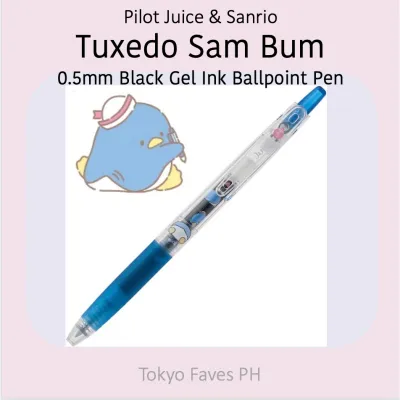
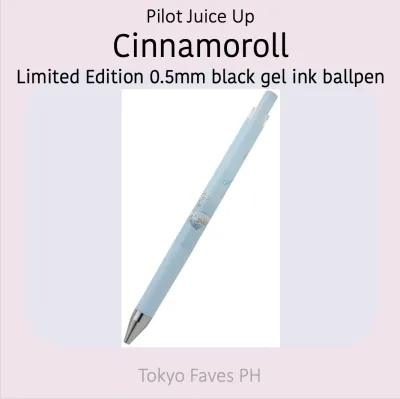
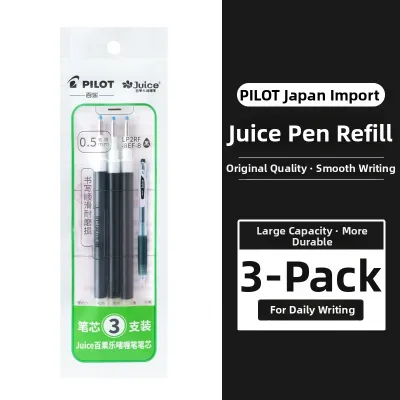
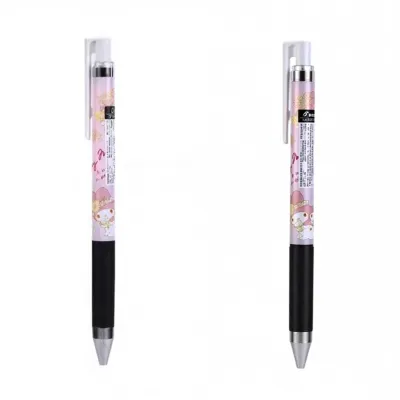
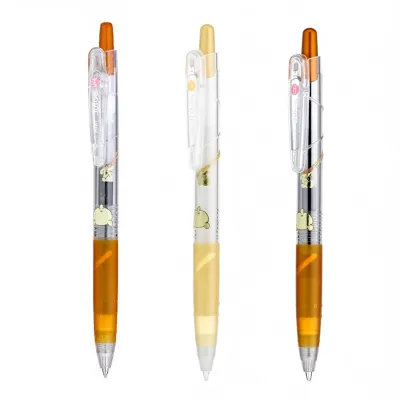
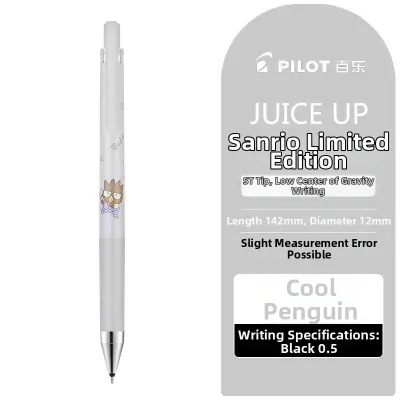
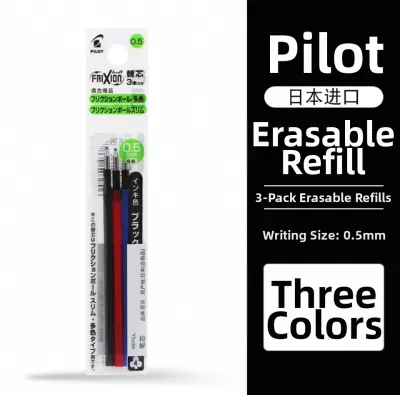
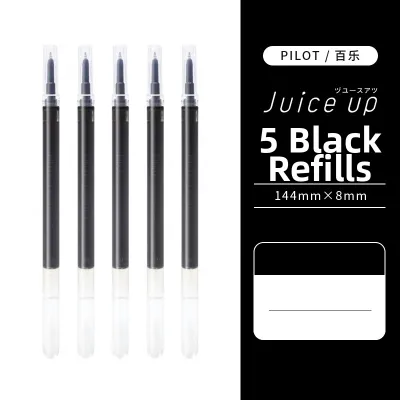
Prices are valid at publication and may change. Please refer to the product page for the latest price.
Ballpoint pens, utilizing oil-based inks like those found in the Pilot Acroball series, offer a highly reliable and fast-drying alternative. The low-viscosity oil ink glides much more smoothly than traditional sticky ballpoint inks while remaining highly resistant to water and fading. This makes ballpoint formats the ideal choice for signing official documents, writing on thin thermal receipts, or filling out forms where ink stability is paramount. If your daily routine involves rapid note-taking on standard copy paper, a ballpoint pen will minimize the risk of bleed-through and feathering.
For those who appreciate a classic, expressive writing experience, fountain pen collaborations, such as the Sanrio editions of the Pilot Kakuno, provide a distinct feel. These pens use liquid ink cartridges that feed through a steel nib, allowing you to vary your line width based on writing pressure and angle. Fountain pens require a light touch, which can significantly reduce hand strain during long writing sessions. However, liquid ink is highly sensitive to paper quality; using standard, highly absorbent school notebooks may result in significant ink spread, so pairing a fountain pen with specialized, bleed-resistant paper is highly recommended.
Tip size is another critical factor that influences both line width and paper compatibility. Ultra-fine tips, ranging from 0.3mm to 0.38mm, are perfect for detailed planners, grid journals, and small, precise handwriting. While they allow you to fit a large amount of text into tight spaces, ultra-fine tips can sometimes feel slightly scratchy on rough or low-grade paper. Standard fine tips (0.5mm) and medium tips (0.7mm to 1.0mm) offer a much smoother, wetter writing experience that glides effortlessly across most surfaces, though they produce a thicker line that requires slightly more drying time.
Matching Sanrio Characters to Pen Series and Aesthetics
Sanrio collaborations are designed with varying levels of visual prominence, allowing you to choose a pen that fits your personal aesthetic and professional environment. The most common design approach features full-body character prints wrapped around the entire pen barrel. These vibrant, colorful designs showcase characters like Hello Kitty, My Melody, Cinnamoroll, or Kuromi in playful poses and themed backgrounds. These pens are highly visible and serve as excellent statement pieces for students or casual collectors who want their favorite characters to stand out clearly on their desks.

For a more understated look, some pen series utilize color-coded clips and subtle silhouette accents rather than busy, multi-colored wraps. In these designs, the pen barrel might remain a clean, minimalist white or pastel shade, while the pocket clip or clicker features a small, elegant print of the character’s face or signature accessory. This style is particularly suited for professional office settings where you want to carry a touch of personality without drawing excessive attention during business meetings. It allows you to enjoy the charm of characters like Pompompurin or Pochacco in a sophisticated, mature format.
Because collaborative collections are frequently updated, it is essential to verify the specific character lineup for a current release before planning a purchase. Manufacturers often release these pens in themed series, meaning a specific character might be available in a gel pen format this season but only featured in a multi-pen or mechanical pencil format in the next. Checking official retailer listings or the manufacturer’s regional catalog will help you confirm which characters are currently paired with your preferred writing instrument.
It is also helpful to distinguish between limited-edition releases and standard, ongoing collaborations. Limited-edition pens often feature unique seasonal artwork, such as cherry blossom themes or retro-inspired color palettes, and are produced in single, non-repeat batches. While these make highly valuable collector’s items, they can be difficult to replace if lost or damaged. Standard collaborations, on the other hand, feature classic character designs that remain in production for longer periods, making them highly practical for daily, worry-free use.
Evaluating Ergonomics and Writing Comfort
While the visual design of a Sanrio pen is often what draws you in, the physical comfort of the pen determines how often you will actually use it. The material and shape of the grip section play a vital role in preventing hand fatigue during extended writing sessions. Soft, rubberized or elastomer grips provide excellent friction and cushioning, which helps reduce the gripping pressure required to keep the pen steady. This is especially beneficial in warm, tropical climates where fingers can easily become sweaty, causing hard plastic barrels to slip and slide.
Conversely, pens with hard plastic or metallic grip sections offer a sleek, uniform look and are incredibly easy to wipe clean, but they provide very little cushion. If you tend to hold your pen with a tight, high-pressure grip, a hard barrel can lead to finger cramping over time. Some models, like the Pilot Kakuno fountain pen, feature a subtle triangular grip section designed to guide your fingers naturally into a comfortable, ergonomic tripod position, making them excellent for training proper writing posture and reducing long-term strain.
Pen weight and balance also heavily influence your writing comfort and control. Lightweight plastic pens require very little effort to maneuver, making them ideal for rapid, casual note-taking and carrying in a pocket or pencil case. However, some writers find that an ultra-light pen feels less stable, leading to shaky handwriting. A slightly heavier pen, or one with a metal pocket clip and tip, shifts the center of gravity forward, providing a grounded feel that allows the weight of the pen to do the work as it glides across the page.
Finally, consider the convenience and safety of the pen’s mechanism. Retractable designs, operated by a top clicker or side slide, are highly convenient for quick, one-handed operation, making them perfect for busy environments where you need to jot down information instantly. They also eliminate the risk of losing a cap. Capped pens, however, offer a superior airtight seal that prevents gel and liquid inks from drying out prematurely. A secure cap also provides peace of mind when carrying the pen in a bag or shirt pocket, as it physically prevents the ink tip from coming into contact with fabrics.
Building Your Shortlist: A Step-by-Step Selection Checklist
To ensure you select a pen that is both a joy to look at and a pleasure to write with, follow this practical step-by-step framework before making your purchase:
- Define Your Primary Writing Task: Determine where and how you will use the pen most frequently. If you need to fill out official forms, sign receipts, or write on low-grade paper, prioritize oil-based ballpoint inks. If you are journaling, drawing, or color-coding notes on high-quality paper, opt for vibrant gel inks or a fountain pen.
- Select Your Tip Size Based on Paper Quality: Assess the notebooks and planners you use daily. For thin, absorbent paper, choose an ultra-fine tip (0.3mm to 0.38mm) to minimize ink spread and bleed-through. For thicker, premium paper, select a fine (0.5mm) or medium (0.7mm) tip to enjoy a smoother, more fluid writing experience.
- Choose Your Aesthetic Style: Decide whether you prefer a bold, full-body character print that stands out on your desk, or a subtle, color-coded design with minimalist accents that blends seamlessly into a professional workspace.
- Verify Ergonomic Features: Consider your writing duration and grip style. If you write for hours at a time or have sweaty hands, look for a model with a cushioned rubber grip. If you prefer a lightweight, highly portable option for quick notes, a slim, retractable plastic barrel is ideal.
- Check Refill Compatibility and Authenticity: Before finalizing your choice, verify that replacement ink cartridges are readily available for that specific model. To avoid counterfeit products with poor ink flow and peeling prints, always purchase your pens from authorized stationery stores, official brand shops, or verified online marketplaces.
Frequently Asked Questions (FAQ)
Are Pilot Sanrio pens refillable?
Yes, the vast majority of Pilot Sanrio collaborative pens are designed to be refillable, though the specific refill process depends entirely on the pen format. Multi-pens like the Coleto series allow you to swap out individual ink cartridges easily by opening the top cap, while single-barrel gel pens and ballpoints typically unscrew at the nose cone to accept a new ink refill.
To ensure you purchase the correct replacement, always check the pen barrel or the original packaging for the exact refill model number. Using the correct manufacturer-specified refill ensures a perfect physical fit, prevents internal ink leaks, and maintains the smooth mechanical operation of your pen.
How can I prevent the character design from fading or peeling?
To preserve the vibrant character artwork on your pen barrel, store your stationery away from direct sunlight and extreme heat, as prolonged exposure can degrade the printed layer and cause the colors to fade. Avoid keeping your pens in hot vehicles or near windows where temperature fluctuations are common.
When cleaning the exterior of the pen, use only a soft, dry microfiber cloth to gently wipe away dust and finger oils. Avoid using harsh chemical solvents, rubbing alcohol, or hand sanitizers directly on the printed barrel, as these substances can quickly dissolve the protective clear coat, leading to premature peeling and smudging of the character designs.
Community discussion
Share your experience or ask a question. Comments are reviewed before publication.