
Selecting an appropriate presentation box for a single luxury pen is an essential step in creating a memorable gifting experience. A high-end writing instrument is more than just a functional tool; it is a statement of personal style, professional achievement, and refined taste. The box that houses it must reflect this significance, serving as both a protective shield and an elegant stage that showcases the pen’s design from the moment the lid is lifted. To make the right choice, you must carefully evaluate the gifting context, the durability of the exterior materials, the safety of the interior lining, and the precise physical dimensions of the pen.
Defining the Presentation Style and Gifting Context
The visual impact of a pen box should align seamlessly with the recipient’s personal aesthetic and the formality of the occasion. For a modern professional who appreciates clean lines and contemporary design, a minimalist box with a matte finish and a magnetic closure offers an understated elegance. Conversely, for traditional milestones such as retirements, executive promotions, or significant academic achievements, an ornate style featuring polished wood, brass accents, and a plush interior conveys a sense of heritage and prestige. Matching the box’s design to the recipient’s taste ensures that the presentation feels thoughtful and highly personalized.
Consider where the pen will reside after the initial unboxing. If the recipient is likely to keep the pen on their desk as a daily writer, the box should function as a permanent desk accessory. In this scenario, a weighted wooden chest or a glass-topped display case provides a stable, attractive home that keeps the pen accessible while protecting it from dust. If the pen is intended for travel or occasional use, a compact, durable leather case that slips easily into a briefcase or bag is far more practical than a bulky display box.
Products mentioned in this guide
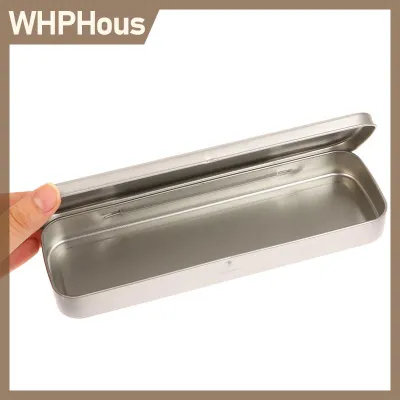
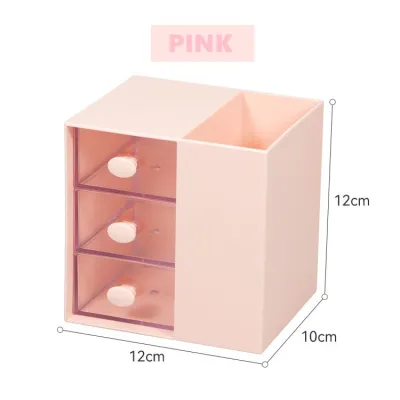
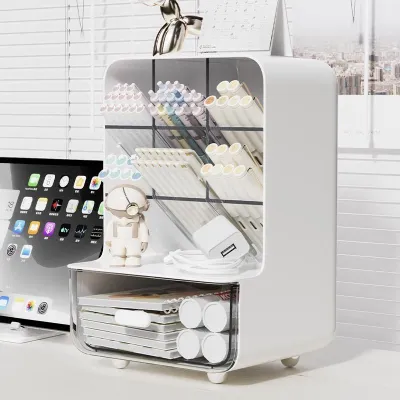
Prices are valid at publication and may change. Please refer to the product page for the latest price.
The nature of the gifting event also dictates the level of packaging formality. Corporate gifting often calls for clean, uniform presentation styles, such as high-quality textured hardboard sleeves that can be subtly branded. Personal gifts, such as those celebrating a major life event, benefit from the warmth and longevity of natural materials like genuine leather or solid hardwood. By analyzing how and where the pen will be used, you can select a box that transitions effortlessly from a beautiful gift package to a functional, long-term storage solution.
Evaluating Exterior Materials and Build Quality
The exterior of the pen box provides the first tactile and visual impression, making material selection and construction quality paramount. Genuine leather is a highly favored option for its classic appeal, warmth, and ability to develop a unique patina over time. However, leather requires careful handling to avoid scuffs and must be kept away from excessive moisture. High-gloss wood finishes, such as piano-lacquered mahogany, walnut, or ebony, offer a brilliant, reflective surface that commands attention on any desk. While visually striking, these polished surfaces are prone to showing fingerprints and hairline scratches, requiring regular dusting with a soft cloth.

For a more contemporary and versatile option, textured paper wraps over dense, rigid hardboard provide an excellent balance of aesthetics and value. These wraps can mimic the feel of linen, silk, or fine leather, offering a highly tactile experience at a more accessible price point. Regardless of the material you choose, the structural integrity of the box must be flawless. Examine the corners and edges closely; high-quality wooden boxes feature precise mitered or finger joints that prevent warping, while paper-wrapped boxes should have seamless edge binding with no visible adhesive or lifting corners.
Poor craftsmanship is easily identified if you know what to look for during your evaluation. Inspect the hinges of a hinged box; they should operate smoothly without any squeaking, resistance, or lateral play. High-quality quadrant hinges or spring-loaded brass hinges will hold the lid open securely at an elegant angle, typically between 90 and 95 degrees, allowing the pen to be displayed beautifully. Avoid boxes with weak, misaligned hinges, peeling veneers, or uneven gaps between the lid and the base when closed. In warm, humid climates, substandard glues can degrade rapidly, causing paper wraps or wood veneers to bubble and peel, so prioritizing robust construction is essential for long-term durability.
Interior Linings and Pen Protection Standards
While the exterior of the box attracts the eye, the interior lining is responsible for safeguarding the pen’s delicate finish. Luxury pens are often crafted from precious resins, delicate lacquers, or polished metals that are highly susceptible to micro-scratches. Velvet is the traditional choice for luxury packaging, offering a deep, plush pile that cradles the pen gently and catches the light to create a sense of depth. Suede, whether natural or synthetic, provides a high-friction surface that prevents the pen from sliding around, making it excellent for travel-friendly cases. Microfiber is a modern alternative that offers exceptional softness and scratch resistance while being highly durable and easy to maintain.
Silk and satin linings provide an ultra-smooth, luxurious drape that looks incredibly elegant, particularly in traditional presentation boxes. However, these materials offer very little impact cushioning and can easily snag on sharp pen clips or intricate metal filigree. When evaluating any interior lining, inspect the quality of the adhesion. The fabric must be glued down smoothly across all contours of the pen tray, with no wrinkles, loose threads, or exposed glue seams. Press gently on the lining to ensure there are no hollow pockets where the fabric has detached from the underlying mold.
A critical but often overlooked aspect of interior quality is the scent of the adhesives used during manufacturing. Open the box and take a brief sniff; a strong, pungent chemical or solvent odor indicates that cheap, uncured glues were used. Over time, these adhesives can release volatile organic compounds (VOCs) inside the sealed box, which can tarnish gold or silver trim, degrade celluloid, or cloud the polished finish of acrylic pens. Finally, ensure the interior features adequate padding depth. The pen tray should have a molded recess or a secure elastic band that prevents the pen from shifting or rattling when the box is moved, ensuring it remains safe during transit.
Sizing, Fit, and Compatibility Checks
To ensure a successful presentation, you must verify that the specific luxury pen fits securely within the box’s internal cavity. Do not rely on generic size descriptions such as “standard size” or “universal fit,” as luxury pens vary dramatically in length, girth, and weight. Before shopping for a box, use a ruler or caliper to measure your pen’s exact dimensions. Record the overall length from the tip of the cap to the end of the barrel, the maximum diameter of the barrel (usually at the grip section), and the widest point of the cap, including the pocket clip.
Compare these measurements directly against the internal dimensions of the box’s pen slot, rather than the box’s external dimensions. The internal slot should be at least 5 to 10 millimeters longer than the pen to allow for easy insertion and removal without pinching your fingers. The width of the slot must comfortably accommodate the widest part of the pen barrel without forcing the fabric lining to compress excessively. If the slot is too narrow, the pen will sit too high in the tray, which can cause the lid to press down on the pen when closed, potentially scratching the finish or straining the hinges.
Special attention must be paid to pens with unique design features, such as oversized pocket clips, protruding cap bands, or elaborate limited-edition finials. These embellishments require extra vertical clearance within the box. If the box lid lacks sufficient overhead clearance, the inner lining of the lid will press directly against the clip or finial, which can bend the clip over time or leave permanent indentations in the lid’s fabric. Always ensure there is a comfortable gap between the top of the pen and the closed lid to maintain a safe, pressure-free environment for your writing instrument.
Categorizing Premium Box Types for Different Needs
To help you narrow down your choices, premium pen boxes can be categorized into several distinct styles, each suited to specific gifting scenarios and pen characteristics. Whether you are selecting a modest hardboard sleeve costing around ₱300 or a bespoke wooden chest valued at over ₱5,000, understanding these categories will guide your decision.
Classic Hinged Wood Boxes: These boxes represent the pinnacle of traditional luxury presentation. Crafted from solid hardwoods like walnut, maple, or mahogany, they feature weighted bases, polished finishes, and robust brass hinges. They are highly suited for classic fountain pens and are designed to remain on a desk as a permanent, elegant fixture. The substantial weight and solid feel of a wooden box immediately communicate high value and respect, making them the preferred choice for executive gifts and major milestones.
Magnetic Closure Leather Cases: Combining modern utility with classic sophistication, these cases utilize hidden rare-earth magnets to snap shut with a satisfying click. They are typically wrapped in genuine or high-quality synthetic leather, offering a sleek, low-profile design that is highly portable. These cases are ideal for modern professionals who travel frequently or split their time between home and corporate offices, providing excellent protection on the go without the bulk of a wooden chest.
Acrylic or Glass Display Boxes: Designed specifically for collectors and enthusiasts, these boxes feature transparent lids or full-view acrylic cases that allow the pen to be admired even when the box is closed. They are highly appropriate for showcasing limited-edition, highly decorative, or colorful pens that deserve to be on display. These boxes keep the pen dust-free and secure while turning the writing instrument into a miniature work of art on a desk or shelf.
Minimalist Hardboard Sleeves: Constructed from dense, rigid paperboard with textured finishes, these sleeves often feature a slide-out drawer design or a simple two-piece lift-off lid. They offer a clean, contemporary aesthetic that is highly favored for corporate gifting. While less durable than wood or leather, high-quality hardboard sleeves provide a premium unboxing experience at a more accessible price point, making them excellent for large-scale presentations or modern, understated gifts.
Sourcing and Pre-Purchase Verification
Finding a high-quality pen box requires sourcing from reputable retailers who understand the unique requirements of fine writing instruments. Specialized stationery boutiques, authorized luxury pen dealers, and premium packaging suppliers are excellent places to start your search. These sellers are more likely to offer boxes made with chemically inert adhesives and high-grade linings that will not damage your pen over time.
When shopping on online marketplaces or ecommerce platforms, extra diligence is required since you cannot physically handle the product. Avoid listings that only feature generic stock photos. Instead, look for sellers who provide detailed, close-up images of the interior corners, the hinges, and the underside of the lid. If you are planning a large corporate order, it is highly recommended to request a physical sample first. This allows you to personally evaluate the weight, material texture, and, most importantly, the scent of the adhesives before making a significant financial commitment.
Finally, always review the seller’s return and exchange policies before finalizing your purchase. Because luxury pens come in highly unique shapes and sizes, there is always a small risk that a pen may not fit as expected or that the box may arrive with minor cosmetic defects. A flexible return policy that covers sizing mismatches, misaligned hinges, or lining flaws ensures that you can shop with confidence and secure an appropriate presentation box for your luxury writing instrument.
Frequently Asked Questions (FAQ)
Can I use a standard jewelry box to present a luxury pen?
Standard jewelry boxes are generally not suitable for presenting or storing a luxury pen because they lack the specialized structural support required for writing instruments. Most jewelry boxes feature shallow compartments, square dividers, or metal hooks designed for rings, necklaces, and watches, rather than the elongated, molded cavities needed to keep a pen stable. Without a dedicated pen slot, the instrument can roll around freely inside the box, causing the cap and barrel to rub against the sides or other metal components, which can lead to unsightly micro-scratches on precious resin or lacquer finishes. If you must repurpose a high-quality jewelry box, it is essential to modify the interior by inserting a custom-cut, fabric-covered foam tray with a dedicated pen channel to secure the instrument safely and prevent any movement.
How do I clean and maintain a velvet-lined pen box?
To preserve the pristine appearance and soft texture of a velvet-lined pen box, regular and gentle maintenance is required. Use a soft-bristled brush, such as a clean makeup brush or a dedicated lint brush, to gently sweep away dust, lint, and paper fibers from the interior cavity. Avoid using liquid cleaners, water, or harsh chemical solvents, as these can easily dissolve the underlying adhesives, flatten the delicate velvet pile, or leave permanent water stains on the fabric. In humid tropical environments like the Philippines, store the box in a well-ventilated area away from direct sunlight to prevent the growth of mold or mildew. Placing a small, food-grade silica gel packet inside the storage drawer or nearby cabinet can also help absorb excess moisture, protecting both the box’s structural adhesives and the metal trim of your luxury pen from humidity-induced degradation.
Community discussion
Share your experience or ask a question. Comments are reviewed before publication.