
For students in the Philippines, a reliable pencil that requires no sharpener is an essential tool for surviving long school days, fast-paced lectures, and demanding exams. Traditional wooden pencils require constant maintenance, leaving messy shavings on desks and losing their sharp points right in the middle of a crucial math equation or essay. Transitioning to a mechanical pencil solves these daily classroom frustrations by providing a continuous, consistent writing point that keeps notes legible and school bags clean.
In the tropical climate of the Philippines, where high humidity can soften paper and make wooden pencil shavings sticky and difficult to clean, the mechanical pencil offers a clean, dry, and highly efficient alternative. By eliminating the need for a sharpener, students can maintain their focus during timed tests and avoid the distraction of constantly repairing broken pencil tips. Investing in a high-quality mechanical pencil not only improves daily writing comfort but also proves to be a highly economical choice over the course of the school year.
Why a Mechanical Pencil is the Ultimate "No Sharpener" Tool for School
One of the most significant advantages of using a mechanical pencil is the guaranteed consistency of the line width. When writing complex mathematical formulas, chemical structures, or detailed kanji and script characters, a dulling wooden pencil can quickly turn neat work into an illegible smudge. A mechanical pencil ensures that every stroke remains uniform from the first page of notes to the last, which is particularly helpful for keeping notebooks organized and easy to study from later.
Products mentioned in this guide
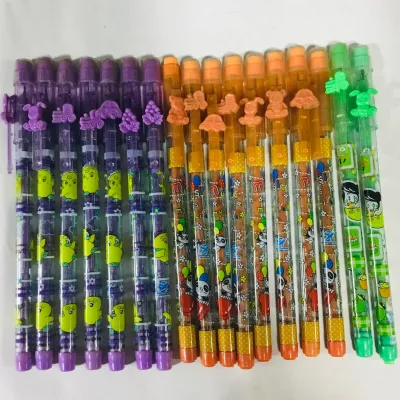
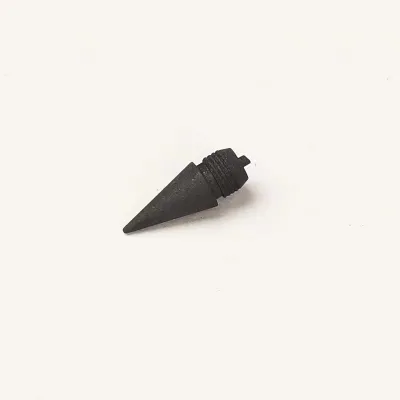
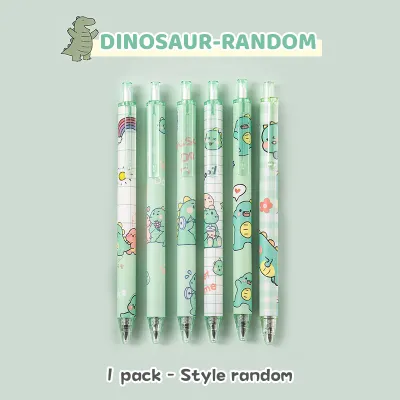
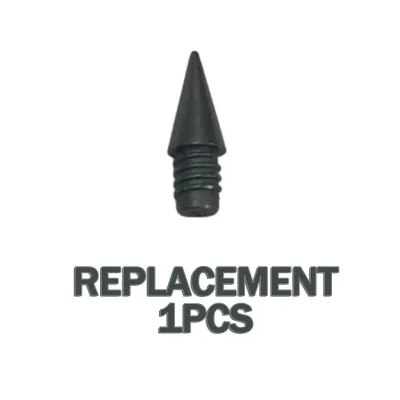
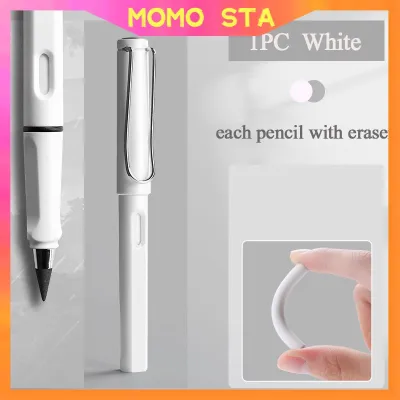
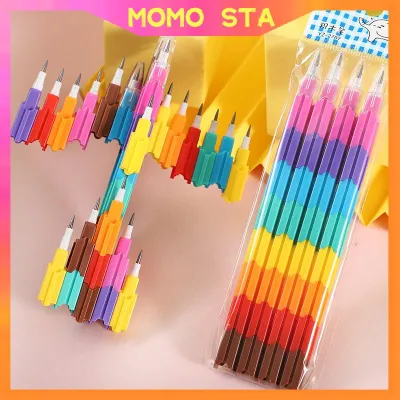
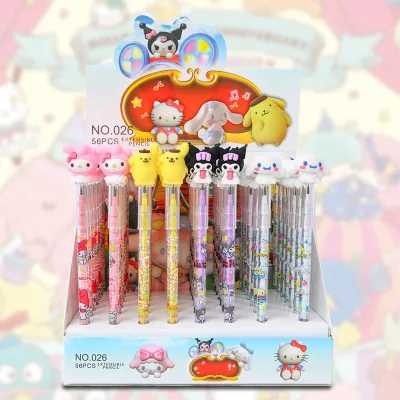
Prices are valid at publication and may change. Please refer to the product page for the latest price.
Classroom productivity increases when students do not have to worry about sharpening downtime. During a critical exam, every second counts, and a snapped wooden pencil tip can cause unnecessary panic. With a mechanical pencil, a simple click of a button advances fresh lead instantly, allowing the student to continue writing without breaking their concentration or needing to walk over to a classroom sharpener.
From a cleanliness perspective, mechanical pencils eliminate the hassle of managing pencil shavings. Shavings often spill inside pencil cases, staining fabric and ruining other school supplies. In humid environments, these damp wood and graphite remnants can stick to hands and paper, creating unwanted mess. A mechanical pencil keeps the student’s workspace entirely free of debris.
While the initial cost of a mechanical pencil is higher than that of a standard wooden pencil, the long-term financial benefits are substantial. A single, durable mechanical pencil body can last for several school years when properly maintained. Instead of repeatedly purchasing packs of wooden pencils that eventually shrink to unusable stubs, students only need to buy inexpensive lead refills, making it a highly sustainable and budget-friendly choice over time.
Essential Specifications to Check Before Buying
When shopping for a mechanical pencil, the lead diameter is the first specification to consider, as it directly impacts writing style and durability. The standard 0.5mm lead is highly popular for fine, precise writing and is ideal for students who need to fit detailed notes into tight margins or grid paper. However, students who naturally apply heavy pressure when writing may find that 0.5mm lead snaps too easily under their hand.

For those with a heavier writing grip, a 0.7mm or 0.9mm lead diameter is a much more practical choice. These thicker leads provide a sturdier writing point that resists breakage while still delivering a clear, dark line. It is highly recommended to try different diameters to determine which size matches your natural writing pressure before purchasing a pencil that only accepts one specific size.
Lead hardness grades also play a vital role in the writing experience. The standard HB grade is the most common, offering a balanced mix of darkness and break resistance, making it perfect for general note-taking and filling out optical mark reader (OMR) answer sheets during standardized exams. Softer grades like B and 2B contain more graphite, producing darker, smoother lines that require less downward pressure, though they may smudge slightly more on paper in high-humidity conditions.
To combat frequent lead breakage, many manufacturers design pencils with built-in shock-absorbing or cushioning mechanisms. These internal spring systems allow the lead to retract slightly into the tip sleeve when excessive vertical or lateral pressure is applied. This small amount of give prevents the lead from snapping, which is an incredibly valuable feature for students who write quickly during lectures.
Finally, pay close attention to the quality and availability of the built-in eraser. Most mechanical pencils feature a small eraser hidden under the top cap, but these can wear down quickly with daily use. Checking whether the manufacturer sells replacement erasers for that specific model, or choosing a pencil with a twist-up eraser design, ensures that the pencil remains fully functional without requiring a separate block eraser for minor corrections.
Matching the Pencil Design to Your Writing Comfort
Because students spend hours taking notes and writing essays, the physical design and ergonomics of the pencil are critical for preventing hand fatigue and finger cramps. The grip section is the primary point of contact and deserves careful evaluation. In the warm, tropical climate of the Philippines, hands can easily become sweaty during long study sessions in classrooms without air conditioning, making a secure grip essential.
Silicone and soft rubber grips offer excellent cushioning, absorbing the pressure from tight finger holds and reducing the strain on the hand. For those who prefer a firmer feel, textured plastic or knurled metal grips provide excellent slip resistance, ensuring the pencil does not slide out of wet fingers. Avoiding smooth, hard plastic barrels is generally wise if you are prone to sweaty hands during exams.
Weight distribution and balance also affect how comfortable a pencil feels over extended periods. Lightweight plastic bodies are incredibly easy to maneuver and put very little strain on the wrist, making them ideal for rapid note-taking. On the other hand, pencils with metal components or a heavier nose cone shift the center of gravity forward toward the paper, allowing the weight of the pencil to do the work of pressing down, which many writers find reduces overall hand fatigue.
Another crucial design feature to look for is a retractable tip sleeve. The metal pipe that guides the lead at the very tip of the pencil is highly delicate; if the pencil is dropped on a hard floor with the tip exposed, this sleeve can easily bend, rendering the entire pencil useless. A retractable design allows the sleeve to slide safely back into the plastic body when the pencil is not in use, protecting the tip from damage and preventing it from poking holes in pencil cases or school uniform pockets.
Building Your Shortlist: Criteria for Student Durability and Value
To find the right mechanical pencil for your specific academic needs, it helps to categorize your options based on how you plan to use the tool daily. Heavy writers who go through pages of notes every day should prioritize durability. For these students, a pencil with a metal internal clutch—the mechanism that grips and advances the lead—is far superior to one with a plastic clutch, as metal components resist wear and hold the lead more securely over thousands of clicks.
For budget-conscious students, the focus should be on finding reliable, basic models from reputable stationery brands that offer consistent performance without a premium price tag. Many of these entry-level pencils are sold in multi-packs and use standard 0.5mm or 0.7mm leads. Choosing a widely compatible model ensures that you can easily find inexpensive, generic lead refills at any local bookstore or school supply shop without being locked into expensive proprietary refills.
Students enrolled in technical drawing, drafting, engineering, or architecture courses have different requirements. They should look for drafting-style mechanical pencils, which typically feature a long, fixed 4mm metal sleeve. This extended sleeve provides a clear line of sight over the lead, allowing for extreme precision when aligning the pencil against rulers, T-squares, and drawing templates.
Before making a final purchase, always verify the local availability of refills and replacement parts. Walk into a local school supply store or browse trusted online stationery retailers in the Philippines to confirm that the specific lead size and eraser refills for your shortlisted pencil are consistently in stock. Opting for standard sizes like 0.5mm and 0.7mm ensures that even if you run out of lead during a school day, you can easily purchase a quick replacement from a classmate or a nearby convenience store.
Maintenance and Clearing Lead Jams Safely
To ensure your mechanical pencil lasts for years, proper maintenance and handling are essential. The most common cause of damage is improper clicking technique. Students often click the advance button too many times, extending a long piece of lead beyond the tip sleeve. This exposed lead lacks support and will snap immediately upon contact with paper; instead, only click once or twice so that the lead extends no further than the thickness of a small coin.
Over time, tiny fragments of broken lead can accumulate inside the tip sleeve or the internal clutch, causing a jam that prevents new lead from advancing. To clear these jams safely, do not force the clicker, as this can crush the stuck graphite and compact the clog further. Instead, remove the cap and eraser to check if your pencil includes a thin metal cleaning pin attached to the underside of the eraser.
To use the cleaning pin, hold down the top clicker to open the internal clutch jaws, then gently insert the pin through the front of the metal tip sleeve. This action will push the jammed graphite fragment backward out of the sleeve, clearing the pathway. Once the clog is cleared, release the clicker, shake out any loose dust, and feed a fresh piece of lead through the storage tube under the eraser.
If your pencil does not have a cleaning pin, a thin sewing needle or a piece of fine wire can serve as a suitable substitute. However, if the metal tip sleeve itself is visibly bent or the internal plastic clutch has cracked from being dropped, the pencil will no longer feed lead smoothly. In these situations, attempting to force the mechanism will only waste lead, and it is best to replace the pencil to maintain a frustration-free writing experience.
Frequently Asked Questions (FAQ)
Can I use any brand of lead refill in my mechanical pencil?
Yes, you can use any brand of lead refill as long as the millimeter diameter of the lead matches the exact specification of your mechanical pencil. For example, if your pencil is designed for 0.5mm lead, you must use 0.5mm refills, regardless of whether the refill brand matches the pencil brand. Using a different size, such as trying to force 0.7mm lead into a 0.5mm pencil, will jam the internal clutch, while using a lead that is too thin will cause it to fall straight through the tip without gripping.
While the brand does not need to match, the quality of the lead can vary. Higher-quality lead refills are formulated to be smoother and more break-resistant, which can significantly improve your writing experience. Additionally, you can choose different hardness grades like HB, B, or 2B from any brand to adjust how dark and smooth your writing appears on the page.
Why does my mechanical pencil lead keep breaking when I write?
Frequent lead breakage is usually caused by extending too much lead past the protective metal tip sleeve. To prevent this, only click the advance button until a tiny sliver of lead is visible. If the lead still breaks easily, you may be using a lead diameter that is too thin for your natural writing pressure; switching from a 0.5mm pencil to a sturdier 0.7mm model can often solve this issue.
Another common cause is a damaged or bent metal tip sleeve. If the pencil has been dropped, the delicate metal tube at the tip can bend slightly, creating sharp internal edges that shave and weaken the lead as it passes through. Inspect the tip closely for any signs of distortion, and ensure you are using high-quality, break-resistant lead refills that can withstand daily classroom use.
Community discussion
Share your experience or ask a question. Comments are reviewed before publication.