
When signing a legal contract, a land title, or a high-stakes financial agreement, your signature is more than just a personal mark—it is a legally binding commitment. The pen you choose determines whether that mark remains crisp, legible, and secure for decades or fades into an illegible smudge within a few years. A reliable sign pen for signature use must balance chemical permanence with physical reliability, ensuring that the ink bonds deeply with the paper fibers while resisting environmental degradation.
Selecting the right writing instrument requires looking past flashy designs and generic marketing claims. In tropical climates where high humidity and ambient heat can accelerate ink degradation and soften paper fibers, choosing a pen with the correct ink formulation and tip mechanics is essential. By understanding the science of ink performance and the ergonomics of pen design, you can select a tool that protects your signature’s integrity and provides a smooth, professional writing experience.
Core Features of a Reliable Sign Pen for Signatures
A dependable signature pen must deliver consistent performance from the very first stroke. When you put pen to paper on an important document, there is no room for skipping, railroading, or ink pooling. The baseline requirement for any signature pen is a controlled, continuous flow of ink that dries quickly enough to prevent accidental smudging by your hand or when pages are stacked immediately after signing.
Products mentioned in this guide
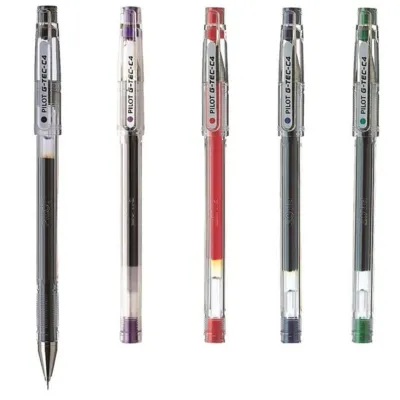
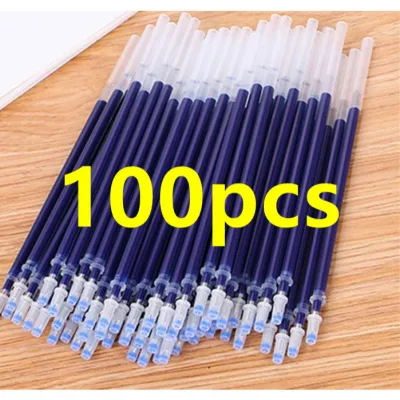
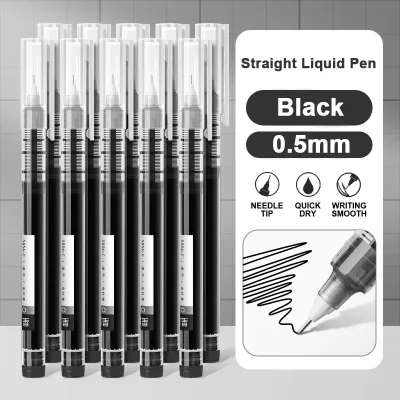
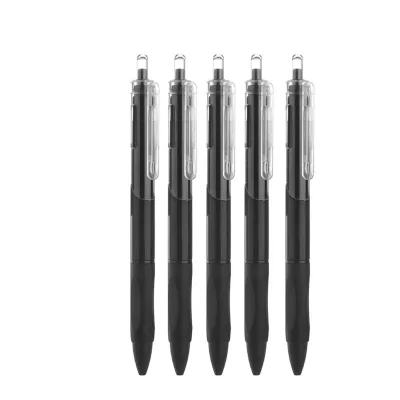
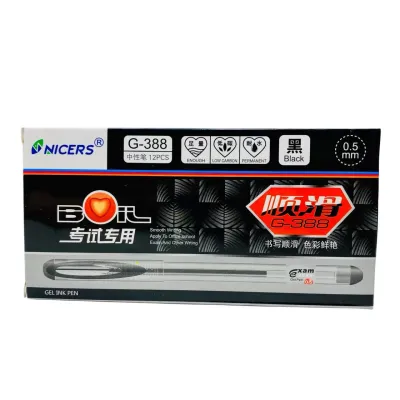
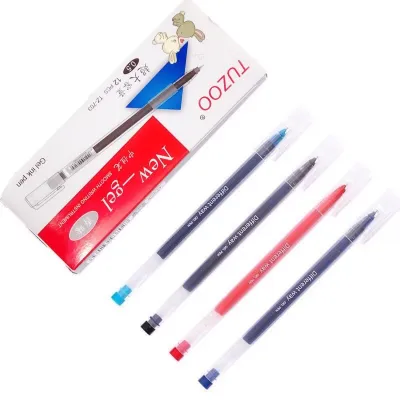
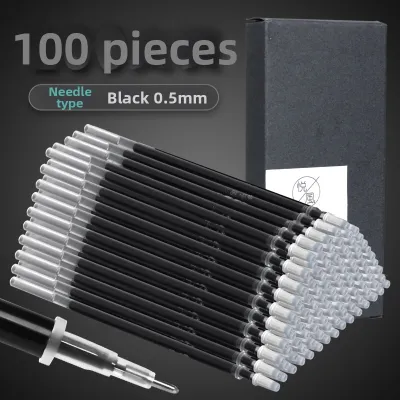
Prices are valid at publication and may change. Please refer to the product page for the latest price.
Standard, low-viscosity ballpoint pens often fall short for official signatures. These common pens typically rely on thick, oil-based inks that require significant downward pressure to write. Over time, these inks can pool at the tip, leaving unsightly blobs on your documents, or they may slowly seep through the paper, creating an oily halo that obscures the signature. Furthermore, standard ballpoint ink is highly susceptible to fading when exposed to light and moisture, making it unsuitable for documents intended for long-term archiving.
To ensure your signature remains permanent, you must look for pens specifically engineered for documentary use. This means verifying the manufacturer’s specifications on the packaging or official product datasheets rather than relying on vague terms like “smooth-writing” or “office-grade.” High-quality signature pens are designed to deposit a precise volume of ink that penetrates the paper fibers, creating a permanent bond that resists physical and chemical tampering.
Additionally, the build quality of the pen plays a critical role in ink delivery. A poorly constructed pen body can allow air to enter the cartridge, causing the ink to dry out prematurely or flow inconsistently. When evaluating a pen, look for robust barrel construction and a secure cap or retraction mechanism that maintains a perfect seal around the tip when the pen is not in use.
Evaluating Ink Permanence and Archival Quality
Ink permanence is the single most critical factor when choosing a sign pen for signature use on legal and official documents. Archival-quality ink is formulated to withstand environmental stressors such as ultraviolet (UV) light, moisture, and chemical solvents. If a document is exposed to accidental spills, high humidity, or direct sunlight, standard ink can wash away or fade entirely, rendering the document invalid or vulnerable to fraud.

To verify ink permanence, you should look for specific industry standards on the product packaging. The most reliable indicator of documentary quality is compliance with international standards such as ISO 14145-2 (for roller ball pens) or ISO 12757-2 (for ballpoint pens). These certifications guarantee that the ink has undergone rigorous testing for resistance to water, light, bleaching agents, and various chemical solvents, ensuring that your signature cannot be easily erased or altered.
The chemical composition of the ink determines its longevity and behavior on paper. Understanding the differences between the two primary ink types can help you make an informed decision:
- Pigment-Based Inks: These inks contain microscopic solid particles of color suspended in a liquid medium. When applied to paper, the pigments sit on top of and lock within the paper fibers, creating a highly stable, lightfast, and water-resistant mark. Pigment-based inks are the gold standard for archival purposes because they do not break down when exposed to water or UV light.
- Dye-Based Inks: These inks use fully dissolved colorants that soak deep into the paper fibers. While they offer vibrant colors and fast drying times, dye-based inks are highly soluble in water and susceptible to fading over time. A simple splash of water or exposure to humid air can cause dye-based signatures to bleed, feather, or disappear completely.
When matching your pen to the document, consider the paper weight and coating. In many professional settings, standard copy paper (typically 70gsm to 80gsm) is highly absorbent. Pigment-based gel inks perform exceptionally well on this medium because they resist spreading and feathering. However, on highly calendered or coated papers, pigment inks may take slightly longer to dry, requiring a brief pause before handling the document to prevent smudging.
Tip Precision, Line Width, and Consistency
The physical mechanism at the tip of your pen directly influences the legibility and character of your signature. A signature is a highly personal identifier, and the line width should reflect your natural writing speed and pressure. Choosing the wrong tip type or size can result in a cramped, illegible scrawl or an overly thick line that bleeds into adjacent text boxes.
Different pen mechanisms offer distinct writing characteristics that affect signature consistency:
- Gel Pens: Utilizing a water-based gel to suspend pigments, these pens offer an incredibly smooth glide with minimal friction. They deliver a rich, opaque line that is highly consistent, making them an excellent choice for bold, clear signatures.
- Rollerball Pens: These pens use liquid, water-based inks that flow effortlessly onto the page. They require almost zero writing pressure, which is ideal for signing large volumes of documents. However, the liquid ink can feather on lower-quality paper if the tip is held in one spot for too long.
- Premium Ballpoints (Hybrid Ink): Modern hybrid ballpoints combine the fast-drying properties of traditional ballpoint ink with the smoothness of gel. They offer excellent control and rapid drying times, making them highly resistant to smudging, though they require slightly more downward pressure than gel or rollerball options.
Tip size is another crucial variable to consider. For official signatures, tip sizes ranging from 0.5mm (fine) to 0.7mm (medium) are generally preferred. A 0.5mm tip provides excellent precision, which is ideal for signing small, cramped signature lines on multi-page contracts without the ink bleeding together. A 0.7mm tip offers a slightly bolder, more authoritative line that stands out clearly on official certificates and deeds. Avoid extremely broad tips (1.0mm and above) for detailed signatures, as they can cause ink pooling and slow down drying times, especially in humid environments.
Before committing a pen to an important document, perform a quick diagnostic test on a scrap piece of identical paper. Draw a series of rapid figure-eights and long, straight lines to check for skipping or ink starvation. Watch closely for “blobbing”—the accumulation of excess ink at the tip that can drop onto the page. Finally, run a finger over the test lines after three seconds to evaluate the drying speed under your local environmental conditions.
Professional Appearance and Ergonomic Comfort
While ink performance is paramount, the physical design of the pen should not be overlooked. A signature pen used in professional, legal, or corporate settings should convey a sense of seriousness and competence. Using a cheap, brightly colored plastic promotional pen to sign a major contract can detract from the professionalism of the occasion.
Opt for pens constructed from durable materials such as brushed aluminum, brass, or high-grade matte resins. These materials not only look sophisticated but also provide a balanced weight in the hand. A slightly heavier pen can actually improve writing control by allowing gravity to do most of the work, reducing the need for you to grip the barrel tightly. However, avoid excessively heavy pens that can cause hand fatigue during long signing sessions, such as during corporate board meetings or graduation ceremonies.
Ergonomics play a vital role in maintaining signature consistency across multiple pages. The grip section should have a comfortable diameter—typically between 10mm and 12mm—and feature a non-slip texture. A soft rubberized grip or a finely knurled metal surface prevents your fingers from slipping, especially if your hands become warm or damp. This ensures that your signature remains uniform from the first page of a contract stack to the last.
The capping or retraction mechanism also serves a practical purpose. For liquid ink and gel pens, a secure, snap-on or screw-on cap is essential to prevent the solvent from evaporating and clogging the tip. If you prefer a retractable design, ensure the click mechanism is robust and locks securely to prevent accidental deployment in your pocket or bag, which can lead to ruined clothing and wasted ink.
Building Your Shortlist: Matching Pen Types to Document Needs
To help you select the perfect writing instrument, it is helpful to match specific signing scenarios with the most appropriate pen characteristics. Different documents present unique challenges, from paper quality to handling speed.
Document Matching Matrix
- Legal Contracts & Deeds: Requires maximum security and longevity. Opt for a 0.5mm or 0.7mm pigment-based gel pen certified under ISO 14145-2. This ensures the signature resists water, light, and chemical alteration.
- Certificates & Guestbooks: Often printed on thicker, textured, or slightly glossy cardstock. A 0.7mm rollerball with quick-drying pigment ink provides a bold, elegant line that bonds well with textured fibers without smudging as pages are turned.
- Quick Receipts & Carbonless Copies: Requires physical pressure to transfer the signature through multiple duplicate sheets. A premium hybrid ballpoint pen with a 0.7mm tip is ideal here, as it requires moderate pressure and dries instantly.
When shopping for a signature pen at local stationery stores or online marketplaces, look closely at the product specifications. Avoid generic listings that do not specify the ink type. Instead, search for terms like “archival,” “document-proof,” “pigment gel,” or “ISO certified.” Keep in mind that high-quality refills are often sold separately; purchasing a durable pen body that accepts standard-sized archival refills (which typically cost between ₱50 and ₱150) is a highly sustainable and cost-effective approach.
Pre-Purchase Verification Checklist
Before finalizing your purchase, run through this quick checklist to ensure the pen meets all professional and functional requirements:
- Ink Specification: Is the ink explicitly labeled as pigment-based, archival, or water-resistant?
- Certification: Does the pen or refill packaging reference ISO 14145-2 or ISO 12757-2 standards?
- Drying Time: Does the ink dry within three seconds on standard paper to prevent smudging?
- Grip and Weight: Is the barrel comfortable to hold, with a non-slip grip and balanced weight distribution?
- Refill Availability: Are replacement cartridges easily accessible in your local market to ensure long-term utility?
Frequently Asked Questions (FAQ)
Can I use a fountain pen for signing legal documents?
Yes, you can use a fountain pen for signing legal documents, but you must be extremely selective about the ink you use. Standard fountain pen inks are typically dye-based and highly water-soluble, meaning they will smudge, feather, or wash away completely if exposed to moisture or spills. If you prefer the prestige of a fountain pen, you must load it with specialized archival, pigment-based, or iron gall inks designed specifically for permanent document use. Additionally, ensure the paper quality of the document is high enough to handle fountain pen ink without feathering or bleeding through the page.
How should I store my signature pen to prevent it from drying out?
Proper storage depends on the pen’s ink delivery mechanism. Gel and rollerball pens should generally be stored horizontally to keep the ink evenly distributed and prevent air bubbles from forming near the tip. If stored vertically tip-up, the ink may drain away from the ball, causing skipping on the first few strokes; if stored tip-down, excess ink can pool in the cap. Always ensure the cap is clicked on tightly or the retractable tip is fully retracted immediately after use. Keep your pens in a cool, dry place away from direct sunlight and extreme heat, as high ambient temperatures can cause the ink solvents to evaporate quickly, leading to clogs and premature drying.

Community discussion
Share your experience or ask a question. Comments are reviewed before publication.