
Selecting a tactical ball pen requires balancing rugged durability with everyday writing comfort. While these instruments are built to withstand demanding environments, their primary function remains putting ink on paper. A quality tactical pen should offer a reliable grip, smooth ink delivery, and a balanced weight distribution that prevents hand fatigue during extended writing sessions.
To make an informed purchase, you must look beyond aggressive styling and focus on verifiable specifications. Evaluating the build materials, refill compatibility, and carry mechanisms ensures you select a tool that is both practical for daily tasks and resilient enough for outdoor or field use.
Decoding Build Materials and Weight Specifications
Manufacturers construct tactical pens from various metals, each offering distinct trade-offs in weight, durability, and cost. Machined aluminum, often anodized for corrosion resistance, is lightweight and highly practical for daily carry in humid, tropical climates. Titanium offers an exceptional strength-to-weight ratio and excellent corrosion resistance, though it generally comes at a premium price point. Stainless steel provides a reassuring heft and extreme durability, but its heavier weight can quickly lead to hand fatigue during long writing sessions.
Products mentioned in this guide
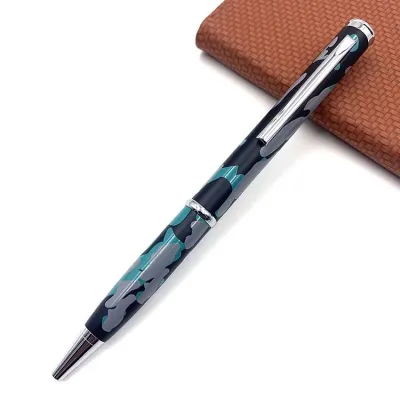
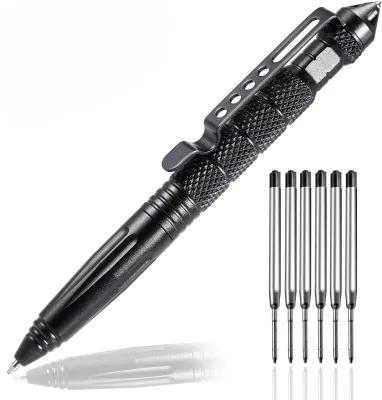
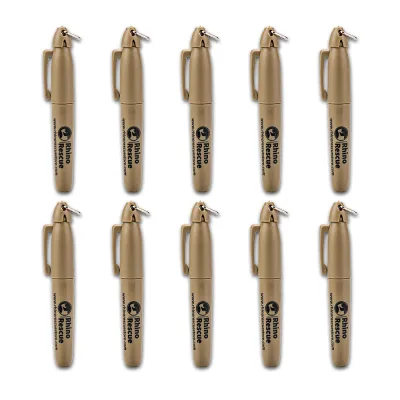
![[COD] CHENJ 1Pcs Versatile 3D Printed Tactical Pens EDC Practical Slide-Action Ballpoint Pen Unique Creative Writing Accessories](https://img.lazcdn.com/g/p/77b0da1b4bb228d4ed982de4c5f37f00.jpg_400x400q80.jpg_.webp)
![[COD] SHGMYD 1Pcs Versatile 3D Printed Tactical Pens EDC Practical Slide-Action Ballpoint Pen Unique Creative Writing Accessories](https://img.lazcdn.com/g/p/ce9b112d367cf1b7c2ac73dff17e1dba.jpg_400x400q80.jpg_.webp)
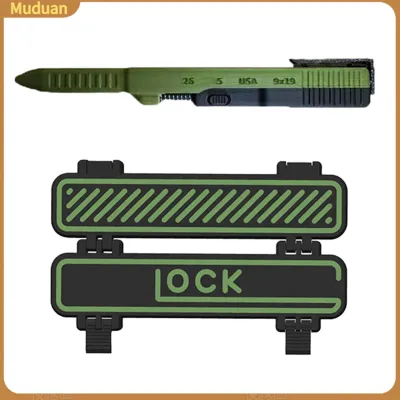
Prices are valid at publication and may change. Please refer to the product page for the latest price.
Weight and balance specifications directly affect how a pen performs in your hand. A pen that is too top-heavy will pull away from your paper, forcing your fingers to grip tighter to maintain control. When reviewing specifications, look for the overall weight in grams and check where the balance point lies. A center-balanced or slightly front-weighted pen typically offers the most comfortable writing experience.
While aggressive knurling, deep ridges, and spiked caps contribute to a rugged aesthetic, they can compromise usability. Excessive texturing adds unnecessary weight and tends to collect sweat, dust, and pocket lint. Furthermore, sharp ridges can easily snag on thin clothing fabrics or wear down the edges of your pockets over time. Choosing a design with clean lines and localized grip textures often yields a more versatile everyday carry tool.
Ink Cartridge Compatibility and Refill Standards
An outstanding pen body is of little use if the ink inside fails to write when you need it most. Tactical pens generally utilize standardized refill formats, with the Parker-style (G2) and the pressurized Fisher Space Pen (PR4) being the most common. Before purchasing, verify which refill standard the pen accepts. Standardized formats ensure you can easily source replacements from local stationery shops or online retailers without being locked into a proprietary brand.

Many tactical pens claim to feature waterproof, quick-drying, or all-weather ink performance. It is important to remember that these performance characteristics depend entirely on the specific refill cartridge installed, not the metal pen body. Pressurized refills are designed to write upside down, over grease, and in extreme temperatures, making them highly reliable for field notes.
In warm, humid environments, ink behavior can change significantly. To verify performance, conduct an observable trial on your preferred paper stock. Check how quickly the ink dries to prevent smudging, and observe whether the ink bleeds through thin notebook pages. If you frequently write on damp paper or in outdoor settings, pairing your tactical pen with a dedicated weather-resistant notebook will yield the best results.
Evaluating Grip, Clip, and Carry Mechanisms
An ergonomic grip is essential for maintaining control of the pen in wet, sweaty, or humid conditions. Look for grip sections that feature moderate knurling, horizontal grooves, or a slightly tapered shape. The diameter of the grip section should feel comfortable in your hand; a diameter between 10mm and 13mm generally suits most users. If you plan to use the pen while wearing gloves, ensure the grip texture is pronounced enough to prevent slipping without being abrasive to bare skin.
Clip design plays a vital role in how securely the pen rides in your pocket or gear organizer. Milled titanium clips offer high rigidity but less flexibility, while spring-steel clips provide more give when sliding over thick pocket seams. A deep-carry clip allows the pen to sit low and concealed inside your pocket, reducing the risk of it catching on external objects or falling out during physical activity.
Always compare the pen’s overall length and closed diameter against the dimensions of your standard pockets. A tactical pen that is excessively long or thick can be uncomfortable to carry in standard trouser pockets, especially when sitting. Aim for a compact, streamlined profile that integrates seamlessly into your daily wardrobe.
Assessing Secondary Tools and Glass Breaker Specs
Many tactical pens incorporate secondary tools, such as glass breakers, integrated whistles, or small multi-tool tips. If you are looking for a functional glass breaker, verify that the tip is made of an extremely hard material, such as tungsten carbide or hardened steel. Cosmetic tips made of standard aluminum will simply deform upon impact and fail to shatter tempered glass.
Before purchasing a pen with self-defense or impact tool designations, check your local regulations and travel guidelines. Some jurisdictions or private facilities restrict items marketed explicitly as weapons or impact tools. Choosing a pen with a discreet, low-profile design helps avoid unnecessary scrutiny while still providing a highly durable writing instrument.
Keep in mind that every added feature increases the overall weight and complexity of the pen. Multi-tool caps or threaded attachments can make the pen back-heavy or require constant tightening. Prioritize a solid, well-constructed writing tool over a novelty item crowded with low-quality secondary features.
Building Your Tactical Pen Shortlist
To finalize your purchase decision, establish a practical framework based on your specific daily needs. Start by setting a realistic budget, which typically ranges from ₱1,000 to ₱5,000 for high-quality machined pens. Prioritize writing comfort, balance, and refill availability over secondary tactical features if your primary use is daily note-taking.
Create a shortlist of candidates and verify their manufacturer specifications, warranty terms, and return policies. If you are purchasing online, review customer feedback regarding the clip tension and thread smoothness. When buying in-store, test the pen’s balance in your hand and operate the click or cap mechanism to ensure it deploys smoothly and securely.
Frequently Asked Questions (FAQ)
Can a tactical ball pen be carried on an airplane?
While standard ink refills are permitted in carry-on luggage, tactical pens featuring aggressive styling, sharp crown bezels, or prominent glass-breaking tips may be flagged by airport security. Security personnel have the discretion to confiscate items they deem potential hazards. To minimize travel complications, opt for a low-profile, streamlined pen without sharp protrusions, or pack your tactical pen in your checked baggage.
Do tactical pens require special maintenance?
Tactical pens require minimal but regular maintenance to ensure long-term reliability. Periodically unscrew the threads to clean out accumulated pocket lint, dust, and sweat using a soft cloth. If the pen features rubber O-rings to seal the threads, inspect them for cracking or dry rot, especially in hot and humid climates, and replace them as needed. Store your pen in moderate temperatures to prevent the ink refill from leaking or drying out prematurely.
Community discussion
Share your experience or ask a question. Comments are reviewed before publication.