
Setting up a toddler’s first art starter kit is an exciting milestone that opens the door to self-expression, hand-eye coordination, and sensory exploration. While it is tempting to grab any colorful book off the shelf, a coloring book for toddler is more than just a collection of outlines; it is a foundational stationery tool that bridges the gap between unstructured scribbling and controlled fine motor skills. Choosing the wrong book can lead to torn pages, bleed-through messes, and early frustration for a child who is still learning how to control their hand movements.
To build a successful art kit, you must look for three primary design features: thick, high-quality paper that can withstand heavy-handed pressure or wet mediums; simple, bold illustrations that build confidence; and a practical binding that allows the book to lie completely flat. By matching these physical specifications to the specific coloring tools you plan to provide, you can create a frustration-free environment where your child can focus entirely on the joy of creating.
Matching Page Thickness to Your Art Tools
When evaluating a coloring book for toddler, the weight and texture of the paper are critical specifications to check. Toddlers do not yet possess the fine motor control to regulate the pressure they apply to the page. They often press down heavily with crayons or hold wet markers in one spot for several seconds. If the paper is too thin, it will quickly tear, pill, or allow ink to saturate through to the pages underneath.
Products mentioned in this guide
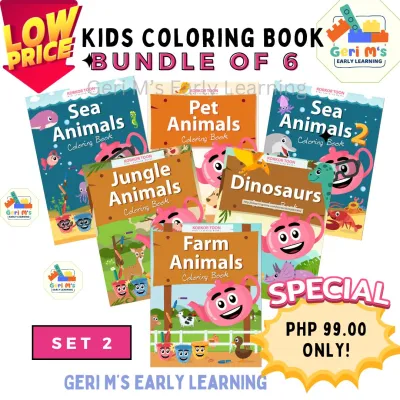
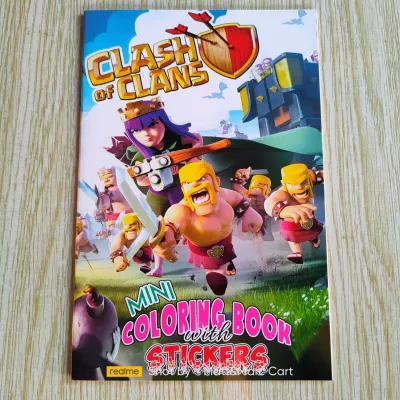
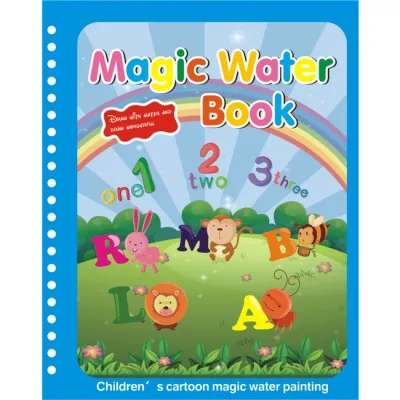
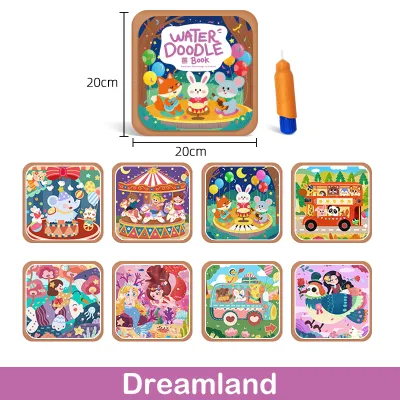
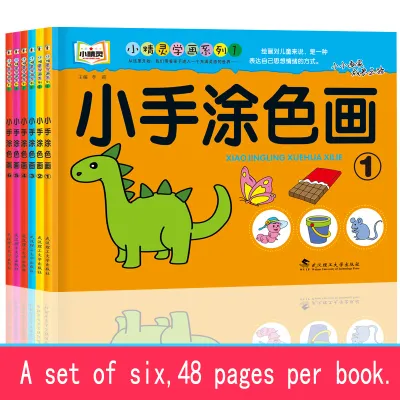
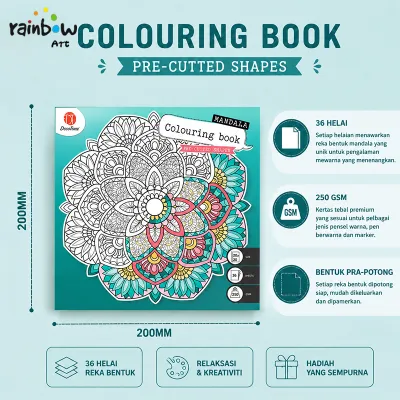
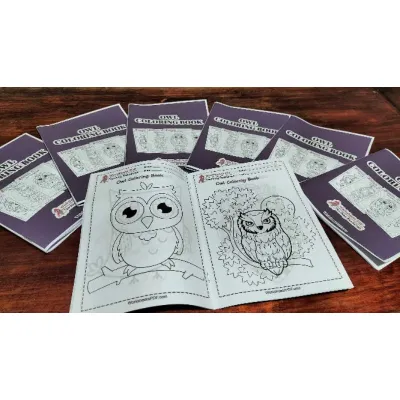
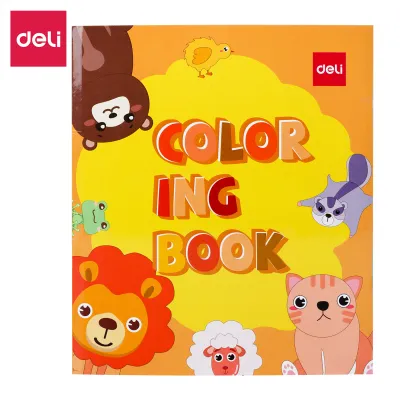
Prices are valid at publication and may change. Please refer to the product page for the latest price.
In tropical climates like the Philippines, ambient humidity can naturally soften paper fibers over time, making low-grade paper even more susceptible to ripping under friction. When shopping for your art kit, do not rely solely on a visual inspection of the book’s thickness. Look at the product specifications on the packaging or publisher’s description for terms like “heavyweight paper,” “bleed-resistant,” or “cardstock-like.” If these details are not listed, you can perform a quick manual test by gently feeling the page texture; a smooth, dense, and rigid sheet is always preferable to a rough, newsprint-style page.
Thick Pages for Markers and Paints
If your toddler’s art starter kit includes wet mediums like washable markers, dot markers, or introductory watercolors, heavy-duty paper is non-negotiable. Standard coloring book paper, which is often around 70 to 80 gsm (grams per square meter), will quickly saturate when exposed to liquid inks. This causes the paper to buckle, warp, and pill—forming tiny, frustrating balls of wet paper pulp under the marker tip.
To prevent this, look for books featuring thick cardstock or heavyweight paper (ideally 120 gsm or higher). This thickness ensures that wet inks are absorbed evenly without bleeding through to the next illustration or ruining the table underneath. Using single-sided pages is another excellent safeguard, as it guarantees that even if a highly saturated spot does bleed slightly, it will not destroy a secondary drawing on the reverse side.
Standard Pages for Crayons and Pencils
If your starter kit is built around dry mediums—such as jumbo wax crayons, organic beeswax blocks, or thick triangular colored pencils—standard-weight paper is highly practical and cost-effective. Dry mediums do not introduce moisture to the paper, meaning the risk of buckling or bleed-through is virtually nonexistent.
Standard-weight books are often lighter and contain a higher page count for the same price point, providing more coloring opportunities for your budget. These lighter books are also much easier for small hands to lift, carry, and turn independently. When using dry crayons, the natural texture of standard paper can actually provide a satisfying tactile feedback that helps toddlers understand how much physical pressure is required to leave a mark on the page.
Choosing Simple Designs for Early Motor Skills
Toddlers are in the early schematic and scribbling stages of physical development. Their hand muscles are still forming, and they primarily use a palmar grasp (holding the writing tool with a closed fist) before transitioning to a mature pincer grasp. Consequently, complex, highly detailed coloring pages with dozens of small segments are developmentally inappropriate and can cause a child to lose interest.

Instead, prioritize books that feature clean, minimalist designs with thick, heavy black outlines. These bold borders—ideally between 3mm and 5mm wide—serve as visual and physical “bumpers.” While toddlers will naturally color outside the lines, these distinct boundaries help them visually process where one shape ends and another begins, gradually training their hand-eye coordination as they practice staying within the lines.
Single-Object vs. Scene Pages
For a toddler’s first coloring book, single-object pages are vastly superior to busy, multi-element scenes. A page featuring a single, isolated image—such as a large apple, a simple car, or a smiling star—allows the child to focus their limited attention span on a single, achievable task. Completing a single object gives them a quick sense of accomplishment, which reinforces their desire to keep practicing.
In contrast, a complex scene depicting an entire forest filled with multiple animals, trees, grass, and clouds can be visually overwhelming. A toddler may not know where to start, or they may simply scribble across the entire page in frustration, missing the developmental benefits of identifying and coloring distinct shapes. Save the detailed scenes for older preschool stages and stick to bold, isolated objects for the starter kit.
High-Contrast and Recognizable Shapes
Look for illustrations that depict familiar, everyday items that your child recognizes from their daily life. Images of common animals, household objects, simple vehicles, and basic fruits or vegetables serve a dual purpose: they keep the child engaged while supporting cognitive development and language acquisition.
As your toddler colors, you can turn the activity into an interactive learning session by naming the object, describing its color, or mimicking the sound it makes. Ensure the book leaves plenty of open white space around the main illustration. This empty space prevents visual clutter and provides a dedicated area where the child can freely scribble and experiment with their grip without feeling restricted by the boundaries of the drawing.
Selecting the Right Binding for Small Hands
An often-overlooked aspect of choosing a coloring book for toddler is the binding type. The physical mechanics of how a book opens and stays flat can significantly impact a toddler’s comfort and ergonomics. If a book constantly tries to spring shut, the child must use one hand to forcefully hold the pages down while trying to color with the other, which quickly fatigues their developing muscles.
To create a comfortable, independent coloring environment, select a binding style that accommodates a toddler’s natural physical movements. The book should lie flat on a child-sized table, a high chair tray, or the floor without requiring constant adult intervention to keep it open.
Spiral and Wire-O Bindings
Spiral and wire-O bindings are highly functional options for a toddler’s art kit. These books can open a full 360 degrees, allowing you to fold the unused pages completely behind the active page. This design saves valuable table space on small high chair trays and keeps the paper perfectly flat against the coloring surface.
When choosing a spiral-bound book, always check the quality and safety of the binding material. Opt for thick plastic spirals or metal wires with smoothly tucked-in ends. Avoid cheap, thin wire bindings that can easily bend out of shape, unravel, or expose sharp, scratchy edges to curious little fingers.
Lay-Flat and Tape Bindings
Glued lay-flat bindings and tape bindings offer a highly durable, spine-safe alternative to spiral books. These books utilize advanced adhesive techniques that allow the pages to open wide and lie flat without cracking the spine or causing pages to fall out.
Because they lack external coils, lay-flat books are incredibly robust and safe, with zero risk of sharp edges. They are easy to stack, pack, and toss into a diaper bag or backpack for trips to the mall, family gatherings, or long car rides. This makes them an excellent choice for families who need a portable art kit that can survive rough handling.
Perforated Pages
Perforated pages are one of the most practical convenience features you can look for in a stationery product. A clean, easy-tear perforation allows you to remove a single sheet from the book before your toddler begins coloring.
This setup offers several distinct advantages:
- Stability: You can tape the single sheet directly to the table or an easel, preventing the paper from sliding around as the child colors.
- Mess Prevention: Removing the page completely eliminates the risk of heavy marker ink bleeding through and ruining the subsequent drawings in the book.
- Display Utility: It allows you to easily display your child's finished artwork on the refrigerator or wall without having to awkwardly tear or cut the page out of a bound spine.
Recommended Coloring Book Formats for Your Starter Kit
To build a versatile art starter kit, consider incorporating a few different coloring book formats. Having a variety of styles ensures that you have the right tool for different environments, whether you are at home on a rainy afternoon or trying to keep your child calm in a quiet public space.
Water-Reveal and Mess-Free Books
Water-reveal books are an absolute essential for any toddler’s travel art kit. These books feature thick, specially coated board pages that display vibrant colors when wet. They come with a refillable water-filled pen that the child uses to “paint” the pages.
As the water dries over ten to fifteen minutes, the colors fade away, making the book completely reusable. This format is ideal for dining out, long car rides, or flights, as it carries zero risk of ink stains on clothes, car seats, or restaurant furniture. It also helps young toddlers practice their pencil grip and hand movements before they transition to pigmented markers and paints.
Jumbo or Giant Coloring Pads
Oversized or jumbo coloring pads, often measuring 11×14 inches or larger, are perfect for home-based floor play or easel use. Because toddlers naturally use broad, sweeping arm movements (gross motor skills) before they develop fine finger control, a larger canvas accommodates these expansive motions beautifully.
These giant pads are typically bound at the top with a simple glue strip, making it incredibly easy to tear off a sheet and lay it on the floor. The large surface area also makes these pads ideal for cooperative play, allowing siblings, friends, or parents to sit together and color the same page without bumping elbows.
Themed Chunky Board Books
For the youngest toddlers (ages 1 to 2) who are still prone to tearing, crumpling, or chewing on standard paper, chunky board books with black-and-white coloring outlines are the perfect introduction. These books feature ultra-thick, rigid cardboard pages that are virtually indestructible.
Because the pages are coated, they are best paired with dry, wipeable crayons or specialized multi-surface beeswax blocks. Once the child is finished coloring, you can easily wipe the wax off with a damp cloth to reuse the book, making it a highly sustainable and durable addition to a beginner art kit.
Frequently Asked Questions (FAQ)
At what age should a toddler start using a coloring book?
Most toddlers are ready to start using a coloring book between 15 and 18 months of age. At this stage, they are developing the physical ability to grasp a chunky crayon and understand the cause-and-effect relationship of making marks on paper. Early use will consist almost entirely of random scribbling, which is a vital developmental step; structured coloring inside the lines typically does not begin until around age three.
Should I buy single-sided or double-sided coloring books for toddlers?
Single-sided coloring books are highly recommended for toddlers. They prevent heavy marker ink or watercolor paints from bleeding through and ruining the drawing on the back of the page, which can be deeply disappointing for a young child. Single-sided pages also make it much easier to tear out, display, or frame your child’s completed artwork without sacrificing another illustration.
Community discussion
Share your experience or ask a question. Comments are reviewed before publication.