
When selecting a yellow pad for school or office use, the most important specifications to compare are paper weight and texture, physical dimensions and ruling, and the structural support provided by the binding and backing board. There is no single universal standard; the right choice depends entirely on your preferred writing instruments, whether you write at a desk or on the go, and how you plan to store or file the finished pages. By evaluating these core dimensions against your specific workflow, you can identify the pad that offers a highly comfortable writing experience and a seamless organizational fit.
In tropical environments like the Philippines, where high relative humidity can soften paper fibers and prolong ink drying times, choosing the right paper specifications becomes even more vital. A pad that performs beautifully in a dry, air-conditioned office might feather or smudge when used in a humid classroom. Understanding how paper weight, surface finish, and structural backing interact with your environment and tools will prevent the frustration of torn pages, bleeding ink, and flimsy writing surfaces.
Paper Quality and Writing Experience
The paper quality of a yellow pad directly dictates how well it handles different writing instruments. Paper weight is typically measured in grams per square meter (gsm) or pounds (lbs), indicating thickness and density. For standard ballpoint pens, a lighter paper weight of around 56 gsm to 60 gsm is often sufficient, as oil-based ink sits on top of the paper fibers. However, if you prefer gel pens, rollerballs, or fountain pens, these water-based inks require a heavier paper weight, such as 70 gsm or 80 gsm, to prevent the ink from soaking through to the other side.
Products mentioned in this guide
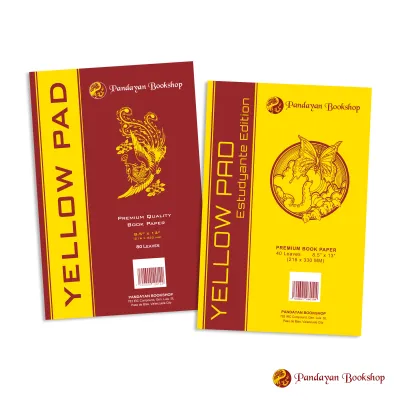
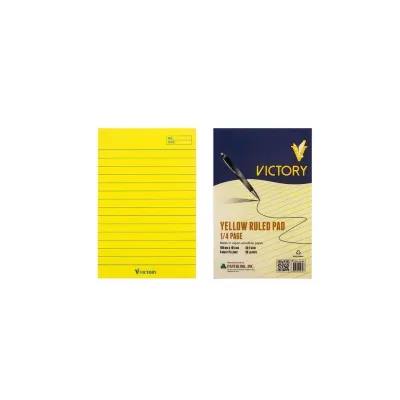
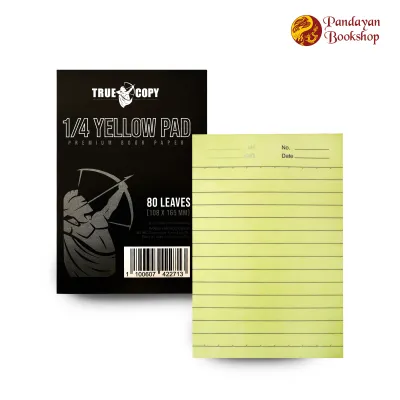
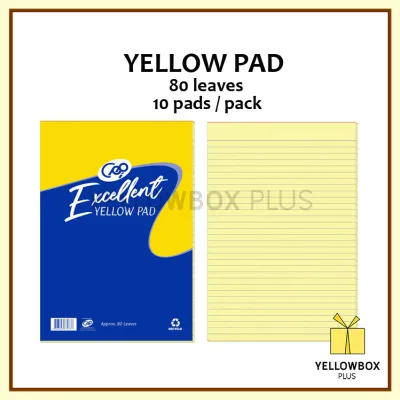
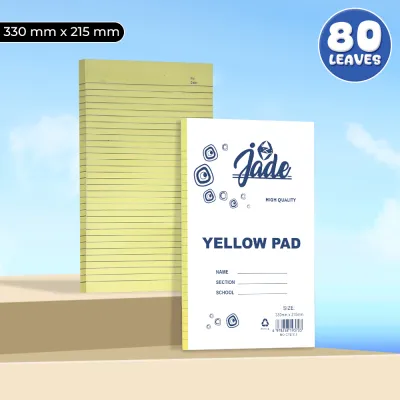
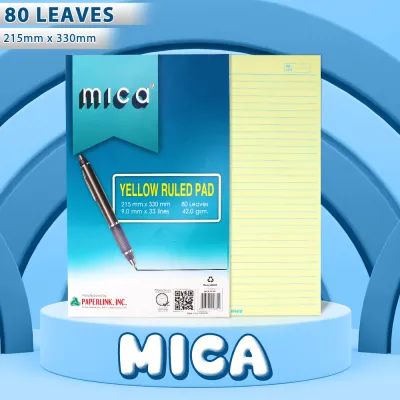
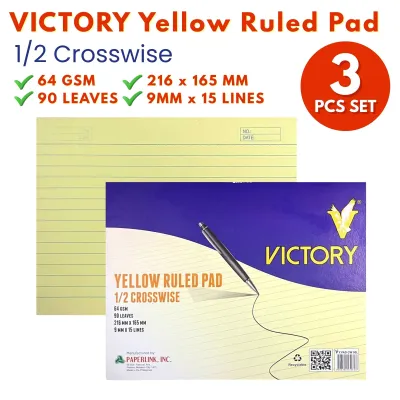
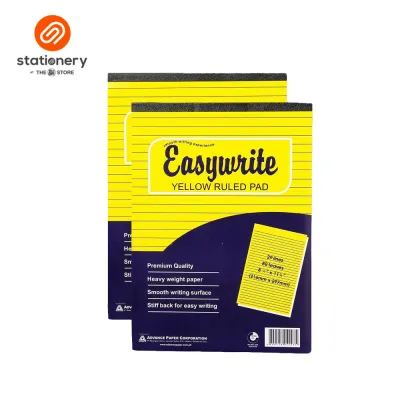
Prices are valid at publication and may change. Please refer to the product page for the latest price.
Bleed-through and feathering are common issues that can ruin notes, especially in humid conditions where paper naturally absorbs ambient moisture. When evaluating yellow pads, check the manufacturer labels for terms indicating high opacity or bleed resistance. Do not assume that all yellow-tinted paper performs identically; some budget pads use highly porous, unrefined wood pulp that allows ink to spread laterally (feathering) or seep through (bleeding), while premium options utilize sizing agents to seal the surface. If you plan to write on both sides of the sheet, prioritizing high-opacity paper is essential to minimize “ghosting,” which is the visible shadow of writing from the reverse side.
Surface texture, often described as either smooth or toothy, is another critical factor in writing comfort. Smooth paper allows gel and fountain pens to glide effortlessly across the page, which reduces hand fatigue during long lectures or extended drafting sessions. However, extremely smooth surfaces can extend the drying time of wet inks, increasing the risk of smudging as your hand moves across the line. Conversely, paper with a slight “tooth” or texture provides more resistance, which is highly beneficial for pencil users and ballpoint pens, as it helps the graphite or ink transfer cleanly. Testing a single sheet with your favorite pen is the most practical way to verify how the paper texture handles your specific writing speed and ink flow.
Size, Format, and Ruling Options
Physical dimensions play a major role in how a yellow pad fits into your daily routine. The two most widely available sizes are Letter (8.5 by 11 inches) and Legal (8.5 by 14 inches). Legal-sized pads offer extra vertical space, making them highly practical for drafting long-form legal briefs, taking continuous meeting minutes, or sketching out complex flowcharts without interrupting your train of thought to flip the page. However, their longer profile can make them awkward to carry in standard backpacks or messenger bags. Letter-sized pads, on the other hand, match standard printer paper dimensions, making them highly portable and easy to file alongside other office documents.

The ruling, or line spacing, on a yellow pad determines how much information you can fit on a single page and how neat your handwriting will appear. Wide ruling (often called Legal rule) features a spacing of approximately 11/32 inches, which is well-suited for those with larger handwriting, primary school students, or anyone who prefers generous spacing for editing and adding annotations between lines. College ruling, with a tighter spacing of 9/32 inches, is the standard choice for high school and university students, as well as office professionals, because it maximizes the usable writing area while maintaining readability. Narrow ruling (1/4 inch) is less common but highly efficient for compact handwriting and dense data recording.
Beyond line spacing, examine the layout of the margins and headers. Standard yellow pads feature a red vertical margin line on the left side, creating a clear boundary for bullet points, action items, or filing codes. Some specialized pads include a wider left margin or a pre-printed header section at the top of each page for dates, project titles, and page numbers. If your organizational system relies on quick scanning and chronological filing, choosing a pad with a dedicated header space will save you the time of manually drawing lines and labels on every new sheet.
Binding, Perforation, and Backing Support
The structural integrity of a yellow pad depends heavily on its top binding and perforation quality. Most yellow pads are bound at the top using a strip of heavy-duty paper or plastic tape secured with adhesive. The strength of this glue determines whether the pad stays intact when tossed into a bag or flipped open repeatedly. If the adhesive is too weak, pages may begin to detach prematurely from the binding, leading to lost notes. Look for pads with a secure, stitched, or stapled top binding hidden beneath the protective tape, as these mechanical fasteners provide far greater durability than glue alone.
Perforation is the line of tiny, pre-cut holes just below the top binding that allows you to tear pages away cleanly. High-quality perforation is deep and consistent, enabling you to remove a sheet with a single, smooth pull without ripping the top margin or leaving a jagged, messy edge. Poorly perforated pads often tear unevenly, which can ruin important documents and make them difficult to file. When shopping, gently bend the top of the pad to inspect the perforation; the cuts should be clean and visible across the entire width of the paper, without any uncut gaps that could cause snagging.
For those who frequently write without the support of a desk—such as field researchers, construction inspectors, or students sitting in lecture halls with small tablet armchairs—the backing board is a critical specification. The backing board, or chipboard, is the thick cardboard sheet at the very bottom of the pad. A thin, flexible backing board will bend under the pressure of your hand, making it nearly impossible to write legibly while holding the pad. A high-quality pad features a thick, rigid backing board (often labeled as “extra thick” or “double-stiff”) that provides a solid, desk-like writing surface anywhere. Additionally, if you plan to store your torn pages in a binder, look for pads that come pre-punched with two or three holes along the left margin, which eliminates the need to manually punch holes later.
Decision Framework: Matching Pads to Your Workflow
To select the right yellow pad, match the specifications of the pad to your primary writing environment and organizational habits.
Choose a heavy-duty, desk-optimized pad if you work primarily in a dedicated office or study space, use gel or fountain pens, and file your notes systematically. This configuration typically features:
- Paper Weight: 70 gsm to 80 gsm to resist ink bleed-through and feathering.
- Dimensions: Standard Letter size (8.5 by 11 inches) for easy filing.
- Ruling: College rule for dense, neat note-taking.
- Features: Pre-punched 3-hole margins and a clean, micro-perforated top edge for seamless integration into standard ring binders.
Choose a portable, field-ready pad if you are constantly on the move, write on your lap or clipboard, and need to jot down quick, temporary notes. This configuration typically features:
- Paper Weight: 56 gsm to 60 gsm, which is lightweight and cost-effective for quick drafts.
- Dimensions: Legal size (8.5 by 14 inches) for maximum writing space per page, or a compact junior size (5 by 8 inches) for easy carrying.
- Backing: An extra-thick, rigid chipboard backing that eliminates the need for a desk or clipboard.
- Binding: Stapled or stitched top binding to prevent pages from falling out during transit.
Verify first if you have specific archival or equipment requirements before purchasing in bulk. If you intend to archive your handwritten notes for several years, check the packaging to ensure the paper is acid-free, as standard wood-pulp paper can yellow further and become brittle over time. If you plan to scan your handwritten notes using document feeders or mobile scanning applications, verify that the yellow tint is light enough to provide high contrast for digital optical character recognition (OCR) software.
Frequently Asked Questions (FAQ)
Why are yellow pads traditionally yellow instead of white?
The traditional yellow color of these pads is widely believed to have originated from a desire to reduce eye strain and improve readability. The soft yellow hue provides a high-contrast background for dark inks, such as black and blue, without the harsh glare that bright white paper can reflect under direct sunlight or fluorescent office lighting. Additionally, in the early days of paper manufacturing, dye was used to mask inconsistent paper quality and color variations in recycled wood fibers, creating a uniform and recognizable product that quickly became a standard tool for legal professionals and students alike.
Can I use a yellow pad in a standard printer?
Feeding a standard yellow pad sheet through an office printer is not recommended due to significant mechanical risks. The paper used in yellow pads is typically thinner and more flexible than standard 80 gsm copy paper, making it highly prone to paper jams, especially if the top edge has residual glue or a torn, jagged perforation. Furthermore, the yellow dye and surface texture may not be optimized for the high heat of laser printers or the ink absorption rates of inkjet printers, leading to smudging or poor print quality. If you must print on yellow paper, check your printer manual for supported paper weights and feed mechanisms, and purchase dedicated yellow copy paper designed specifically for printer use.
Community discussion
Share your experience or ask a question. Comments are reviewed before publication.