
Finding a reliable acrylic paint set with brushes under a strict ₱500 budget requires balancing color variety with actual paint quality. At this price point, the most effective strategy is to prioritize sets that offer a smaller number of highly pigmented, student-grade colors and functional synthetic brushes, rather than oversized kits filled with low-quality craft paints and unusable tools. This guide outlines the exact specifications, trade-offs, and shopping checks needed to maximize your budget without compromising your creative projects.
Setting Realistic Expectations for a ₱500 Budget
When shopping within a ₱500 limit, you will generally encounter two types of acrylic paint: student-grade and craft-grade. Student-grade paints contain a higher concentration of actual pigment and a more reliable binder, which ensures the paint remains vibrant and does not crack easily after drying. Craft-grade paints, on the other hand, are often diluted with fillers, resulting in a chalky finish and poor coverage that requires multiple layers to look opaque.
To stay under budget, you must choose between quantity and quality. A set containing 24 or 36 tiny tubes of craft-grade paint might seem like a bargain, but the low pigment load means you will use twice as much paint to cover a surface. Opting instead for a set of 12 student-grade colors—typically in 12ml to 20ml tubes—gives you a solid foundation of primary and secondary colors that you can easily mix to create custom shades.
Products mentioned in this guide
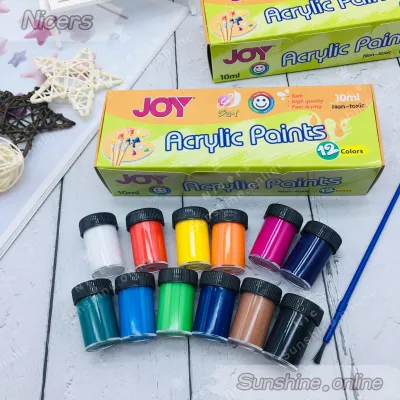
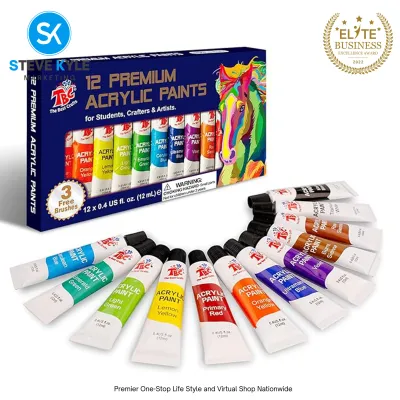
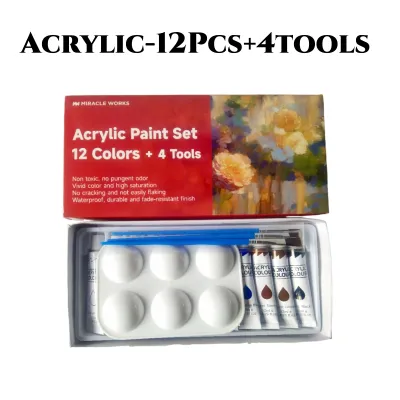
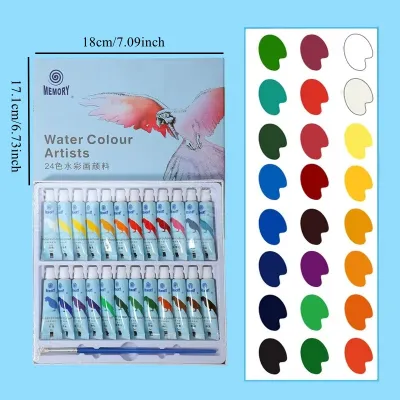
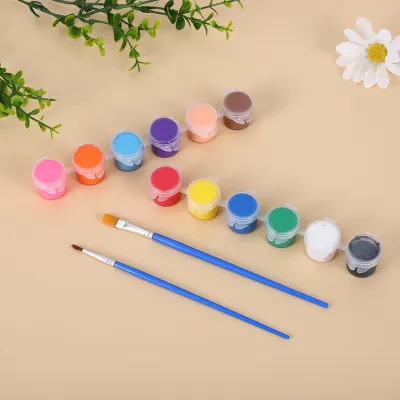

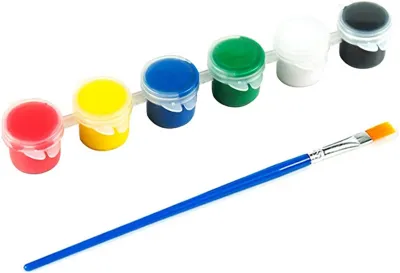
Prices are valid at publication and may change. Please refer to the product page for the latest price.
The quality of the bundled brushes also scales with the price. Budget sets under ₱500 usually include basic synthetic brushes. Rather than expecting a comprehensive professional brush roll, look for kits that provide three to five essential shapes, such as a flat brush for broad strokes and a round brush for details. This minimalist approach ensures that the manufacturer spent the budget on usable materials rather than filler items.
Key Specifications to Verify Before Checkout
Before finalizing your purchase, read the product packaging or online listing details carefully to verify the paint’s formulation. Look for indicators of binder quality, which is the acrylic polymer emulsion that holds the pigment together. High-quality student acrylics will list the binder type or describe the paint as “rich” or “creamy,” indicating a lower water content and a higher concentration of acrylic resin.

Drying time and finish are critical factors, especially in the warm, humid climate of the Philippines. High humidity can slow down the initial drying phase of acrylics, but it can also cause thick layers of low-quality paint to remain tacky or trap moisture, leading to mold or peeling over time. Check if the product specifies a matte, satin, or gloss finish, as this determines how the paint reflects light and how it will interact with varnishes or protective topcoats.
When working with budget acrylics, the choice of painting surface, or medium fit, is just as important as the paint itself. Standard drawing paper will warp and bleed under the moisture of acrylic paint, so look for heavy-duty mixed media paper or watercolor paper with a minimum weight of 300 gsm (grams per square meter). To verify the paint’s actual performance—such as its smoothness, drying speed, and water resistance—conduct a simple trial on a scrap piece of your chosen paper. Apply a thin layer to observe how quickly it dries to a water-resistant finish, and check if the dried layer remains flexible or if it cracks when the paper is slightly bent.
Safety is another essential consideration, particularly if the paint set is intended for students, hobbyists, or home use. Ensure the packaging displays safety certifications such as ASTM D-4236 (conforming to non-toxic standards) or EN71 (European toy safety standards). These labels guarantee that the pigments do not contain harmful heavy metals or toxic solvents, making them safe for prolonged skin contact and indoor use without specialized ventilation.
Assessing the Quality of Included Brushes
The brushes included in a budget acrylic set can make or break your painting experience. Acrylic paint is heavy and highly alkaline, which can quickly degrade natural hair brushes like sable or hog bristle. For this medium, synthetic bristles made of nylon or polyester are the industry standard because they are resilient, retain their springiness when wet, and are easy to clean with plain water.
Examine the construction of the brush, focusing on the ferrule—the metal band that connects the bristles to the handle. A secure, double-crimped ferrule is vital; loose ferrules allow water to seep into the wooden handle, causing the wood to swell, crack, and shed bristles onto your wet canvas. If you are shopping online, zoom in on the product photos to check if the ferrule looks seamless and tightly pressed against both the bristles and the handle.
The shape of the brush tip determines the precision of your strokes. When wet, a high-quality round brush should taper to a fine point, while a flat brush should maintain a sharp, straight edge without splaying outward. Since budget sets do not offer refills or individual replacements, maintaining your brushes is crucial for longevity. Always keep your brushes resting in water while painting to prevent acrylic paint from drying in the bristles, which ruins the tip shape, and wash them thoroughly with mild soap immediately after your painting session.
Finally, consider the scale of your intended projects. If you plan to paint on small canvases, sketchbooks, or wooden crafts, a set containing a size 2 round brush and a size 6 flat brush is highly versatile. Avoid sets that only include extremely tiny detail brushes or oversized wash brushes unless they align specifically with your project goals, as mismatched brush sizes will hinder your progress and force you to buy replacements.
Navigating Online Stores and Avoiding Value Traps
E-commerce platforms are filled with attractive listings, but finding a genuine deal requires an analytical approach. Instead of looking at the total number of pieces in a kit, calculate the cost per milliliter of paint. For example, a set of twelve 12ml tubes provides 144ml of paint in total; if the set costs ₱350, you are paying approximately ₱2.43 per milliliter. Comparing sets using this metric prevents you from overpaying for bulky packaging or useless plastic accessories.
Be skeptical of product photos that use digital mockups or forced perspective to make paint tubes and brushes look larger than they are. Always check the written specifications for the exact volume (usually in milliliters or fluid ounces) and the physical length of the brushes. Reading customer reviews, especially those with uploaded photos and videos, offers a realistic view of the product’s actual size and performance.
Lastly, remember to factor shipping fees into your ₱500 budget. Shipping rates in the Philippines vary significantly depending on whether the seller is located in Metro Manila, provincial Luzon, Visayas, or Mindanao. To keep your total checkout price strictly under ₱500, look for sellers within your region, utilize platform shipping vouchers, or bundle your purchase during major monthly sales events to minimize delivery costs.
Frequently Asked Questions (FAQ)
Can I use student-grade acrylics for professional canvas painting?
Student-grade acrylic paints are excellent for practice, color mixing exercises, and sketching, but they have limitations when it comes to professional, archival work. These budget-friendly paints contain lower pigment concentrations and more fillers, which can result in less vibrant colors and reduced lightfastness—meaning the colors may fade over time when exposed to sunlight. For professional pieces intended for sale or long-term display, upgrading to artist-grade acrylics with high lightfastness ratings is recommended, though student-grade sets remain perfect for learning the medium.
What should I do if the included brushes are too stiff?
New synthetic brushes often arrive with a stiff coating of starch or gum arabic, known as sizing, which protects the bristles during shipping. To soften them, gently massage the bristles under lukewarm water until the coating dissolves, avoiding hot water which can melt the glue inside the ferrule. If the bristles remain stiff or scratchy after washing, you can repurpose them for dry brushing techniques, creating textured backgrounds, or applying gesso and varnishes, rather than using them for delicate detail work.
Are refillable water brushes a good alternative to standard brushes?
Refillable water brushes, which feature a plastic water reservoir in the handle, are designed primarily for water-soluble mediums like watercolors or water-soluble inks. They are not recommended for acrylic paint because acrylics dry into a water-resistant plastic film that can easily clog the internal valve and ruin the brush permanently. Standard synthetic brushes remain the best choice for acrylic painting, as they allow you to control the water ratio manually on your palette and are much easier to clean thoroughly.

Community discussion
Share your experience or ask a question. Comments are reviewed before publication.