
Your desk is more than just a functional surface where work happens; it is a visual representation of your daily focus, creativity, and personal style. In a world dominated by digital notifications, a physical calendar serves as a grounding anchor that keeps you connected to the passage of time without the constant distraction of screen alerts. Choosing a calendar for desk aesthetic purposes is a deliberate design decision that bridges the gap between productivity and personal expression.
The ideal calendar does not merely sit on your desk to show the date; it harmonizes with your workspace’s materials, textures, and color palette to create an inspiring environment. By aligning the physical format, paper quality, and visual design of your calendar with your existing setup, you can transform a simple organizational tool into a centerpiece of daily inspiration.
Diagnose Your Personal Style and Current Desk Theme
Before browsing online marketplaces or local stationery boutiques, take a step back and conduct a visual audit of your current workspace. The most common mistake is purchasing a desk calendar solely because it looks beautiful in isolation, only to find that its colors clash or its size overwhelms your desk once it arrives. To avoid this visual friction, start by evaluating the dominant color palettes of your room and desk. Look at your largest surfaces: is your desk made of warm oak, dark walnut, white laminate, or glass? Note the color of your desk mat, as this is the immediate backdrop for your calendar. If you use a neutral grey felt mat, a calendar with warm cream tones might feel slightly discordant, whereas a crisp white or cool-toned calendar will integrate seamlessly.
Products mentioned in this guide

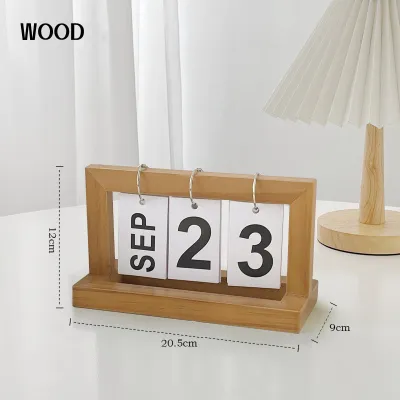
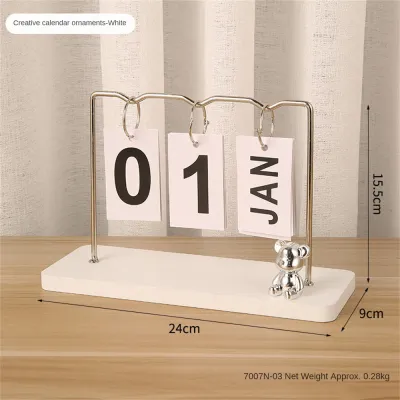
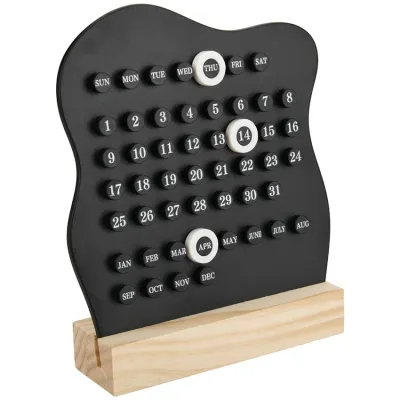
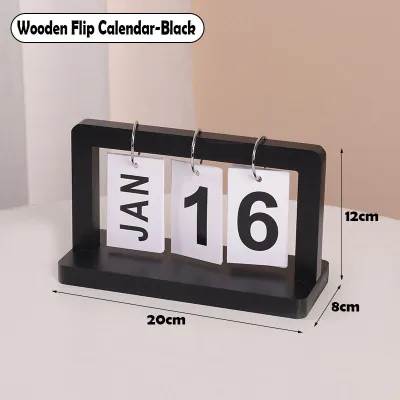
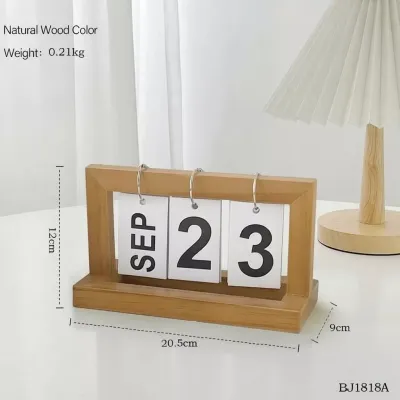
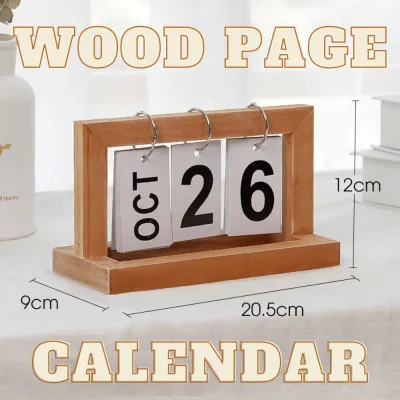
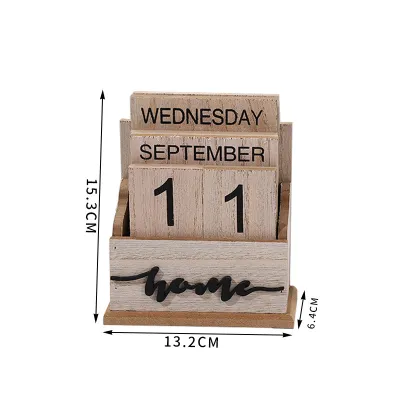
Prices are valid at publication and may change. Please refer to the product page for the latest price.
Next, examine the materials and finishes of your existing desk accessories. If your monitor stand, pen cup, and keyboard are made of matte black aluminum or space gray metal, your space naturally leans toward a modern, structured look. Conversely, if your desk is adorned with ceramic mugs, brass trays, and leather-bound notebooks, your environment is rich in warm, organic textures. Finally, consider your visual preferences regarding clutter and layout. Some professionals thrive in a hyper-minimalist environment where only the essentials are visible, while others feel inspired by a layered, cozy setup filled with postcards, art prints, and textured stationery.
To help categorize your current workspace, identify which of these four common aesthetic archetypes best describes your setup:
- Minimalist: Characterized by clean lines, monochromatic or highly muted color schemes, hidden storage, and an absence of unnecessary ornamentation.
- Vintage/Retro: Defined by warm wood tones, brass accents, classic leather goods, aged paper textures, and a cozy, academic atmosphere.
- Kawaii/Cozy: Filled with soft pastel colors, rounded shapes, playful desk toys, cute illustrations, and a warm, inviting feel.
- Botanical/Natural: Centered around indoor plants, natural wood grains, earthy tones like sage and terracotta, and organic textures like linen or cork.
Match Calendar Visuals to Your Identified Aesthetic
Once you have diagnosed your workspace archetype, you can translate these visual cues into specific design elements when searching for your calendar. The typography, illustration style, color palette, and layout of a calendar are the primary drivers of its visual identity, and selecting the right combination will ensure your new organizer feels like a natural extension of your desk.

Minimalist and Clean Setups
For a minimalist workspace, the key is restraint and structural clarity. Look for calendars that prioritize ample white space, allowing the layout to breathe without the distraction of decorative borders or unnecessary illustrations. The typography should feature clean, sans-serif typefaces like Helvetica, Futura, or minimalist serif fonts with delicate line weights. Color palettes should remain strictly monochromatic or muted, utilizing shades of cool gray, stark white, charcoal, or soft beige. The grid layout should be highly structured and functional, presenting the dates clearly without any graphic elements competing for your attention. A minimalist calendar acts as a quiet, functional sculpture on your desk, elevating the space through its precise proportions and clean execution.
Vintage, Retro, and Dark Academia Themes
If your workspace is inspired by the warmth of a classic library or the cozy intellectualism of Dark Academia, your calendar should evoke a sense of history and craftsmanship. Seek out designs that feature classic serif typography, such as Garamond, Baskerville, or elegant, hand-drawn calligraphy that mimics historical documents. The color scheme should lean heavily into warm sepia tones, ivory, deep forest green, navy blue, and rich burgundy. Look for calendars that incorporate archival-style photography, botanical sketches, vintage astronomical charts, or literary quotes. The paper itself should have a textured, off-white, or cream finish that feels substantial and aged, complementing brass pen holders and leather desk mats beautifully.
Kawaii, Cozy, and Soft Aesthetics
For those who prefer a workspace that feels like a warm, cheerful sanctuary, a cozy or kawaii calendar is the perfect addition. This style prioritizes soft pastel color palettes, featuring gentle hues of peach, lilac, mint green, baby blue, and soft yellow. The typography should be playful, rounded, or styled to look like friendly handwriting. Look for calendars adorned with hand-drawn illustrations, cute character designs, or whimsical seasonal doodles. Many cozy calendars also include interactive elements, such as sheet stickers for marking special occasions, mood trackers, or dedicated spaces for doodling and habit tracking. The layout should feel approachable and warm, turning the daily task of checking the date into a small moment of joy.
Botanical and Nature-Inspired Workspaces
To bring the calming influence of the outdoors into your home office, choose a botanical calendar that celebrates natural motifs. These designs typically feature delicate watercolor florals, pressed leaf patterns, or detailed botanical illustrations that change with the seasons. The color palette should be deeply rooted in nature, showcasing earthy tones like sage green, terracotta, mustard yellow, warm beige, and soft olive. Look for calendars printed on unbleached kraft paper, recycled fibers, or highly textured matte paper that retains an organic, tactile feel. This style pairs beautifully with wooden monitor risers, cork desk mats, and real indoor plants, creating a cohesive, biophilic workspace that reduces stress and fosters creativity.
Measure Desk Space and Choose the Right Calendar Format
While visual appeal is crucial, a desk calendar must also fit your physical environment and align with your daily workflow. Before making a purchase, it is vital to measure your available desk space to ensure the calendar does not crowd your keyboard or get lost behind other items.
Start by measuring the exact footprint—both width and depth—of the area where you intend to place the calendar. Additionally, do not forget to check the vertical clearance. If your calendar will sit directly beneath a dual-monitor setup, a low-hanging shelf, or a desk organizer, a tall calendar may block your screen or physically collide with your hardware. Once you have these measurements, you can choose from the three primary physical formats:
- Tent and Fold-Over Calendars: These are the most common and versatile formats, typically available in standard paper sizes like A5 or A6. They feature a triangular cardboard base that allows the calendar to stand upright, taking up very little horizontal depth (usually between 5 to 8 centimeters). Because they are double-sided, they allow you to view the current month on one side while keeping a notes section or a yearly overview on the reverse. They are highly efficient for medium-sized desks but require adequate vertical clearance.
- Block and Tear-Off Calendars: If horizontal desk space is at an absolute premium, a daily or weekly block calendar is an excellent choice. These compact cubes or small pads have a tiny footprint, often measuring less than 10 x 10 centimeters. They require daily interaction, as you tear off each day's page to reveal the next. This format is highly tactile and satisfying, making it ideal for those who enjoy a small daily ritual to start their workday, though they do not allow you to easily preview future weeks at a glance.
- Easel and Wire-Bound Pads: For larger desks where you have ample room to write, a flat desk pad or an easel-backed calendar is highly functional. Flat desk pads lay completely flat on your desk surface, often doubling as a small protective mat. They offer large, spacious grids that are perfect for jotting down detailed daily schedules, project deadlines, and reminders. Easel calendars, on the other hand, feature individual loose-leaf cards that sit on a separate wooden or metal stand, offering a highly premium, artistic display that can be easily moved around.
The binding type also plays a major role in how the calendar integrates with your daily routine. Wire-O and spiral bindings are incredibly durable and allow you to flip pages a full 360 degrees, which is ideal if you like to look back at previous months’ notes. Glued pad bindings are designed for clean, satisfying tear-offs, keeping your desk looking fresh and clutter-free. For a highly sustainable option, consider a ring-binder or easel system that uses a reusable wooden or acrylic base, allowing you to simply purchase paper refills each year.
Verify Paper Quality and Material Durability for Daily Use
A truly aesthetic desk calendar must perform as well as it looks. If the paper is thin or poorly manufactured, your favorite pens will bleed through, which ruins the clean look of the subsequent months and makes writing a frustrating experience.
When evaluating a calendar, pay close attention to the paper weight, which is measured in GSM (grams per square meter). Standard office printer paper is typically around 70 to 80 GSM, which is highly prone to ghosting and bleeding. For a quality desk calendar that you intend to write on, look for a minimum paper weight of 120 GSM. If you prefer using wet gel pens, fountain pens, heavy highlighters, or markers, aim for 150 GSM to 180 GSM. Heavy cardstock-grade paper ensures that ink remains crisp on the surface without seeping through to the other side.
Keep in mind that marketing terms like “bleed-proof,” “fountain pen friendly,” or “quick-dry” are highly subjective and depend entirely on the specific combination of your writing instrument and the paper’s surface coating. Smooth, highly coated papers are excellent for preventing ink feathering and keeping lines sharp, but they can significantly slow down drying times, leading to accidental smudges if you close or flip the page too quickly. Uncoated, slightly textured papers absorb ink almost instantly, reducing smudges, but they can cause wet inks to feather or spread. If you are unsure how your preferred pens will behave, perform a small ink test on an inconspicuous area, such as the notes section of the final month, before writing on the main calendar grids.
Beyond the paper, inspect the materials used for the stand or base. A flimsy cardboard stand will easily warp, slide, or tip over whenever you bump your desk. Look for bases crafted from solid beechwood, walnut, brushed brass, or heavy-duty, wrapped greyboard. If you have a smooth glass desktop or a slick synthetic desk mat, check if the base features non-slip rubber feet or a felt lining on the bottom to keep it firmly anchored. For daily tear-off calendars, examine the perforation line; a high-quality micro-perforation ensures that pages tear away cleanly and effortlessly, preventing unsightly jagged edges from ruining your pristine desk aesthetic.
Frequently Asked Questions (FAQ)
How do I prevent a paper desk calendar from warping in a humid climate?
In tropical and highly humid environments, such as during the monsoon season in the Philippines, paper naturally absorbs moisture from the ambient air. This absorption causes the wood fibers in the paper to expand unevenly, leading to unsightly curling, warping, or waviness along the edges of your calendar. To prevent this, position your calendar away from direct sources of moisture, such as open windows, air conditioning units that blow cold air directly onto your desk, or desk humidifiers. You can also use a small, elegant brass paperweight or a low-profile, aesthetic binder clip to hold the pages flat against the backing board. If your calendar pages do begin to curl, place the calendar flat under a stack of heavy books overnight in a dry, air-conditioned room to press the paper back into its original flat shape.
What is the best calendar format for a small or cluttered desk?
When desk space is highly limited, a mini vertical tent calendar or a compact block calendar with a footprint under 10 x 10 centimeters is the most efficient choice. These vertical designs utilize height rather than depth, keeping your daily schedule clearly visible without taking up the valuable surface area needed for your keyboard, mouse, or coffee mug. Another highly effective alternative is to opt for an aesthetic wall-mounted calendar or a magnetic calendar placed on a nearby metal surface, completely freeing up your desk space while maintaining your desired aesthetic.
Community discussion
Share your experience or ask a question. Comments are reviewed before publication.