
Finding the perfect erasable gel pen requires looking beyond the novelty of correcting mistakes on the fly. While these writing instruments offer the convenience of a pencil with the clean, professional look of ink, their performance depends heavily on how you match their technical specifications to your daily tasks. Choosing the right pen involves evaluating tip sizes, understanding the unique chemistry of thermo-sensitive ink, and testing how the ink interacts with different paper types. By focusing on these core factors, you can find a reliable tool that keeps your notes clean, legible, and organized.
How Erasable Gel Ink Works and Its Limitations
Unlike traditional inks that dye paper fibers permanently, erasable gel pens utilize specialized thermo-sensitive ink. This ink contains microcapsules holding a color developer, a dye, and a temperature-sensitive controller. When you rub the built-in rubber tip against the paper, the resulting friction generates localized heat, typically reaching around 60°C. This heat triggers the temperature-sensitive controller to separate the dye from the developer, causing the ink to become completely transparent and effectively disappear from view.
Because this erasing process relies entirely on temperature changes rather than physical removal, it comes with strict usage limitations. You must never use erasable gel pens for signing legal contracts, writing checks, filling out official government forms, or completing graded examinations. If these documents are exposed to heat, your writing could vanish entirely, leading to severe administrative or legal complications.
Products mentioned in this guide
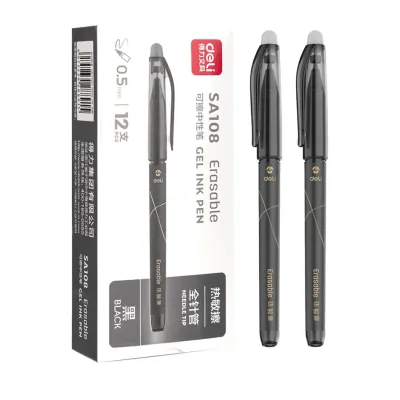
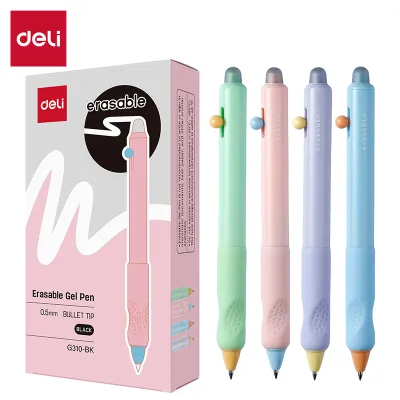
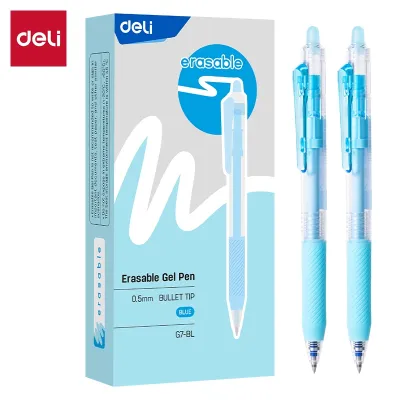
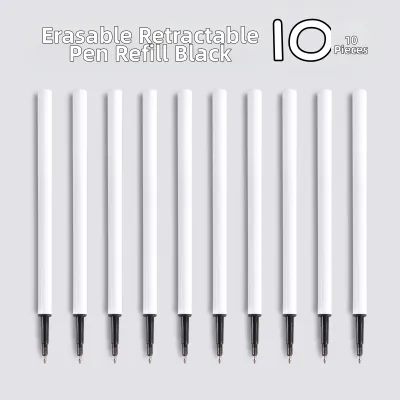
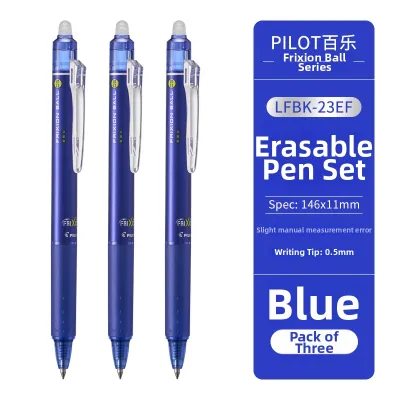
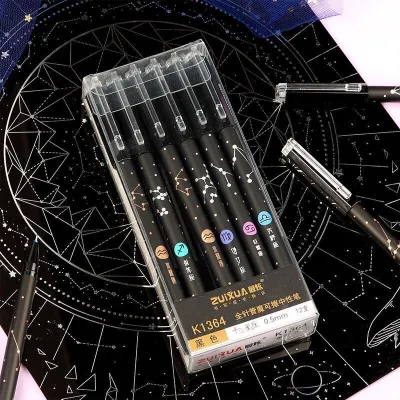
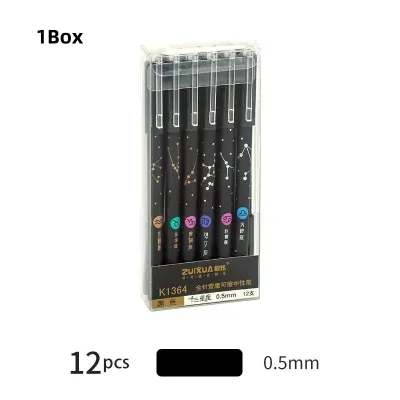
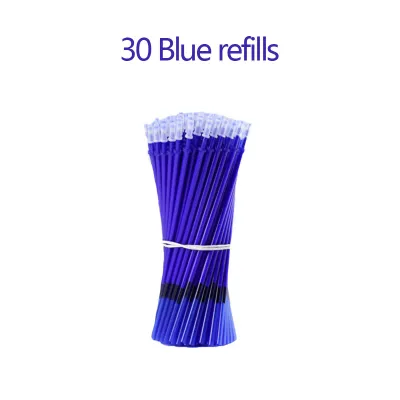
Prices are valid at publication and may change. Please refer to the product page for the latest price.
Environmental conditions play a massive role in how these pens perform, especially in warm, tropical climates. Leaving your notebook in a parked car under the sun or exposing your planner to direct sunlight can easily generate enough ambient heat to turn your entire page blank. Conversely, if you transport your notes to an air-conditioned room or expose them to cold drafts, the ink may begin to fade or behave unpredictably. Understanding these thermal boundaries is the first step in deciding where and how to integrate these pens into your daily routine.
Core Specifications: Tip Size, Ink, and Erasing
Selecting the ideal erasable gel pen requires a close look at three fundamental design pillars: the physical dimensions of the nib, the chemical behavior of the pigment, and the design of the erasing element. Each of these specifications directly influences your writing comfort, the legibility of your notes, and the longevity of your paper.

Tip Size and Line Width
The size of the pen tip determines both the thickness of your lines and the overall flow of the ink. Fine tips, typically ranging from 0.38mm to 0.5mm, are excellent for individuals with small, precise handwriting or those who need to cram detailed notes into tight margins. These smaller tips restrict ink flow, which helps the ink dry faster and reduces the risk of smudging on the page.
In contrast, medium and bold tips, measuring 0.7mm and above, deliver a much broader, wetter line that is ideal for bold headings, sketching, or signing non-official documents. However, because erasable gel ink tends to flow more generously than standard gel ink, the actual line width on paper can often appear slightly thicker than the engraved size on the metal nib. When browsing online marketplaces or local stationery shops, always check the manufacturer specifications for actual line width rather than relying solely on the tip number.
Ink Color Options and Visibility
When evaluating erasable gel inks, it is important to recognize that they generally offer less color saturation and vibrancy than their permanent counterparts. The chemical microcapsules required for the thermo-sensitive reaction make the ink slightly more translucent, meaning a standard black erasable pen will often look more like a dark charcoal gray on paper.
Standard dark colors like black and deep blue provide the highest contrast and are the most reliable options for daily writing and reading. If you prefer color-coding your notes, pastel, neon, or light green variants are widely available, but they carry a higher risk of fading over time. These lighter shades can become difficult to read under bright fluorescent office lights or direct sunlight, so they are best reserved for temporary highlights or decorative accents in personal planners.
Erasing Mechanism and Cleanliness
The erasing tool on an erasable gel pen is typically a specialized, hard silicone or rubber stud integrated into the cap or the end of the pen body. Unlike traditional rubber erasers that wear down and leave behind messy crumbs, these friction tips do not degrade or shed debris during use.
A well-designed friction tip should glide smoothly across the paper surface, generating heat quickly without requiring excessive downward pressure. When selecting a pen, look for ergonomic designs where the eraser is easily accessible and does not wobble during use. Be sure to check product labels or user reviews to ensure the rubber compound is formulated to prevent paper pilling, tearing, or leaving dark smudges behind when you attempt to correct a mistake.
Testing Paper Compatibility and Drying Time
The interaction between thermo-sensitive gel ink and your paper is one of the most critical factors determining your overall writing experience. Gel ink is water-based, meaning it requires a brief moment to absorb into the paper fibers and dry completely. If your paper is highly coated or non-porous, the ink will sit on top of the surface, leading to severe smudging and slow drying times.
To ensure your new pen performs well with your existing stationery, you should conduct a simple, observable paper compatibility test. Take a scrap sheet of your preferred notebook paper and draw a series of parallel lines. Using a timer, gently run your finger across the lines at intervals of two, five, and ten seconds to determine the exact drying time. Flip the page over to inspect the reverse side; look closely for any signs of feathering, where the ink bleeds outward along the paper fibers, or ghosting, where the shadow of the writing is visible from behind.
This testing process is especially crucial for left-handed writers, who naturally drag their hands across freshly written text. Because erasable gel formulations generally dry slower than standard ballpoint inks, left-handed users should prioritize fast-drying inks paired with finer 0.38mm or 0.5mm tips to minimize smudging. Additionally, highly textured or thin paper can easily pill or tear when subjected to the friction required for erasing, making smooth, medium-weight paper (around 80 gsm or higher) the ideal companion for erasable pens.
Building Your Shortlist by Use Case
To find the perfect erasable gel pen, you must align its physical features with your specific daily activities and environment. Different tasks demand different balances of precision, color variety, and drying speed.
Students and Note-takers
For students managing fast-paced lectures and dense study guides, efficiency and legibility are paramount. You should build your shortlist around fine-tip pens, specifically 0.5mm options, which offer a clean line that fits easily between standard notebook lines. Look for fast-drying ink formulas to prevent your hand from smearing your notes as you rush to keep up with the instructor. Stick to high-contrast colors like deep blue or black for your main body text, and use a secondary color like red or green solely for highlighting key terms or formulas.
Journaling and Planners
If your primary goal is creative journaling, bullet planning, or designing weekly layouts, your needs will lean toward color variety and clean correction. Look for multi-color sets that feature pastel, metallic, or brush-tip options to add visual interest to your spreads. Because planners often require frequent schedule adjustments, prioritize pens with highly durable, built-in erasers that allow you to wipe away old appointments cleanly without leaving ghost images or damaging the delicate paper of premium journals.
Office and Drafting
In a professional office or drafting environment, erasable pens can be incredibly useful for sketching rough diagrams, marking up temporary drafts, or organizing daily to-do lists. For these tasks, focus on professional colors like dark black and navy blue that look clean during meetings. However, because of the risks associated with thermo-sensitive ink, you must establish strict internal rules. Keep your erasable pens physically separated from your permanent signing pens, perhaps by using different colored pen bodies, to ensure you never accidentally sign an official document or client contract with erasable ink.
Pre-Purchase Checks and Storage Requirements
Before finalizing your purchase, taking a few moments to inspect the product packaging can save you from the frustration of buying dried-out or defective pens. Thermo-sensitive gel ink has a limited shelf life compared to traditional oil-based ballpoint inks. Over time, the chemical emulsion inside the cartridge can break down, causing the pigment to separate or lose its ability to turn transparent when heated.
When shopping at local stationery stores or browsing online marketplaces, look for manufacturing or expiration dates printed on the packaging. Always inspect the pens to ensure they have intact protective wax seals on the metal tips; these tiny plastic or wax beads prevent air from entering the cartridge and drying out the ink before its first use. If you are purchasing multi-packs, ensure the packaging is completely sealed and has not been exposed to direct sunlight on store shelves.
Once you bring your pens home, proper storage is essential to maintain their performance, especially in hot and humid climates. Store your pens horizontally or tip-down in a cool, dry drawer away from windows, radiators, or electronic devices that generate heat. If you plan to carry your pens in a bag, avoid leaving them in direct sunlight or inside a hot vehicle, as excessive heat can ruin the entire ink cartridge, rendering the pen unusable even before you write your first word.
Frequently Asked Questions (FAQ)
Can erased ink reappear if exposed to cold?
Yes, because the erasing process is a thermal reaction rather than physical removal, the ink is technically still on the paper, just in a transparent state. If you expose the paper to extreme cold, such as placing it in a household freezer at temperatures below -10°C, the chemical controller will revert to its original state, and the erased writing will reappear. However, you should note that the restored ink is often slightly fainter, less crisp, and more prone to smudging than the original application, meaning this method is best used for retrieving lost information rather than making permanent corrections.
How do I fix an erasable pen that is skipping?
If your erasable gel pen begins to skip or stop flowing smoothly, the issue is often caused by dried ink or paper fibers clogging the tiny ball at the tip. You can gently clean the metal nib by wiping it with a damp, lint-free cloth or scribbling lightly on a rubber surface like a clean eraser to dislodge any debris. Additionally, avoid leaving your pens in hot environments, which can cause the gel ink to expand and separate inside the cartridge; if this happens, storing the pen tip-down in a cool room for a few hours can help restore the proper ink flow.
Community discussion
Share your experience or ask a question. Comments are reviewed before publication.