
Personalizing an insulated tumbler has become a staple of daily life in the Philippines. Whether you are carrying an ice-cold drink to survive the tropical midday heat or keeping your morning coffee warm in an air-conditioned office, a customized flask reflects your personality. However, the combination of high humidity, condensation, and frequent washing means that standard paper labels or low-quality decals will quickly turn into a soggy, peeling mess.
Finding stickers that can withstand these demanding conditions requires looking beyond cute designs. You must understand the underlying materials, adhesive properties, and application techniques that ensure your decorations stay vibrant and intact. By focusing on technical specifications and smart shopping strategies, you can transform your drinkware into a durable piece of personal art.
Identifying the Right Materials and Finishes for Tumblers
When browsing for tumbler decorations, the base material is the single most critical factor determining longevity. Standard paper stickers, even those labeled as water-resistant, absorb moisture through their edges and quickly disintegrate when exposed to condensation or washing. For drinkware, you should exclusively look for synthetic materials such as vinyl (polyvinyl chloride or PVC) and PET (polyethylene terephthalate). Vinyl is highly flexible and naturally waterproof, allowing it to stretch slightly over curved surfaces without tearing. PET is exceptionally durable and dimensionally stable, making it excellent for clear, metallic, or ultra-thin designs that require a seamless look.
Products mentioned in this guide
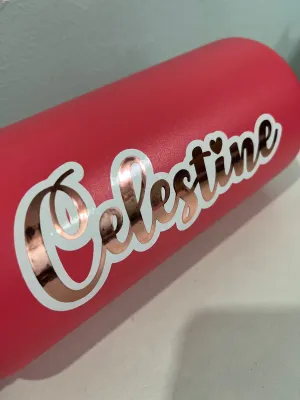

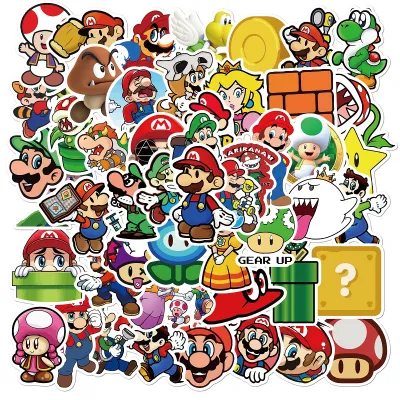
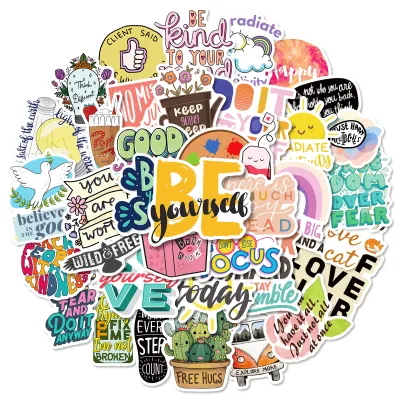
Prices are valid at publication and may change. Please refer to the product page for the latest price.
The presence of a protective laminate layer is what separates a standard sticker from a truly waterproof, scratch-resistant decal. Unlaminated vinyl stickers printed with dye-based inks will bleed or fade the moment they contact water or hand oils. A high-quality sticker features a dual-layer construction: a printed vinyl base topped with a clear protective laminate film. This laminate shields the printed ink from physical abrasion, UV rays from the intense tropical sun, and moisture. When evaluating product listings, look for terms like “laminated vinyl,” “die-cut vinyl decal,” or “weatherproof laminate” to ensure the design will not wash away.
Surface finishes also play a dual role in both aesthetics and durability. Glossy finishes are highly popular because their slick surfaces naturally shed water droplets and resist staining from beverages. Matte finishes offer a modern, non-reflective look that feels premium to the touch, though they can sometimes show surface scuffs more easily if rubbed against keys or bag zippers. Holographic, glitter, and metallic finishes utilize specialized multi-layer films that catch the light beautifully. However, these specialty finishes are often slightly thicker and stiffer than standard glossy vinyl, which can affect how easily they conform to tight curves.
Verifying manufacturer claims regarding durability requires a critical eye, especially when shopping online. Many sellers advertise their products as “100% waterproof” or “dishwasher safe,” but these terms are often used loosely. True dishwasher-safe stickers are rare because the high heat and intense water pressure of modern dishwashers can melt adhesives and warp vinyl. If you plan to use a dishwasher, look for stickers that explicitly state compliance with high-temperature wash cycles on their packaging. For most decorated tumblers, however, assuming the stickers are handwash-only is the safest approach to preserve their colors and adhesion.
Evaluating Adhesive Quality for Curved Surfaces
A sticker’s ability to stay attached to a tumbler depends entirely on the formulation of its adhesive backing. Tumblers present a unique challenge because they are cylindrical, tapered, or heavily textured. Standard flat-surface adhesives are designed for stationary items like laptops or notebooks and lack the holding power required to resist the constant outward spring force of a curved sticker. For drinkware, you need a permanent, pressure-sensitive acrylic adhesive that cures and bonds stronger over time.

Conformability is the physical property that allows a sticker to stretch and mold to a curved surface without lifting at the edges. Thicker stickers, while feeling substantial, often suffer from “tunneling” or edge-lifting when applied to tight radiuses, such as the neck of a flask. To prevent this, look for flexible, thin vinyl films—typically around 2 to 3 mils (thousandths of an inch) thick. These thin films can stretch slightly to accommodate the compound curves of tapered tumblers, ensuring that the entire adhesive surface makes contact with the container.
Understanding the distinction between removable and permanent adhesives will help you set realistic expectations for your customization projects. Removable adhesives are excellent if you enjoy changing your tumbler’s theme every few months, as they peel off cleanly without leaving sticky residue. However, they are far more susceptible to edge-lifting during washing or when slid into tight backpack side pockets. Permanent adhesives offer maximum durability and resistance to water ingress, but they will require a solvent like isopropyl alcohol or an adhesive remover to clean the surface when you eventually decide to remove them.
How to Find Reliable Stickers on E-Commerce Platforms
Navigating local online marketplaces to find genuine waterproof stickers requires strategic searching and careful review analysis. Broad search terms like “cute stickers” will return thousands of cheap paper options that are entirely unsuitable for drinkware. Instead, use highly specific search queries such as “waterproof vinyl stickers for tumblers,” “laminated die-cut decals,” or “car-grade vinyl stickers.” Car-grade or outdoor vinyl stickers are designed to withstand rain, car washes, and intense sunlight, making them incredibly durable options for personal drinkware.
Once your search results are filtered, prioritize listings from local sellers with high ratings and substantial transaction histories. Purchasing from local shops in the Philippines often ensures that the stickers have not been subjected to prolonged transit in hot, humid shipping containers, which can prematurely degrade the adhesive backing. More importantly, dive deep into the customer review section and filter for reviews that contain photos or videos. Look for images of the stickers actually applied to tumblers, and read the text specifically for feedback regarding how the stickers held up after several weeks of daily use and washing.
Be skeptical of generic product renders and look for authentic user-submitted photos to verify print quality and edge cutting. If multiple reviews mention that the ink started running after the first wash, or that the edges curled up within days, avoid that seller. Additionally, check if the seller offers custom printing services using “polymeric vinyl” or “solvent inks,” as these professional-grade materials offer far superior water and UV resistance compared to standard home-printed stickers made with desktop inkjet printers.
Application and Sealing Techniques for Maximum Durability
Even the highest-quality waterproof sticker will fail prematurely if the tumbler surface is not prepared correctly before application. The manufacturing process of stainless steel flasks often leaves behind microscopic oil residues, and daily handling transfers skin oils to the surface. To ensure a perfect bond, wash the tumbler thoroughly with grease-cutting dish soap and warm water, then dry it completely with a lint-free microfiber cloth. Follow this by wiping the application area with 70% isopropyl rubbing alcohol and letting it air dry completely; this step removes any remaining invisible oils that would prevent the adhesive from bonding.
Applying the sticker smoothly requires patience and a systematic approach to avoid trapping air bubbles, which can expand in the tropical heat and cause the sticker to lift. For larger decals, use the “hinge method” by peeling back only a small portion of the backing paper and aligning the exposed adhesive on the tumbler. Slowly peel away the remaining backing while using a plastic card wrapped in a soft microfiber cloth to squeegee the sticker down, working from the center outward. This technique forces air out and ensures maximum surface contact, especially over curved or tapered sections.
Once the sticker is applied, use your thumb to firmly press down along all the outer edges, as pressure-sensitive adhesives require physical pressure to activate their bonding properties. Let the decorated tumbler sit undisturbed for at least 24 to 48 hours before exposing it to water. This curing period allows the acrylic adhesive to flow into the microscopic pores of the tumbler’s surface, creating a significantly stronger bond than if it were washed immediately.
While high-quality laminated vinyl stickers do not strictly require an additional sealant, some users opt to apply a clear protective layer for extreme durability. If you choose to seal your stickers, avoid using standard craft glues, which dissolve in water. Instead, look for specialized clear vinyl overlay sheets that you can cut and place over your designs, or apply a thin layer of dishwasher-safe decoupage medium. If you decide to use liquid sealants, ensure they are fully cured according to the manufacturer’s instructions—often requiring several weeks—before submerging the tumbler in water.
Washing and Maintenance to Prevent Peeling
Proper maintenance is the key to extending the lifespan of your decorated tumbler from a few weeks to several years. Handwashing is the single most effective practice you can adopt to protect your stickers. Even if a sticker is marketed as dishwasher safe, the combination of intense heat, harsh detergents, and prolonged exposure to moisture will eventually break down the adhesive bond and cause the edges to curl. Wash your tumbler using cool or lukewarm water and a mild, non-abrasive dish soap.
When washing, completely avoid using the abrasive green or black scrubbing pads found on standard kitchen sponges, as these will scratch the protective laminate layer and ruin the printed design. Instead, use the soft yellow foam side of the sponge or a soft microfiber cloth to gently wipe the decorated areas. Never submerge or soak your decorated tumbler in a sink full of soapy water for extended periods. Soaking allows water to slowly seep under the edges of the stickers, dissolving the adhesive and causing them to peel off entirely.
After washing, gently pat the tumbler dry with a clean towel rather than letting it air dry in a humid environment. Pay close attention to the edges of the stickers; if you notice any minor lifting, immediately press the edge back down firmly with your thumb while the area is dry. Catching and pressing down minor lifts early can prevent water from getting underneath during the next wash, saving the sticker from peeling off completely.
Frequently Asked Questions (FAQ)
Can I use regular paper stickers if I seal them with epoxy?
Using regular paper stickers on a tumbler is highly discouraged, even if you plan to seal them with a thick layer of epoxy resin. Paper is naturally porous and absorbs moisture from the air, condensation, and the edges of the sticker itself. If even a microscopic gap exists in your epoxy seal, water will penetrate, causing the paper underneath to rot, discolor, and lift away from the metal. For successful drinkware customization, always start with an inherently waterproof vinyl or PET base material.
Why did my vinyl sticker peel off after a few washes?
Vinyl stickers typically peel off due to inadequate surface preparation, application over textured powder coatings, or insufficient curing time. If the tumbler surface had microscopic skin oils or soap residue when the sticker was applied, the adhesive could not form a proper bond. Additionally, heavily textured or powder-coated flasks have less flat surface area for the adhesive to grab onto, making edge-lifting more common. To prevent this, always clean the surface with isopropyl alcohol and allow the adhesive to cure for 24 to 48 hours before washing.
Are holographic or glitter stickers as durable as solid vinyl?
Holographic and glitter stickers are highly durable, but they do have slight structural differences compared to standard solid vinyl. These specialty stickers are constructed with multiple layers of metallic and light-refracting films, making them slightly thicker and stiffer. This added stiffness means they have a stronger tendency to spring back to their flat shape, increasing the risk of edge-lifting on highly curved or tapered tumblers. When using holographic designs, choose flatter areas of your tumbler and ensure you press the edges down firmly during application.
Community discussion
Share your experience or ask a question. Comments are reviewed before publication.