
When sourcing materials for your next sewing project, finding the right textile involves balancing aesthetics, durability, and wearability. Buying printed cotton fabric per yard offers a versatile canvas for custom apparel, home decor, and craft projects. However, the purchasing process requires careful evaluation to ensure the fabric performs well under local conditions. In the tropical climate of the Philippines, where high temperatures and humidity persist year-round, selecting the wrong fabric weight or print quality can lead to uncomfortable garments or rapidly fading designs.
To make a successful purchase, you must look beyond the visual appeal of a print. You need to verify the exact fiber composition, evaluate how the print was applied, calculate yardage while accounting for natural shrinkage, and navigate the unique measurement standards of the local market. Whether you are shopping in bustling physical textile hubs or browsing online catalogs, understanding these key factors will help you secure high-quality cotton that lasts.
Define Your Project Needs and Fabric Weight for Printed Cotton Fabric per Yard
Fabric weight and weave are the foundational elements that determine how your finished item will drape, breathe, and hold its shape. Cotton is highly favored in the Philippines for its natural breathability and moisture-absorbing properties, but not all cotton fabrics are created equal. Matching the specific weight of your printed cotton fabric per yard to your project is the first step toward a successful creation.
Products mentioned in this guide
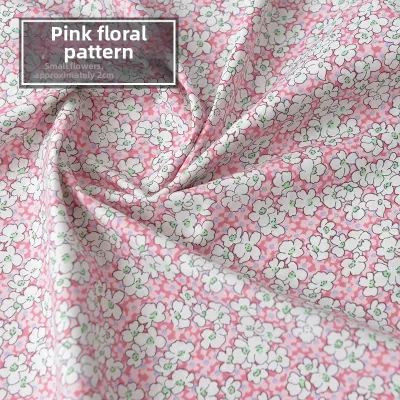
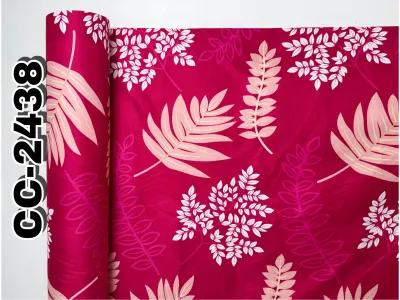
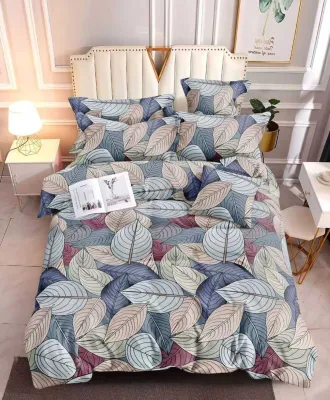
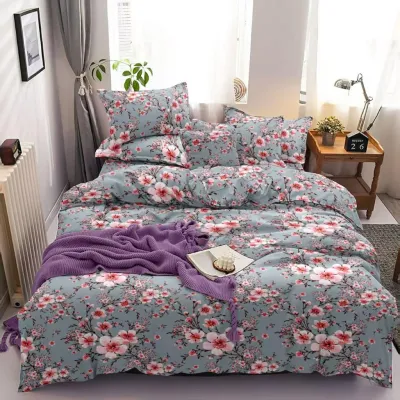
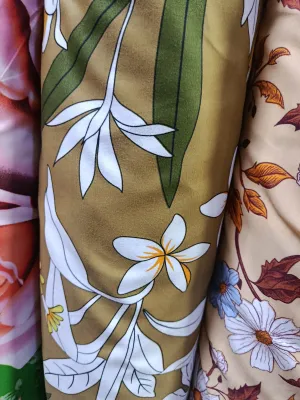
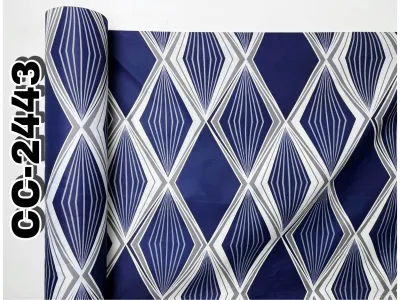
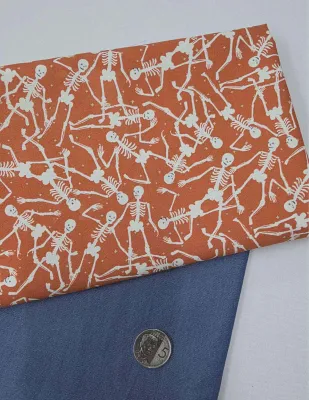
Prices are valid at publication and may change. Please refer to the product page for the latest price.
Lightweight cotton fabrics, such as cotton voile, lawn, and batiste, are exceptionally airy and soft. These fabrics typically weigh between 70 to 90 grams per square meter (GSM) and are ideal for the warm climate. They drape beautifully, making them perfect for summer dresses, blouses, and children’s wear. However, because they are sheer, they may require a lining or layering, which is an important consideration when planning your design and calculating your total material needs.
Medium-weight cottons, including poplin, broadcloth, and standard quilting cotton, offer more structure and are easier to sew. Weighing between 100 and 150 GSM, these fabrics strike an excellent balance between breathability and opacity. Poplin has a subtle crosswise rib that gives it a crisp finish, making it highly suitable for structured shirts, casual dresses, and lightweight curtains. Quilting cotton is slightly stiffer and has a simpler plain weave; while excellent for crafts, bags, and structured garments, it lacks the fluid drape needed for flowing apparel.
Heavyweight cottons, such as cotton canvas, drill, and duck fabric, are dense and highly durable. These fabrics are designed to withstand wear and tear, making them unsuitable for everyday apparel in tropical weather but perfect for home decor. If you are sewing tote bags, cushion covers, table runners, or light upholstery, heavyweight cotton provides the necessary structure and longevity.
Before purchasing, always check the fabric composition label or product specifications to verify the fiber content. Many textiles labeled simply as “cotton” or “cotton feel” in local listings are actually polyester blends, such as poly-cotton or Chief Value Cotton (CVC). Synthetic fibers trap heat and moisture, which can make garments uncomfortable to wear in humid conditions. To ensure maximum comfort, look for specifications that explicitly state “100% cotton.”
Inspect Print Quality and Colorfastness
The visual appeal of your project depends heavily on the quality of the print and how well it retains its color over time. When buying printed cotton fabric per yard, inspecting the physical print alignment and checking for potential color bleeding will save you from disappointing results after the first wash.

Start by evaluating the print alignment, also known as the print registration. Examine the design along the selvedge edges—the self-finished edges of the fabric—and across the pattern repeats. If the print is skewed, distorted, or printed off-grain, it means the design was applied unevenly to the woven threads. When you cut and sew a skewed print, the pattern will look crooked on your finished garment, or the garment will drape unevenly because you had to cut off-grain to align the design.
Colorfastness is another critical quality marker, especially for vibrant or dark prints. In humid tropical environments, sweat and frequent washing can cause unstable dyes to bleed or transfer onto other fabrics. If you are shopping in person at a local market, you can perform a simple dry rub test, also known as a crocking test. Rub a clean, dry white cotton cloth or cotton swab firmly against a dark portion of the printed fabric. If the dye transfers to the white cloth, the print is prone to bleeding and fading.
If you are purchasing online and cannot perform a physical test, look for manufacturer care tags or ask the seller directly about the dye type and washing instructions. High-quality printed cottons often use reactive dyes or pigment prints that are chemically bonded to the fibers, ensuring long-lasting color. Be cautious of extremely cheap prints that have a stiff, plastic-like feel on the surface, as these are often low-grade pigment prints that may crack, peel, or fade rapidly.
Additionally, examine the reverse side of the fabric to evaluate print penetration. On high-quality screen-printed or wet-printed cottons, the dye penetrates deep into the fabric yarns, making the design visible on the backside, albeit in a slightly muted form. If the reverse side of the fabric is stark white and the print is purely superficial, the design is more likely to show white fabric fibers when stretched and may wear off quickly with abrasion.
Calculate Yardage and Account for Cotton Shrinkage
One of the most common mistakes when buying fabric by the yard is failing to account for the natural shrinkage of cotton. Because cotton is a natural fiber, the tension applied to the yarns during weaving relaxes when exposed to water and heat, causing the fabric to shrink.
Untreated 100% cotton fabrics typically shrink by 3% to 10% during their initial wash. This means a 3-yard piece of fabric could shrink by as much as 10 inches in length after pre-washing. Pre-washing your fabric before cutting is a mandatory step in sewing; if you skip this step, your finished garment or home decor item will likely shrink and warp the first time it is laundered, rendering your hard work unusable.
To prevent running short of material, you must build a shrinkage allowance into your yardage calculations. A reliable framework is to add 10% to the total yardage required by your sewing pattern. For example, if your pattern specifies that you need 3 yards of fabric, multiply 3 by 1.10 to get 3.3 yards, and round up to the nearest quarter or half yard, purchasing 3.5 yards. This extra cushion also provides room for correcting uneven cuts or matching large pattern repeats.
You must also verify the width of the fabric bolt, as this directly impacts how your pattern pieces will fit. Printed cotton fabrics are commonly sold in two standard widths: 44/45 inches (approximately 112 to 114 cm) and 58/60 inches (approximately 147 to 152 cm). Most quilting cottons and novelty apparel prints come in the narrower 44-inch width, while utility cottons and home decor fabrics are often 60 inches wide. Always check the product details for the width; if a fabric is 60 inches wide, you can often buy less yardage than if it were 44 inches wide.
Navigate Local Sourcing and Availability
Finding the perfect printed cotton fabric in the Philippines involves choosing between the tactile experience of traditional textile markets and the convenience of modern e-commerce platforms. Both sourcing channels offer distinct advantages and require different purchasing strategies.
Visiting established local fabric hubs—such as the bustling streets of Divisoria in Manila, the Kamuning Market in Quezon City, or the garment centers in Taytay—allows you to physically inspect the textiles. You can feel the hand-feel of the fabric, assess its true weight and drape, and view the colors under natural light. Physical shopping also allows you to negotiate bulk prices, especially if you are buying an entire bolt for a large project.
If you prefer the convenience of online marketplaces, you must take extra precautions to ensure you receive what you expect. Because you cannot touch the fabric, rely heavily on user reviews that include photos and videos. Look for feedback regarding the fabric’s actual thickness, softness, and whether the colors match the seller’s listing photos.
To minimize risk when buying online, message the seller to request actual, unedited smartphone photos or videos of the fabric roll taken in natural daylight. Digital mockups and studio lighting can alter the appearance of colors significantly. If you are planning a large or high-stakes project, ask the seller if they can provide or sell small sample swatches before you commit to buying multiple yards.
Finally, pay close attention to the seller’s location and shipping details. Sourcing from local sellers within the Philippines generally ensures faster delivery times—typically 2 to 5 days depending on your region—and lower shipping costs. If you order from overseas sellers, shipping can take several weeks, and returning defective fabric becomes highly impractical. Ensure the courier options provided can safely handle bulkier textile packages without damaging the fabric during transit.
Final Verification Before Checkout
Before you finalize your purchase and complete your transaction, performing a final round of checks will protect you from common ordering mistakes and ensure your sewing project proceeds smoothly.
Create a quick pre-purchase checklist to run through before checkout:
- Confirm the Unit of Measurement: Double-check whether the seller is pricing and cutting the fabric per yard or per meter. This is a frequent source of confusion in the Philippine market, where traditional sellers use yards but some online stores default to meters.
- Verify Continuous Cutting: If you are ordering multiple yards of the same print, explicitly message the seller to request that the fabric be cut in one continuous piece. Some sellers may attempt to fulfill a multi-yard order using smaller remnants, which can make it impossible to layout your pattern pieces correctly.
- Double-Check the Width: Ensure the fabric width matches your pattern layout calculations so you do not run short of material.
- Review the Return Policy: Most fabric retailers do not accept returns or exchanges on custom-cut fabrics unless there is a clear manufacturer defect. Confirm that the print and color are exactly what you want before the scissors touch the bolt.
By taking these structured precautions, you can confidently purchase printed cotton fabric that meets your quality standards, fits your project specifications, and performs beautifully in the local climate.
Frequently Asked Questions (FAQ)
How do I convert meters to yards when buying fabric?
To convert meters to yards, multiply the number of meters by 1.09. For example, 5 meters of fabric is approximately 5.45 yards. Because a yard (36 inches) is shorter than a meter (39.37 inches), always confirm which unit the seller is using before finalizing your order quantity to ensure you do not receive less fabric than your project requires.
Is it necessary to pre-wash printed cotton fabric before sewing?
Yes, pre-washing is highly recommended for all printed cotton fabrics. Cotton is prone to shrinking during its first exposure to water and heat. Pre-washing allows the fibers to shrink fully before you cut and sew, preventing your finished garment from warping or becoming too small. It also helps wash away excess surface dyes and manufacturing chemicals.
Community discussion
Share your experience or ask a question. Comments are reviewed before publication.