
A beautifully wrapped gift is incomplete without a thoughtful finishing touch. In the Philippines, where gift-giving is a central part of celebrations—from grand weddings and corporate milestones to intimate family gatherings—a personalized gift tag card serves as the perfect bridge between the wrapper and the sentiment inside. Finding the right custom gift tag involves balancing aesthetic appeal, paper quality, and local environmental factors like high humidity, which can affect ink drying times and paper structural integrity.
Choosing the ideal tag requires looking beyond simple aesthetics to evaluate paper weight, texture, printing methods, and how well the material handles your preferred writing instruments. Whether you plan to write heartfelt messages in elegant hand calligraphy or print clean, professional logos for bulk corporate gifts, understanding these technical details ensures your tags remain pristine from transit to presentation. This guide breaks down the essential criteria for selecting, customizing, sourcing, and preserving high-quality gift tags tailored to the unique Philippine climate and gifting culture.
What to Look for in High-Quality Custom Gift Tags
The physical properties of a gift tag dictate both its visual appeal and its durability during handling. When selecting a personalized gift tag card, the paper weight—measured in grams per square meter (GSM)—is the primary indicator of quality. Standard copy paper typically ranges from 70 to 80 GSM, which is far too flimsy for a tag. For a premium, substantial feel, look for cardstock that is at least 250 GSM, though 300 to 350 GSM is highly recommended for standalone tags that will not bend or crease easily when tied to a gift bag or box.
Products mentioned in this guide

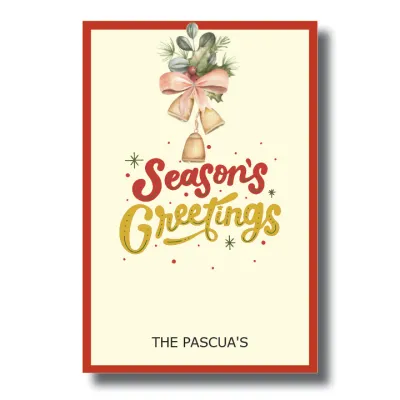
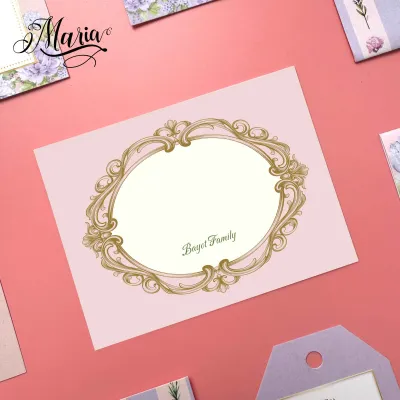
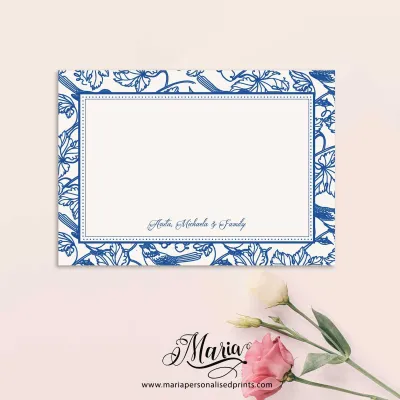
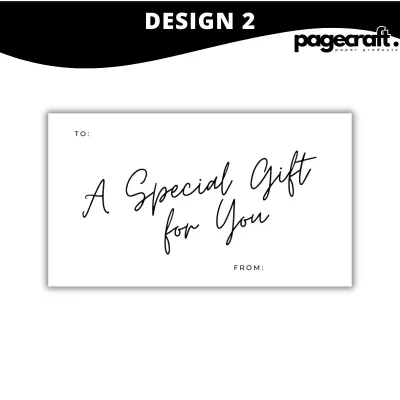

Prices are valid at publication and may change. Please refer to the product page for the latest price.
Texture is another critical element that influences both the tactile experience and the visual depth of the tag. Kraft paper offers a rustic, organic appeal with a slightly rough texture that pairs beautifully with natural twine. Cotton paper and felt-marked cardstock provide a luxurious, soft tactile feel, often preferred for formal events. Recycled paper options give a matte, eco-friendly look, while textured cardstock, such as linen or canvas finishes, adds subtle cross-hatch patterns that catch the light elegantly.
Standard sizes and shapes should match the scale of your packaging to avoid overwhelming or getting lost on the gift. The most common size is the classic rectangular tag, measuring approximately 2 x 3.5 inches (similar to a standard business card), which offers ample space for both a printed design and a short handwritten note. Circular tags (typically 2 to 2.5 inches in diameter) and square tags (2 x 2 inches) provide a modern, compact alternative. Custom die-cut shapes, such as luggage tags, scalloped edges, or festive silhouettes like stars and leaves, add instant character but require careful placement to ensure the text remains legible.
Paper finish directly impacts how well your writing instruments perform on the tag. Uncoated, matte, and textured papers are highly absorbent, making them ideal for standard gel pens, ballpoint pens, and calligraphy inks, as the ink sinks into the fibers and dries quickly. Conversely, coated, semi-gloss, or laminated finishes offer vibrant color reproduction for printed graphics but create a non-porous surface. Writing on coated papers requires specialized permanent markers or oil-based pens, as standard water-based inks will pool, smear, or rub off easily.
Finally, inspect the structural integrity of the attachment point. A simple punched hole in thin cardstock can easily tear under the weight of heavy ribbons or during transit. High-quality tags feature reinforced holes, often achieved through metal eyelets (grommets) or applied paper reinforcement rings. Metal eyelets in gold, silver, or brass not only prevent tearing but also serve as an elegant design accent, while double-layered paper rings offer a clean, minimalist reinforcement suitable for eco-friendly or rustic themes.
How to Match Tag Styles to Different Gifting Occasions
Matching the design, material, and attachment of your personalized gift tag card to the specific occasion ensures that your packaging communicates the right tone before the gift is even opened.

Weddings and Formal Events
For weddings, anniversaries, and formal galas, the gift tags should mirror the sophistication of the event’s invitation suite. Elegant materials like thick, double-thick cotton paper or pearlescent cardstock that reflects a soft shimmer are the standard choices. Designs should lean toward minimalism, utilizing clean typography, delicate floral borders, or custom monograms. Premium embellishments such as metallic foil stamping (in gold, rose gold, or silver) or blind embossing (where the design is pressed into the paper without ink) elevate the tag into a keepsake. To attach these tags, opt for luxurious silk ribbons, satin bands, or even custom wax seals that secure the tag directly to the wrapping paper.
Holidays and Casual Gifting
Casual occasions, birthdays, and major holiday seasons like Christmas call for vibrant, warm, and highly expressive tag styles. Playful shapes, festive color palettes, and eco-friendly materials like seed paper—which recipients can later plant to grow wildflowers—add an interactive, thoughtful dimension to your gift. These designs should prioritize generous blank space on the back or front, allowing you to write informal, personal messages or quick, humorous notes. For a charming, handcrafted aesthetic, pair these tags with simple natural jute twine, colorful baker’s twine, or rustic cotton string.
Corporate and Bulk Gifting
In corporate settings, consistency, professional branding, and scalability are paramount. Gift tags for corporate clients or large-scale events should feature uniform layouts that align with the company’s brand guidelines, incorporating logos and brand colors subtly so they do not overshadow the recipient’s name. Standard rectangular shapes are highly practical for bulk gifting because they stack neatly, are easy to store in large quantities, and allow for rapid attachment during assembly. Choosing a clean, semi-custom template where the brand logo is pre-printed and a designated line is left blank for the recipient’s name streamlines the preparation process while maintaining a personalized touch.
Customization Options: From Digital Prints to Hand Calligraphy
Understanding the technical differences between various customization methods allows you to select the best production path for your budget, timeline, and design skills.
Printed Text vs. Handwritten Calligraphy
Digital printing offers unparalleled speed, consistency, and the ability to reproduce complex, multi-colored designs or intricate logos perfectly across hundreds of tags. However, it can sometimes feel clinical or detached. Handwritten calligraphy, on the other hand, carries an undeniable warmth, elegance, and exclusivity that shows the recipient you invested time and effort into their gift.
A highly effective middle ground is the “half-printed” tag. With this approach, you order tags from a printer with your return address, a festive border, or a generic greeting (such as “With Love” or “Specially For You”) pre-printed digitally. You then leave a dedicated blank space to hand-write the recipient’s name and a personal note. If you plan to use calligraphy tools, such as dip pens or fountain pens, ensure the paper is uncoated and has a smooth, high-density finish (often referred to as “sized” paper) to prevent the ink from feathering along the paper fibers or bleeding through to the other side.
Die-Cutting, Foil Stamping, and Embossing
To make your tags stand out visually and texturally, consider specialty finishing techniques. Foil stamping uses heat and pressure to apply a thin metallic foil to the paper, creating a brilliant, reflective finish that standard metallic inks cannot replicate. Embossing raises the paper fibers to create a three-dimensional effect, while debossing presses the design down into the cardstock. Custom die-cutting allows you to break away from traditional geometric shapes to create custom silhouettes, such as a company logo or a specific holiday icon. Keep in mind that custom die-cutting and foil stamping require the creation of custom metal dies or molds, which increases the initial setup cost and is generally best suited for larger order volumes.
Pre-printed Templates vs. Fully Custom Artwork
Most print vendors offer a selection of pre-designed templates where you simply fill in your name or upload a logo. This is a highly cost-effective and fast option, ideal for tight deadlines. If you choose to submit fully custom artwork, you must prepare your design files according to professional printing standards. Always check the vendor’s specifications for “bleed areas” (the extra design space that extends past the cutting line to prevent white borders if the paper shifts during cutting) and “safe zones” (the inner margin where all critical text and graphics must reside to avoid being cut off). Submitting high-resolution vector files (such as PDF or AI formats) ensures your custom designs print with crisp, sharp edges.
Where to Source Custom Gift Tags in the Philippines
Finding the right vendor in the Philippines requires navigating different retail and production channels while keeping local logistics and environmental factors in mind.
- Local Online Marketplaces and E-commerce Platforms: These platforms host thousands of independent Filipino artisans, graphic designers, and small-scale digital print shops. They are excellent for discovering unique, trendy designs, handmade paper options, and highly flexible customization. When sourcing from these platforms, always read customer reviews carefully, look for photos of actual printed products rather than digital mockups, and check the seller's responsiveness to ensure they can accommodate your custom text accurately.
- Dedicated Online Printing Services: For corporate orders, weddings, or bulk holiday needs, professional commercial printers are the most reliable choice. They offer precise color matching, a wider variety of premium cardstocks, and advanced finishing options like foil stamping and die-cutting. When working with commercial printers, always request a digital proof (PDF) or a physical sample before approving the full print run, and clarify their Minimum Order Quantity (MOQ) and bulk discount tiers.
- Specialty Stationery and Craft Stores: If you prefer a hands-on, DIY approach, physical stationery boutiques and craft supply stores across major Philippine cities offer high-quality blank tags, heavy cardstock sheets, eyelet punching tools, and premium ribbons. This allows you to hand-stamp, write, or emboss your tags individually, giving you complete control over the materials and the final look.
Logistics and Climate Considerations
When ordering custom paper goods in the Philippines, timing and weather are crucial factors. Lead times can swell significantly during peak seasons, particularly from September through December due to the early start of the Philippine Christmas season, as well as during the popular summer wedding months. Always place your orders at least three to four weeks in advance to account for production queues and potential shipping delays.
Furthermore, the country’s high tropical humidity and intense rainy seasons pose a direct threat to paper products. Unprotected paper can easily absorb moisture from the air during transit, leading to warping, limpness, or ink bleeding. When ordering online, explicitly request that the vendor pack your finished tags in moisture-resistant, sealed plastic sleeves or zip-top bags inside a rigid cardboard box to protect them from rain and humidity during delivery.
Tips for Writing, Attaching, and Storing Your Gift Tags
To ensure your personalized gift tags look flawless when presented, follow these practical tips for writing, tying, and maintaining them.
Selecting the Right Writing Tools
Matching your pen to the specific paper type prevents smudging and ensures clean, legible writing.
- Standard Matte Cardstock: Excellent for gel pens, fine-liners, and ballpoint pens. They dry quickly and offer crisp lines.
- Smooth, High-GSM Calligraphy Paper: Best paired with brush pens, dip pens, or fountain pens. The smooth surface prevents pen tips from fraying and allows for effortless ink flow.
- Coated, Glossy, or Laminated Tags: Require oil-based permanent markers or specialized metallic paint pens. Standard water-based gel pens will pool and smear instantly on these surfaces.
- Verification Tip: Always perform a quick test write on a spare tag or an inconspicuous corner of the paper to check the drying time and ensure the ink does not bleed through the back.
Attaching the Tags
The method you use to tie your tag can enhance the overall presentation of the gift. Classic cotton twine or rustic jute twine works beautifully for organic, natural packaging. For formal gifts, double-faced satin ribbon, organza, or grosgrain ribbon adds a luxurious touch. When securing the tag, thread the ribbon through the reinforced hole and tie a secure double knot or a neat bow around the main ribbon of the gift box. If the gift is irregularly shaped, such as a wine bottle or a cylindrical canister, loop the cord tightly around the neck and secure it with a slipknot to prevent the tag from sliding off during transit.
Storage and Care
Paper is highly sensitive to environmental conditions, particularly in humid tropical climates. Store any unused, blank, or pre-printed gift tags in a cool, dark, and dry place, away from direct sunlight which can fade printed colors and yellow white paper over time. Keep them flat inside acid-free storage boxes or airtight plastic containers. To actively combat humidity and prevent the cardstock from absorbing moisture and warping, place a few food-grade silica gel packets inside the storage container. This simple step keeps your tags crisp, stiff, and ready for use at a moment’s notice.
Frequently Asked Questions (FAQ)
This section addresses common queries regarding the selection and use of custom gift tags.
What is the standard size for a gift tag?
The most common standard size for a gift tag is 2 x 3.5 inches, which shares the same dimensions as a standard business card. This size is highly popular because it provides a balanced proportion for most medium-sized gift boxes, bags, and wrapped packages. It offers enough space for a readable printed design on one side and a short, handwritten message on the other without overwhelming the presentation. For smaller items like jewelry boxes or party favors, mini tags measuring 1.5 x 2.5 inches or circular tags with a 1.5-inch diameter are often preferred.
Can I use fountain pen ink on all custom gift tags?
No, fountain pen ink cannot be used on all gift tags. Fountain pen ink is water-based and requires highly specific paper properties to perform well. If used on highly absorbent, low-quality, or fibrous paper, the ink will feather (spread out along the fibers) and bleed through to the back of the tag. If used on coated, glossy, or laminated papers, the ink will not dry at all and will smudge at the slightest touch. To use a fountain pen safely, ensure your tags are made of premium, smooth, uncoated cardstock specifically rated for fountain pens, or perform a small test on a sample tag before writing your final messages.
How far in advance should I order personalized tags for a large event?
For large events like weddings, corporate gatherings, or holiday parties, you should place your order at least four to six weeks in advance. This timeline provides a comfortable buffer of one to two weeks for design proofing and revisions, one to two weeks for printing and finishing (especially if your design requires custom die-cutting, embossing, or foil stamping), and one week for local shipping and transit. During peak seasons, such as the pre-Christmas rush in the Philippines starting in September, adding an extra two weeks to your planning timeline is highly recommended to avoid holiday courier delays.
Community discussion
Share your experience or ask a question. Comments are reviewed before publication.