
Decorating your bank cards with custom designs has become a popular way to express personal style, turning a plain piece of plastic into a miniature piece of art. However, because payment cards must interface with high-precision electronic readers, choosing the wrong type of sticker can lead to frustrating transaction failures or even a card trapped inside a machine. To ensure your card remains fully functional, you must select a sticker that balances aesthetic appeal with strict technical compatibility.
To choose the right ATM card sticker, you must prioritize an ultra-thin material profile, a clean-peeling non-residue adhesive, and precise dimensions that leave the EMV chip and magnetic stripe completely exposed. A sticker that is too thick, poorly aligned, or made of low-grade paper can easily jam card readers, peel off inside wallets, or cause read errors. By understanding the physical requirements of payment terminals, you can safely personalize your card without compromising its usability.
Quick Guide: What Makes a Sticker Safe for ATM Cards
Decorating your bank card is a fun way to personalize your wallet, but functionality must always come first. A safe card sticker must meet three non-negotiable criteria: an ultra-thin material profile, a clean-peeling non-residue adhesive, and exact dimensions that match standard card layouts.
Products mentioned in this guide
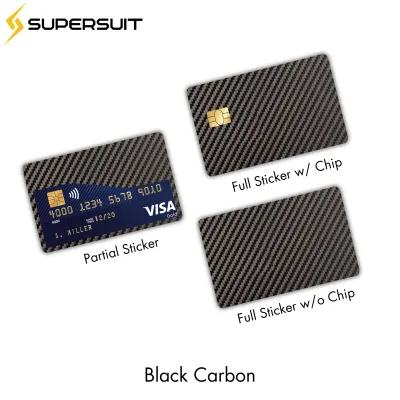
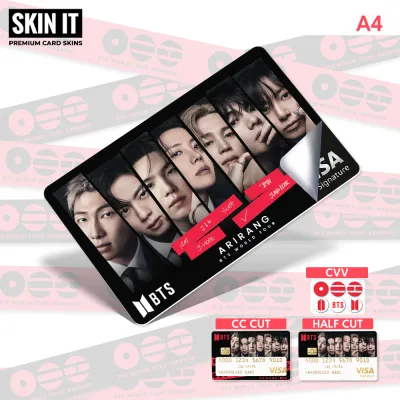
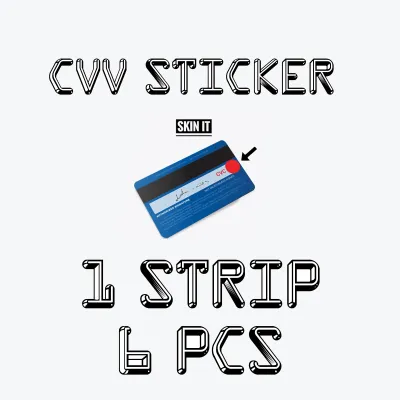
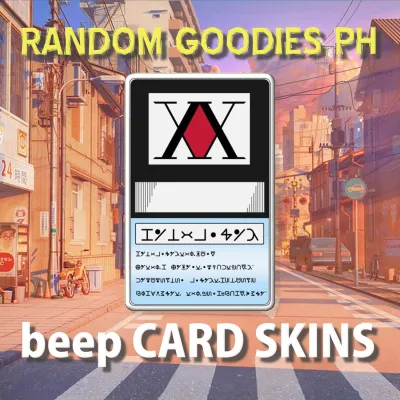
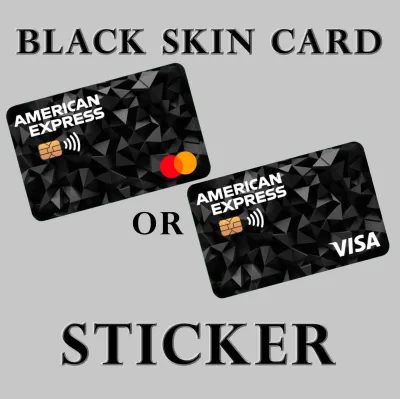
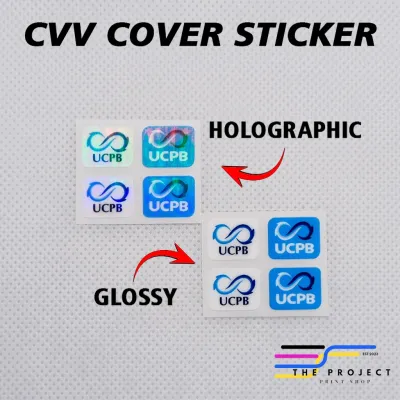
Prices are valid at publication and may change. Please refer to the product page for the latest price.
The primary risk of using low-quality or generic decals is mechanical failure. If a sticker is too thick, it can easily jam inside motorized ATM slots or point-of-sale (POS) terminals. Furthermore, adhesives that bleed or leave sticky residue can permanently damage the card’s EMV chip or contaminate the delicate internal rollers of card readers.
To keep your transactions seamless, always verify that the sticker is specifically marketed as a card skin or card decal rather than a general-purpose craft sticker. These specialized products are engineered to be exceptionally thin and are pre-cut to accommodate the standard layout of modern payment cards.
Sizing Your ATM Card Stickers for a Precise Fit
Standard credit, debit, and ATM cards globally follow the ISO/IEC 7810 ID-1 standard, which specifies dimensions of 85.60 mm by 53.98 mm with rounded corners. When shopping for an atm card sticker, you must verify that the product is designed specifically for these dimensions. Even a fraction of a millimeter of overhang can catch on the edges of card slots, leading to peeling, tearing, or jamming.

Before applying any decal, identify the critical functional zones on your card. The EMV chip on the front and the magnetic stripe on the back must remain completely uncovered. Additionally, the signature panel and any embossed numbers should be left clear to ensure the card remains usable for manual verification. While modern cards utilize contactless RFID or NFC technology, placing thick metallic or heavily foiled stickers over the internal antenna zone can sometimes degrade signal transmission.
You will generally find two styles of card decorations: full-coverage skins and partial decals. Full-coverage skins are pre-cut with a precise window that fits around the EMV chip, covering the rest of the card’s front surface. Partial decals or small decorative stickers only cover select blank areas, leaving the original card design partially visible. If your card has embossed (raised) lettering, full-coverage skins may not lay flat, making partial decals a much safer choice to prevent air bubbles and uneven thickness.
When applying a full-coverage skin, alignment is critical. Start by aligning the pre-cut window precisely with the edges of the EMV chip. Once the chip window is aligned, slowly smooth the rest of the sticker outward toward the edges of the card. Any misalignment that causes the sticker to overlap the chip or hang over the outer edges of the card will eventually lead to peeling and potential card reader errors.
Choosing the Right Sticker Material for Daily Use
The material of your card sticker determines how well it survives the daily friction of being slid in and out of wallets, pockets, and card readers. Standard paper stickers are highly unsuitable for this application; they tear easily, absorb moisture from humid tropical climates, and quickly degrade into a messy pulp.
Instead, look for high-quality synthetic materials such as vinyl or polyethylene terephthalate (PET). Vinyl is highly flexible, conforms well to the plastic card surface, and offers excellent resistance to daily wear. However, you must check the manufacturer’s specifications for the exact thickness. A safe card skin should ideally be under 150 microns (0.15 mm) thick. Anything thicker increases the risk of the card becoming wedged inside tight motorized ATM slots.
Because cards are frequently handled, the sticker material must resist water, sweat, and scratches. In warm, humid environments, moisture can cause low-grade inks to bleed or smudge. Rather than assuming a sticker is durable, look for product labels that explicitly state “water-resistant” or “laminated.” A protective matte or glossy laminate layer not only preserves the design but also provides a smooth, low-friction surface that glides easily through card readers.
Additionally, consider the texture of the material. Heavily textured stickers, such as those with raised glitter, 3D embossing, or thick fabric finishes, should be avoided entirely. These textures create friction inside card readers, which can cause the card to get stuck or trigger sensor errors inside the machine. A completely flat, smooth, and low-friction finish is the safest choice for daily transactions.
Evaluating Adhesives to Protect Your Card's Chip and Magnetic Stripe
The adhesive backing of a card sticker is just as important as the face material. You must avoid permanent, high-tack, or industrial-strength adhesives. These glues can bond too strongly to the card’s plastic substrate, making the sticker nearly impossible to remove without peeling off the card’s protective laminate or damaging the sensitive EMV chip contacts.
When browsing options, look for terms like “removable adhesive,” “repositionable,” or “zero-residue” on the product packaging. These adhesives are formulated to provide sufficient grip to stay flat during daily use while allowing you to peel the sticker off cleanly when it is time for a replacement.
To protect your active bank accounts, always perform a simple compatibility test before full application. Apply a small piece of the sticker material to an old, expired plastic card or a similar smooth plastic surface. Leave it in your wallet for a few days to expose it to body heat and pressure, then peel it off. Check if the adhesive lifts cleanly or if it leaves a tacky, gummy residue. If any residue remains, avoid using that sticker brand on your active ATM card, as that sticky film can attract dust and clog card readers.
Furthermore, high-quality removable adhesives allow for minor adjustments during the application process. If you misalign the sticker on your first try, a repositionable adhesive lets you gently lift and re-center the skin without stretching the material or losing its adhesive properties. This ensures a flat, bubble-free fit that won’t lift at the corners over time.
Where to Shop and What to Avoid When Buying Card Stickers
Specialized card skins are widely available on online marketplaces, e-commerce platforms, and dedicated stationery craft stores. When searching for these items, avoid buying generic decorative stickers that are meant for scrapbooking or laptops, as they are usually too thick and lack the precise pre-cut windows for the EMV chip.
Be vigilant against common red flags in product listings. If a seller does not list the exact thickness of the sticker or fails to specify the type of adhesive used, it is best to look elsewhere. Avoid listings that make absolute safety guarantees without providing clear material specifications.
Before making a purchase, read through customer reviews carefully. Look specifically for feedback from buyers who have used the stickers on active debit or credit cards in real-world machines. Reviews that mention the card sliding smoothly into local ATMs and POS terminals without error are strong indicators of a well-designed, thin, and reliable product.
Additionally, check if the seller offers different layout options. Since EMV chips come in slightly different shapes and sizes depending on the issuing bank, reputable sellers often provide multiple template options (such as small chip, large chip, or full-back coverage without a chip window). Choosing a seller that offers these specific options shows they understand the technical requirements of payment cards.
Frequently Asked Questions (FAQ)
Will stickers ruin my ATM card's chip or magnetic stripe?
Applying a sticker will not inherently ruin your card, but improper placement or low-quality materials can render it unusable. If adhesive residue gets onto the gold contacts of the EMV chip, it can block the electrical connection required for transactions. Similarly, covering the magnetic stripe on the back will prevent swipe-based readers from reading the card’s data.
As a strict rule, never place any sticker material over the EMV chip, the magnetic stripe, or the signature panel. If you notice any adhesive bleeding around the edges of the sticker, remove it immediately and clean the card with a dry microfiber cloth before inserting it into any machine.
Can I use washi tape to decorate my ATM card instead of stickers?
Using standard washi tape is generally not recommended for decorating active ATM cards. Washi tape is typically made from natural paper fibers, which lack the durability and water resistance needed to withstand constant wallet friction.
Over time, the edges of paper-based tapes will fray, peel, and lift. This lifting can easily cause the tape to catch inside an ATM’s motorized transport mechanism, potentially trapping your card inside the machine. Additionally, the adhesive on standard washi tape is not designed to resist the heat and pressure of a wallet, often degrading into a sticky residue that can contaminate card readers.
Community discussion
Share your experience or ask a question. Comments are reviewed before publication.