
Starting a new hobby can feel overwhelming when you are faced with aisles of individual craft supplies and do not know where to begin. For complete beginners in the Philippines, a well-curated DIY craft kit offers a stress-free entry point. These kits bundle everything you need into a single package, allowing you to focus on learning the craft rather than sourcing individual components. To find the right kit, you must look for comprehensive materials, clear instructions, and components that can withstand the local tropical climate.
What Makes a DIY Craft Kit Truly Beginner-Friendly?
A truly beginner-friendly kit must be completely self-contained. Many products on the market claim to be starter kits but require you to supply your own specialized tools, adhesives, or finishing sealants. When evaluating a kit, check the contents list to ensure it includes the primary medium, the necessary applicators, and any required safety gear. If you have to make a separate trip to a local store to buy basic craft supplies like glue or scissors, the convenience of the kit is lost.
Instruction quality is another critical factor. Beginners need more than a simple sheet of paper with vague steps. Look for kits that provide highly visual, step-by-step guides, preferably with clear illustrations or access to video tutorials. The instructions should also include troubleshooting tips for common mistakes, such as how to fix an uneven stitch or how to handle bubbles in a liquid medium. Clear labeling of the included materials is equally important so you do not confuse one component with another during the process.
Products mentioned in this guide
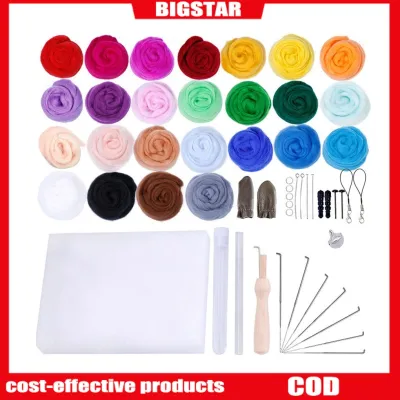
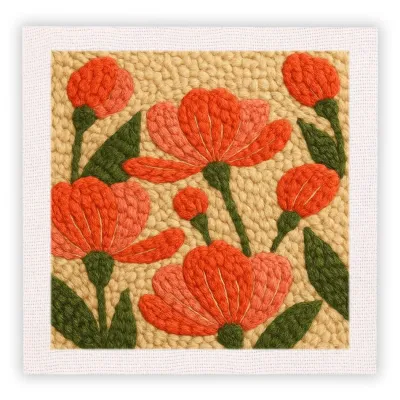
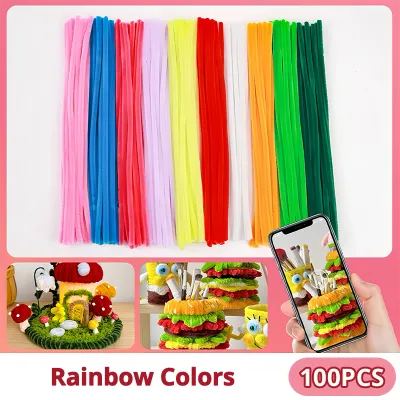
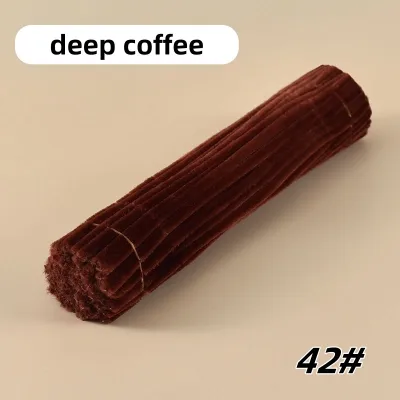
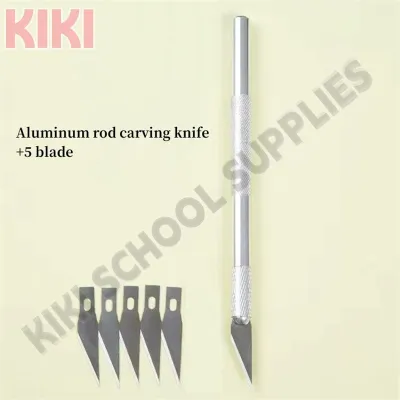
Prices are valid at publication and may change. Please refer to the product page for the latest price.
Finally, a good starter kit offers project scalability. The first project should be manageable enough to complete in a single afternoon or weekend, providing a quick sense of accomplishment. However, it should also include enough raw materials to allow for practice and minor mistakes. A kit that only provides the exact amount of material needed for a flawless run can cause immense frustration if you make a single error early on.
Essential Craft Supplies to Look for in Starter Kits
The quality of the base materials in a kit directly impacts your final creation and your overall experience. For instance, paper-based kits should feature heavy cardstock that does not tear easily, while beading kits require durable cords and uniform beads. If the base materials are flimsy or prone to breaking, you may struggle to complete the project, leading to unnecessary frustration.

Tools and applicators included in the kit should be functional and comfortable to use. Many low-cost kits cut corners by including cheap, single-use plastic tools that bend or break under pressure. Look for kits that provide sturdy, ergonomic tools—such as wooden-handled clay tools, metal pliers, or properly sized paintbrushes. These tools not only make the crafting process smoother but can also be saved and reused for future projects once you transition to buying bulk craft supplies.
Consumables like glues, paints, and resins require special attention, especially when crafting in the warm and humid climate of the Philippines. Adhesives must be fresh and securely sealed to prevent them from drying out before you open the box. Paints and resins should be non-toxic and low-odor, making them safe for home use. It is also wise to check if the included adhesives are formulated to cure properly in high humidity, as some standard glues may remain tacky or lose their bonding strength in tropical conditions.
Popular Craft Categories for Beginners and What to Expect
Different craft categories require varying amounts of workspace, time, and cleanup effort. Before choosing a kit, consider where you will be working and how much time you can dedicate to the project. Some crafts can be done at a small desk with minimal cleanup, while others require a dedicated, well-ventilated space and protective coverings. Understanding these requirements helps you select a hobby that fits seamlessly into your daily routine.
Paper Crafting and Card Making
Paper crafting is an excellent entry-level hobby because it requires minimal space and is highly forgiving. When choosing a paper craft or card-making kit, look for pre-scored lines on cardstock, which ensure clean, professional folds without cracking the paper fibers. The cardstock should have a substantial weight, typically 200 gsm or higher, to support embellishments without warping.
The kit should also include compatible adhesives, such as double-sided tape or quick-drying paper glue, which are less likely to warp the paper in humid conditions. Essential cutting and folding tools, like a bone folder or a precision craft knife, should be included to help you achieve clean edges and precise shapes.
Jewelry Making and Beading
Jewelry making allows you to create wearable art, but the durability of your pieces depends heavily on the quality of the metal findings and stringing materials. In the humid climate of the Philippines, metal components are prone to tarnishing quickly. Look for kits that specify tarnish-resistant findings, such as stainless steel, brass, or coated metals, to ensure your jewelry lasts.
The kit should provide sturdy stringing materials, such as nylon-coated wire or high-tensile elastic cord, along with properly sized jewelry pliers. To accommodate the learning curve, a quality kit will include extra clasps, jump rings, and crimp beads, giving you room to practice securing connections without running out of essential hardware.
Painting and Resin Art
Painting and resin art kits offer vibrant, tactile experiences but require careful attention to safety and environmental conditions. Resin kits must include essential safety gear, such as nitrile gloves and clear mixing cups, along with precise instructions on mixing ratios. Because resin is highly sensitive to moisture, high humidity can cause the mixture to cure unevenly, remain sticky, or develop a cloudy finish.
When working with these kits in the Philippines, it is best to craft in an air-conditioned room or during dry, sunny days to ensure proper curing. Painting kits should feature non-toxic, highly pigmented acrylics that dry relatively quickly but remain workable, along with primed canvases or wooden panels that resist warping when wet.
How to Evaluate Kit Quality Before Buying Online
Since you cannot physically inspect craft kits when shopping on online marketplaces, you must rely on strategic evaluation methods. Start by analyzing customer reviews, paying close attention to photos uploaded by other buyers. Look for specific red flags, such as complaints about missing components, dried-out paints or glues, or instructions that are poorly translated and difficult to follow.
Next, perform a quick cost comparison. While kits offer convenience, it is helpful to estimate the cost of buying the included craft supplies individually. If a kit is priced significantly higher than its individual components, ensure that the premium is justified by high-quality instructions, unique templates, or specialized tools. Conversely, extremely cheap kits often use substandard materials that may ruin your crafting experience.
Finally, check the seller’s rating and the shipping origin. Kits containing liquids, clays, or delicate paper components require careful packaging to survive transit. Choosing local sellers or reputable international brands with high packaging ratings reduces the risk of receiving damaged goods, such as crushed boxes, spilled paints, or bent cardstock.
Common Beginner Mistakes When Buying Craft Kits
One of the most common pitfalls for beginners is accidentally purchasing a “refill” or “expansion” pack instead of a complete starter kit. These packs are designed for experienced crafters who already own the necessary tools and only need more raw materials. Always read the product description carefully to verify that the package includes the foundational tools, such as needles, molds, or pliers, required to complete the project.
Another mistake is ignoring the physical workspace and environmental requirements of the craft. Buying a messy, dusty, or odor-heavy kit—such as stone carving or certain chemical-based resins—can be highly problematic if you live in a small, unventilated apartment. Make sure you have a suitable area that can accommodate the cleanup and drying times associated with your chosen craft.
Lastly, do not let marketing buzzwords cloud your judgment. Many kits are labeled “beginner-friendly” but feature complex patterns or advanced techniques that require hours of meticulous work. Start with projects that have a low barrier to entry and a clear, simple path to completion, allowing you to build confidence before moving on to more intricate designs.
Frequently Asked Questions (FAQ)
Are DIY craft kits more cost-effective than buying craft supplies separately?
For complete beginners, DIY craft kits are almost always more cost-effective than purchasing individual craft supplies in bulk. When you buy supplies separately, you often have to purchase large quantities of materials—such as a whole roll of wire, a massive pack of beads, or large tubes of paint—most of which will go unused if you decide the hobby is not for you. Kits provide the exact portion sizes needed for a single project, saving you from investing in excess inventory. However, if you decide to pursue the craft long-term, transitioning to bulk purchases of individual craft supplies becomes the more economical choice.
What should I do if a kit is missing instructions or parts?
If you open your kit and discover missing components or instructions, document the issue immediately by taking clear photos of the package and its contents. Contact the seller directly through the ecommerce platform’s messaging system, as most reputable sellers are willing to send replacement parts or digital guides to maintain good ratings. In the meantime, you can often find digital instruction manuals, video tutorials, or community forums dedicated to the same craft kit online. These digital resources can serve as an excellent backup, sometimes offering even clearer demonstrations than the printed guides included in the box.
Community discussion
Share your experience or ask a question. Comments are reviewed before publication.