
Selecting the perfect card to convey a spiritual message requires more than just picking an attractive design off a shelf. Bible verse cards serve as tangible anchors of faith, offering timeless wisdom and personal connection during life’s pivotal moments. Whether you are celebrating a milestone, standing by a friend in a season of trial, or offering quiet comfort during grief, the right combination of scripture, paper quality, and visual design ensures your message resonates deeply.
To make a meaningful impact, you must align the card’s physical and spiritual elements with the recipient’s immediate emotional state. By understanding how different scripture translations, design aesthetics, and stationery materials interact, you can select a keepsake that provides comfort and encouragement long after the initial exchange.
How to Match the Emotional Tone of Bible Verse Cards to the Occasion
Unlike standard greeting cards that often rely on fleeting humor or generic sentiments, bible verse cards carry a unique spiritual weight. They do not merely convey well-wishes; they offer a foundational truth that the recipient can hold onto during times of transition, celebration, or sorrow. This spiritual dimension elevates the card from a temporary greeting to a treasured keepsake that is often displayed on desks, tucked into journals, or kept on bedside tables.
Products mentioned in this guide
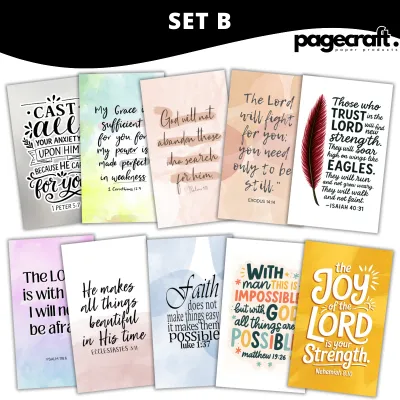
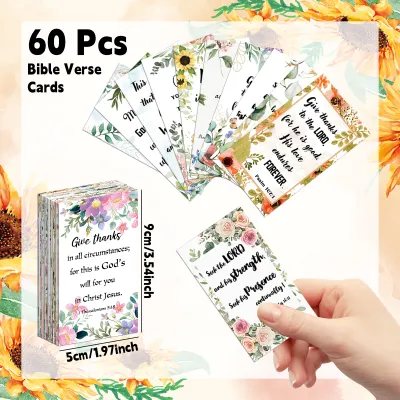
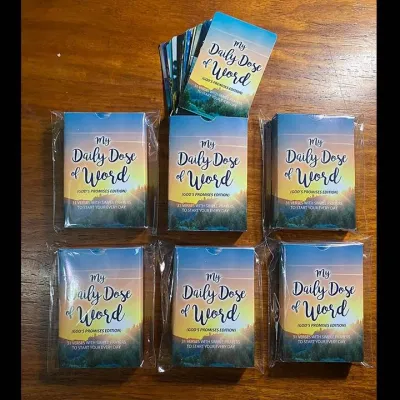
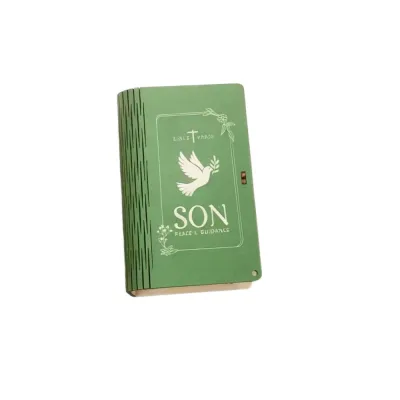
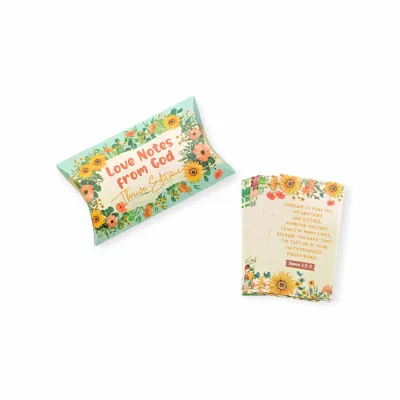
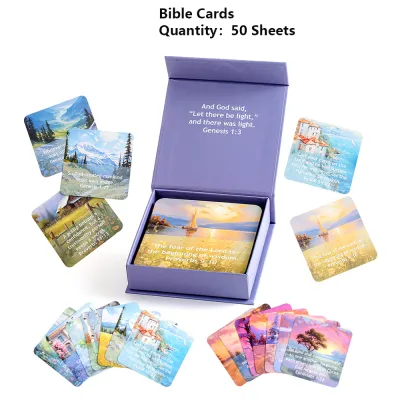
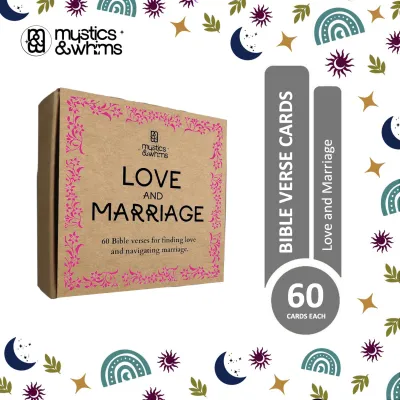
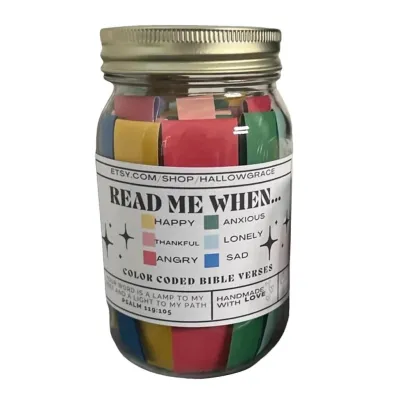
Prices are valid at publication and may change. Please refer to the product page for the latest price.
To choose the right card, you can follow a simple three-step selection framework. First, identify the core emotion required by the recipient’s current circumstances—whether they need the steady anchor of hope, the vibrant energy of joy, or the quiet solace of peace. Second, select an appropriate scriptural theme that speaks directly to that emotional state without feeling forced or out of place. Finally, match the visual design and color palette of the card to reinforce that emotional tone visually.
You should also consider the recipient’s personal preferences regarding Bible translations when browsing card options. A recipient who prefers the majestic, poetic language of the King James Version (KJV) may find contemporary paraphrases less impactful, while someone who reads modern translations like the New International Version (NIV) or the English Standard Version (ESV) might appreciate clear, direct phrasing. Taking a moment to match their preferred translation style shows a deep level of care and personal attentiveness.
Bible Verse Cards for Encouragement: Inspiring Hope and Strength
During seasons of career transitions, academic pressure, or personal burnout, the primary emotional need is for strength, perseverance, and future hope. An encouragement card should act as a gentle reminder of divine support and enduring resilience. The goal is to uplift the recipient’s spirit and remind them that their current struggles are temporary, providing them with the spiritual stamina to keep moving forward.

When looking for scriptural themes, prioritize verses centered on courage, renewal, and the constant presence of God during difficult times. Verses drawing from Isaiah 40:31, which speaks of soaring on wings like eagles and renewing strength, or Philippians 4:13, emphasizing strength through faith, are classic choices. These passages offer a firm foundation, reminding the recipient that they do not have to carry their burdens entirely on their own.
The visual design of an encouragement card should actively reinforce this sense of optimism and forward momentum. Look for uplifting imagery such as radiant sunrises, majestic mountains, blooming flora, or open paths winding into the horizon. Warm, vibrant, or bright color palettes—such as soft yellows, rich oranges, and sky blues—visually stimulate a sense of hope and energy, perfectly matching the restorative message of the scripture.
To elevate your presentation, consider pairing the card with a small, practical gift that supports their journey, such as a high-quality writing journal or a resilient indoor plant. When writing your personal note, acknowledge the recipient’s current efforts or struggles directly without minimizing their pain. A simple message like, “I see how hard you are working, and I am standing with you in prayer as you navigate this season,” validates their experience while pointing them toward the hope printed on the card.
Bible Verse Cards for Birthdays: Celebrating with Joy and Gratitude
Birthdays are moments of joy, gratitude, celebration, and reflection on the gift of a new year of life. A birthday bible verse card should balance festive excitement with a deeper sense of spiritual appreciation for the recipient’s existence and growth. It is an opportunity to speak blessings over their future while expressing gratitude for the role they play in your life.
Look for scriptural themes that emphasize joy, divine favor, and the beauty of creation. Passages like Psalm 118:24 (“This is the day the Lord has made”) or the priestly blessing of Numbers 6:24-26 (“The Lord bless you and keep you”) are excellent choices for celebrating a milestone. These verses frame the birthday not just as an annual event, but as a purposeful continuation of their spiritual journey.
For birthday card designs, festive yet elegant elements work beautifully to convey a sense of honor and celebration. Look for cards featuring shimmering gold foil stamping, delicate watercolor florals, or clean, modern typography that feels fresh and celebratory. Ensure the design leaves ample blank space inside or on the back, allowing you to write detailed personal memories, milestone reflections, or specific prayers for their year ahead.
Because birthdays are joyful, communal celebrations, these cards often utilize more poetic or contemporary translations like the New Living Translation (NLT) or the Christian Standard Bible (CSB). Before purchasing, quickly read through the verse to ensure the phrasing feels natural and aligns with the recipient’s usual reading preferences. A beautifully phrased verse makes the card feel highly personalized and thoughtful.
To make the card a true keepsake, use the interior space to write a detailed personal message reflecting on the past year’s shared memories. Highlight specific ways you have seen the recipient grow, and express your genuine hopes for their upcoming year. This transforms the card from a simple birthday greeting into a meaningful historical marker of your relationship that they will want to look back on in the years to come.
Bible Verse Cards for Sympathy: Offering Comfort and Peace
Selecting a sympathy card requires a high degree of sensitivity, empathy, and respect. During times of grief, loss, or severe hardship, the recipient does not need cheerful platitudes; they need peace, quiet solace, and the quiet assurance of your presence. The card must serve as a safe harbor, acknowledging their deep sorrow while offering a gentle, non-intrusive reminder of spiritual comfort.
When choosing scripture, look for verses that speak directly to comfort and God’s closeness to the brokenhearted, such as Psalm 34:18 or Matthew 5:4. Be cautious to avoid using overly triumphant or “fix-it” verses, such as Romans 8:28, which can sometimes feel dismissive or premature to someone experiencing active, raw grief. The focus should remain entirely on comfort, empathy, and shared sorrow rather than trying to explain away their pain.
The visual design of a sympathy card must be quiet, subdued, and deeply respectful. Opt for calming color palettes featuring soft blues, muted greens, or warm, earthy neutrals that do not overwhelm the senses. Minimalist, nature-inspired designs—such as quiet, still waters, gentle drapes, or simple botanical line art—evoke a sense of stillness and peace, avoiding any loud, festive, or cluttered graphics that might clash with the solemnity of the occasion.
When presenting a sympathy card, the handwritten message inside is just as important as the printed scripture. Keep your personal note simple, sincere, and free of well-meaning clichés like “they are in a better place.” Instead, offer specific, practical support or simply state your unwavering presence with phrases like, “I am holding you close in my thoughts, and I am here for you whenever you need a quiet listening ear.”
Paper Quality, Size, and Presentation: Elevating the Gifting Experience
The physical, tactile quality of a bible verse card is just as important as the words printed on it. In a digital age, receiving a physical card carries a distinct weight, and the paper choice directly communicates how much care went into the selection. For sympathy and milestone cards especially, opting for a heavier cardstock—typically between 250 and 300 grams per square meter (gsm)—ensures the card feels substantial, resists bending, and stands upright easily when displayed on a shelf or table.
In tropical climates with high humidity, such as the Philippines, paper quality is even more critical. Flimsy, low-gsm paper easily absorbs atmospheric moisture, leading to curled edges, warping, and a limp feel over time. Premium textured finishes, such as linen or felt-pressed cardstock, not only elevate the tactile experience but also tend to hold up better against humidity, maintaining their structural integrity and premium feel as long-term keepsakes.
The size and format of the card also play a practical role in your presentation. Standard rectangular greeting card sizes, such as A2 (4.25 x 5.5 inches) or A7 (5 x 7 inches), are highly versatile and easily fit standard envelopes. If you choose a square format, keep in mind that square envelopes often require specific postal handling or extra postage under local mailing guidelines, as automated sorting machines are designed primarily for rectangular mail.
Before writing your personal message, always verify the interior paper coating of the card. Glossy or heavily coated interiors can cause gel pens, fountain pens, or fine liners to smudge, as the ink cannot penetrate the slick surface—a problem exacerbated by humid conditions where ink drying times are naturally slower. Opt for uncoated or matte interiors, which offer excellent bleed resistance and fast drying speeds, allowing your handwritten message to remain crisp, clean, and legible.
Finally, do not overlook the importance of the accompanying envelope. A premium card deserves a thick, opaque envelope—ideally made from 120 gsm paper or higher—to protect the card’s contents from bending and preserve the element of surprise during the unboxing experience. Choosing an envelope with a coordinating liner or a secure, moisture-activated seal adds a final touch of sophistication, ensuring your thoughtful gift arrives in pristine condition.
Frequently Asked Questions (FAQ)
Can I write my own message inside a pre-printed Bible verse card?
Yes, adding a personal handwritten message is highly encouraged and often expected by the recipient. When writing inside a pre-printed card, place your personal note below or beside the printed scripture, ensuring you leave a balanced margin of blank space so the layout does not look cluttered. Use a high-quality pen with an ink color that contrasts clearly with the paper, and ensure your personal words complement the overall emotional tone of the printed verse rather than introducing distracting or unrelated topics.
What is the best way to mail a delicate or textured Bible verse card?
To protect premium cards with delicate textures, gold foil, or heavy cardstock during transit, always use a rigid mailer or a cardboard-backed envelope to prevent bending. In humid regions, placing the card inside a clear, acid-free protective cellophane sleeve before sliding it into the mailing envelope guards against moisture, scuffing, and dirt. If your card features thick embellishments or non-standard dimensions, take it to your local post office to verify if it requires hand-cancellation or additional postage to ensure safe delivery.
Community discussion
Share your experience or ask a question. Comments are reviewed before publication.