
A book’s spine is the primary point of mechanical stress, bearing the weight of the pages every time the volume is opened. To prevent the cover from detaching and the pages from sagging, bookbinders rely on a specialized reinforcement fabric known as book binding mull cloth (often referred to simply as mull, crash, or super). This open-weave material serves as the physical bridge between the sewn or glued text block and the heavy cover boards. Without this critical layer, the constant tension of opening and closing a book would quickly tear the paper or break the adhesive joints. Selecting the correct specification for this fabric ensures that your binding remains flexible, durable, and capable of surviving decades of handling.
Key Specifications to Evaluate Before Buying
Selecting the ideal mull cloth requires looking past generic descriptions and evaluating technical specifications that directly impact how the fabric interacts with your paper, adhesives, and boards. In the humid tropical climate of the Philippines, these technical decisions are even more critical, as moisture and heat can accelerate adhesive degradation and attract pests if the wrong materials are chosen.
Weave Density and Mesh Openness
The primary characteristic of book binding mull cloth is its loose, gauze-like weave. This open structure is not a manufacturing defect; it is a deliberate engineering feature designed to facilitate adhesive penetration. When you apply polyvinyl acetate (PVA) or hot animal glue over the mull, the adhesive must pass through the gaps in the fabric to form a direct, mechanical bond with the spine of the text block.
Products mentioned in this guide
Prices are valid at publication and may change. Please refer to the product page for the latest price.
If the weave is too tight, the fabric acts as a barrier rather than a bridge, trapping the glue on one side and preventing a secure bond to the paper. Conversely, if the weave is too loose, the fabric may lack the tensile strength required to hold heavy cover boards. To evaluate mesh openness when sourcing materials online or in local specialty shops, hold the cloth up to the light. You should see a consistent grid of square holes. Gently pull the fabric diagonally; a high-quality mull will resist excessive distortion while retaining its open grid structure.
Material Composition and Sizing
The fiber content of your mull cloth dictates its flexibility, chemical stability, and compatibility with bookbinding adhesives. Pure 100% cotton is the industry standard for archival and high-quality binding. Cotton fibers are highly absorbent, allowing water-based adhesives like PVA, methyl cellulose, and wheat starch paste to penetrate and grip the fibers securely.
Avoid synthetic polyester or nylon blends unless they are specifically certified for bookbinding use. Synthetic fibers are non-porous and often repel water-based glues, leading to premature delamination of the spine joints.
Another critical factor is sizing, which is the starch or chemical stiffener applied to the fabric during manufacturing. Starched mull is stiff, crisp, and exceptionally easy to cut and align on the spine without fraying. However, in tropical environments, starch can act as a food source for insects such as silverfish and cockroaches. For long-term preservation, unstarched or chemically sized acid-free cotton mull is preferred, as it does not attract pests or yellow with age.
Safety Note: When working with adhesives, starches, or chemical solvents to prepare or apply your mull cloth, always check the adhesive manufacturer’s safety data sheet. Ensure your workspace is well-ventilated, and avoid prolonged skin contact with strong glues.
Width Options and Format
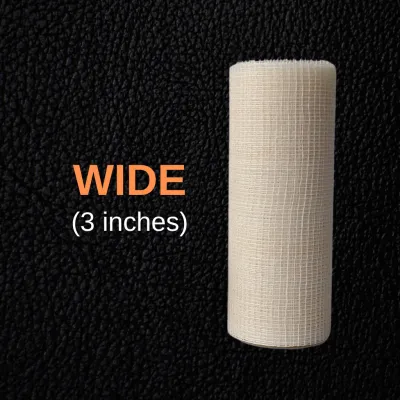
Mull cloth is generally sold in rolls, sheets, or pre-cut strips. Buying by the roll is highly cost-effective, with prices in the market typically ranging from ₱300 to ₱1,200 depending on the length and width of the roll. Rolls allow you to custom-cut the exact length and width needed for any project, minimizing waste.
To determine the correct width of mull for your book, measure the thickness of your spine and add an overhang of 1 to 1.5 inches (approximately 2.5 to 3.8 cm) for each side. This overhang, often called the joint or hinge flap, is what glues down to the inside of the cover boards under the endpapers. Pre-cut strips are convenient for standard A5 or A4 notebook production, but they limit your ability to adjust the joint width for thicker, heavier volumes.
Matching Mull Specs to Your Specific Bookbinding Project
Different book structures demand different levels of reinforcement. Matching the specifications of your mull cloth to the physical demands of your project prevents structural failures without adding unnecessary bulk to the spine.

Standard Hardcover and Journal Binding
For everyday projects like custom journals, A5 notebooks, or standard fiction hardcovers, a standard medium-weight, starched cotton mull is highly recommended. The starch makes the fabric easy to handle, ensuring clean cuts and precise alignment for beginners. Since these books are relatively light, a single layer of standard open-weave mull provides more than enough tensile strength to secure the text block to the cover boards. The starch sizing also prevents the fabric from shifting or warping as you apply PVA glue, making the assembly process smooth and predictable.
Heavy, Oversized, or High-Use Books
Oversized photo albums, heavy reference manuals, and thick textbooks experience significant gravitational pull and mechanical stress when stored upright on shelves. For these demanding applications, standard lightweight mull is insufficient. Instead, opt for a heavy-duty, double-weave cotton mull, or apply two layers of standard mull, allowing the first layer of adhesive to dry completely before applying the second.
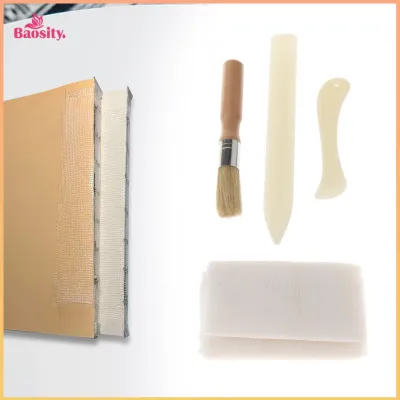
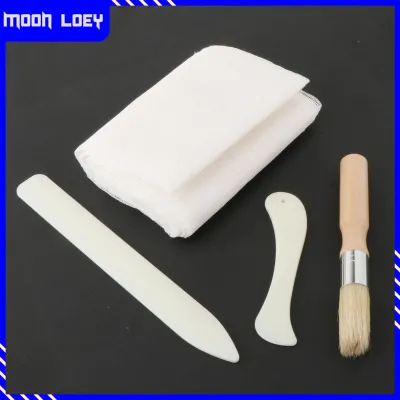
When working with thicker or layered weaves, you must ensure that the adhesive fully saturates the fabric. Use a stiff-bristled glue brush to work the adhesive deep into the fibers and the gaps of the weave, ensuring there are no dry pockets that could lead to delamination under the weight of the heavy text block.
Archival and Restoration Binding
When repairing rare books, family heirlooms, or archival documents, the longevity of the materials is paramount. For these projects, you must use unstarched, acid-free, 100% cotton mull. Standard starched mull should be avoided entirely in conservation work. Over decades, starch degrades, turns acidic, and crumbles, which can discolor the adjacent paper and weaken the spine structure.
Furthermore, in humid climates, unstarched cotton is far less susceptible to mold growth and pest infestation. When performing restoration work, pair your unstarched cotton mull with reversible, archival-grade adhesives such as wheat starch paste or methyl cellulose, allowing future conservators to safely disassemble the binding if necessary.
Specifications That Rarely Affect Your Decision
When shopping for book binding materials, it is easy to get overwhelmed by technical jargon and marketing claims. To simplify your purchasing process, keep in mind that certain specifications have little to no impact on the quality of your finished book.
First, do not worry about highly precise thread counts. While some premium brands advertise exact thread numbers, the visual openness of the mesh and the raw material composition (100% cotton) are far more reliable indicators of performance.
Second, the exact color of the mull is irrelevant. Whether the fabric is bleached white, off-white, or natural cream, it will be completely hidden beneath the spine lining paper and the pastedown endpapers of the finished book.
Finally, ignore proprietary brand names. Many suppliers sell standard cotton crash under trademarked names at a premium. Focus instead on verifying that the product is 100% cotton, has the correct mesh openness, and meets your sizing (starched or unstarched) requirements.
Frequently Asked Questions (FAQ)
Can I use regular cheesecloth or medical gauze instead of mull?
While medical gauze and culinary cheesecloth look similar to book binding mull cloth, they are poor substitutes for structural bookbinding. Medical gauze is designed to be highly absorbent and soft, meaning it lacks the structural stability and tensile strength required to support heavy cover boards. Culinary cheesecloth has an incredibly loose, irregular weave that easily warps, frays, and stretches out of shape when wet adhesive is applied. Using these substitutes often results in weak hinges, misaligned covers, and frayed edges that can poke through the endpapers over time.
How much wider should the mull be compared to the spine?
As a standard rule, your mull cloth should be cut to the exact height of the text block (or slightly shorter to accommodate headbands) and should extend 1 to 1.5 inches (2.5 to 3.8 cm) past the spine on both the left and right sides. This overhang is crucial because it creates the mechanical hinge that anchors the text block to the cover boards. If the overhang is too narrow (less than 1 inch), the leverage of opening the book can pull the mull straight out from under the endpapers. If it is too wide, it can cause unsightly bulk or bubbling under the pastedowns, preventing the cover from laying flat.
Community discussion
Share your experience or ask a question. Comments are reviewed before publication.