
Selecting the ideal funny anime girl sticker for journaling requires balancing visual humor with physical durability. The perfect sticker must withstand local humidity, adhere securely without ruining delicate journal pages, and maintain its print clarity over years of handling. By focusing on material composition, adhesive types, and cut styles, you can ensure your humorous spreads remain intact and vibrant.
Quick Guide to Choosing Journaling Stickers
Integrating stickers into a journal spread is more than just an aesthetic choice; it is a structural decision for your notebook. The top three priorities for successful journal integration are material durability (especially under humid tropical conditions), cut style for ease of use, and adhesive safety for delicate paper fibers. Selecting stickers with these factors in mind ensures your layouts remain flat and legible over time.
In highly humid environments, paper-based stickers tend to absorb moisture from the air, leading to curling edges and ink bleeding. Choosing the wrong adhesive can warp your pages or cause permanent tears if you attempt to reposition a design. Additionally, the physical cut of the sticker determines how easily you can peel it without damaging delicate illustrative details like spiky anime hair or small comedic props.
Products mentioned in this guide
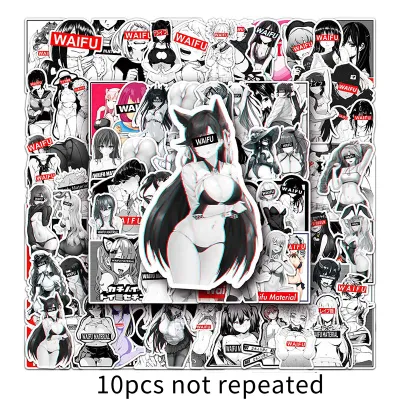
Prices are valid at publication and may change. Please refer to the product page for the latest price.
This guide helps you critically evaluate online listings, product specifications, and artist descriptions so you can select stickers that offer both comedic value and practical longevity. By understanding these technical details, you can avoid low-quality prints that fade or peel, ensuring your creative layouts look excellent for years to come.
Material Recommendations: Paper, Vinyl, and Specialty Finishes
The base material of a sticker dictates how it feels, how it reacts to your writing instruments, and how well it survives inside a closed notebook. Selecting the right material involves matching the sticker’s physical properties with your specific journal paper and writing habits.

Paper Stickers (Matte and Glossy)
Paper stickers offer a classic, low-profile texture that blends seamlessly with the pages of a notebook. Matte paper options are highly compatible with standard journaling pens, including gel pens, fineliners, and even fountain pens. This porous surface allows you to write custom dialogue, add comedic speech bubbles, or write dates directly onto the funny anime designs without worrying about ink smearing.
Glossy paper stickers, on the other hand, feature a thin protective coating that resists light smudges and displays vibrant, highly saturated colors. This glossy layer makes the expressive colors of anime characters stand out, but the slick surface tends to repel water-based gel pens and fountain pen inks. If you plan to write over glossy stickers, you will need to use permanent markers or specialized multi-surface pens.
In highly humid climates, standard paper stickers are prone to absorbing ambient moisture, which can cause the edges to warp, curl, or lift over time. To prevent this degradation, store your unused paper stickers in airtight containers or zipped plastic pouches, and ensure your journal is kept in a dry, well-ventilated space.
Vinyl and Waterproof Options
Vinyl stickers provide exceptional durability, making them highly resistant to tearing, fading, and accidental water spills. If you frequently carry your journal in a bag during the rainy season, vinyl ensures that your humorous layouts remain completely intact even if your notebook gets damp.
However, vinyl stickers are significantly thicker than paper alternatives, which introduces specific structural trade-offs in a paper journal. Applying multiple thick vinyl stickers to a single notebook can quickly create excessive bulk, causing the spine to gap or preventing the book from closing flat. To maintain a flat writing surface, limit vinyl stickers to high-traffic areas such as the journal’s cover, major divider pages, or daily log headers.
When purchasing vinyl stickers, look for thin, flexible vinyl options (often labeled as “journal-friendly” or “lightweight vinyl”) that offer water resistance without adding unnecessary bulk to your pages.
Holographic and Transparent Effects
Specialty finishes can elevate the visual humor of anime girl designs, turning a simple illustration into an eye-catching focal point. Holographic overlays—such as star, glass-shard, or rainbow patterns—catch the light beautifully, making dramatic, shocked, or meme-style anime faces pop with extra comedic energy. These overlays are typically applied to a vinyl base, combining high visual impact with excellent physical durability.
Transparent stickers, usually made from clear polyethylene or thin plastic, offer a unique, borderless look that blends directly into your page layout. They are excellent for layering over handwritten notes or patterned washi tapes without blocking the underlying design.
However, transparent stickers require a light-colored or pure white journal page background to remain visible. Because the inks used are semi-translucent, applying a transparent sticker over dark paper, kraft paper, or busy patterns will cause the funny anime illustration to lose its contrast and disappear into the background.
Cut Styles and Formats for Seamless Journal Integration
The physical format and cutting method of a sticker affect how easily you can peel it, how well its fine details are preserved, and how you arrange your journal layouts.
Die-Cut vs. Kiss-Cut Individual Stickers
Die-cut stickers are sliced completely through both the sticker material and the backing paper, matching the exact contour of the funny anime girl design. This format is highly popular for individual, large-scale illustrations that serve as the main focal point of a journal spread. Because they are individual pieces, they are easy to organize, share, and position on the page before peeling off the backing.
Kiss-cut stickers are cut only through the top sticker layer, leaving the surrounding backing paper completely intact. This style is highly recommended for delicate, intricate illustrations that feature sharp angles, spiky anime hair, or tiny comedic props. The intact backing paper protects these fragile edges from bending, tearing, or curling during storage and shipping.
When choosing between the two, consider the complexity of the illustration. Intricate, detailed meme faces with thin, outlying elements are much safer in a kiss-cut format, whereas bold, simple chibi shapes work perfectly as die-cuts.
Sticker Sheets and Flakes
Sticker sheets collect multiple smaller designs, such as a series of tiny funny expressions, chibi characters, or matching reaction emojis, on a single page. This format is highly efficient for thematic journaling, allowing you to build cohesive, narrative layouts across several pages. Because the designs are grouped together, sheets keep your sticker collection organized and prevent small pieces from getting lost.
When using tightly packed sticker sheets, you may occasionally need to use sharp scissors or a precision craft knife to extract specific designs without tearing adjacent stickers.
Sticker flakes, which are tiny, pre-cut individual stickers stored loose in a packet, offer a highly convenient alternative. These flakes are perfect for scattering around journal margins, filling empty spaces, or adding quick, spontaneous reactions to your daily logs without the need for manual cutting.
Adhesive Quality and Journal Page Safety
The type of adhesive used on your stickers determines whether they will remain permanently affixed to your pages or ruin your journal paper during application.
Adhesive Types and Paper Weight
Repositionable or low-tack adhesives are ideal for journaling, especially if you like to plan and adjust your layouts as you write. These adhesives allow you to peel the sticker off and move it multiple times without tearing the delicate fibers of standard journal paper, which typically ranges from 80gsm to 100gsm.
Permanent adhesives, while offering excellent long-term security, pose a high risk of tearing thin pages if you make a mistake during placement. If you are using standard wood-free paper or ultra-thin papers like Tomoe River paper, a permanent adhesive can easily rip the page or cause severe bleed-through of the adhesive oils over time.
Before committing a permanent sticker to your main layout, always perform a simple trial by applying a single sticker to an inconspicuous scrap piece of the same journal paper to observe how the adhesive behaves.
Environmental Factors and Archival Safety
Environmental conditions, particularly the high humidity and warm temperatures common in tropical regions like the Philippines, can significantly affect how adhesives cure. Excess moisture in the air can soften water-soluble adhesives, causing the edges of rigid stickers to lift, curl, or slide out of place. Conversely, extreme heat can cause some low-quality adhesives to melt, leaving sticky, yellowing residue on adjacent journal pages.
To protect your journal from long-term deterioration, look for stickers that explicitly claim to use “acid-free” or “archival-safe” adhesives. Acidic adhesives will slowly break down paper fibers over several years, leading to yellow halos around your stickers and brittle pages.
If you notice a sticker’s edges beginning to lift due to humidity, avoid using harsh liquid glues or heavy chemical sprays, which can warp the paper and damage the notebook’s binding. Instead, gently secure the lifting edges using a dry, acid-free glue stick or a thin strip of high-quality washi tape.
Design Features That Nail the "Funny Anime Girl" Aesthetic
The visual appeal of a funny anime girl sticker depends on specific design choices that translate well from a digital screen to a physical paper page.
Exaggerated Expressions and Layout Scaling
The core appeal of a funny anime girl sticker lies in its comedic expression. Look for designs that feature classic anime humor tropes: exaggerated sweat drops, dramatic deadpan stares, wide-eyed shock, or highly stylized meme faces (such as the classic smug face or crying chibi face). These expressive designs act as visual punctuation marks in your journal, perfectly reflecting your mood or illustrating the daily events you write about.
Scale is equally important when selecting designs. Chibi-style proportions—where the character has an oversized head and a tiny body—are highly practical for journaling because they pack maximum expression into a small, compact shape. These compact designs fit neatly into page margins, corners, or between paragraphs without overwhelming your written text.
Print Resolution and Color Accuracy
High-resolution printing is critical for ensuring that fine illustrative details, such as delicate blush lines, eye highlights, and tiny comedic text overlays, remain sharp and legible on the page. Low-resolution prints often appear blurry, pixelated, or muddy, which completely ruins the clean, artistic look of your journal spreads.
When browsing online listings, pay close attention to the color profile and lighting in the product photos. Digital mockups often display incredibly vibrant, glowing colors that are difficult to reproduce on physical paper. Look for photos of the actual printed stickers taken in natural lighting to verify that the colors are rich and true to life, rather than dull or overly saturated.
Additionally, designs with a solid white border or a clean, opaque background are much easier to integrate into busy, colorful journal layouts than designs with semi-transparent or messy edges, which can clash with your handwriting or background patterns.
Pre-Purchase Checklist for Online Sticker Shopping
Purchasing stickers from online marketplaces and independent artist shops requires careful evaluation to ensure you receive high-quality, durable products. Use this practical checklist before placing your order:
- Verify Actual Dimensions: Never rely solely on product photos that show stickers next to generic items. Look for exact measurements in centimeters or inches in the product description to ensure the stickers will fit your specific journal size (such as A5, B6, or A6).
- Evaluate Material Specs: Check if the listing specifies the material type (such as matte paper, glossy paper, or vinyl) and whether it mentions water resistance or UV protection.
- Read Customer Reviews: Look for reviews that specifically mention print clarity, cutting accuracy (such as off-center cuts), and how well the colors match the online listing images.
- Check Packaging Methods: Ensure the seller ships stickers in rigid cardboard mailers or with thick backing boards to prevent them from bending, creasing, or folding during transit.
- Support Original Artists: Whenever possible, purchase directly from independent artists or authorized stationery shops. This ensures you receive high-resolution, original designs rather than low-quality, pixelated bootlegs copied from the internet.
- Compare Price Bands: High-quality sticker sheets in the local market typically range from ₱30 to ₱150 depending on the material, finish, and artist. Be cautious of extremely cheap bulk packs, which often use low-quality paper and low-resolution prints.
Frequently Asked Questions (FAQ)
Will vinyl stickers tear my journal pages when removed?
While the durable vinyl material itself will not tear during removal, its strong permanent adhesive can easily rip or delaminate thin journal pages. If you want to use a vinyl sticker but need the flexibility to reposition it later, apply a small piece of low-tack washi tape to the back of the sticker first, or choose stickers specifically labeled as repositionable.
How can I prevent paper stickers from peeling off over time?
To secure lifting edges on paper stickers without damaging your journal, apply a very thin layer of acid-free glue stick or a light touch of decoupage glue directly under the lifting corner. Avoid using heavy liquid glues, permanent spray adhesives, or harsh chemical sealants, as these can easily bleed through the paper, cause warping, or degrade the notebook’s binding.
Community discussion
Share your experience or ask a question. Comments are reviewed before publication.