
Finding the right fuzzy wire art supply set for your child’s school projects requires matching the wire’s physical properties to the specific demands of the assignment. Whether the class task is to construct a vibrant tropical flower or a poseable animal figure, the success of the craft depends on selecting materials with the appropriate thickness, flexibility, and structural support. In the Philippines, where high humidity can affect how adhesives cure, choosing a high-quality kit with resilient materials ensures that school projects remain intact from the classroom display board to the home shelf. By focusing on the wire core strength, plush density, and included accessories, you can select a kit that minimizes frustration and lets your child’s creativity shine.
Understanding Fuzzy Wire Specifications for School Projects
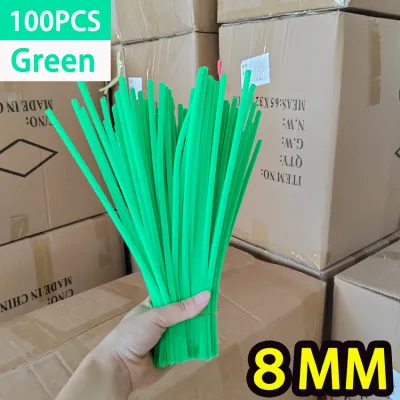
Fuzzy wires, often referred to as chenille stems, come in various specifications that directly impact how easily they can be manipulated by young hands. The thickness of the wire is one of the most critical factors to consider. Standard fuzzy wires, typically measuring around 6mm in diameter, are highly flexible and excellent for intricate details like delicate flower petals or small insect antennae. However, for larger structural elements like sturdy animal legs or thick plant stems, jumbo options measuring 9mm to 12mm or even thicker are far more suitable because they resist bending under weight.
Length is another key dimension to verify before purchasing a set. Most standard school kits contain pre-cut strands of 30 centimeters, which is a highly manageable length for individual student desks and standard classroom exercises. For larger, more ambitious installations or continuous wrapping tasks, some specialized sets offer continuous spools of fuzzy wire. While spools provide ultimate flexibility in length, they require careful cutting and handling, making pre-cut strands the more practical choice for younger students who need to work quickly and safely within a limited class period.
Products mentioned in this guide
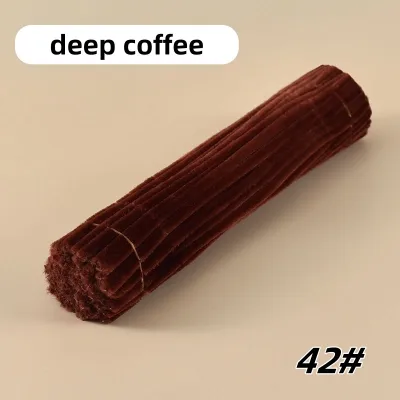
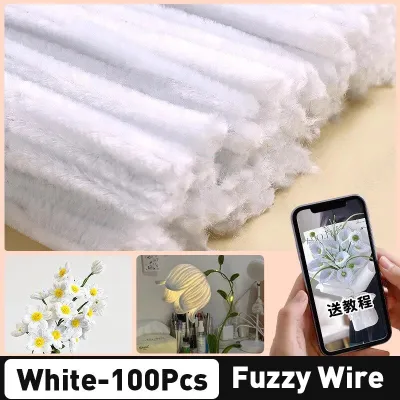
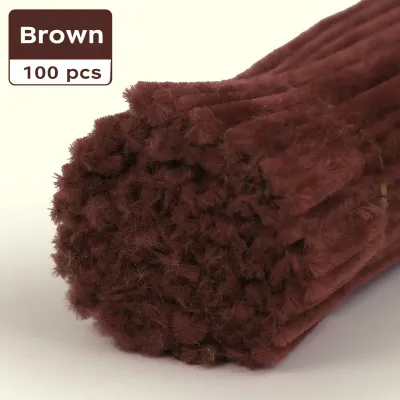
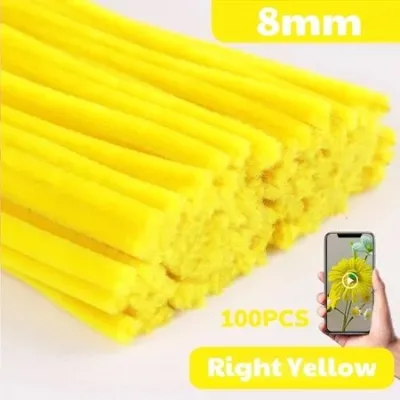

Prices are valid at publication and may change. Please refer to the product page for the latest price.
The relationship between the inner metal core and the outer plush covering determines both usability and appearance. A high-quality fuzzy wire features a flexible yet resilient iron core that withstands repeated bending without snapping. You can evaluate this by checking the product specifications for wire gauge or performing a manual test on a sample strand to see if it retains its shape. Simultaneously, look for high plush density; sparse fibers expose the bare metal wire underneath, which looks unfinished and can lead to accidental scratches.
Evaluating Art Supply Sets for Flower Crafts
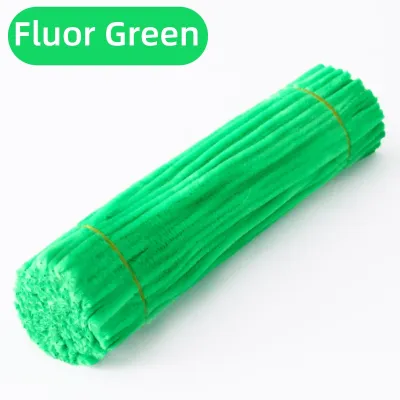
Creating botanical models requires a specific palette and supportive materials. When evaluating kits for a flower fuzzy wire project, prioritize sets offering varied shades of green for stems and leaves, alongside vibrant colors for petals. A well-rounded floral craft set should not rely on wire alone; it should provide a cohesive ecosystem of materials that help bring the botanical structures to life.

To elevate a basic wire flower, look for kits that include specialized floral accessories. Items such as artificial stamens, pre-made flower centers, and green floral tape are invaluable for adding realistic textures and securing multiple wire stems together. Floral tape, which becomes self-adhesive when stretched, is particularly useful in humid tropical climates where liquid school glues take too long to dry on metal cores. These accessories allow students to build complex, multi-layered blossoms that remain securely attached to their stems.
The gauge of the wire used for floral crafts must be carefully balanced. If the wire core is too thick, twisting multiple petals together at the base creates a bulky, unmanageable knot. Conversely, if the wire is too thin, the heavy flower head will droop. Look for sets that specify a medium-to-light wire gauge for the petals, allowing for tight, clean twists, while providing thicker, reinforced rods or paper-wrapped wire stems to support the weight of the completed blossom.
Selecting Fuzzy Wire Kits for Animal Figures
Building three-dimensional animal figures presents structural challenges. To prevent a fuzzy wire animal from collapsing under its own weight, the kit must offer structural stability. Look for sets that feature extra-thick strands or encourage double-strand twisting techniques to reinforce the limbs and torso. Some advanced kits include dedicated armature wire—a thicker, plain aluminum or copper wire—which serves as an internal skeleton over which the colorful fuzzy wires can be wrapped for maximum poseability.
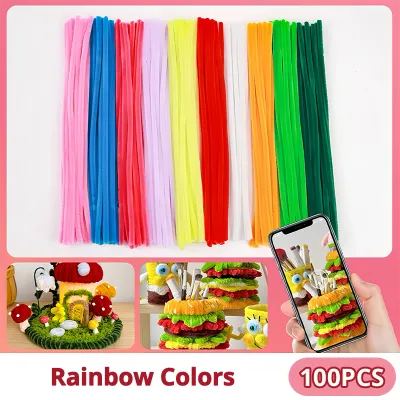
Color variety and texture are essential for capturing the diverse patterns of the animal kingdom. A suitable kit should include multi-color packs featuring natural tones like browns, blacks, grays, and whites, alongside vibrant colors for imaginative creatures. Some specialized sets offer striped or multi-toned fuzzy wires, which are perfect for creating tiger stripes, bee segments, or bird feathers without splicing different wires together. This variety allows students to achieve realistic textures with minimal effort.
When selecting a kit, check if the plush material is resilient enough to withstand the tight wrapping required to build solid animal bodies. Low-quality fibers tend to shed excessively when wrapped tightly around a core, leaving bald spots and a messy workspace. Opt for kits that specify shed-resistant fibers and have a dense, soft pile. This ensures that the finished animal figure looks cohesive, feels pleasant to touch, and holds its shape during classroom presentations.
Essential Accessories and Tools to Look For
A comprehensive fuzzy wire art set should minimize the need for separate shopping trips by including essential tools and decorative embellishments. While fuzzy wire is easy to bend, cutting the internal metal core requires appropriate tools. Look for kits that include child-safe craft scissors capable of cutting thin wire without dulling, or small, plastic-coated pliers designed for older students to bend and trim wire ends safely. Having these tools integrated into the set ensures that students can work independently.
Decorative add-ons greatly enhance the character of both animal figures and floral designs. Check the kit contents for a generous supply of googly eyes in various sizes, colorful pom-poms for animal heads or flower centers, and assorted beads that can be threaded onto the wires to represent dewdrop details or joint articulations. These small details transform simple wire bends into expressive, high-quality school projects.
Finally, consider the storage solution provided with the art set. Fuzzy wires and small accessories like beads and googly eyes can easily become cluttered or lost, especially when transported in a school backpack. A kit housed in a durable, compartmentalized plastic container or a resealable zipper pouch helps keep materials organized, prevents the wires from bending prematurely, and preserves leftover supplies for future school assignments.
Checking Product Labels and Safety Guidelines
Safety must always be a primary consideration when selecting art supplies for children. Before making a purchase, carefully read the manufacturer’s recommended age range on the packaging. Because fuzzy wires contain a metal core that can have sharp ends when cut, and kits often include small parts like beads and googly eyes, they are generally recommended for children aged three and older. For younger elementary students, adult supervision is recommended during the cutting and bending phases.
Verify that the art set complies with relevant safety standards and carries non-toxic certifications. Look for recognized safety marks on the label, which indicate that the materials have been tested for harmful chemicals and heavy metals. This is particularly important for school environments where children have prolonged hand contact with the plush fibers and may accidentally transfer residues to their faces.
Lastly, review the packaging for clear instructions on how to handle sharp edges safely. High-quality kits often include safety tips, such as instructions on how to fold the sharp metal tips backward or cap them with craft glue or small plastic beads. Ensuring that your child understands these basic safety practices before they begin crafting will prevent minor scratches and make the entire school project a safe, enjoyable experience.
Frequently Asked Questions (FAQ)
Can I use standard pipe cleaners instead of specialized fuzzy wire for flower stems?
Standard pipe cleaners can be used for simple, lightweight school crafts, but they often lack the structural strength required for elaborate flower stems. Specialized floral fuzzy wires typically feature a thicker, stiffer metal core designed specifically to support the weight of heavy flower heads without drooping. If you only have standard pipe cleaners available, you can increase their stability by twisting two or three strands together, or by wrapping them around a wooden skewer to ensure the stem remains upright.
How do I prevent the wire ends from poking through the plush covering?
To prevent the sharp metal core from poking through the plush fibers and causing scratches, always fold the exposed tip of the wire back onto itself by about five millimeters using small pliers or your fingers. Press the folded end tightly against the main stem to lock it in place. For added safety, especially in school projects handled by younger children, you can apply a small drop of white craft glue to the folded tip, or cap the sharp end with a small plastic bead.
Community discussion
Share your experience or ask a question. Comments are reviewed before publication.