
Selecting the best fuzzy wire sticks for school craft projects in the Philippines requires looking beyond bright colors. To ensure a safe and successful crafting experience, parents and educators must evaluate the structural integrity of the wire, the density of the plush fibers, and the safety of the ends. High-quality chenille stems allow children to bend, twist, and shape their creations repeatedly without the inner metal snapping or poking through. By focusing on non-toxic materials, age-appropriate sizes, and moisture-resistant packaging, you can find durable craft supplies that survive both the classroom and the tropical climate.
Essential Selection Criteria for Fuzzy Wire Sticks
The backbone of any fuzzy wire stick is its inner wire. A high-quality stick uses a flexible yet sturdy iron or steel wire that bends smoothly into sharp angles and curves without breaking. If the wire is too thin, it will not hold its shape under the weight of added beads or paper. If it is too stiff, young children will struggle to manipulate it, leading to frustration during school activities.
The plush exterior, typically made of polyester or nylon, should be densely wound around the wire core. Low-grade options often shed fibers as soon as they are bent, leaving a messy trail of colorful lint on school uniforms and study tables. In the humid climate of the Philippines, loose fibers can also trap moisture, leading to a damp texture and faster degradation. To test this, gently pinch the fibers and slide your fingers along the stick; minimal to no shedding indicates a well-made product.
Products mentioned in this guide
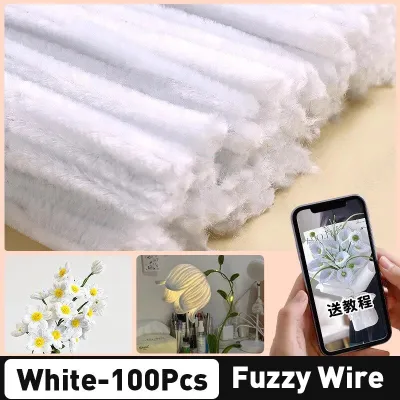
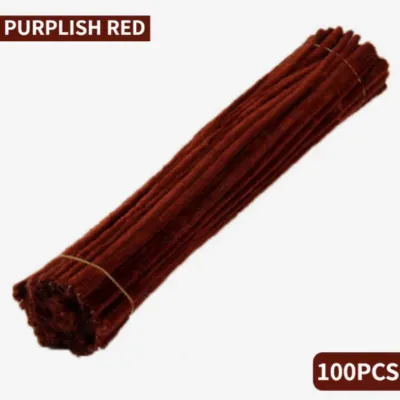
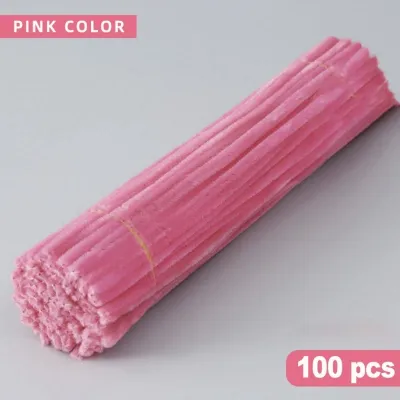
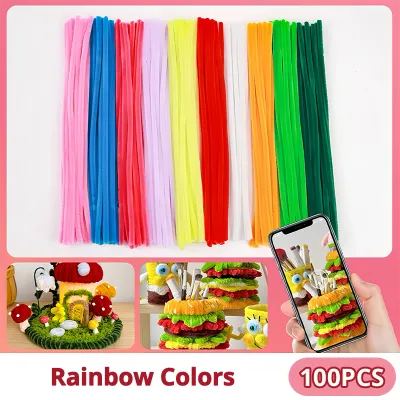
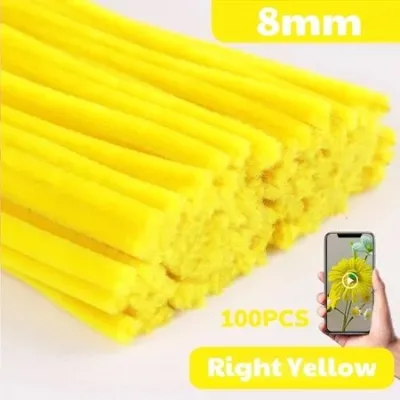

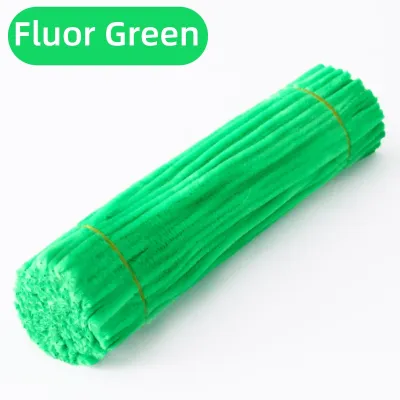
Prices are valid at publication and may change. Please refer to the product page for the latest price.
Standard fuzzy wire sticks measure approximately 30 centimeters in length and 6 millimeters in diameter. This standard size is highly versatile, fitting most school project templates and craft tutorials. For specialized projects, you might encounter jumbo sizes of 9 millimeters to 12 millimeters or extra-long variations. Always check the product specifications on the packaging to ensure the dimensions match the requirements of the school assignment.
Safety is paramount when children handle craft supplies. Look for clear packaging labels indicating non-toxic materials. Certifications such as EN71 or ASTM D-4236 provide peace of mind that the dyes and materials are safe for young hands. Additionally, check the manufacturer’s recommended age grading, as most fuzzy wire sticks are rated for children aged three and older due to the sharp wire ends.
Matching Materials to Age Groups and Project Types
For very young children, safety and sensory exploration are the primary goals. Jumbo-sized fuzzy wire sticks are excellent for this age group because their thicker profile makes them easier for small hands to grasp, helping to develop fine motor skills. The dense plush coating on jumbo sticks also provides better coverage over the wire ends, reducing the risk of accidental pokes. Always ensure close adult supervision, and take a moment to fold the sharp wire ends inward before handing them to a toddler.

Students in early elementary grades frequently use standard 6-millimeter fuzzy wire sticks for school activities. These versatile stems are perfect for learning activities like forming letters, numbers, and basic geometric shapes. They are also highly compatible with other common classroom materials, such as construction paper, cardboard tubes, and white school glue. At this stage, children can begin practicing simple twisting techniques to join multiple sticks together to build 3D structures like flowers or animals.
For older elementary and high school students, craft projects become more complex and detailed. These assignments might include building detailed science dioramas, creating wearable items like festive crowns, or constructing intricate anatomical models. Older kids benefit from a mix of standard sticks, ultra-thin stems for delicate details, and specialty textures like metallic tinsel or bumpy wave stems. These variations allow for realistic textures and stronger structural support in multi-layered projects.
When preparing for the school year, planning your color assortment can save time and money. Multi-color variety packs are ideal for general home crafting and spontaneous school assignments, offering a rainbow of options. However, if a specific project is assigned—such as building a model of a rainforest or a Christmas decoration—buying single-color bulk packs ensures you have enough of the primary color without wasting money on unused shades.
Building a Reliable Shopping Shortlist
When browsing local stationery shops or online marketplaces, look past the total price of the package and calculate the cost per piece. Divide the total price in ₱ by the number of sticks in the pack. Often, larger bulk packs of 100 or 200 pieces offer a significantly lower unit cost than small packs of 10 or 20. This is especially beneficial for teachers buying supplies for an entire classroom or parents stocking up for multiple school projects throughout the year.
The tropical climate in the Philippines brings high humidity, which can affect craft supplies over time. Look for fuzzy wire sticks that come in resealable plastic bags or sturdy, reusable storage boxes. Proper packaging keeps the sticks organized, prevents the fibers from collecting dust, and protects the inner wire from moisture-induced rust. If the product comes in a simple heat-sealed bag, plan to transfer the unused sticks to a zip-top bag or a plastic container at home.
E-commerce platforms are excellent resources for checking product quality before purchasing. Read customer reviews carefully, paying close attention to uploaded photos and videos. Look for feedback regarding whether the wire ends are excessively sharp, if the colors match the product photos, and if the fibers shed easily during bending. Reviews from other parents or teachers often highlight whether the sticks are durable enough for school use.
To ensure you receive safe, high-quality craft materials, purchase from established stationery brands, official flagship stores, or highly rated local sellers. Reputable sellers are more likely to stock products that comply with safety standards and offer accurate product descriptions. They also provide better customer service and reliable packaging, reducing the risk of receiving bent or damaged sticks during transit.
Safe Handling, Maintenance, and Storage Practices
Before letting children start their craft projects, conduct a quick safety check on each fuzzy wire stick. Run your fingers gently along the length to ensure the wire is fully covered by the plush fibers. Pay close attention to the ends, where the metal wire is cut. To prevent scratches, use a pair of small craft pliers to bend the sharp metal tips inward, or simply fold the last half-centimeter of the stick back on itself and press it flat.
Fuzzy wire sticks are generally low-maintenance, but they can collect dust or light craft residue like paper scraps and dried glue. To clean them, gently wipe the fibers with a dry microfiber cloth or a soft-bristled brush. Avoid washing them with water or liquid cleaners. Water can easily penetrate the synthetic fibers and reach the iron core, leading to rust that weakens the wire and leaves unsightly brown stains on the colorful plush.
Store your craft supplies in a cool, dry place away from direct sunlight. Prolonged exposure to the sun’s ultraviolet rays can fade the vibrant dyes of the fibers, making them look dull and worn. In the Philippines, where humidity is consistently high, storing the sticks in an airtight plastic container with a few food-safe silica gel packets is an excellent way to absorb excess moisture and prevent the inner wire from rusting.
Over time, some fuzzy wire sticks will become too worn, bent, or soiled to reuse. When discarding them, safety should remain a priority. To protect waste collectors and family members from accidental pricks, fold any exposed wire ends inward and wrap them in a small piece of masking tape or painters tape before throwing them into the household trash. Never flush craft materials down the toilet or discard them in outdoor environments, as the synthetic fibers do not biodegrade easily.
Frequently Asked Questions (FAQ)
Can fuzzy wire sticks be reused for multiple school projects?
Yes, fuzzy wire sticks can often be unbent and reused, but their lifespan depends on the intensity of their previous use. Each time the inner wire is bent and straightened, the metal undergoes structural fatigue. Over time, this makes the wire brittle, and it will eventually snap.
Before reusing a stick, inspect it for fiber matting, bald spots, or stubborn glue residue. If the stick was secured with hot glue or strong liquid adhesives, attempting to pull it apart may strip the fibers entirely, exposing the sharp metal core.
If the wire feels weak, has sharp bends that cannot be smoothed out, or shows signs of rust, it is best to discard it. For simple, glue-free projects like temporary color-matching games or basic shape practice, high-quality sticks can easily be reused dozens of times.
What is the difference between fuzzy wire sticks and pipe cleaners?
While the terms fuzzy wire stick and pipe cleaner are used interchangeably today, they historically referred to different items. Traditional pipe cleaners were invented to clean smoking pipes, featuring absorbent cotton fibers and stiff, abrasive bristles designed to scrub away residue.
Modern craft supplies, often labeled as fuzzy wire sticks or chenille stems, are designed specifically for art projects. They use soft, colorful synthetic fibers like polyester or nylon wrapped around a flexible wire core, making them much safer and more comfortable for children to handle.
When searching for these supplies on local e-commerce platforms in the Philippines, it is highly recommended to use both terms. Sellers often list them under multiple names—including chenille stems, pipe cleaners, and fuzzy wires—to capture all search queries, so searching both will help you find the best variety and prices.
Community discussion
Share your experience or ask a question. Comments are reviewed before publication.