
Finding the right Haikyuu stickers for anime journaling requires balancing visual style with paper compatibility. Because journaling involves layering materials, writing with various inks, and frequently turning pages, the ideal sticker set must not only capture the high-energy spirit of Karasuno, Aoba Johsai, or Nekoma but also perform well on standard notebook paper. Selecting the right stickers involves evaluating the material finish, adhesive strength, and print clarity so your spreads remain vibrant and flat over time. Whether you are designing a weekly spread dedicated to your favorite volleyball team or setting up a character-focused mood board, understanding how different sticker types interact with your journal pages is the key to a clean, professional-looking layout.
Key Factors for Choosing Haikyuu Stickers for Journaling
When selecting stickers for your journal, the material and finish dictate how the page looks and how well you can write around the design. Matte paper stickers are highly popular because they blend seamlessly with the texture of notebook pages. They have a non-reflective surface that allows you to write directly over them using gel pens, fine liners, or ballpoint pens without worrying about ink smudging. Glossy and holographic stickers, while offering vibrant color saturation and eye-catching shine, have a plastic coating that resists water-based inks. If you plan to write notes or draw lines over a glossy sticker, you will need a specialized permanent marker or a multi-surface pen.
Adhesive strength is another critical factor that affects the longevity of your journal. Repositionable adhesives, often found on washi-style sticker sheets, allow you to adjust the placement of a character if you make a mistake during layout setup. This is particularly useful for delicate, thin papers like 52 gsm or 68 gsm Tomoe River paper, where a permanent adhesive would cause immediate tearing or severe ghosting if peeled. Permanent vinyl stickers offer a secure, long-lasting bond that will not lift at the corners, but they are thicker and can make your journal bulk up quickly if used in excess. For standard 80 gsm to 120 gsm journal pages, a medium-strength adhesive provides the best balance of security and page safety.
Products mentioned in this guide

![[UPDATED] Haikyuu!! - Karasuno - Chibi - Waterproof Laminated Vinyl Stickers for Aquaflask Tumbler](https://img.lazcdn.com/g/p/f80eb1f18591d35674e5a344b11c7409.jpg_400x400q80.jpg_.webp)
Prices are valid at publication and may change. Please refer to the product page for the latest price.
Size and die-cut precision determine how well the stickers fit into standard journal grids. Most bullet journals use a 5mm dot grid, so choosing sticker sheets with a variety of sizes is highly beneficial. Large die-cut stickers measuring 5 cm or more work beautifully as central anchors for a page, while smaller stickers around 1 cm to 2 cm are ideal for tracking habits, marking dates, or filling small gaps in your layout. Look for kiss-cut sticker sheets with clean, precise borders. Poorly cut stickers can tear at the edges when you try to peel them, which ruins the clean lines of your spread and can lead to frayed paper edges.
Official Merchandise vs. Fan-Made Sticker Sets
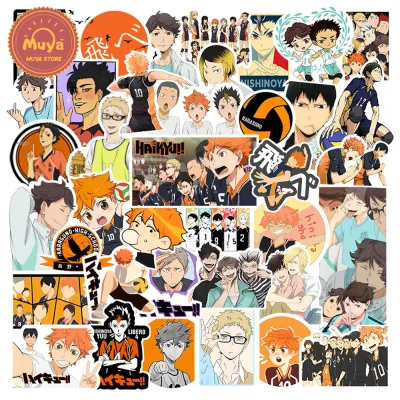
Official licensed Haikyuu stickers offer guaranteed character accuracy and exceptional print quality. These products are typically imported and can be identified by licensing stickers, holographic seals, or official copyright text from Shueisha or Toho Animation on the packaging. Official merchandise uses the exact key art from the anime or illustrations from the manga, ensuring that characters like Hinata, Kageyama, and Oikawa are depicted with perfect color matching and sharp line art. However, official sets are often produced in limited designs, focusing primarily on standard promotional poses, and can be more difficult to source through local retail channels.

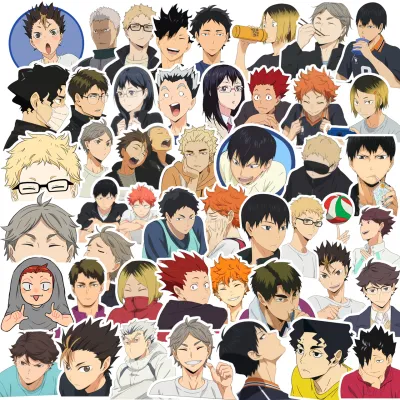
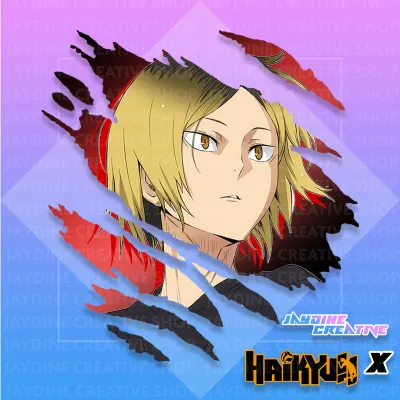
Fan-made sticker sets, created by independent artists, offer an incredible variety of stylized aesthetics that official merchandise rarely covers. You can find stickers featuring cozy slice-of-life scenes, chibi versions of the characters, watercolor portraits, or retro vaporwave designs. When evaluating fan-made stickers on creative platforms or local art markets, pay close attention to the artist’s description of paper thickness and print resolution. High-quality fan-made stickers often use premium matte paper or thin vinyl that rivals official products, but lower-tier prints may suffer from pixelation if the original digital artwork was not scaled correctly for printing.
Choosing between official and fan-made stickers comes down to a trade-off between collectibility and creative freedom. Official stickers are excellent for collectors who appreciate authentic, high-fidelity anime art and want to preserve the classic look of the series. Fan-made stickers are ideal for journalers who want to build highly personalized, thematic spreads that match specific color palettes or artistic styles. Combining both types in your collection allows you to use official art for dramatic focal points and stylized fan art for decorative accents and daily tracking.
Design Themes for Haikyuu Bullet Journal Spreads
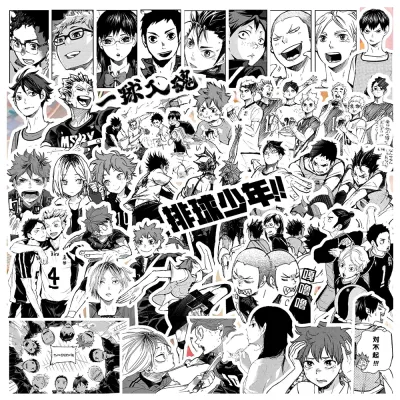
Creating a cohesive layout is easier when you base your spread on a specific design theme. Character-focused spreads allow you to highlight individual personalities and their journeys. For a lighthearted, casual daily log, chibi stickers with exaggerated expressions bring a playful, humorous energy to the page. If you are writing a reflective journal entry or setting long-term goals, using realistic anime portraits or dramatic manga panels can set a more serious, determined tone. Placing a large character sticker in the corner of your page provides a strong visual anchor that guides the rest of your layout.
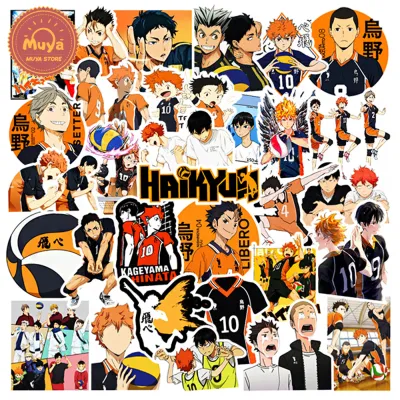
Team colors and jersey motifs offer an excellent way to color-code your monthly or weekly spreads. Haikyuu features distinct color schemes for each school, which you can replicate using stickers and matching stationery. For a Karasuno theme, combine bold orange and black stickers with matching highlighters. A Nekoma-themed spread benefits from deep red and black accents, while an Aoba Johsai layout looks clean and minimalist with turquoise and white stickers. Using stickers of team jerseys, banners, and school logos helps establish a unified color palette across your pages without requiring extensive drawing or painting.
Incorporating functional elements like iconic quotes, volleyballs, and court lines can improve the organization of your journal. Long, rectangular stickers depicting volleyball nets or court boundaries make excellent page dividers, separating your to-do lists from your personal reflections. Small volleyball stickers can be used as bullet points for task lists, turning a standard planning routine into an interactive, themed experience. Placing motivational quotes, such as Karasuno’s “Fly” or Inarizaki’s “We Don’t Need Memories,” at the top of your weekly spread serves as a daily source of inspiration as you work through your tasks.
Where to Find Reliable Haikyuu Sticker Sellers
When shopping for Haikyuu stickers on online marketplaces or local stationery platforms, verifying seller reliability is essential for avoiding low-quality prints. Always read customer reviews and look for uploaded photos of the actual stickers in use. These photos allow you to check the color accuracy under natural light and see if the die-cut edges are clean. A reputable seller will provide detailed material descriptions, specifying whether the stickers are made of matte paper, glossy paper, or waterproof vinyl, along with the exact dimensions of the sheets.
Be aware of common red flags that indicate poor manufacturing quality. Listings that only use digital mockups instead of real product photos often hide printing defects. Red flags include pixelated lines, washed-out colors where the vibrant team uniforms look dull or faded, and extremely thin paper that tears easily when peeled from the backing. If a listing lacks detailed specifications or uses vague terms like “high-quality paper” without clarifying the weight or finish, it is best to ask the seller for clarification before making a purchase.
In the local market, sticker sheets typically range from ₱30 to ₱150 depending on the material, size, and whether they are official or fan-made. When comparing prices, factor in shipping costs and look for sellers who offer bundled sets to save on delivery fees. Ensure the seller packages the stickers with rigid cardboard backing or inside bubble mailers. Proper packaging prevents the sheets from bending, creasing, or sustaining water damage during transit through local sorting facilities, ensuring they arrive in pristine condition for your journal.
Tips for Applying and Protecting Stickers in Journals
To ensure your stickers adhere properly and do not damage your journal pages over time, proper application is key. Before placing a sticker, make sure the paper surface is clean and free of dust or oils from your hands. If you are using a new sticker brand or working with highly delicate paper, perform a quick test by applying a small, unused scrap of the sticker backing or a minor decorative sticker to an inconspicuous back page of your journal. This allows you to observe how the adhesive reacts with the paper over 24 hours, checking for any oil bleeding or ghosting.
Protecting your completed spreads prevents glossy stickers from smudging and paper stickers from peeling. If you use wet inks, such as gel pens or water-based brush markers, allow the ink to dry completely before placing stickers adjacent to your writing. For journals that are carried around frequently, placing a sheet of wax paper or a plastic pencil board between the pages when the book is closed can prevent stickers on opposing pages from sticking to each other or peeling due to friction. If you use thick vinyl stickers, try to distribute them evenly throughout the journal rather than clustering them in one section, which can warp the binding.
If you need to remove or reposition a sticker, doing so carefully will prevent tearing the underlying page. Avoid pulling the sticker straight up, as this exerts maximum tension on the paper fibers. Instead, use a thin, flat tool like a plastic palette knife or fine tweezers to gently lift one corner. Slowly peel the sticker back at a sharp angle, keeping it as flat to the page as possible. For stubborn adhesives, applying gentle warmth from a distance can soften the glue, allowing for a clean release without leaving sticky residue or ripping the paper.
Frequently Asked Questions (FAQ)
Can I use Haikyuu stickers on dark or black journal paper?
Yes, but you must select your sticker materials carefully to ensure the designs remain visible. Standard paper stickers are often translucent, meaning the dark background will show through and make the characters look muddy or invisible. To make your Haikyuu stickers stand out on black or dark kraft paper, choose vinyl stickers that feature a white ink underprint or a solid white border. This opaque backing blocks the dark paper underneath, keeping the colors of the uniforms and characters vibrant. Alternatively, you can layer a piece of light-colored washi tape or a scrap of white paper underneath a translucent sticker to create a bright base.
How do I store unused sticker sheets to prevent curling?
Sticker sheets are highly sensitive to environmental changes, particularly humidity and temperature fluctuations. In tropical climates, high humidity can cause the paper backing and the sticker layer to expand at different rates, leading to curling or edge peeling. To prevent this, store your unused Haikyuu sticker sheets flat inside a rigid plastic folder, a dedicated sticker book, or a drawer away from direct sunlight and moisture. Placing a small packet of silica gel inside your storage container can help absorb excess moisture, keeping your sticker sheets perfectly flat and ready for your next journaling session.

Community discussion
Share your experience or ask a question. Comments are reviewed before publication.