
When planning a children’s birthday celebration in the Philippines, the party favors—often called loot bags—are one of the most highly anticipated highlights for young guests. These small tokens of appreciation require packaging that is not only visually appealing but also structurally sound enough to survive the journey home. Loop bags, characterized by their convenient handles, are an excellent choice for distributing these treats. Selecting the best loop bags for a kids’ party involves evaluating several practical factors, including the physical dimensions of your favors, the durability of the bag materials under tropical conditions, and how well the design matches your party theme. By focusing on these core criteria, you can ensure that your party favors remain intact, organized, and exciting for every child who attends.
Quick Guide to Selecting Loop Bags for Party Favors
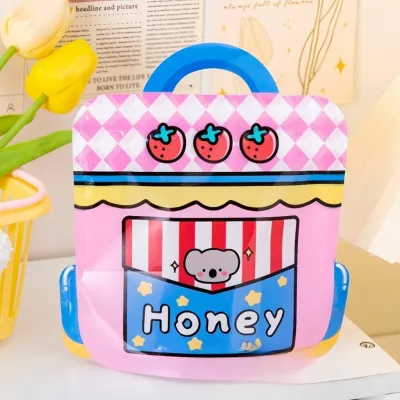
Loop bags are a popular and practical choice for children’s party favors because they are easy for small hands to carry. In the context of party planning, a loop bag generally refers to any favor bag equipped with a handle system. These typically fall into two main categories: die-cut handles, which are cut directly into the upper portion of the bag material, and attached loop handles, which consist of separate loops made of ribbon, rope, twisted paper, or soft plastic secured to the top rim.
When selecting the ideal loop bags for your event, your decision process should rest on three primary pillars. First, you must consider the capacity of the bag to ensure it comfortably holds all your planned treats without bursting. Second, you need to evaluate the material strength, ensuring the bag can withstand the active movements of excited children. Third, the visual theme must align with your party’s overall aesthetic to create a cohesive and festive experience.
Products mentioned in this guide
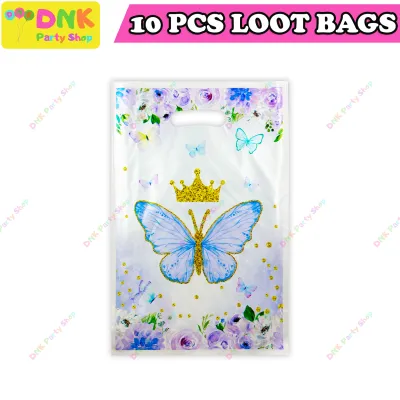
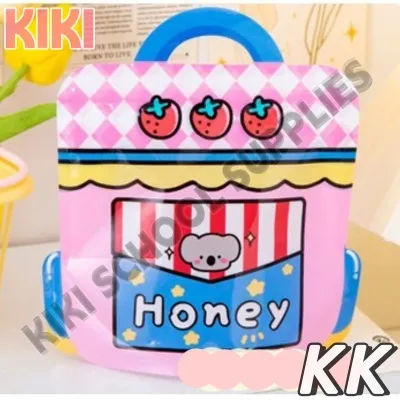
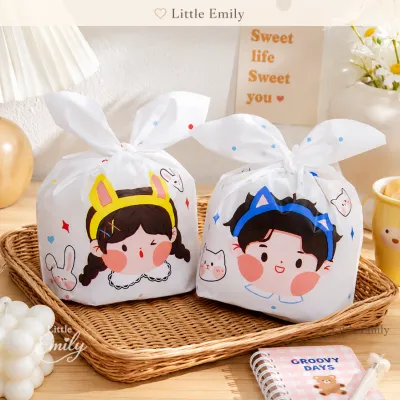
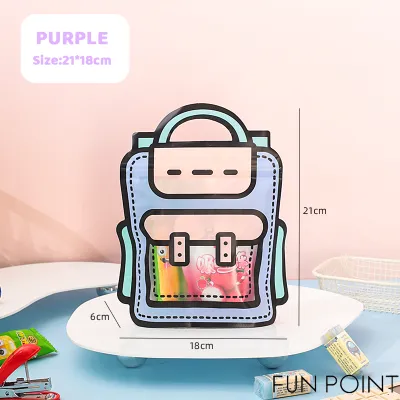
Prices are valid at publication and may change. Please refer to the product page for the latest price.
Because specific product availability and inventory levels fluctuate constantly on local ecommerce platforms, focusing on these three pillars will help you make an informed decision regardless of the exact brands or listings available at the time of purchase.
Matching Bag Size to Your Party Favors
Choosing the correct bag size is a critical step that prevents the frustration of favors not fitting or bags tearing open during the party. To determine the minimum dimensions you need, start by gathering all the favor items you plan to distribute. Identify the single largest or bulkiest item, such as a boxed toy, a coloring book, or a standard drink bottle. Use a ruler to measure its height, width, and depth. Your chosen loop bag must have a width and depth that exceed these measurements by at least two to three centimeters to allow for easy packing and unpacking.

The structural style of the bag plays a major role in how well it accommodates three-dimensional items. Flat loop bags, which have no side or bottom folds, are highly suitable for flat items like stickers, temporary tattoos, customized notebooks, and small sticker sheets. However, if you attempt to stuff bulky items like juice boxes, plastic toys, or round containers into a flat bag, the sides will stretch awkwardly, reducing the usable height and putting immense pressure on the seams. For three-dimensional favors, gusseted loop bags—which feature expandable side or bottom folds—are far superior. The gusset allows the bag to open into a box-like shape, maximizing internal volume and keeping the base flat so the bag can stand upright on a display table.
Before finalizing your bag selection, it is essential to estimate the total weight of the favors to prevent handle failure. Children are naturally active and will likely carry their bags with enthusiasm, swinging them or dropping them as they play. To ensure your bags can handle the load, use this simple weight-verification checklist:
- Weigh the Favors: Weigh a complete set of favors on a kitchen scale to find the total weight per guest.
- Check Capacity: Compare this total weight against the manufacturer's specified weight capacity for the bag, if available.
- Test the Handles: Check if the handle attachment area shows signs of stretching or tearing when a sample bag is filled and gently shaken.
- Prioritize Reinforcement: If the total weight exceeds 500 grams, prioritize bags with reinforced bases and heavy-duty attached handles rather than thin paper options.
Evaluating Materials and Handle Durability
The material of your loop bags directly impacts their durability, cost, and how well they hold up in the warm, humid climate of the Philippines. Kraft paper is a highly popular option for its classic, rustic appearance and eco-friendly appeal. It is lightweight and relatively inexpensive, making it an excellent choice for budget-conscious planners. However, untreated kraft paper has low moisture tolerance. In high-humidity environments or during outdoor parties where condensation from cold drink bottles can accumulate, kraft paper can quickly soften and tear.
Coated art paper offers a step up in both durability and visual appeal. This material features a smooth, semi-glossy or glossy coating that provides a degree of resistance against light moisture and spills. The coating also allows for vibrant, high-resolution color printing, making it ideal for bright, character-themed designs. While coated art paper is more resilient than standard kraft paper, it is still susceptible to creasing and can tear if subjected to sharp objects or excessive weight.
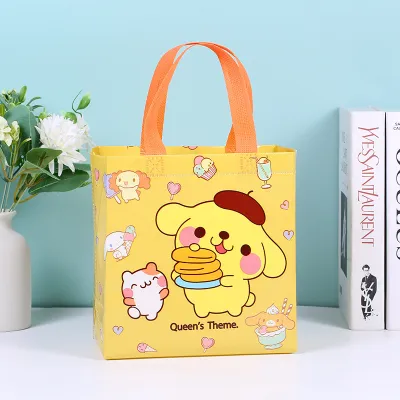
For maximum durability and reusability, non-woven fabric loop bags are an outstanding alternative. Made from synthetic fibers bonded together, non-woven fabric is highly resistant to tearing, completely water-resistant, and strong enough to carry heavier items like books or small toys. These bags also double as a functional souvenir, as parents and children can reuse them for school lunches or shopping long after the party is over. The primary trade-off is a higher unit cost compared to paper alternatives.
Regardless of the material you choose, verifying the reinforcement of the handles is crucial. For paper bags, look for designs that feature a folded top rim, which doubles the thickness of the paper where the handles are attached. High-quality paper loop bags will also have a glued cardboard patch on the inside of the rim to distribute the pulling force of the handles. For non-woven bags, check if the handles are secured with cross-stitching or heat-welded seals, which offer superior strength compared to simple glue.
Finally, keep safety and comfort in mind for your young guests. If you select bags with die-cut handles, inspect the edges to ensure they are smooth and free from sharp plastic or paper burrs that could scratch sensitive skin. Additionally, avoid bags that emit a strong, pungent chemical odor upon opening, which often indicates the use of cheap, low-grade solvents or adhesives. Opt for suppliers that specify the use of non-toxic, water-based inks and food-safe materials.
Picking Kid-Friendly Themes and Designs
The visual design of your loop bags sets the tone for the excitement of receiving a party favor. One of the most versatile and budget-friendly approaches is using solid-colored bags as a blank canvas. By purchasing plain white, pastel, or kraft loop bags in bulk, you can easily customize them to match any specific party theme. This approach allows you to incorporate creative wrapping paper accents, colorful ribbons, or decorative bows tied around the handles. You can also print custom stickers featuring the celebrant’s name and the party date, creating a personalized touch without the high cost of custom-printed bags.
Pre-printed character themes are another popular option, offering instant recognition and excitement for children. Whether your party theme revolves around popular animated movies, superheroes, or whimsical animals, pre-printed bags save time and effort. However, when choosing pre-printed designs, it is important to opt for patterns that are universally appealing and age-appropriate. Minimalist patterns, such as classic polka dots, stripes, chevron, or stars, are excellent alternatives that feel festive without being tied to a specific commercial franchise, making them suitable for mixed age groups.
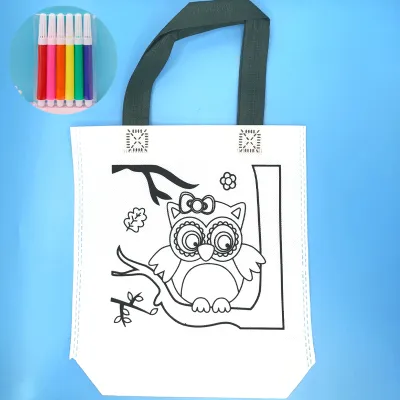
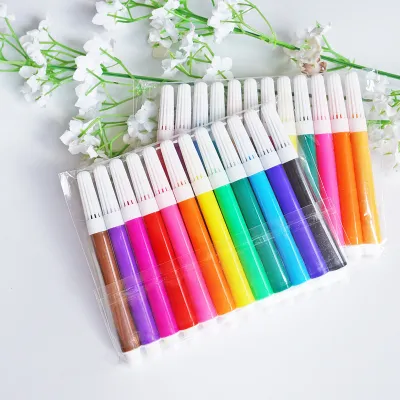
If you plan to personalize the bags yourself or have the children decorate them as a party activity, consider the practicality of the bag’s color. Light-colored bags, such as white, cream, or light yellow, are highly practical because they allow standard markers, colored pencils, and ink stamps to show up clearly. Dark-colored bags, such as navy blue, forest green, or black, require specialized metallic or opaque paint markers to achieve visible customization, which can add to your preparation costs.
In the tropical climate of the Philippines, where children’s hands are often warm and sweaty from playing party games, print quality is a major consideration. Poorly manufactured bags with low-quality ink can easily smudge, transferring dye onto children’s hands, faces, or party clothes. To prevent this, look for product specifications that mention colorfastness or UV-cured inks. If you are unsure of the print quality, you can perform a simple test on a sample bag by rubbing a damp white cloth firmly against the printed surface; if any color transfers to the cloth, the ink is not stable enough for a children’s event.
Sourcing Loop Bags and Verifying Specifications
Sourcing loop bags online requires a systematic approach to ensure you receive products that match your expectations. When browsing online marketplaces, do not rely solely on the product titles or promotional images, which can often be misleading. Instead, carefully cross-check the detailed product specifications listed by the seller. Pay close attention to the exact dimensions (height, width, and gusset depth) and the material weight, which is typically measured in GSM (grams per square meter) for paper and fabric. For a sturdy paper bag, aim for a material weight of at least 120 GSM, while non-woven fabric bags should ideally be 70 GSM or higher to ensure adequate strength.
As you compare different options, calculate the total cost per unit in Philippine Pesos (₱), factoring in any shipping fees or bulk discounts. This allows you to stay strictly within your party budget while comparing the value of different materials. For example, while a non-woven fabric bag may have a higher initial unit price than a paper bag, its durability and reusability might offer better overall value if you are distributing heavier favors.
To avoid last-minute disappointments, it is highly recommended to order a small sample batch of five to ten bags before committing to a large bulk order. This trial run allows you to physically inspect the bags, test their capacity with your actual favor items, and evaluate the strength of the handles. You can also check the print quality and ensure there are no chemical odors or manufacturing defects that could compromise the safety of the children.
When evaluating online listings, be alert to common red flags that indicate a potentially low-quality product or an unreliable seller. Avoid listings that omit precise dimensions or use vague terms like “medium size” without numerical measurements. Be cautious of sellers who do not provide clear, close-up photos of the handle attachments or the interior of the bag. Finally, read through customer reviews carefully, looking specifically for photos uploaded by previous buyers. These real-world images offer the most accurate representation of the bag’s actual color, size, and structural quality under normal use.
Frequently Asked Questions (FAQ)
Can I use standard plastic grocery bags with loop handles instead of dedicated party favor bags?
Standard plastic grocery bags with loop handles are generally not recommended for children’s party favors. These bags are designed for utility rather than celebration, and their thin, translucent material lacks the festive visual appeal expected at a birthday party. Furthermore, using repurposed grocery bags raises safety and hygiene concerns, as they must be completely clean, odor-free, and free from any previous food residue or chemical contaminants.
If budget constraints require you to use plain, utility-style loop bags, you can significantly upgrade their appearance. Wrap the handles with colorful satin ribbons, attach a personalized cardstock gift tag with a decorative bow, or apply large, vibrant custom stickers to the front of the bag to transform a mundane item into a delightful, theme-appropriate favor container.
How far in advance should I order custom-printed loop bags?
When ordering custom-printed loop bags, you should ideally place your order at least four to six weeks before the scheduled date of the party. Sourcing customized items involves several distinct phases, including design approval, sample production, bulk manufacturing, and shipping. If your supplier is located overseas or in a different province, shipping alone can take up to two weeks, especially during peak holiday seasons or periods of inclement weather in the Philippines.
Building a generous buffer period into your timeline accounts for potential printing errors, transit delays, or customs clearance issues. To safeguard your event against unexpected shortages, it is also wise to purchase a small reserve of plain, high-quality loop bags in a coordinating color. This backup supply ensures you can quickly accommodate any last-minute guest additions or replace any bags that get damaged during party setup.
What is the best way to pack heavy items like books or bottles in paper loop bags?
Packing heavy or dense items in paper loop bags requires careful technique to prevent the bottom from blowing out or the handles from tearing. Always place the heaviest items, such as books, heavy plastic toys, or glass jars, at the very bottom center of the bag. This distributes the weight evenly across the base and prevents the bag from tipping over when placed on a flat surface.
To further reinforce the base, cut a piece of stiff cardboard to match the dimensions of the bag’s bottom and place it inside as an insert; this simple addition maintains the bag’s shape and prevents sharp corners from puncturing the paper. If the combined weight of your favors feels close to the bag’s limit, you can manually reinforce the handles. Apply a strip of heavy-duty double-sided tape or clear packing tape along the inside fold of the top rim where the handles are attached, which helps distribute the pulling force and significantly reduces the risk of tearing.

Community discussion
Share your experience or ask a question. Comments are reviewed before publication.