
Choosing the right macaroni beads—the slender, tube-like cylindrical beads that add elegant structure to jewelry—depends on matching their dimensions, hole diameter, and finish to your specific design and stringing material. In the local DIY craft scene, these beads are highly popular for creating everything from breezy summer necklaces to personalized phone straps. Miscalculating these specifications often leads to common crafting headaches, such as heavy beads drooping on thin elastic or wire that refuses to pass through a tiny bead opening.
Quick Guide to Selecting Macaroni Beads
To ensure a successful jewelry project, your selection process should always align the physical traits of the bead with your structural design. Macaroni beads serve as excellent spacers, structural bars, or primary design elements, but their success relies entirely on compatibility. Before purchasing, you must verify that the bead’s length fits the curve of your piece, its weight matches your stringing medium, and its inner hole is wide enough to accommodate your cord.
By taking a systematic approach to these specifications, you prevent structural failures, uneven draping, and wasted materials. Whether you are assembling a delicate bracelet or a bold statement collar, understanding how size, hole diameter, and surface finish interact will elevate your work from a simple hobby project to a durable, professional-grade accessory.
Products mentioned in this guide
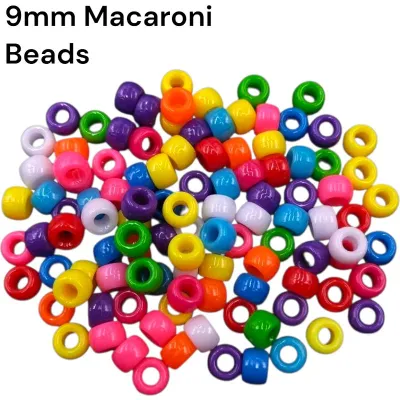
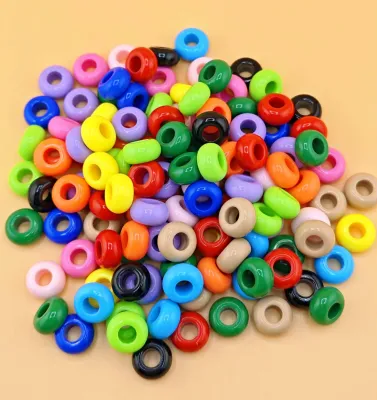
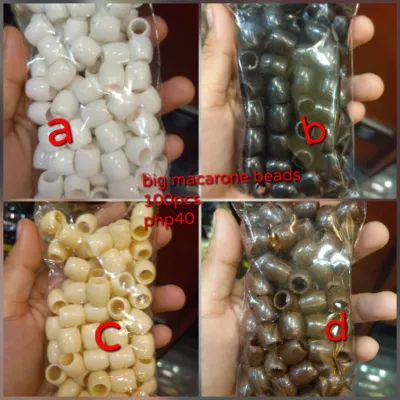
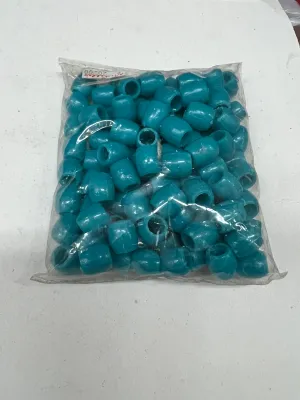
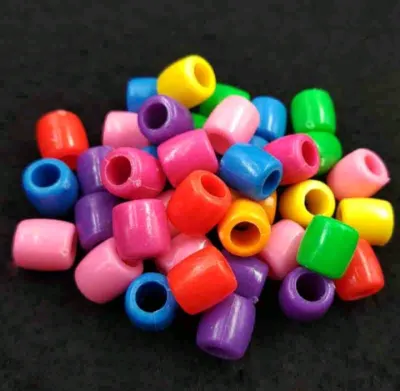
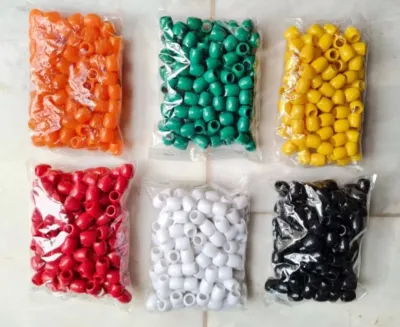
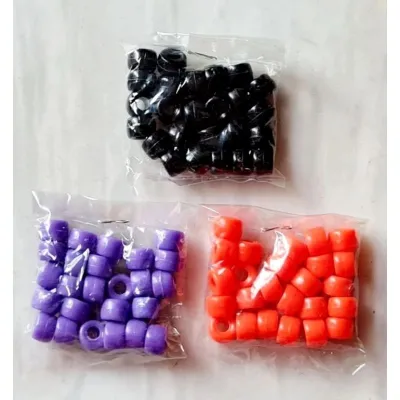
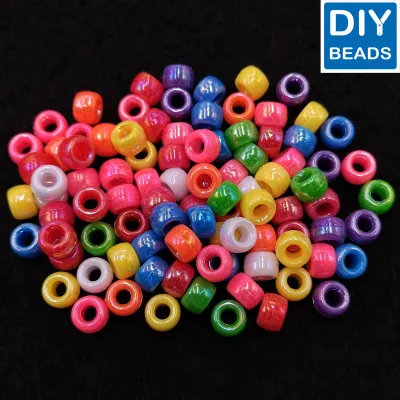
Prices are valid at publication and may change. Please refer to the product page for the latest price.
Decoding External Dimensions and Design Scale
Macaroni beads are defined by their elongated, tubular shape, making their external length and width the primary drivers of your jewelry’s overall drape and visual weight. Typically categorized into small (2mm to 5mm in length), medium (6mm to 12mm), and large (15mm or longer), these dimensions dictate the scale of your finished piece. A delicate, multi-stranded bracelet benefits from small, subtle tubes, whereas a bold statement necklace calls for larger, eye-catching segments that anchor the design.

The length of the tube directly impacts how the finished jewelry moves and contours against the body. Longer tubes create a more rigid, geometric structure because the stringing material remains straight inside each bead for a longer distance, making them ideal for chokers, structural drop earrings, or bar-style pendants. Conversely, shorter tubes allow for a highly fluid drape, bending easily around the wrist or neckline without creating awkward, angular gaps.
When planning your layout, decide whether your design demands strict uniformity or a more organic, textured look. For minimalist, modern patterns, sourcing beads with highly consistent lengths ensures clean, symmetrical lines. For bohemian or eclectic styles, mixing varied lengths and widths adds visual interest and a handcrafted charm.
For casual crafters, minor size variations within a single strand are rarely noticeable once the piece is fully assembled and draped. Unless you are executing highly precise bead-weaving techniques, minor millimeter discrepancies in length will blend seamlessly into the natural curve of a flexible necklace or bracelet, saving you from the tedious task of measuring every single bead with a caliper.
Hole Diameter: Matching Beads to Stringing Materials
The hole diameter is the most critical functional specification of any macaroni bead, as it determines which stringing materials can physically support your design. A beautifully selected bead is useless if your chosen cord cannot pass through its center, or if the bead wobbles excessively on a wire that is too thin. Checking this measurement beforehand ensures structural integrity and a professional finish.
Standard macaroni beads typically feature hole diameters ranging from 0.5mm to 1mm, which pair perfectly with standard beading wire, fine nylon monofilament, or silk thread. These thinner stringing materials allow the beads to sit snugly and align perfectly in a straight line. For delicate beadwork, a 0.3mm to 0.45mm stainless steel wire provides excellent strength while sliding effortlessly through even the narrowest glass tube beads.
When your project demands thicker stringing materials—such as 1mm elastic cords for stretch bracelets, leather strips, or braided nylon cords—you must specifically seek out large-hole macaroni beads. These variants, often featuring openings of 1.5mm to 2mm or larger, are also essential for designs that require multiple passes of the thread through a single bead, a common requirement in secure knotting and complex weaving patterns.
To avoid purchasing mistakes when shopping online, never rely on vague marketing terms like “large hole” or “universal fit.” Always scroll down to the technical specifications to find the exact millimeter measurement of the inner diameter. Compare this figure directly with the decimal diameter of your stringing wire or cord, leaving a small margin of clearance (at least 0.1mm) to ensure smooth, frustration-free assembly.
Evaluating Finish, Texture, and Color Consistency
The surface finish of macaroni beads defines how they interact with light and how they feel when worn. Common finishes include high-shine glossy, soft matte, reflective metallic, solid opaque, and light-catching transparent. In a warm, humid tropical climate, metallic-plated plastic beads can sometimes tarnish or peel when exposed to sweat and moisture over prolonged periods; therefore, choosing high-quality glass or solid-color acrylic is often wiser for daily-wear items.
Texture also plays a vital role in both aesthetics and comfort, especially for jewelry that sits directly against the skin. Smooth, polished tubes glide comfortably along the collarbone or wrist, offering a sleek and modern tactile experience. Ridged or carved macaroni beads, on the other hand, catch the light dynamically and add a rustic, tactile dimension, though they should be checked for sharp edges that might snag on delicate clothing.
If your design relies on solid-color geometric patterns or symmetrical layouts, color consistency across your bead supply is paramount. Beading manufacturers produce items in batches, and subtle shifts in temperature or dye mixtures can cause noticeable color variations between different production lots. When ordering in bulk for a large project, try to purchase all your beads from the same dye lot or batch to ensure a perfectly uniform appearance.
Conversely, if you are crafting mixed-media, highly textured, or deliberately eclectic pieces, strict color uniformity becomes far less critical. Embracing slight variations in shade and tone can actually enhance the organic beauty of your jewelry. For these projects, purchasing budget-friendly mixed assortments or assorted bead bags is a cost-effective way to acquire a diverse palette of macaroni beads without paying premium single-color prices.
Pre-Purchase Selection Checklist
Before finalizing your purchase, running through a quick verification checklist will save you time and prevent costly ordering errors. Follow these steps to ensure your macaroni beads are perfectly suited to your creative vision:
- Define the Design Scale: Determine whether your project requires small, medium, or large tube beads, keeping in mind how their length will affect the drape and flexibility of the piece.
- Choose the Stringing Material: Select your wire, thread, elastic, or cord based on the desired durability and style of the jewelry.
- Verify the Hole Diameter: Confirm that the inner hole of the bead is at least 0.1mm larger than the thickness of your stringing material (or twice as large if making multiple passes).
- Select the Finish and Check Consistency: Choose a finish that suits your design aesthetic and environmental conditions, and verify if you need a single, uniform dye lot or a varied mix.
If you are sourcing from a new supplier, experimenting with an unfamiliar finish, or trying to match a very specific cord thickness, it is highly recommended to order a single strand or a small sample pack first. Spending a small amount—often just ₱50 to ₱150—to test the beads in hand is a smart safeguard before investing in wholesale quantities for production.
Frequently Asked Questions (FAQ)
Are plastic or glass macaroni beads better for beginners?
For beginners, plastic macaroni beads (such as acrylic or resin) are generally the most forgiving and practical option. They are highly lightweight, exceptionally durable against accidental drops, and very budget-friendly, allowing you to practice stringing and knotting techniques without worrying about material costs. Plastic beads are also excellent for large, chunky statement pieces that would otherwise become too heavy to wear comfortably if made of glass.
However, glass macaroni beads offer distinct advantages for intermediate crafters. Glass provides a more luxurious, premium weight, a superior drape that hugs the body naturally, and beautiful light refraction that plastic cannot replicate. The trade-off is that glass is heavier and more fragile; it can crack if dropped on hard floors and may feature sharp edges that can slice through cheap threads, requiring the use of high-quality, abrasion-resistant beading wire.
Community discussion
Share your experience or ask a question. Comments are reviewed before publication.