
Gifting during the Christmas season in the Philippines often revolves around temporary novelties, but a practical, long-lasting guide on self-reliance offers enduring value. A high-quality no grid survival project book serves as an empowering resource for outdoor enthusiasts, hobbyists, and anyone interested in emergency preparedness. These books provide actionable knowledge that remains useful long after the holiday decorations are packed away.
To choose the perfect book, you must evaluate the recipient’s current skill level, the physical durability of the volume, and how well the projects translate to a tropical environment. By matching the book’s content to their practical experience and ensuring the physical format can withstand demanding use, you can give a thoughtful, premium gift that truly keeps on giving.
Understanding the Recipient's Self-Reliance Level
Selecting the right book requires a clear assessment of the recipient’s existing knowledge and practical experience. If you gift a highly technical manual to a complete beginner, they may feel overwhelmed by complex engineering diagrams and abandon the book entirely. Conversely, an advanced homesteader will find little value in a basic guide that spends chapters explaining how to pack a simple emergency backpack.
Products mentioned in this guide
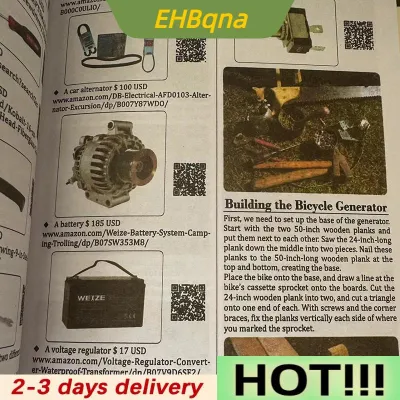
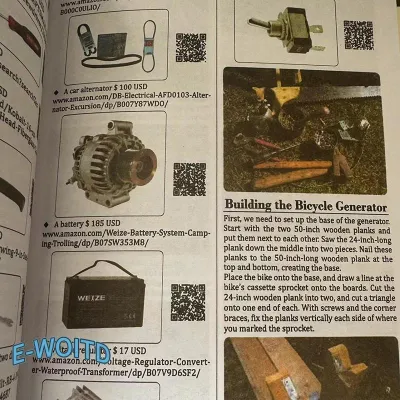
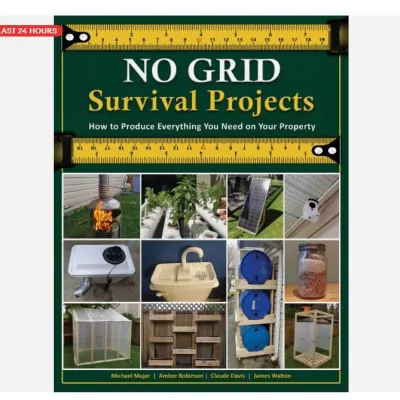
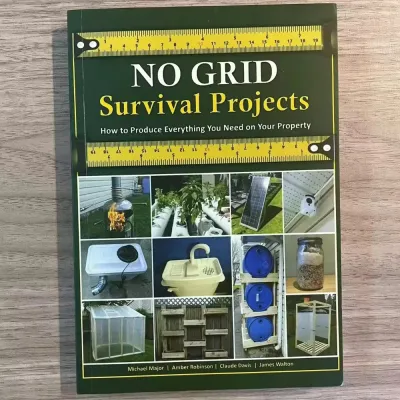
Prices are valid at publication and may change. Please refer to the product page for the latest price.
For beginners, look for books that focus on foundational theory, basic safety protocols, and simple, high-success-rate projects. These guides should explain the core concepts behind survival skills, offering clear, step-by-step instructions for tasks like basic water purification or assembling a home first-aid kit. The goal for this level is to build confidence without requiring specialized tools or expensive materials.
Intermediate hobbyists are usually ready for hands-on, specific project guides. They likely understand basic survival concepts and want to build physical systems, such as small-scale rainwater collection setups, simple solar chargers, or backyard composting bins. Books for this group should feature detailed material lists, clear diagrams, and practical troubleshooting tips for common construction mistakes.
Advanced homesteaders and off-grid enthusiasts require highly technical reference manuals or niche engineering texts. They are interested in long-term sustainability, complex system integration, and deep technical details. Look for books that cover advanced topics like off-grid solar array calculations, micro-hydroelectric systems, or complex structural builds. These readers appreciate dense data tables, precise formulas, and professional-grade schematics.
Key Categories of No-Grid Survival Project Books to Consider
Off-grid living and survival skills span a wide range of disciplines, from wilderness survival to long-term agricultural planning. To find the ideal gift, it helps to categorize these books into distinct focus areas based on what your recipient enjoys most. By narrowing down their specific interests, you can select a book that aligns perfectly with their weekend hobbies or long-term lifestyle goals.

Foundational Survival and Bushcraft
Foundational survival and bushcraft books focus on immediate, short-term survival in wilderness environments. These guides are excellent for hikers, campers, and outdoor adventurers who want to learn how to thrive using only what they can carry. When evaluating these books, prioritize titles that emphasize practical, step-by-step field skills over purely theoretical survival philosophy.
A great bushcraft book should feature clear, detailed illustrations for essential tasks like knot-tying, shelter construction, and fire-starting methods. In a tropical climate, understanding how to build elevated shelters to avoid damp ground and crawling insects is highly valuable. Look for diagrams that show exactly how to lash bamboo or local timber together securely, as visual aids are much easier to follow in the field than dense blocks of text.
Off-Grid Homesteading and Energy
Off-grid homesteading books shift the focus from short-term survival to long-term, self-sufficient living. These manuals cover the design and maintenance of independent power, water, and waste management systems. They are perfect for individuals planning to build a rural retreat or those wanting to make their suburban homes more resilient to utility outages.
When evaluating these system designs, it is crucial to consider how they perform in high-humidity or tropical environments. A book that focuses solely on freezing northern climates may recommend insulation techniques or heating systems that are irrelevant or even counterproductive in a warm, humid climate. Look for guides that address tropical challenges, such as managing mold in solar battery enclosures, protecting electrical connections from corrosion, or designing gravity-fed water systems that handle heavy seasonal rainfall.
Foraging, Agriculture, and Food Preservation
Books in this category teach readers how to secure a sustainable food supply without relying on modern grocery chains or refrigerated supply lines. They cover everything from small-scale organic gardening to identifying wild edible plants and preserving seasonal harvests. This is an incredibly rewarding area of study for anyone interested in food security and traditional culinary skills.
For foraging guides, region-specific botanical information is absolutely vital to prevent dangerous misidentifications. A general foraging book written for North America or Europe will be of little use in a tropical ecosystem and could lead to hazardous mistakes. Additionally, look for food preservation sections that focus on methods practical in warm, humid climates, such as solar drying, fermentation, and hot-water bath canning, rather than techniques that rely on cool, dry root cellars which are difficult to maintain locally.
What to Check Before Buying a Survival Book
A survival book is meant to be a practical tool, not just a decorative item on a coffee table. Because these books are often used as active references during hands-on projects or in outdoor settings, their physical construction is just as important as the information inside. Before making your purchase, take a close look at the book’s physical specifications to ensure it can withstand demanding use.
First, evaluate the binding type of the book. For a project manual, lay-flat bindings or spiral-bound formats are highly desirable because they allow the reader to keep the book open on a workbench or the ground while keeping both hands free to work. Standard glue-bound paperbacks often snap shut constantly, which can be incredibly frustrating when you are trying to follow a step-by-step building guide. If a spiral-bound version is not available, a durable hardcover with a flexible spine is a strong alternative.
Next, check the durability of the cover and the quality of the paper. Ideally, a field guide should feature a water-resistant or wipe-clean cover that protects the pages from damp hands, dirt, and occasional splashes. The paper inside should be thick and robust; thin, cheap paper tends to absorb atmospheric moisture quickly in humid environments, leading to wavy pages, ink bleeding, and easy tearing during frequent handling. Look for books printed on high-gsm (grams per square meter) paper or those utilizing synthetic, weather-resistant sheets if they are intended for direct field use.
Finally, consider the size and portability of the volume. A massive, heavy encyclopedia of homesteading makes a wonderful desk reference for planning projects at home, but it is far too bulky to carry in a backpack during a weekend camping trip. If your recipient plans to use the book on the go, look for compact, lightweight dimensions that fit easily into a standard pack without adding unnecessary weight.
Pairing Books with Practical Gear for a Complete Gift
To elevate your Christmas gift and make it feel truly premium, consider bundling the survival book with a few high-quality, complementary tools. This approach turns a simple book into an interactive experience, allowing the recipient to immediately practice the skills they read about. It shows a high level of thoughtfulness and attention to detail.
If you are gifting a foundational bushcraft book, pair it with essential field tools like a reliable ferrocerium rod for fire starting or a sturdy, fixed-blade utility knife. These items are practical, long-lasting, and directly applicable to the shelter-building and fire-making projects described in the text. For safety, ensure any bladed tools are packaged securely and include basic handling instructions.
For foraging and agricultural guides, consider pairing the book with dedicated harvesting tools, such as a pair of high-quality bypass pruning shears or a breathable canvas collection bag. A small, portable magnifying loupe is also an excellent addition, helping the recipient inspect plant details, leaf structures, and insect activity up close.
When packaging your bundle, use durable, rustic materials that match the self-reliance theme. Wrapping the items in a reusable canvas utility wrap, securing them with genuine utility cord, or placing them inside a sturdy wooden crate creates an impressive holiday presentation. This avoids single-use plastic wrapping and provides the recipient with additional functional gear they can use in their projects.
Where to Source Quality Survival Books Locally
Finding specialized off-grid and survival books in the Philippines requires a bit of strategic shopping, especially as the Christmas season approaches. While general bookstores carry popular fiction and mainstream non-fiction, niche technical manuals are often found through more specialized channels.
Start by checking independent outdoor retailers and specialty hobby shops, which frequently stock practical field guides alongside their gear. University presses are also excellent sources for highly accurate, locally relevant books on agriculture, tropical botany, and traditional farming techniques. These academic publications are often tailored specifically to the local climate and soil conditions, making them incredibly valuable resources.
If you choose to shop on online marketplaces or ecommerce platforms, exercise caution to avoid counterfeit or poor-quality bootleg prints. Low-cost, unauthorized reproductions often suffer from blurry text, missing pages, and fragile bindings that fall apart after a single use. To verify seller authenticity, check customer reviews for photos of the actual book, look for official publisher storefronts, and avoid listings priced at just a few hundred ₱ that seem too cheap to be genuine.
Lastly, keep shipping lead times in mind. Because many specialized books are imported, shipping can take several weeks during the busy holiday rush. To ensure your gift arrives well before Christmas Eve, aim to place your orders by late October or early November, allowing ample buffer time for customs processing and local courier delivery.
Frequently Asked Questions (FAQ)
Are digital versions better than physical books for off-grid reading?
While digital books offer incredible portability and allow you to carry an entire library on a single e-reader, they have significant limitations in true off-grid or emergency scenarios. Electronic devices rely on battery power, making them vulnerable during prolonged power outages unless you have a reliable solar charging setup. Furthermore, screens can be difficult to read in direct sunlight, and delicate electronics are highly susceptible to water damage, drops, and extreme humidity. Physical books require zero power, are highly durable, and remain completely functional even after being dropped or exposed to damp conditions, making them the superior choice for practical field use.
How can I verify if a survival book is relevant to the local climate?
To determine if a book’s content is applicable to a tropical environment, start by researching the author’s background and the geographical focus of their work. Look at the table of contents or index for topics that address warm-weather challenges, such as monsoon preparation, tropical disease prevention, and high-humidity food preservation. If a book focuses heavily on winterizing pipes, surviving blizzards, or building log cabins from northern pine forests, much of its practical advice will not translate well to local conditions. Prioritize books that discuss bamboo construction, tropical agriculture, and water management systems designed for heavy rainfall.
Community discussion
Share your experience or ask a question. Comments are reviewed before publication.