
Purchasing oil pastels in wholesale quantities for educational settings requires balancing student usability, color performance, and overall budget constraints. Rather than relying on generic retail packs, art educators and procurement staff must evaluate bulk options based on durability, pigment consistency, and classroom logistics. In tropical environments where high humidity and elevated temperatures can affect the physical properties of wax-based mediums, choosing the right wholesale supply is even more critical. This guide provides a structured framework to assess wholesale oil pastel sets, helping you build a reliable shortlist that meets your curriculum needs without compromising on essential quality or safety standards.
Core Traits to Evaluate When Buying Oil Pastels in Bulk
Student-grade oil pastels feature a higher ratio of binders and fillers to pure pigment compared to professional alternatives. This composition often results in a more translucent finish, requiring students to apply more pressure or layer repeatedly to achieve solid coverage. When reviewing wholesale options, inspect manufacturer specifications for indicators of pigment density, such as “scholastic grade” or “high-opacity student formula.” While true artist-grade pastels are rarely cost-effective for large classes, selecting a student-grade set with a respectable pigment load ensures that colors remain vibrant on standard drawing paper.
The binder in an oil pastel—typically a mixture of non-drying oil and wax—determines how smoothly the stick glides across a surface and how easily it crumbles. A poor binder formulation leads to brittle sticks that snap under normal student pressure, resulting in excessive waste and frustrated learners. To evaluate binder quality before committing to a large order, request physical samples from potential suppliers to conduct a simple manual test. Pressing the pastel firmly onto paper should yield a smooth, continuous stroke without leaving behind large, loose crumbs or dry, waxy flakes.
Products mentioned in this guide
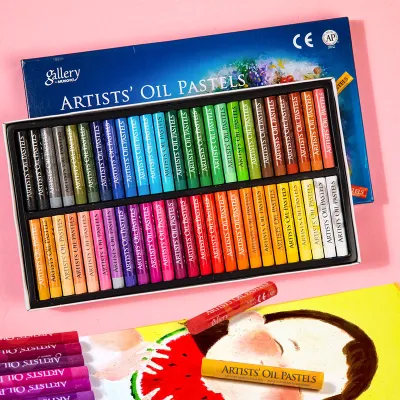
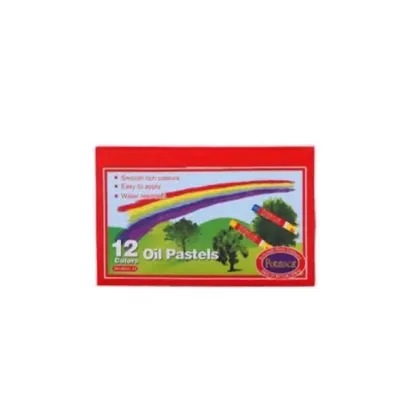
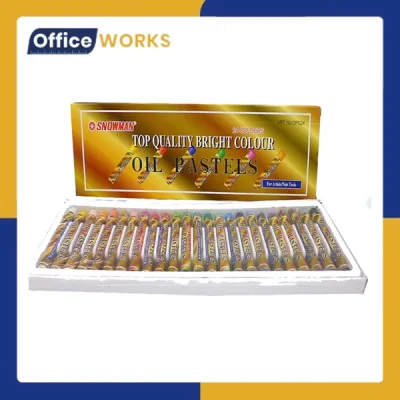
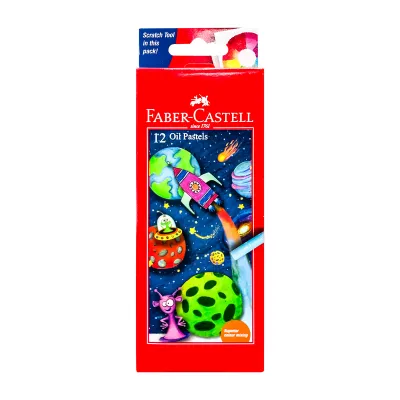
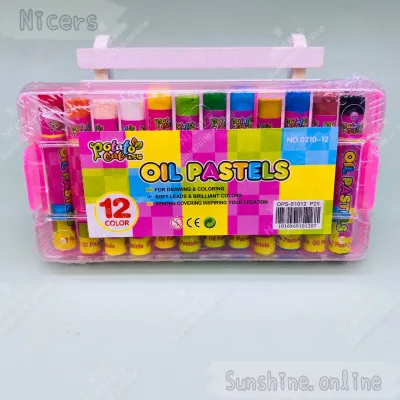
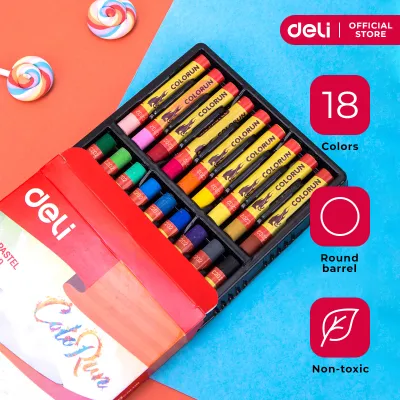
Prices are valid at publication and may change. Please refer to the product page for the latest price.
The ideal palette size depends heavily on the age group and the complexity of your art curriculum. For early childhood education and primary grades, a basic set of 12 to 16 colors is usually sufficient to teach fundamental color identification and simple mixing techniques. Older students in intermediate or secondary classes benefit from expanded sets of 24 to 36 colors, which allow them to explore subtle gradations, complex shading, and realistic skin tones. Choosing a standardized set size across all classes simplifies inventory management and ensures that lesson plans can be executed uniformly.
Safety is a non-negotiable factor when sourcing materials for school environments, particularly for younger children who may accidentally ingest or handle the products for extended periods. Always inspect product packaging and technical data sheets for recognized non-toxic safety seals, such as the Art and Creative Materials Institute (ACMI) “AP” (Approved Product) seal or European EN71 compliance. These certifications verify that the formulation does not contain harmful levels of heavy metals or toxic chemicals, providing peace of mind for educators and school administrators alike.
Balancing Cost and Quality: Building Your Classroom Shortlist
The physical dimensions of the pastel sticks must match the developmental stage of your students. Younger children, who are still developing their fine motor skills, benefit from “jumbo” or hexagonal-shaped pastels that are easier to grip and highly resistant to breaking. Standard-sized round sticks are more appropriate for older students who require a finer tip for detailed drawing and precise blending techniques. Matching the physical format of the pastel to the students’ physical capabilities reduces accidental breakage and extends the lifespan of your bulk purchase.

When comparing wholesale quotes, looking solely at the price per box can be highly misleading. To calculate the true value of a bulk offer, divide the total cost of the shipment by the total number of individual sticks included, establishing a clear cost-per-stick metric. Additionally, compare the physical weight of the sticks across different brands, as some budget options may offer thinner or shorter sticks that wear down much faster. A slightly more expensive box containing heavier, more durable sticks often proves to be more economical over the course of a school year.
The wax-to-oil ratio of a pastel directly influences how well it blends and layers on paper. Pastels with a higher wax content tend to be firmer and resist layering, as the hard wax surface prevents subsequent colors from adhering. Conversely, pastels with a higher oil content are softer and blend beautifully, but they can easily smear and create a messy workspace. For general classroom use, aim for a medium-firm consistency that allows students to practice basic blending techniques without creating uncontrollable smudges on their artwork.
Budget limitations often force procurement officers to make difficult choices between color variety and product quality. In almost all educational scenarios, it is highly recommended to prioritize a smaller, high-quality color palette over a massive, low-grade set. A reliable 12-color set with excellent pigment payoff and smooth blending properties allows students to successfully mix their own secondary and tertiary colors. This approach not only saves money but also reinforces core color theory lessons, whereas a cheap 36-color set with poor blending capabilities will only lead to scratchy, muddy results.
Storage, Packaging, and Classroom Logistics
The packaging that houses your oil pastels plays a critical role in how long they survive in a busy classroom. Standard cardboard boxes tend to tear, absorb moisture, and fall apart after only a few weeks of student handling, leaving the pastels vulnerable to damage. When purchasing in bulk, look for sets packaged in sturdy plastic trays with snap-on lids, or plan to transfer the pastels into durable, stackable plastic bins. Organizing pastels by color in shared classroom bins can also streamline distribution and cleanup at the end of each session.
Distributing individual retail boxes to every student can quickly lead to lost colors and uneven wear across your inventory. A more efficient classroom strategy involves portioning bulk pastels into custom student kits using small, reusable plastic pouches or color-coded cups. This method allows you to distribute only the colors needed for a specific project, reducing waste and preventing students from mixing up their sets. It also makes it easier to identify which colors are running low so you can replenish them from your bulk reserve.
Oil pastels contain non-drying oils and wax, meaning they cannot be cleaned up with water alone. To maintain a tidy classroom, establish a clear cleanup routine that includes the use of wet wipes or mild soap and water for hands. For cleaning drawing boards and desks, keep a supply of non-toxic household cleaners or mild dish soap on hand to break down the oily residue. Teaching students how to use paper blending stumps or tortillons instead of their fingers can also significantly reduce the amount of pigment transferred to skin and clothing.
In tropical climates like the Philippines, high ambient temperatures and humidity present significant storage challenges for wax-based art supplies. If stored in unventilated rooms, hot metal cabinets, or near windows, oil pastels can soften, melt together, or develop a white powdery film known as wax bloom. To prevent this, store your bulk inventory in a cool, dry, well-ventilated cabinet away from direct sunlight. During school breaks or hot seasons, consider keeping the storage area air-conditioned or using silica gel packets inside the storage bins to absorb excess moisture.
Where and How to Source Wholesale Art Supplies
Sourcing oil pastels in bulk can be done through direct manufacturer orders, specialized educational distributors, or general online marketplaces. Direct manufacturer orders offer the lowest unit cost but often require exceptionally high order volumes that may exceed a single school’s budget. Educational distributors are highly recommended because they understand institutional procurement processes, offer tax-exempt billing, and carry curated, school-safe brands. Online marketplaces provide convenience and quick shipping, but they require careful vetting of seller ratings and product authenticity.
Wholesale suppliers typically enforce a Minimum Order Quantity (MOQ) to qualify for bulk pricing, which might be structured around a minimum spend in ₱ or a specific carton count. If your school’s individual demand does not meet the supplier’s MOQ, consider coordinating with other schools in your district to place a joint order. Alternatively, ask the supplier if they allow “mixed-carton” orders, which let you combine oil pastels with other essential art supplies like sketchpads, brushes, and acrylic paints to reach the required threshold.
Committing to a large wholesale purchase without testing the product first is a significant financial risk for any educational institution. Always request or purchase a single sample set of the exact brand and model you intend to buy in bulk. Have an art teacher or a small group of students test the sample on the specific paper stock used in your classes. Evaluate the pastels for color vibrancy, ease of blending, breakage resistance, and how easily the paper wrappers peel off as the stick wears down.
Because oil pastels are sensitive to heat and physical impact, they are highly vulnerable to damage during transit. Before finalizing your wholesale contract, carefully review the supplier’s shipping methods and return policies regarding damaged goods. Ensure the supplier uses climate-controlled shipping or sturdy, insulated packaging to prevent melting during delivery in warm regions. Establish a protocol to inspect the shipment immediately upon arrival, documenting any broken or melted sticks with photographs to secure prompt replacements or refunds.
Frequently Asked Questions (FAQ)
Can student-grade oil pastels be blended as easily as artist-grade ones?
Student-grade oil pastels generally contain a higher ratio of wax binder and less oil than artist-grade versions, making them firmer and slightly more difficult to blend smoothly. While they do not possess the buttery consistency of professional-grade pastels, students can still achieve excellent blending results by using specific classroom techniques. Encourage students to use paper blending stumps, cotton swabs, or even a tiny amount of baby oil applied with a brush to soften the pigment and create smooth transitions. Warming the pastel stick slightly by holding it in the hand for a minute before application can also improve its blendability. Additionally, teaching students to layer colors from dark to light or using a white pastel to blend edges can maximize the potential of student-grade sets without requiring expensive upgrades.
How do I prevent oil pastels from melting or getting too soft in hot weather?
To prevent oil pastels from softening or melting in hot climates, store them in a cool, shaded area away from direct sunlight, windows, and unventilated storage rooms. If pastels do become too soft or sticky during a particularly hot day, place them in a shaded, air-conditioned room or a refrigerator for 15 to 20 minutes. This brief cooling period will restore their original hardness and structural integrity without altering their chemical composition or performance. Avoid leaving pastels in parked vehicles or near heat-generating appliances. For long-term preservation in tropical environments, keep the pastels in airtight plastic containers with silica gel packets to absorb excess humidity, which prevents the paper wrappers from peeling and stops the wax from blooming.
Are there specific solvents or cleaners needed for oil pastel stains on school desks?
Because oil pastels are made with wax and non-drying oils, standard water-based cleaners are ineffective at removing stains from classroom furniture. To clean school desks safely, apply a small amount of non-toxic oil, such as baby oil or mineral oil, to a cloth and rub the stain gently to dissolve the pastel residue. Once the pigment is lifted, wipe the area with a mild dish soap solution to remove the oily film, followed by a clean, damp cloth. Avoid using harsh industrial solvents or abrasive scrubbing pads, which can strip the protective laminate or varnish off school desks. For stubborn stains on porous surfaces, a paste made of baking soda and water can be gently rubbed onto the spot, providing a mild abrasive action that lifts the wax without damaging the underlying furniture finish.
Community discussion
Share your experience or ask a question. Comments are reviewed before publication.