
In the Philippines, Catholic sacraments like baptisms and first communions are deeply cherished family milestones. These sacred events bring together extended families, godparents, and community members to witness a child’s spiritual journey. A thoughtfully selected prayer cards set serves as a lasting token of gratitude, offering guests a physical reminder of the grace shared during the liturgy. Choosing the right set requires balancing spiritual significance with practical stationery details, such as text accuracy, paper durability under local tropical humidity, and budget-friendly bulk quantities.
Understanding the Purpose of Sacramental Prayer Cards
Sacramental prayer cards are far more than simple party favors; they are enduring spiritual keepsakes. In Filipino Catholic tradition, guests often keep these cards inside their personal Bibles, missals, or wallets as daily reminders to pray for the newly baptized or the first communicant. Because these items represent a sacred milestone, their physical quality and design should reflect the solemnity of the sacrament.
A flimsy or poorly printed card can detract from the occasion, whereas a sturdy, beautifully designed card honors the spiritual commitment of the day. By choosing a card that combines meaningful prayer with durable materials, you provide your guests with a keepsake that remains intact and legible for years to come.
Products mentioned in this guide
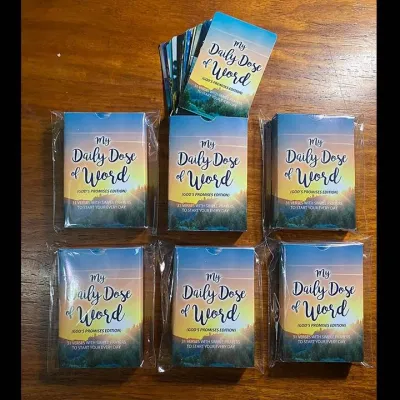
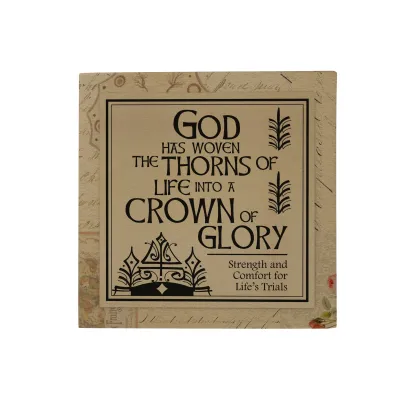
Prices are valid at publication and may change. Please refer to the product page for the latest price.
Key Features to Evaluate in a Prayer Card Set
Selecting a high-quality prayer cards set involves evaluating three primary dimensions: textual accuracy, material feel, and visual design. Since these cards are meant to be handled frequently and kept for years, you must look beyond online product photos to verify the actual specifications. Understanding how different materials perform in hands and under local environmental conditions will help you avoid common printing disappointments.

Prayer Texts and Language Variations
The prayer text is the spiritual heart of the card, making absolute accuracy essential. Standard Catholic prayers such as the Our Father, Hail Mary, or specific sacramental blessings are common choices. In many Filipino households, bilingual cards featuring prayers in both English and Tagalog are highly appreciated, ensuring that both younger generations and elderly relatives can participate fully.
When ordering, always request a high-resolution digital proof from the supplier to verify font legibility, text alignment, and spelling before the final print run. Pay close attention to font size; elegant script fonts can sometimes be difficult to read if printed too small, especially for older family members.
Paper Quality, Finish, and Durability
The physical medium of the card determines how well it resists wear, tear, and the high humidity typical of the Philippine climate. Uncoated paper allows for easy writing if you plan to handwrite personal notes, but it can absorb moisture and smudge easily if handled with damp hands. Matte finishes offer a modern, elegant look with excellent readability under bright church lights, while glossy finishes provide vibrant color reproduction and a protective barrier against fingerprints.
To ensure the cards do not bend or crease easily when tucked into a bag or wallet, look for a heavy paper weight, ideally between 250 gsm and 350 gsm. If possible, request a physical sample pack from your stationery supplier to test the paper’s stiffness, smoothness, and surface texture firsthand. This step also allows you to test how different ink types dry on the surface if you plan to sign or personalize the cards yourself.
Tailoring Your Choice to the Specific Sacrament
Each Catholic sacrament carries its own theological meaning, which should guide the visual theme and prayer selection of your card set. While initiation sacraments focus on welcoming and new beginnings, milestones of spiritual maturity emphasize personal commitment and the gifts of the Holy Spirit. Aligning the imagery and color palette with these traditional themes ensures the cards feel appropriate and respectful of Catholic liturgy.
Baptism and Dedication Celebrations
Baptism marks the beginning of a child’s spiritual life, a theme traditionally represented by symbols of purity and renewal. Look for prayer card sets featuring motifs such as white doves, baptismal water, delicate crosses, or lit candles. The prayers selected for these cards usually focus on divine protection, the guidance of guardian angels, and the abundance of God’s grace.
Softer color palettes—such as pastel blues, gentle pinks, cream, or light gold—work beautifully for these occasions. Ensure there is adequate clean space on the card to print the child’s name, the names of the godparents, and the baptismal date clearly without cluttering the sacred imagery.
First Communion and Confirmation Milestones
First Holy Communion and Confirmation represent deeper steps into the Catholic faith, requiring a more mature and reverent design aesthetic. For First Communion, prioritize imagery that centers on the Eucharist, such as a chalice, the sacred host, wheat stalks, or grapevines. Confirmation cards often feature symbols of the Holy Spirit, such as a descending dove or tongues of fire.
The prayers on these cards should emphasize spiritual nourishment, personal commitment to Christ, and the fruits of the Holy Spirit. Elegant, classic designs with rich jewel tones, deep navy, or gold foil accents are highly suitable for these older children and teenagers, reflecting the solemnity of their personal faith commitment.
Estimating Quantities and Managing Your Budget
Planning the stationery budget for a major family gathering requires a systematic approach to quantity and cost. To calculate the number of cards needed, start with your confirmed guest list, add one card per household for those unable to attend, and include a buffer of 15% to 20% for unexpected attendees, parish archives, and family keepsakes. This ensures you do not run out of cards on the day of the celebration.
In the Philippines, bulk ordering from local printers or specialized stationery suppliers typically lowers the unit price in ₱ significantly. When balancing your budget, consider whether to prioritize premium finishes like gold foil stamping on a smaller batch for close family, or a simpler, high-quality matte finish for a larger guest list. Don’t forget to factor in additional costs such as matching envelopes, protective plastic sleeves, and shipping or rush-processing fees.
Sourcing and Ordering Tips for Bulk Giveaways
Finding the right supplier is key to ensuring your prayer cards set arrives on time and meets your quality expectations. Specialized religious stationery shops, established local print shops, and online craft marketplaces are excellent places to start your search. Always ask for digital proofs and review them meticulously, checking that the margins are wide enough to prevent text from being cut off during the trimming process.
Because sacramental seasons—such as the peak communion months of May or the busy baptismal periods around Christmas and summer—can overwhelm printers, place your order at least four to six weeks in advance. This lead time allows for production, proofing, and shipping, ensuring your keepsakes are ready well before the day of the celebration.
Frequently Asked Questions (FAQ)
Can I personalize prayer card sets with a photo of the celebrant?
Yes, personalizing prayer cards with a photo of the child is a popular way to create a unique keepsake. However, you must ensure the image placement does not crowd the prayer text or make the font difficult to read. Choose a photo with clean, bright lighting and a simple background, and verify with your supplier that the print resolution is at least 300 DPI (dots per inch) to avoid a pixelated or blurry final print.
What is the proper etiquette for distributing prayer cards at the church?
Prayer cards should be distributed in a way that maintains the solemnity of the church service. It is best to place them in a beautifully decorated basket at the church entrance for guests to pick up as they arrive, or to have ushering family members hand them out quietly after the Mass concludes. Always coordinate with your parish priest or church coordinator beforehand, as some parishes have specific guidelines regarding the distribution of printed materials inside the sanctuary.
Community discussion
Share your experience or ask a question. Comments are reviewed before publication.