
To choose the right printed cotton fabric per yard for stamped cross-stitch, you must select a material specifically woven for counted thread work—such as Aida or evenweave—where the printed pattern aligns perfectly with the fabric’s physical grid. Unlike standard printed quilting cotton, true cross-stitch fabric features distinct, square-woven holes that guide your needle. When purchasing this fabric by the yard, success depends on matching the pattern’s thread count, verifying the fabric weight for proper hoop tension, and ensuring the printed ink is either safely permanent or completely water-soluble depending on your project goals.
Understanding Fabric Requirements for Stamped Cross-Stitch
Standard printed cotton, commonly sold as quilting cotton or broadcloth in local textile markets, features a dense, plain weave. While beautiful for garments or patchwork, its lack of a structured, open grid makes it incredibly difficult to maintain uniform stitch sizes. Stamped cross-stitch requires a specialized woven cotton, most commonly Aida, which is woven with grouped threads that form clearly visible blocks and holes. Evenweave cotton is another alternative, offering a smoother surface but still maintaining a precise, countable thread structure. When you buy printed cotton fabric per yard, you are looking for these structured fabrics that have had a design stamped directly onto their grid.
Buying fabric by the yard introduces unique challenges that do not exist with pre-cut kits. A primary concern is pattern continuity. Because fabric is cut continuously from a large bolt, you must ensure that the printed design does not drift or become cut off at awkward intervals. A misaligned print that runs diagonal to the actual weave of the fabric will force your stitches to warp, ruining the final look of your piece.
Products mentioned in this guide
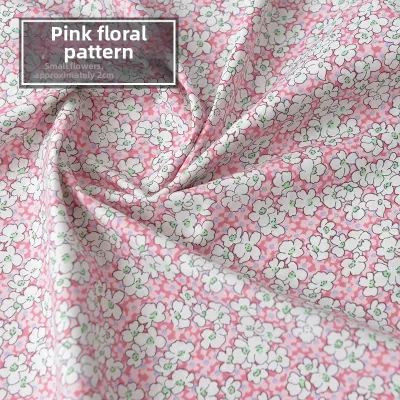
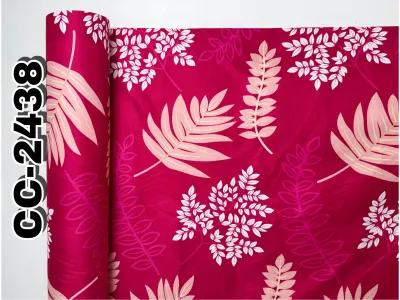
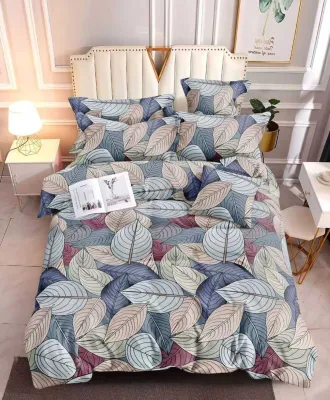
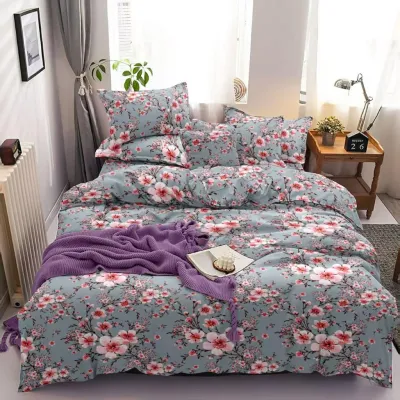
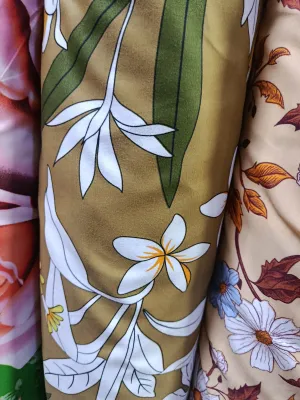
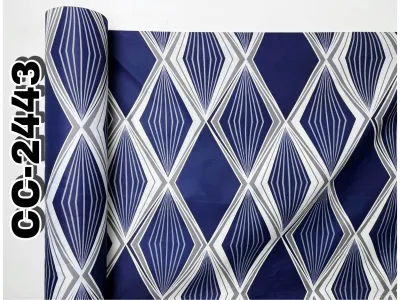
Prices are valid at publication and may change. Please refer to the product page for the latest price.
Furthermore, cotton is a natural fiber prone to shrinkage, which is a critical consideration in warm, humid tropical environments like the Philippines. If you wash a completed project and the fabric shrinks unevenly, your stitches will pucker and distort. Therefore, the ultimate goal when shopping for yardage is to find a high-quality cotton where the stamped design aligns perfectly with the horizontal and vertical threads of the physical weave, allowing the fabric to handle tension and washing without compromising the embroidery.
Evaluating Thread Count and Fabric Weight
The thread count of your cotton fabric—measured in counts per inch, such as 11-count, 14-count, 16-count, or 18-count—dictates the physical size of your stitches and the overall dimensions of your finished design. For stamped cross-stitch, the scale of the printed pattern must match the fabric count exactly. If you attempt to stitch a pattern printed for 14-count fabric onto an 11-count fabric, the printed symbols will not align with the holes, leaving you with misplaced stitches and exposed background fabric. Always verify the intended count of the stamped pattern with the seller before purchasing your yardage.

Fabric weight is equally vital for maintaining proper tension during the long hours of stitching. A medium-weight, tightly structured cotton is the ideal choice. In humid climates, lightweight or loosely woven fabrics tend to sag and stretch when secured in an embroidery hoop or scroll frame. This sagging distorts the printed grid, making it difficult to keep your stitches uniform. A sturdy, medium-weight fabric resists this warping, holding its shape even under the tension required for neat, even stitching.
When shopping on online marketplaces where product descriptions can be vague, you must take active steps to verify the fabric’s specifications. Do not rely solely on generic listing titles. Instead, send a direct message to the seller requesting close-up, high-resolution photos of the fabric’s weave next to a physical ruler. Ask for the exact threads-per-inch measurement and inquire about the weight of the fabric in grams per square meter (GSM) if available. A reputable seller specializing in embroidery supplies should be able to confirm whether the weave is perfectly square and suitable for counted work.
Assessing Print Clarity and Grid Alignment
Print clarity is the foundation of a frustration-free stamped cross-stitch project. When examining product images or fabric samples, look closely at how the symbols, color blocks, or grid lines are printed onto the cotton. The printed markings must be sharp, distinct, and centered directly over the natural holes of the weave. If the ink is blurry, smudged, or bleeds into adjacent squares, you will struggle to determine where one color ends and another begins, leading to frequent mistakes and eye strain.
Grid alignment is the most critical technical factor to evaluate. In high-quality stamped fabric, the printed grid lines run perfectly parallel to the warp and weft threads of the woven cotton. If the printing process was misaligned, the grid will run at a slight angle across the fabric. Stitching on a skewed print means your final embroidery will look crooked, regardless of how neatly you execute your stitches. If you are buying multiple yards for a large project, such as a continuous table runner or a decorative border, ask the seller to confirm that the pattern repeats seamlessly and remains aligned along the entire length of the cut.
You must also identify the print type used on the fabric. Stamped cross-stitch patterns generally use either water-soluble (wash-away) ink or permanent ink. Water-soluble ink is highly popular because it allows you to wash away all the guidelines once your stitching is complete, leaving only your beautiful threadwork. However, in tropical climates where high humidity and hand sweat are common, water-soluble ink requires careful handling to prevent premature fading. Permanent prints, on the other hand, are designed to be completely covered by your floss and will not wash out. Always check the manufacturer’s care instructions to ensure the ink behaves as expected when exposed to moisture.
Inspecting and Preparing Your Fabric Upon Delivery
Once your printed cotton fabric per yard arrives, perform a thorough visual inspection before making any cuts or starting your stitches. Unroll the fabric completely in a well-lit area, preferably under bright, natural daylight. Examine the entire length of the yardage for any manufacturing defects, such as ink smudges, skipped grid lines, off-center patterns, or physical tears in the weave. Inspecting the fabric early ensures you can address any issues with the seller while the fabric is still in its original, uncut state.
Next, conduct a swatch test to verify the behavior of the ink and the fabric’s colorfastness. Cut a small, unneeded piece of fabric from the very edge of your yardage—ensuring you do not cut into the main pattern area. Submerge this swatch in room-temperature water for about 10 to 15 minutes. If the fabric is advertised as having water-soluble ink, the markings should dissolve completely without leaving any residue or staining the white cotton. If the fabric features colored cotton or permanent dyed threads, check to ensure that no dye bleeds into the water or onto adjacent fibers.
Understanding the boundaries of fabric preparation is essential to avoid ruining your project before you even begin. If your fabric features a water-soluble print, you must never pre-wash the fabric, as doing so will wash away the entire pattern. You should only pre-wash your yardage if the print is permanent and the manufacturer explicitly recommends pre-shrinking the cotton. For water-soluble projects, protect the fabric from any moisture, including steam from an iron, until all stitching is completed.
Establish clear stop conditions during your inspection. If you discover severe grid misalignment where the printed lines drift more than a millimeter away from the physical holes, or if your swatch test reveals that the ink stains the cotton or bleeds excessively when lightly dampened, stop immediately. Do not cut the fabric or begin stitching. Take clear photographs of the defects and contact the seller or manufacturer to request a replacement or refund, as these issues cannot be corrected once stitching has commenced.
Frequently Asked Questions (FAQ)
Can I use regular printed quilting cotton for stamped cross-stitch?
No, standard printed quilting cotton is not suitable for stamped cross-stitch. Quilting cotton is woven tightly with a very fine thread count, which lacks the distinct, evenly spaced holes found in embroidery fabrics like Aida or evenweave. Attempting to stitch a cross-stitch pattern on regular quilting cotton requires you to manually pierce the fabric threads with a sharp needle, making it extremely difficult to maintain uniform stitch sizes and straight lines. Furthermore, quilting cotton prints are decorative designs meant to remain visible, whereas stamped cross-stitch fabric features a technical grid designed specifically to guide your needle and either be washed away or fully covered by your embroidery floss.
How do I prevent the printed pattern from fading while I work on it?
To protect your printed pattern from fading or bleeding prematurely, you must control its exposure to moisture and friction. Always wash and thoroughly dry your hands before stitching to remove natural oils and sweat, which can slowly dissolve water-soluble inks. In humid climates, store your active project in a sealed, airtight plastic bag or a dedicated storage box along with a small silica gel packet to absorb excess moisture. Avoid leaving your fabric in direct sunlight or near high-heat sources, as UV rays can fade the printed symbols, making them difficult to read. Finally, roll your fabric rather than folding it when storing to minimize friction along the crease lines.
Should I buy extra yardage for stamped cross-stitch projects?
Yes, it is highly recommended to buy extra yardage when purchasing printed cotton fabric by the yard. As a general rule, add at least 2 to 3 inches (5 to 8 centimeters) of extra fabric on all four sides of your planned design area. This extra margin provides the necessary fabric to secure your work tightly in an embroidery hoop or frame and prevents the edges from fraying into your active stitching area. Additionally, budgeting an extra ₱100 to ₱300 for a safety margin of extra yardage accounts for potential cutting errors, fabric shrinkage during the final wash, and allows you to have spare fabric for testing your stitches, tension, and ink solubility before committing to the main project.
Community discussion
Share your experience or ask a question. Comments are reviewed before publication.