
Selecting the perfect Kuromi loot bags for your child’s birthday party requires balancing visual appeal with physical durability. Because these bags serve as the final keepsake your young guests will take home, they must be sturdy enough to hold a variety of treats while showcasing the character’s signature mischievous charm. In tropical climates like the Philippines, where high humidity can compromise paper strength and cause cheap inks to smudge, paying close attention to material quality, print finish, and structural reinforcement is essential for a successful celebration.
When planning a themed event, it is easy to get caught up in the visual design and overlook the practical aspects of bag construction. A poorly made loot bag can tear open mid-party, spilling candies and toys onto the floor and causing unnecessary distress for a child. By understanding what to look for in terms of material thickness, handle strength, and print quality, you can ensure that your party favors remain intact from the moment they are filled to the moment they arrive at your guests’ homes. This guide provides a comprehensive framework for evaluating Kuromi-themed loot bags, helping you make an informed purchase that fits your budget and delights the children.
Key Features to Evaluate in Kuromi Loot Bags
To find loot bags that can withstand the excitement of a children’s party, you must first evaluate the physical materials used in their construction. The most common options available on the market are coated paper, kraft paper, and non-woven fabric. Coated paper, often referred to as art paper or cardstock, offers a smooth, glossy, or matte finish that displays vibrant colors exceptionally well. For a premium feel, look for coated paper with a thickness of at least 150 to 200 grams per square meter (GSM). Thinner paper bags, such as those under 100 GSM, are highly susceptible to creasing, tearing, and weakening when exposed to moisture or humid air.
Products mentioned in this guide
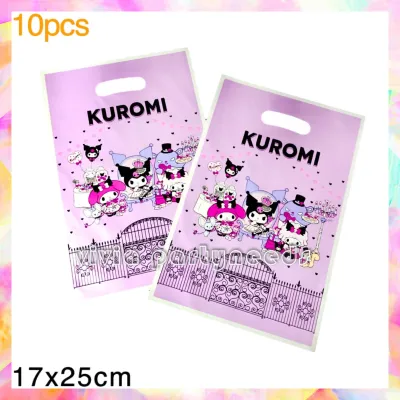
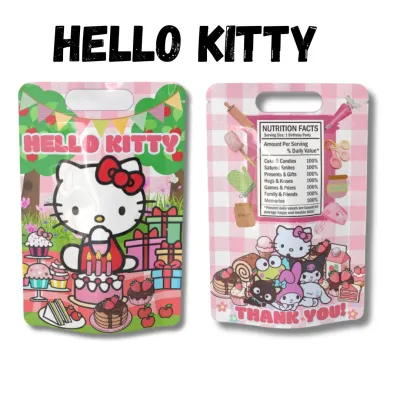
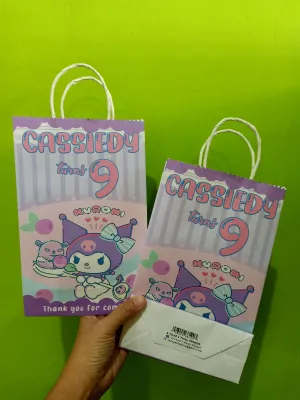
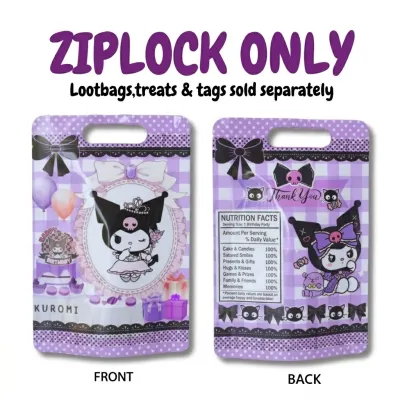
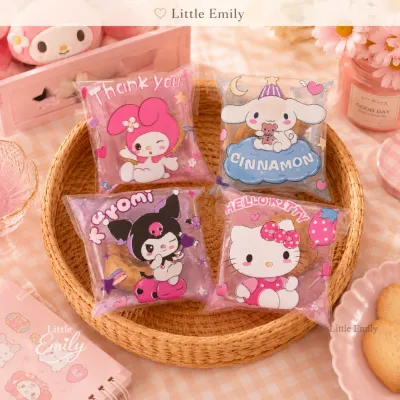
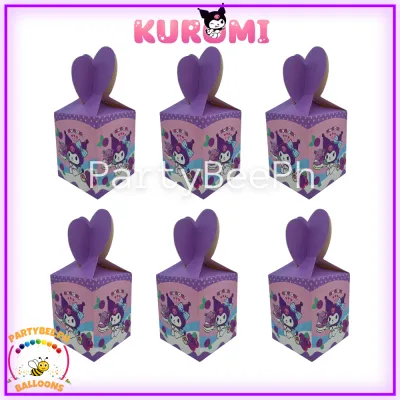
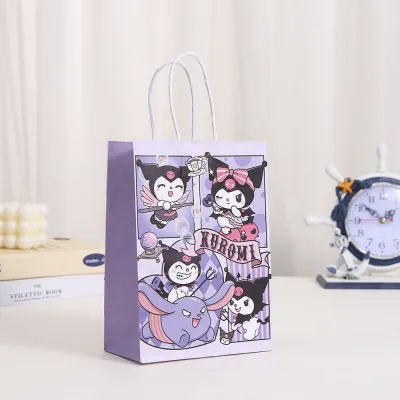
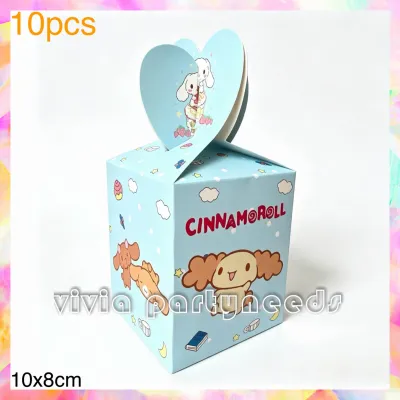
Prices are valid at publication and may change. Please refer to the product page for the latest price.
Kraft paper is another popular choice, offering a slightly textured, matte appearance that appeals to those looking for a more rustic or eco-friendly aesthetic. While kraft paper is naturally strong, its uncoated surface can absorb moisture from the air or from damp hands, which may reduce its structural integrity over the course of a party. If you choose kraft paper, ensure it has a weight of at least 120 GSM and is printed with high-quality, water-resistant inks. Non-woven fabric bags represent the most durable option, as they are virtually tear-proof, water-resistant, and capable of holding heavier items without stretching. These fabric bags are excellent if you plan to include heavier favors like small books, water bottles, or metal toys.
The method used to attach the handles is a critical indicator of a bag’s overall quality. Look closely at how the handles are secured to the main body of the bag. High-quality paper bags typically feature twisted paper handles, ribbon cords, or synthetic ropes that are threaded through reinforced metal eyelets or glued securely behind a thick cardboard patch inside the rim. Avoid bags where the handles are simply glued directly to the thin paper wall without any reinforcement, as these are highly likely to pull through under the weight of a few candies. For die-cut handles, which are cut directly into the bag’s body, ensure the surrounding material is doubled or reinforced with a plastic insert to prevent tearing when carried by active children.
Print quality and surface finish are equally important, especially for a character like Kuromi, whose design relies on deep blacks, vibrant pinks, and clean white contrasts. Inspect the surface of the bag for any signs of ink smudging, color bleeding, or a sticky texture, which often indicates that the ink was not cured properly during manufacturing. A high-quality loot bag will have a protective lamination layer—either glossy or matte—applied over the print. This lamination not only enhances the colors but also acts as a barrier against moisture, fingerprints, and light splashes, ensuring the character graphics remain sharp and attractive throughout the event.
Sizing and Capacity for Party Favors
Choosing the right size for your Kuromi loot bags is a balancing act between the items you plan to distribute and the visual presentation of the bag itself. Standard loot bags generally fall into three size categories: small flat envelopes, medium-sized gusseted bags, and large tote-style bags. Small flat envelopes (typically around 10 by 15 centimeters) are ideal if your favors consist entirely of flat items like stickers, temporary tattoos, collectible cards, and single-pack stickers. Attempting to stuff three-dimensional items into a flat envelope will stretch the seams, distort the character’s face, and likely cause the paper to rip.

For a standard mix of party favors—such as small toys, bubble bottles, stationery sets, and assorted candies—a medium-sized gusseted bag is the most practical choice. A gusset is an extra fold of material built into the sides and bottom of the bag that allows it to expand into a three-dimensional shape. Bottom gussets are particularly important because they allow the bag to stand upright on its own. This structural feature is highly beneficial for party planning, as it allows you to line up the filled loot bags on a display table, turning them into an eye-catching part of your venue decoration before they are handed out.
When selecting a gusseted bag, verify that the bottom fold is securely glued and reinforced with an extra piece of cardboard. The bottom of the bag bears the direct weight of all the contents, and a weak seam can split open unexpectedly. Before purchasing your entire batch of bags, it is wise to perform a simple weight-bearing test. Gather a sample of the exact items you plan to include in each bag—such as a small notebook, a box of crayons, a plastic toy, and a handful of sweets—and place them inside a sample bag. Lift the bag by its handles, carry it around for a few minutes, and hang it from a hook to observe how the material responds to the weight. If you notice the handles stretching, the bottom sagging excessively, or the paper tearing near the seams, you will need to either reduce the weight of your favors or upgrade to a sturdier bag material.
Checking Design Authenticity and Licensing
Kuromi is a highly popular character created by Sanrio, known for her punk-inspired, mischievous aesthetic. Because of her immense popularity, the market is flooded with unauthorized, low-quality imitations that often fail to capture her true design and may use substandard materials. To ensure you are buying quality products that do justice to the character, it is important to know how to identify official licensing indicators. Authorized Sanrio merchandise almost always features a clear copyright notice printed on the packaging or the base of the bag, typically reading “© SANRIO” or “© ’26 SANRIO” (or the corresponding year of production). Many official products also include a holographic security sticker or a specific branded tag that certifies their authenticity.
Beyond official labels, you can verify authenticity by closely examining the character’s design details. Kuromi’s signature look consists of a black jester’s hat with a pink skull emblem in the center, a black devil’s tail, and a mischievous, slightly pointed smile. On counterfeit or low-quality bags, these details are often distorted. The pink skull emblem may be printed off-center, have the wrong facial expression, or be colored in an incorrect shade of red or purple. Pay close attention to Kuromi’s facial proportions; her eyes should be expressive and symmetrical, and her overall silhouette should match official Sanrio artwork.
Red flags of counterfeit products are usually easy to spot if you know what to look for. Pixelated graphics, blurry lines, and washed-out colors are clear signs that a low-resolution image was copied from the internet and printed onto the bag. Additionally, counterfeit bags often suffer from off-register printing, where the different colors of ink do not align perfectly, leaving strange white gaps or overlapping edges around the character’s outline. Buying authentic or high-quality licensed products not only ensures that the bags look excellent on your party table but also guarantees that the materials used—including the dyes, adhesives, and plastics—meet safety standards for items that will be handled extensively by children.
Sourcing and Verifying Kuromi Party Supplies
Finding reliable sources for your Kuromi loot bags requires a strategic approach to avoid low-quality inventory and shipping delays. Whenever possible, begin your search at official Sanrio boutique stores, authorized stationery shops, or reputable department stores. These physical retail spaces allow you to handle the bags directly, verifying the paper thickness, handle strength, and print quality before making a purchase. If physical stores are not accessible or do not have the specific design you want, dedicated party supply wholesalers and authorized online marketplaces are excellent alternatives.
When shopping on e-commerce platforms, navigating the vast number of sellers can be challenging. To protect your purchase, rely heavily on buyer-uploaded photos and detailed reviews rather than the seller’s promotional images. Promotional photos are often digitally rendered or copied from official catalogs, which may not represent the actual product you will receive. Look for reviews that show the bags in real-world lighting, as these will give you an accurate sense of the color vibrancy, paper texture, and overall construction. Pay attention to feedback regarding how the bags were packaged for shipping; bags that are folded or crammed into tight shipping envelopes often arrive creased, bent, or damaged, making them unsuitable for display.
A highly recommended practice for party planning is to order a single sample unit or a small test pack well in advance of the event. While this may add a small shipping cost, it allows you to conduct a physical inspection of the bag’s quality, test its weight capacity with your planned favors, and verify that the colors match your party’s overall theme. If the sample meets your standards, you can confidently place a bulk order for the rest of your guest list. If it falls short, you still have plenty of time to source an alternative without risking a last-minute scramble before the party.
Building Your Party Loot Bag Shortlist
Once you have evaluated the materials, sizes, and sourcing options, you can translate this information into a practical purchasing plan tailored to your child’s party. The first step is to calculate the exact quantity of loot bags you need to order. Never order the exact number of invited guests; instead, always include a buffer of at least 15 to 20 percent. For example, if you have 25 children on your guest list, aim to purchase 30 to 32 bags. This extra inventory accounts for unexpected siblings who may accompany guests, late RSVPs, and any bags that might get torn, stained, or damaged during the assembly and filling process.
Next, coordinate the exterior design of the bag with the internal fillers to create a cohesive and exciting experience for the children. Since Kuromi’s color palette revolves around black, purple, pink, and white, choosing favors that match these colors will make the loot bags feel much more premium and thoughtfully curated. Consider filling the bags with purple gel pens, pink Kuromi-themed sticker sheets, black-and-white notebooks, and candies wrapped in matching pastel foil. This attention to detail elevates the overall presentation and makes the giveaway feel like a special, curated gift rather than a random collection of items.
To finalize your purchase, compile a shortlist of your top bag options and run them through a final pre-purchase checklist. Verify that the bag dimensions comfortably accommodate your largest favor item without stretching the seams. Double-check that the material thickness (such as 150+ GSM paper or non-woven fabric) is appropriate for the total weight of the contents. Confirm that the seller’s product displays authentic design details and official licensing marks. Finally, calculate the total cost—including the bags, fillers, and any shipping fees—in Philippine Pesos ₱ to ensure the entire project stays within your allocated party budget. By systematically checking each of these factors, you can ensure a stress-free preparation process and deliver a memorable keepsake that your child and their friends will cherish.
Frequently Asked Questions (FAQ)
Can I reuse Kuromi loot bags for future events?
The reusability of Kuromi loot bags depends heavily on the materials used in their construction and how they are handled by the guests. Laminated paper bags with reinforced handles can easily be reused if they are opened carefully and kept away from moisture. To preserve paper bags, instruct children to empty them gently rather than ripping the sides, and store them flat in a cool, dry place to prevent the paper from warping in humid weather. Non-woven fabric bags and drawstring pouches offer the highest reuse potential, as they can be washed gently by hand and repurposed as small storage bags, lunch bags, or travel pouches for toys and stationery.
What are eco-friendly alternatives for Kuromi-themed loot bags?
If you want to minimize the environmental impact of your party, there are several sustainable alternatives that still capture the fun Kuromi aesthetic. Look for loot bags made from recycled kraft paper that are printed with non-toxic, water-based or soy-based inks, which are fully biodegradable and recyclable. Another excellent option is to use reusable cotton canvas or muslin drawstring bags customized with a high-quality, eco-friendly Kuromi print. These fabric bags serve as both the gift wrapping and a functional keepsake that guests can use for years, eliminating the waste associated with single-use plastic or low-grade paper bags.

Community discussion
Share your experience or ask a question. Comments are reviewed before publication.