
Selecting the right art supplies for classrooms in the Philippines requires a careful balance of safety, durability, and cost-effectiveness. Among the most versatile materials in any school art kit is the humble fuzzy wire, also widely known as chenille stems or craft pipe cleaners. Often searched online under terms like “fuzzzy wire,” these pliable, plush-covered wires are essential for developing fine motor skills, spatial awareness, and three-dimensional design capabilities in young learners.
Because school budgets must be managed carefully, teachers and school administrators cannot afford to purchase supplies that easily break, shed excessively, or pose safety hazards to students. Since individual brand performance can vary and official certifications are not always uniform across all imported school supplies, buyers must know how to evaluate these products physically and structurally. By understanding what makes a high-quality craft wire, educators can ensure their classrooms are stocked with reliable materials that withstand the enthusiastic hands of young artists.
This guide provides a comprehensive framework for evaluating, sourcing, and managing fuzzy wire supplies specifically for the Philippine educational context. From assessing physical durability under tropical conditions to organizing classroom storage to prevent rust, these practical strategies will help you make informed purchasing decisions for the upcoming school year.
Products mentioned in this guide
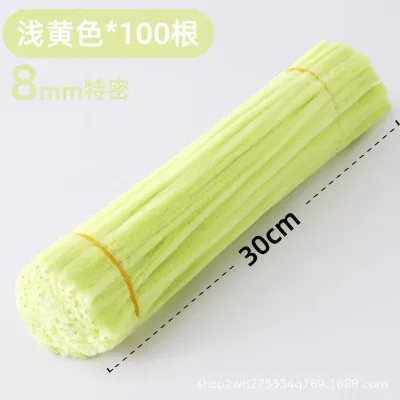

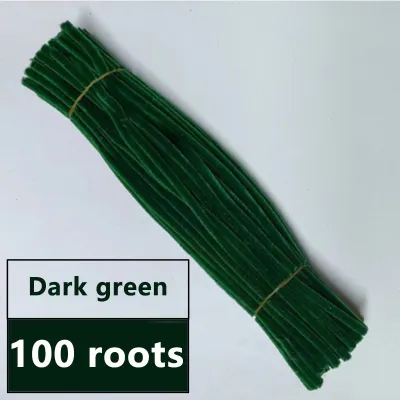
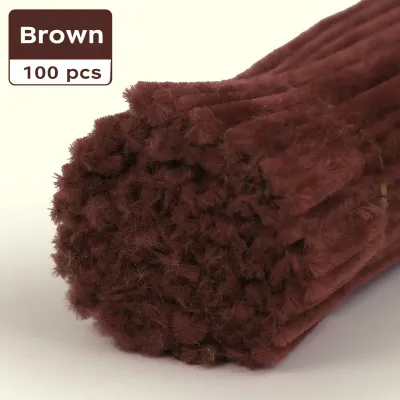
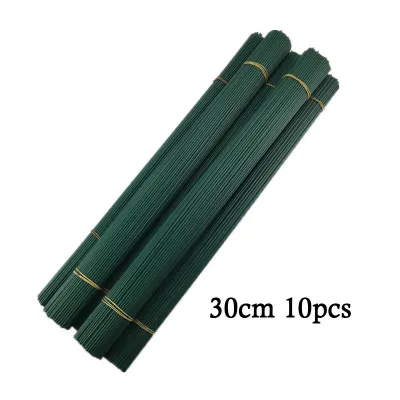
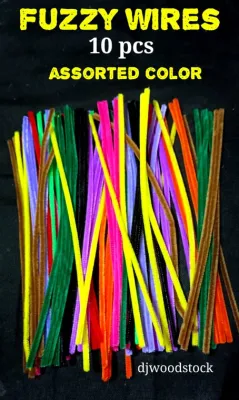
Prices are valid at publication and may change. Please refer to the product page for the latest price.
Key Selection Criteria for School Art Projects
When choosing fuzzy wire for classroom use, the physical dimensions and structural properties of the wire directly impact how easily students can manipulate them. Standard craft wires typically measure 30 centimeters (approximately 12 inches) in length, which is the ideal size for a wide range of school projects. This length allows students to create self-standing structures, wrap the wire around other objects, or cut them into smaller segments for detailed work. For younger children in kindergarten or early elementary grades, thicker diameters of 9mm to 12mm are often easier to grip and manipulate, whereas older students working on intricate designs generally prefer the standard 6mm diameter.
Core wire flexibility is another critical factor that determines the usability of the product. The internal metal core must be pliable enough for children to bend, twist, and loop with their hands without requiring specialized tools like pliers. However, it must also possess enough structural rigidity to hold its shape once bent. If the wire core is too thin or made of low-grade, soft metal, the finished art projects will sag, droop, or fail to stand upright. Conversely, if the wire is too stiff, it can tire out young hands quickly and lead to frustration during art class.
Color vibrancy and resistance to fading are highly important for maintaining the visual appeal of student artwork. In the Philippines, classroom displays are often exposed to strong sunlight through windows, as well as high ambient humidity. Low-quality dyes can fade rapidly under these conditions, turning bright reds and deep blues into dull, washed-out shades. Furthermore, the colors should be colorfast; the dye must not bleed onto students’ hands when they sweat, nor should it run when liquid school glue or white PVA glue is applied during assembly.
Finally, pack sizing and bulk options are essential considerations for school procurement. Purchasing individual packs of 10 or 20 pieces is rarely cost-effective for an entire class. Buyers should look for bulk packages containing 100, 200, or even 500 pieces, which significantly lowers the unit cost in Philippine Pesos (₱). Bulk packs also ensure color consistency across the classroom, preventing situations where students cannot finish their projects because a specific shade of green or yellow is no longer available from the same production batch.
Evaluating Product Safety and Material Quality
Safety is the paramount concern when introducing any craft material into a school environment. Before purchasing large quantities of fuzzy wire, teachers and school buyers should inspect product packaging for clear safety labels. Look for non-toxic certifications, such as compliance with international toy safety standards or local consumer product safety clearances. The packaging should also state clear age recommendations, as these wires contain thin metal cores and small fibers that may not be suitable for children under three years of age without close supervision.

One of the most common safety hazards associated with low-quality craft wires is the presence of sharp, exposed metal tips. During the manufacturing process, the wires are cut to length, which can leave sharp burrs at both ends. High-quality brands often feature folded, rounded, or safely coated tips to protect young fingers from accidental scratches. When evaluating a sample, run your finger gently over the ends; if the metal feels sharp or protrudes significantly past the plush fiber covering, you may need to establish specific safety protocols in class or look for an alternative supplier.
Plush density and fiber shedding are reliable indicators of overall material quality. Shake a sample wire vigorously over a dark surface or rub it gently between your fingers to check for loose fibers. Poorly manufactured wires will shed a significant amount of polyester or chenille dust, which can cause sneezing, eye irritation, or allergic reactions in a crowded classroom. A high-quality wire should have a dense, tightly woven plush covering that remains firmly attached to the wire core even when bent at sharp angles.
Additionally, the fiber covering must resist fraying when cut. In almost every art project, students will need to cut the wires to custom lengths using standard school scissors. When cut, the plush fibers at the raw edge should remain anchored to the twisted metal core rather than immediately unraveling or sliding off. If the fibers slide off easily, it exposes more of the metal wire, increasing the risk of scratches and leaving the ends of the craft looking messy and unfinished.
Sourcing and Verifying Availability in the Philippines
Finding a steady supply of reliable craft materials in the Philippines requires comparing different purchasing channels. Local brick-and-mortar stationery shops and wholesale markets in major commercial districts offer the distinct advantage of physical inspection. Buyers can touch the wires, test their flexibility, and verify the density of the plush covering before spending any money. This is highly recommended for school administrators who are purchasing supplies for an entire school district and need to guarantee quality consistency.
For convenience and volume, online marketplaces and ecommerce platforms are popular alternatives. However, buying online carries the risk of receiving substandard goods that do not match the product photos. To mitigate this risk, buyers should carefully vet online sellers by reading customer reviews and looking for real-life photos uploaded by previous buyers. Pay close attention to feedback from other teachers or parents who mention how the wires performed in actual classroom settings, specifically looking for comments about wire stiffness and fiber density.
When comparing prices online, always calculate the total cost in ₱, factoring in shipping fees and potential delivery delays. Bulk orders can be heavy and bulky, which may significantly increase shipping costs, especially for schools located in the Visayas or Mindanao regions. It is also wise to check the seller’s return and refund policies. A reputable seller should offer clear recourse if the delivered items are damaged, rusted, or do not match the specified dimensions.
To ensure you are getting the best value, consider requesting physical samples or ordering a single small pack from a prospective supplier before committing to a large bulk order. This trial run allows you to perform hands-on quality checks, such as testing the wire’s resistance to cutting and checking for color bleeding. Once a supplier’s quality is verified, establishing a direct relationship with them can lead to more reliable stock availability and potential wholesale discounts for future school terms.
Practical Classroom Management and Storage Strategies
Once high-quality fuzzy wires are sourced, proper classroom management and storage are key to preserving their usability throughout the school year. Organizing these materials systematically prevents them from becoming tangled, bent, or crushed before they even reach the students’ desks. A highly effective sorting technique is to categorize the wires by color families and thickness using shallow, open-topped plastic trays or clear organizer bins. This allows students to easily see and select the exact colors they need without rummaging through a giant pile, which often results in accidental bending and wasting of the wires.
In the tropical climate of the Philippines, high humidity levels present a unique challenge for storing school supplies. The internal core of most fuzzy wires is made of iron, which is highly susceptible to rusting when exposed to moist air over long periods. Rust not only weakens the wire, causing it to snap easily, but it can also seep through the plush covering, leaving unsightly brown stains on the vibrant fibers and on students’ hands. To prevent this, store your fuzzy wire supplies in airtight plastic containers. Adding a few packets of silica gel desiccant inside the bins will help absorb any trapped moisture and keep the metal cores dry and rust-free.
Furthermore, keeping the storage bins away from direct sunlight is crucial for preventing the colors from fading. Store the containers in a cool, dark cupboard or on lower classroom shelves away from windows. It is also helpful to label each container clearly with the color and size of the wires inside, encouraging students to return unused pieces to their proper places at the end of the activity.
To maximize your school budget, establish a clear system for collecting and reusing offcuts. During art projects, students will inevitably cut off small pieces of wire that they do not immediately use. Instead of throwing these away, have a dedicated “scrap bin” in the classroom. These short segments are incredibly useful for smaller details in future projects, such as making insect legs, flower stamens, or small decorative loops. Encouraging students to utilize the scrap bin first teaches them valuable lessons about resourcefulness and waste reduction while stretching the lifespan of your classroom supplies.
Frequently Asked Questions (FAQ)
Can fuzzy wire be reused for multiple art projects?
Yes, fuzzy wire can be reused, but its reusability depends on the extent of metal fatigue and the cleanliness of the fibers. Each time the wire is bent and straightened, the internal metal core undergoes stress, which gradually weakens it. Over time, repeated bending will cause the wire to snap. To check if a used wire is suitable for another project, gently run it through your fingers to straighten it; if you feel sharp kinks or if the wire feels extremely limp, it is nearing its breaking point. Additionally, wires that have been heavily coated in liquid glue or glitter are difficult to clean and should be discarded or relegated to the scrap bin, while those with only light dust can be shaken out and reshaped for simple, non-structural crafts.
What is the difference between fuzzy wire and standard pipe cleaners?
While the terms are often used interchangeably, there are distinct differences in design and intended use. Standard pipe cleaners were originally invented to clean smoking pipes; consequently, they feature stiff, abrasive bristles (often made of nylon or cotton) designed to scrub away residue, and their wire cores are typically stiffer and less colorful. On the other hand, craft fuzzy wires (often called chenille stems) are designed specifically for art and educational purposes. They feature much softer, denser polyester or chenille fibers that are gentle on children’s skin, come in a vast array of vibrant colors, and utilize a more flexible wire core that is easy for young hands to bend repeatedly without breaking.
How should teachers handle sharp wire ends during class?
To prevent minor scratches and injuries during art class, teachers can employ several simple safety techniques. Before distributing the wires, show students how to fold the sharp metal tips inward by about half a centimeter using their fingers or a pair of craft pliers, tucking the sharp point back into the plush body of the stem. For projects involving very young children, teachers can pre-treat the cut ends by applying a small dab of white school glue or low-temperature hot glue to seal the sharp metal tip. Alternatively, wrapping a small piece of colorful masking tape or paper tape around the exposed ends provides an instant, safe barrier that can also serve as a decorative element in the student’s artwork.

Community discussion
Share your experience or ask a question. Comments are reviewed before publication.