
When choosing a pencil for kids, safety must always come before writing performance. For toddlers and preschoolers, a safe pencil is one that features verified non-toxic materials, a sturdy physical construction that resists splintering, and an ergonomic shape that accommodates developing motor skills without presenting choking or puncture hazards. Young children naturally explore their world with their mouths, making it essential to select writing instruments designed specifically to withstand biting, dropping, and heavy-handed use. By focusing on certified non-toxic coatings, thick triangular barrels, and designs free of small detachable parts, parents and educators can create a secure environment for early writing and drawing.
Understanding the Unique Safety Risks for Young Children
Oral exploration is a normal developmental stage for toddlers and preschoolers, who frequently bite, chew, or suck on their pencils during play or drawing sessions. This behavior introduces chemical ingestion risks if the pencil’s outer paint, lacquer, or inner core contains harmful substances. Lead, heavy metals, and toxic plasticizers can leach into saliva when a child chews on the barrel, highlighting the critical need for strictly regulated, non-toxic materials.
Physical injuries present another significant hazard. Standard pencils are often made of brittle wood that can easily splinter when subjected to biting or rough handling. If a child bites down hard on a cheap pencil, the wood can split into sharp, jagged fragments that can puncture the gums, lips, or tongue. Dropping pencils on hard tile floors—a common occurrence in tropical homes and classrooms—can also fracture the internal graphite core, leading to sharp points breaking off unexpectedly during use.
Products mentioned in this guide
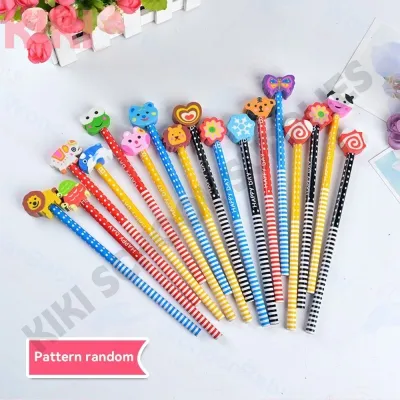
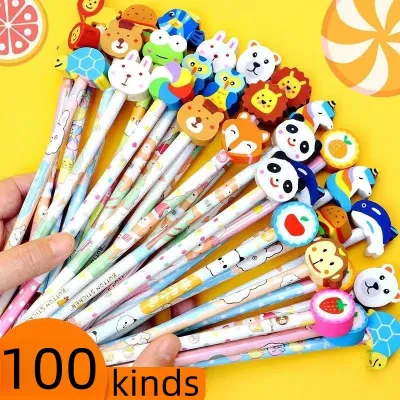
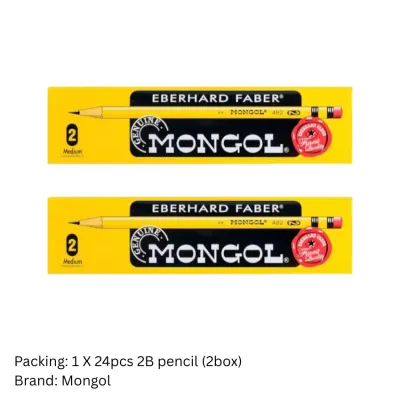
Prices are valid at publication and may change. Please refer to the product page for the latest price.
Choking hazards are perhaps the most immediate physical threat. Many standard school pencils feature a small pink eraser secured to the end by a metal band, known as a ferrule. These erasers can easily become loose over time, especially if a child chews on them. A toddler can easily bite off and swallow the eraser or the metal ferrule itself, leading to airway obstruction. Understanding these specific risks allows parents to look past bright colors and cartoon characters to evaluate the actual safety of the writing tool.
Essential Non-Toxic Certifications and Material Checks
To protect young children from chemical exposure, parents must look beyond generic “non-toxic” marketing claims on the packaging. True safety is verified through recognized independent testing bodies. Look for clear certification marks such as the Art and Creative Materials Institute (ACMI) “AP Non-Toxic” seal or compliance with international toy safety standards like EN71, which regulates heavy metal migration. In the local market, checking for registration with national consumer protection agencies or health departments provides an extra layer of assurance that the product has been vetted for child safety.

The wood used in the pencil barrel deserves close inspection. High-quality pencils for kids are typically crafted from natural, untreated woods like incense cedar or basswood. These woods are selected because they sharpen smoothly without splintering into dangerous shards. Avoid pencils made from mystery woods that may have been treated with chemical preservatives, pesticides, or industrial sealants to prevent rot during shipping and storage in humid tropical climates. Natural, unpainted wood barrels or those finished with water-based, food-grade lacquers are the safest choices for children prone to chewing.
Surface coatings and the writing core itself must be completely lead-free and non-toxic. While modern graphite cores do not contain actual lead, the outer paint or decorative plastic wraps on cheap, unbranded pencils can still contain trace amounts of lead or harmful phthalates. When evaluating colored pencils or standard graphite pencils, verify that the manufacturer explicitly states that all pigments, binders, and surface finishes are lead-free and acid-free. If a product lacks clear certification details on its packaging, it is best to leave it on the shelf.
Child-Safe Construction and Physical Design Features
Physical design plays a vital role in preventing choking and puncture injuries. The safest pencils for toddlers and preschoolers are completely free of small, detachable components. This means choosing pencils that do not have erasers or metal ferrules at the end. Instead, look for plain-ended pencils or those with molded, non-detachable end caps if necessary. If an eraser is needed, provide a large, single-piece handheld eraser that is too large to be a choking hazard, and supervise its use closely.
The physical dimensions of the pencil should match the child’s developmental stage. Standard thin pencils are difficult for small hands to grasp, leading to frustration and a tight, fatiguing grip. Jumbo pencils, which feature a significantly thicker barrel, are much easier for toddlers to hold using their developing palmar or pincer grasps. Furthermore, a triangular barrel shape is highly recommended. The three-sided design naturally guides fingers into the correct tripod grip while preventing the pencil from rolling off tables and desks. This reduces the frequency of drops, which can shatter the internal core and lead to sharp, broken tips.
Structural integrity is another key factor in physical safety. High-quality pencils feature a centered core that is securely bonded to the wooden casing along its entire length. This bonding process prevents the core from sliding out or breaking internally when the pencil is dropped or sharpened. When a pencil has a poorly centered core, one side of the wood casing becomes dangerously thin during sharpening, making it highly susceptible to splitting and creating sharp wooden points that can scratch or puncture delicate skin.
Evaluating Pencil Types for Toddler and Preschool Use
When comparing options, jumbo triangular graphite pencils stand out as the premier choice for early writing development. Their thick construction makes them incredibly durable and highly resistant to snapping, even when subjected to the enthusiastic, heavy-handed pressure typical of preschoolers. The triangular shape also ensures the pencil stays put on flat surfaces, minimizing the risk of a child stepping on a dropped pencil and slipping or causing the wood to splinter.
Woodless pencils or those made from innovative eco-materials offer an alternative for parents concerned about splintering. These pencils are constructed entirely of a solid block of graphite or pigment wrapped in a thin protective film, or made from recycled synthetic materials that do not splinter when broken. However, when selecting woodless options, it is crucial to check the manufacturer’s specifications regarding bite-resistance. Some woodless pencils can be brittle and snap into small, sharp pieces if bent or bitten with force, so they are generally better suited for older preschoolers under close supervision.
Washable colored pencils are excellent for creative play and scribbling. These pencils utilize water-soluble binders and pigments that easily wash off skin, clothing, and household surfaces with simple soap and water. This is particularly beneficial in humid environments where damp hands can cause standard pigments to smudge and stain permanently. Because they are formulated for easy cleanup, the pigments used in washable pencils are typically mild and subject to strict non-toxic standards, making them a highly practical and safe addition to a young child’s art kit.
Safe Usage Habits and Supervision Guidelines
Even the safest pencil requires proper usage habits to prevent accidents. Establish clear, simple rules for your child before they begin drawing. The most important rule is that pencils are tools for paper, not toys for the mouth or body. Teach children to keep the pencil tip pointed away from their face and to never walk, run, or jump while holding a pencil. A sudden fall while holding a sharp object can lead to severe puncture wounds or eye injuries.
Regularly inspecting the condition of your child’s writing tools is a simple yet effective safety practice. Over time, pencils can become worn, cracked, or chewed down to a dangerously short length. Discard any pencils that show signs of splitting wood, loose cores, or deep bite marks that compromise the structural integrity of the barrel. Additionally, avoid sharpening pencils to an extremely fine, needle-like point. A slightly rounded or blunt tip is much safer for young children and is less likely to snap off and fly into a child’s eye during use.
Active adult supervision is indispensable during writing and drawing activities. Never leave a toddler or young preschooler unattended with pencils or other pointed drawing instruments. Furthermore, pencil sharpening should be an adult-only task. Keep pencil sharpeners out of reach of children, and use enclosed sharpeners that collect shavings securely. This prevents children from accessing the sharp internal blades or inhaling fine wood dust and graphite particles, ensuring a clean and safe creative space.
Frequently Asked Questions (FAQ)
Are mechanical pencils safe for preschoolers?
No, mechanical pencils are generally unsafe and unsuitable for preschoolers. They contain multiple small, internal plastic and metal parts that can easily become choking hazards if the pencil is broken or disassembled. Additionally, the thin graphite leads used in mechanical pencils are highly fragile and snap easily under the heavy pressure applied by young children. These tiny, sharp lead fragments can easily fly into a child’s eyes or become embedded in the skin. The complex clicking mechanisms also distract young learners from developing a proper writing grip, making traditional wood-cased jumbo pencils a far safer and more educational choice.
What should I do if my child chews on a pencil?
If you catch your child chewing on a pencil, calmly remove the pencil from their mouth and inspect both the child’s mouth and the pencil itself. Check for any splinters, broken wood fragments, or pieces of graphite that may be lodged in their gums or throat. Gently rinse their mouth with water to clear away any loose debris. If the pencil is certified non-toxic and no wood has splintered, the risk of chemical harm is extremely low. However, if the child has swallowed a sharp wooden shard, a detached eraser, or a metal ferrule, or if they show signs of choking, coughing, or difficulty breathing, seek professional medical attention immediately. To prevent future chewing, consider offering safe, silicone teething toys as an alternative outlet for their oral sensory needs.
Community discussion
Share your experience or ask a question. Comments are reviewed before publication.