
Selecting the right sewing patterns for tinalak fabric requires prioritizing simple, structured silhouettes with minimal seams, such as boxy tops, A-line skirts, structured vests, and minimalist bags. Because tinalak is a handwoven abaca textile with a stiff, non-stretch structure and intricate geometric motifs, complex patterns with heavy tailoring, darts, or gathers will distort the traditional designs and compromise the fabric’s integrity. By matching the structural properties of this unique textile with compatible pattern templates, you can create stunning, durable pieces that honor the artistry of the weavers.
Working with handwoven textiles demands a shift in your usual sewing workflow. Unlike mass-produced commercial cottons or synthetics, tinalak is an engineered art piece woven on backstrap looms, meaning every centimeter of the design is intentional. To achieve a professional finish, you must evaluate the fabric’s physical limits, plan your layout around its central motifs, and use specialized construction techniques to handle its dense, fibrous texture.
Assessing Tinalak Fabric Structure and Key Design Elements
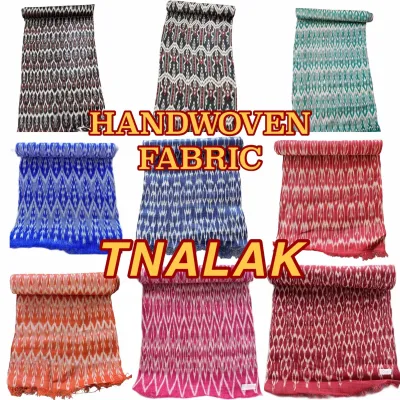
Before choosing a sewing pattern, you must understand the physical properties of tinalak. Woven from natural abaca fibers, this textile is highly durable, stiff, and completely devoid of stretch. It behaves more like a heavy canvas or structured buckram than a fluid garment fabric, meaning it will not drape or contour naturally around tight curves. If you attempt to force it into a fluid, body-hugging design, the fabric will bunch, pull, and feel highly uncomfortable to wear.
Products mentioned in this guide
Prices are valid at publication and may change. Please refer to the product page for the latest price.
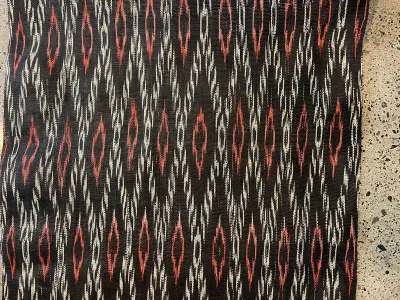
Traditional tinalak designs feature sacred geometric motifs, such as the kedungon or other dream-inspired patterns, which are flanked by distinct side borders. These motifs are symmetrical and highly structured, requiring you to treat the fabric as an engineered print. Cutting into these central designs haphazardly ruins the visual story of the weave and diminishes the cultural value of the textile. You must identify where the primary motifs lie and treat them as the focal points of your project.
Another critical factor is the physical dimension of the fabric. Tinalak is traditionally woven on narrow backstrap looms, resulting in bolts that are typically only 12 to 24 inches (approximately 30 to 60 centimeters) wide. Additionally, the handwoven edges, or selvages, can be uneven, wavy, or slightly fragile. You must measure the actual usable width of your specific piece, excluding any unstable edges, before finalizing your pattern selection to ensure your pieces will actually fit on the narrow strip.
Choosing Pattern Styles That Preserve Visual Continuity
To showcase the striking geometric patterns of tinalak, prioritize simple silhouettes with clean, straight lines. Boxy shift dresses, structured utility jackets, wrap vests, and simple A-line skirts are excellent choices for garments. For accessories, minimalist tote bags, structured clutches, and envelope pouches work beautifully. These styles allow the flat, bold geometric patterns to remain uninterrupted across large expanses of the finished item.

Avoid sewing patterns that rely on excessive seams, princess lines, complex pleats, or heavy gathers. Gathering thick abaca fibers creates immense bulk that domestic sewing machines cannot easily penetrate, resulting in awkward, stiff lumps rather than soft folds. Darts should also be kept to a minimum; where shaping is absolutely necessary, try to convert darts into simple style lines or choose patterns that rely on ease and natural structure rather than intricate contouring.
When evaluating a pattern, look closely at the size of the individual template pieces. Because tinalak is narrow, large pattern pieces like a full-circle skirt or a seamless wide-leg pant simply will not fit on a single width of the fabric. Instead, look for patterns that feature paneling, or plan to combine your tinalak with coordinating solid-colored fabrics, such as linen or heavy cotton canvas, to bridge the gap between narrow panels.
Planning Strategic Pattern Placement and Layout
Treat your pattern layout as a design exercise rather than a cutting chore. Start by identifying the most prominent central motif on your tinalak fabric. Place your primary pattern pieces, such as the center front of a bodice, the main panel of a bag, or the center of a skirt, directly over this motif. This ensures that the most intricate part of the weave is positioned prominently on the finished item, drawing the eye naturally to the craftsmanship.
If your project requires joining panels, you must plan how the geometric repeats will align across the seams. While perfect millimeter matching is rarely possible with handwoven textiles due to natural variations in tension, you should aim for visual balance. Align horizontal bands and major diamond shapes across side seams and center back lines. This level of planning prevents the finished piece from looking disjointed or asymmetrical.
Do not forget to utilize the beautiful border designs that run along the edges of the fabric. These borders can be strategically placed to serve as built-in hems, sleeve cuffs, collar bands, or pocket flaps. By aligning your pattern pieces so the borders fall naturally at the openings of your garment or bag, you highlight the traditional framing of the textile while reducing the need for complex edge-finishing steps later on.
Preparing and Cutting the Handwoven Material Safely
Because abaca is a coarse, handwoven fiber, the raw edges of tinalak will unravel rapidly once cut. To prevent your project from disintegrating during assembly, you must stabilize the fabric before making any cuts. Apply a thin line of fabric sealant or liquid fray-check along your planned cutting lines, or fuse a lightweight, one-inch strip of interfacing to the underside of the fabric where the cuts will be made. Alternatively, you can stay-stitch just inside the seam allowance immediately after cutting.
Cutting through dense abaca fibers requires the right tools to prevent damage to the weave. Use heavy-duty, freshly sharpened fabric shears or a high-quality rotary cutter fitted with a brand-new blade. Dull blades will chew through the tough fibers, causing severe fraying, pulling, and uneven edges. Cut slowly and in a single, continuous motion, keeping the fabric as flat as possible on your cutting mat to avoid distorting the grain.
Marking your pattern pieces must be done with extreme care. Traditional tinalak is colored with natural dyes that can react unpredictably to chemical markers or heavy wax. Avoid using permanent ink, ballpoint pens, or standard dressmaker’s carbon. Instead, use traditional tailor’s chalk or air-erasable fabric markers, always testing them on a small scrap first to ensure they brush off or fade completely without leaving unsightly stains on the natural fibers.
Assembling and Finishing the Project Securely
Sewing tinalak requires adjusting your machine settings to accommodate the fabric’s thickness and density. Equip your sewing machine with a sharp, heavy-duty needle, such as a denim or jeans needle in size 90/14 or 100/16. A standard universal needle may bend or skip stitches when trying to pierce the tough abaca fibers. Use a strong, high-quality polyester thread, and set your stitch length to a slightly longer 2.5 mm to 3.0 mm to prevent perforating the fabric too densely, which can weaken the seam.
Because the raw edges of tinalak are highly prone to fraying, standard pinking or simple zigzag stitches are rarely sufficient for long-term durability. Instead, choose robust seam finishes that completely enclose the raw edges. Flat-felled seams, French seams (on lighter weaves), and Hong Kong finishes using bias binding are highly recommended. If you are making a bag or a structured jacket, fully lining the project is the most reliable way to protect the raw edges from wear and friction.
Before you begin sewing your actual panels, test your machine’s tension and presser foot pressure on a scrap piece of tinalak. Because the handwoven texture can be slightly uneven, you may need to reduce the presser foot pressure slightly to allow the fabric to feed smoothly without bunching. Keep a consistent seam allowance, and use fabric clips rather than pins if you find that standard pins bend or leave visible holes in the dense weave.
Frequently Asked Questions (FAQ)
Can I use commercial PDF patterns directly on tinalak fabric without adjustments?
No, you should avoid using commercial PDF patterns directly without making structural adjustments first. Most commercial patterns are designed for standard fabric widths of 44 to 60 inches and often assume the fabric has some natural drape or stretch. Because tinalak is narrow (often 12 to 24 inches wide) and completely rigid, you must measure the pattern pieces against your fabric’s usable width. You will likely need to add seam allowances to split wide pattern pieces into smaller panels, and you must increase the ease of the pattern to ensure the finished garment is comfortable to wear without stretching.
How do I match geometric patterns across seams when the fabric is slightly uneven?
When matching geometric patterns on handwoven tinalak, prioritize visual alignment at major focal points rather than forcing an exact match along the entire length of a hidden seam. Because handweaving naturally features slight variations in tension and pattern scale, forcing a perfect match can warp the hang of the garment. Use heavy pinning, fabric clips, or hand-basting to secure the alignment at key intersections before machine sewing. If the pattern shift is highly noticeable, consider inserting a solid-colored piping or contrast fabric strip between the panels to create a deliberate visual break.
Community discussion
Share your experience or ask a question. Comments are reviewed before publication.