
Selecting the right sticker labels for your bullet journal is essential to keep your layouts clean, organized, and free from damage. The ideal stickers should adhere smoothly to your pages without causing ink bleed-through, leaving sticky residue, or tearing the paper when repositioned. In tropical climates like the Philippines, high humidity can soften paper fibers and alter adhesive behavior, making careful material selection even more critical. By understanding how different sticker backings and adhesives interact with various paper weights, you can customize your journal beautifully while preserving its structural integrity.
Using stickers in a journal is more than just an aesthetic choice; it is a practical way to set up trackers, headers, and indexes quickly. However, a single aggressive adhesive can ruin weeks of careful planning by tearing a page or bleeding through to the other side. To prevent these issues, you must evaluate both the face material of the sticker and the chemical nature of its adhesive backing before applying it to your precious journal pages.
Understanding How Sticker Materials and Adhesives Affect Journal Paper
The material of a sticker label determines how it sits on the page, how much bulk it adds to your journal, and how it handles ink. Common options include washi paper, PET (polyethylene terephthalate), vinyl, and standard paper. Washi paper is highly flexible, thin, and semi-translucent, making it an excellent choice for layering without adding bulk. PET is a clear, plastic-based material that is highly durable and water-resistant, though it requires permanent or specialized markers if you plan to write on it. Vinyl is thicker and completely opaque, which is great for covering mistakes, but its thickness can cause your journal to swell if used excessively. Standard paper labels are easy to write on with any pen, but they are often rigid and can easily crease thin journal pages.
Products mentioned in this guide
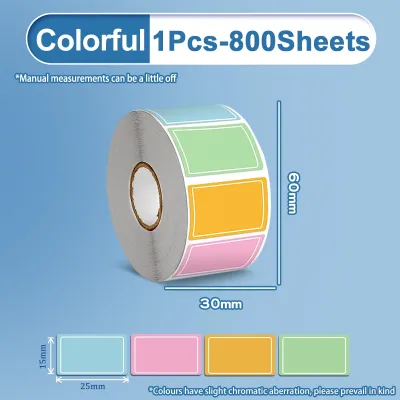
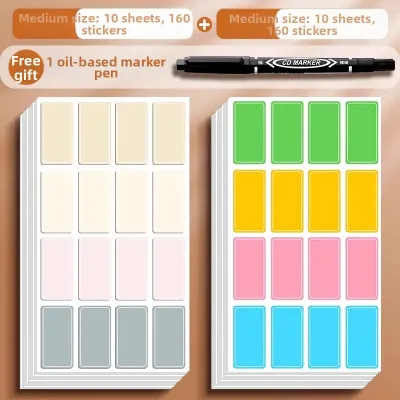
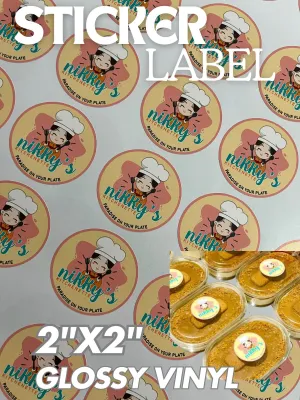
Prices are valid at publication and may change. Please refer to the product page for the latest price.
Equally important is the adhesive formulation used on the backing. Adhesives generally fall into three categories: permanent, removable, and repositionable. Permanent adhesives are designed to form a strong, lasting bond with the paper fibers, making them highly likely to tear your pages if you ever try to peel them off. Removable adhesives are formulated to peel away cleanly within a specific timeframe, but they can become permanent over time, especially when exposed to heat and humidity. Repositionable adhesives offer the lowest tack, allowing you to peel and restick the label multiple times without lifting paper fibers.
It is crucial to remember that material names alone do not guarantee safe performance. A label marketed as “planner-friendly” might still use an aggressive adhesive that reacts poorly with specific paper types. Always verify the manufacturer’s specifications and product labels for explicit compatibility with journal paper before application.
Testing and Preventing Page Damage and Ink Bleed-Through
Before committing any new sticker label to your active journal pages, conducting a simple compatibility test is the best way to prevent irreversible damage. Choose a hidden area, such as the very last page of your journal or a scrap piece of paper from the same manufacturer. Apply a small sample of the sticker to this test area and press it down firmly. Leave it in place for at least twenty-four hours to allow the adhesive to bond with the paper fibers, particularly in humid environments where moisture can alter adhesive behavior.

After the waiting period, gently peel the sticker off to observe how the paper reacts. Check if the adhesive lifts any paper fibers, leaves a greasy or sticky residue, or causes the paper to warp. If you plan to write on the sticker, test your favorite journaling pens on it while it is still applied to the test page. This allows you to check for ink feathering and ensure that the ink does not bleed through the sticker material and onto the page underneath.
Paper weight, measured in grams per square meter (GSM), plays a significant role in how well your journal tolerates stickers. Thinner pages, such as 52 GSM or 80 GSM, have delicate fibers that tear easily under the tension of strong adhesives. These thin pages also increase the risk of ink bleed-through when paired with wet inks or markers used on top of paper stickers. Thicker pages, such as 120 GSM or 160 GSM, offer much greater resistance to tearing and ghosting, but they can still suffer surface damage if paired with cheap, permanent adhesives.
To protect your layouts, establish clear stop conditions during your creative process. If a sticker feels exceptionally tacky or difficult to peel from its backing sheet, avoid applying it directly to your journal pages. Never apply stickers with strong adhesives over critical layouts, calendars, or highly detailed drawings where a mistake could ruin hours of work. If you notice any fiber lifting during your initial test peel, stop using that specific label brand immediately.
Choosing the Right Material for Your Bullet Journaling Tasks
Matching the sticker material to its specific function in your bullet journal ensures both usability and longevity. Functional labels, such as index tabs, date trackers, and habit grids, require surfaces that are easy to write on with standard gel pens or fineliners. For these tasks, prioritize matte paper or washi-based labels with repositionable adhesives. These materials allow you to write clearly without smudging and let you adjust the placement of tabs and grids if you make an alignment error.
Decorative elements, such as illustrations, borders, and decorative tape, serve a different purpose and require different material properties. For decoration, look for materials that lay completely flat and do not alter the underlying texture of the page. Washi paper and thin PET stickers are ideal because they blend seamlessly into the page, allowing you to close your journal without creating a bulky, uneven surface. Avoid thick vinyl or heavily textured paper stickers for decorative purposes, as they can cause the journal to bulge and make writing on subsequent pages difficult.
When selecting your supplies from online marketplaces or local stationery shops, use a simple decision checklist to match material properties to your journaling tasks:
- For daily writing and tracking: Choose matte, writable paper labels with low-tack adhesives.
- For page dividers and index tabs: Choose durable, thick paper or PET labels that can withstand frequent handling.
- For background layering and borders: Choose semi-translucent washi stickers that lay flat and accept layering.
- For humid conditions: Avoid cheap paper labels with water-soluble adhesives that may slide or degrade; instead, opt for high-quality acrylic-based repositionable adhesives.
Applying and Removing Labels Safely Without Tearing Pages
Proper handling techniques during application and removal can significantly reduce the physical stress placed on your journal pages. When applying a sticker, start by washing and thoroughly drying your hands to remove natural oils and moisture, which can weaken the adhesive or stain the paper. Align the sticker gently over the desired spot without letting it touch the page completely. Once aligned, lower it slowly and press down from the center outward using a clean, dry thumb or a soft cloth to prevent air bubbles from trapping underneath.
Avoid stretching flexible materials like vinyl or thin PET during application. Stretching these materials creates tension, causing them to slowly shrink back over time, which can warp or wrinkle the underlying journal page. If you need to reposition a label, do so immediately before the adhesive has time to cure and form a stronger bond with the paper fibers.
When removing a sticker, patience is key to preserving your page. Slowly peel the sticker back at a very low angle, keeping it almost flat against the page rather than pulling it straight up at a ninety-degree angle. Use your other hand to support the surrounding paper, pressing down gently near the peeling edge to minimize tension on the paper fibers. If you feel high resistance or see the paper starting to lift, stop immediately to prevent a tear.
Never use liquid adhesive solvents, commercial goo removers, or excessive heat from a hair dryer on standard journal paper. These methods can dissolve the paper’s sizing, cause severe warping, leave greasy stains, or permanently discolor the page. If you encounter a stubborn adhesive that refuses to budge, it is best to leave it in place or consult the journal manufacturer’s care instructions for safe removal alternatives.
Frequently Asked Questions (FAQ)
Can I use standard office sticker labels in a bullet journal?
Standard office sticker labels are generally not recommended for bullet journaling because they are designed for permanent attachment to envelopes and shipping boxes. They typically feature highly aggressive, permanent acrylic adhesives that will easily tear delicate journal pages if you try to adjust or remove them. Additionally, office labels are often made of thick, low-grade paper that can cause your journal to bulk up quickly and may allow ink to bleed through to the next page. For journaling, it is much safer to stick to craft-specific labels, washi stickers, or repositionable labels designed for planner use.
How do I safely remove sticky residue left on journal pages?
If a sticker leaves a sticky residue on your journal page, avoid using water, rubbing alcohol, or liquid solvents, as these will ruin the paper texture and cause warping. Instead, try gentle mechanical removal methods first. You can use a clean, soft artist’s eraser to gently roll the residue off the page, taking care not to rub too hard and thin the paper. Alternatively, take a piece of low-tack tape, such as washi tape, wrap it around your finger with the sticky side out, and gently dab the residue repeatedly to lift it off the page.

Community discussion
Share your experience or ask a question. Comments are reviewed before publication.