
The choice of stickers for bullet journaling and planner decoration depends heavily on your notebook’s paper weight, your writing tools, and how you use your spreads. For writing directly on stickers and maintaining a flat, bulk-free journal, matte paper stickers are highly suitable. For decorating planner covers, divider tabs, or high-wear sections that must withstand daily handling, durable vinyl stickers offer excellent longevity.
In warm, humid tropical climates, choosing the right adhesive and material is especially important. High humidity can soften adhesives, cause thin paper pages to warp, or make certain inks smudge on glossy surfaces. Balancing aesthetic appeal with functional durability ensures your creative layouts remain intact and legible all year round.
Selecting the right sticker involves evaluating material properties, physical formats, and how they interact with your daily journaling tools. By understanding how different backings, finishes, and adhesives behave on various paper types, you can build a beautiful, functional planner system that supports your productivity.
Products mentioned in this guide
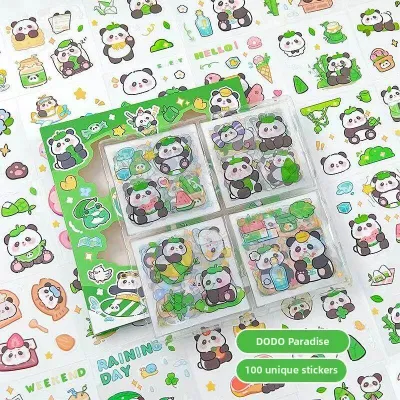
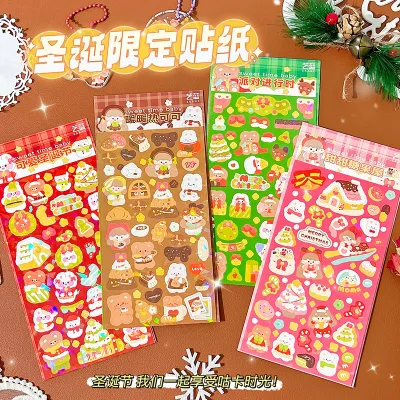
Prices are valid at publication and may change. Please refer to the product page for the latest price.
Comparing Sticker Materials: Paper vs. Vinyl for Journals
Matte paper stickers are the backbone of bullet journaling and daily planning. Because they are uncoated, these stickers blend seamlessly with notebook pages, especially when printed on thin, lightweight paper. They accept almost any ink, including gel pens, fineliners, fountain pens, and brush markers, making them ideal for writing dates, headers, or task labels. However, paper stickers are vulnerable to moisture and can tear easily if you attempt to reposition them on delicate pages.
Vinyl stickers, often made of plastic or PVC, are thick, highly durable, and water-resistant. This makes them excellent for decorating the exterior of your planner, plastic covers, or divider tabs that receive constant touch. In humid environments, vinyl stickers do not curl or degrade when exposed to moisture. However, their thickness can add significant bulk to your notebook if used excessively on inside pages, making it difficult to write smoothly on subsequent sheets.
Adhesive strength and backing thickness are critical factors when working with delicate journal paper. The permanent adhesive on many vinyl stickers can pull at paper fibers, causing thin pages (such as 52gsm or 68gsm lightweight papers) to warp or buckle over time. Furthermore, thick backings can create physical ridges that transfer to the pages underneath, disrupting your writing flow. For internal pages, look for low-tack, removable paper stickers or ultra-thin washi-style stickers that lay completely flat.
Choosing Sticker Formats: Die-Cut vs. Sheets for Planners
Die-cut stickers are individual stickers cut to their exact shape, making them highly popular for visual accents. They are excellent for on-the-go journaling because you can easily slip a few individual designs into your planner pocket without carrying an entire sheet. They serve as great focal points or large decorative elements on weekly spreads. However, because they are loose, they require careful storage in a pouch or box to prevent the edges from bending or peeling before application.

Sticker sheets contain multiple stickers on a single backing page, usually grouped by theme, color palette, or function. This thematic consistency makes it easy to create cohesive weekly or monthly layouts without searching through loose piles. Sheets are also highly cost-effective, often offering dozens of small icons, headers, or trackers on a single page. They keep your collection organized and flat, preventing damage from humidity or handling.
Some sticker sheets come pre-cut, while others are uncut and require manual trimming. Uncut sheets offer maximum flexibility, allowing you to cut out custom shapes or borders to fit your specific layout. However, working with uncut sheets requires precision tools, such as fine-tip precision scissors or a craft pen knife. When using craft knives, always place a cutting mat underneath the sheet to protect your desk, and avoid cutting directly inside your journal to prevent slicing through the pages.
Matching Stickers to Your Bullet Journal Tasks and Spreads
For daily logs, habit trackers, and monthly calendars, functionality is key. Stickers used in these sections should be minimal, highly legible, and unobtrusive. Small icon stickers, such as water droplets for hydration, clocks for appointments, or checkmarks for tasks, help you categorize information quickly without cluttering your layout. Choose matte, write-on stickers for headers or date covers so you can easily add specific details with your favorite fineliner.
Monthly cover pages, mood boards, and memory keeping spreads allow for more creative freedom and layering. Here, you can layer different sticker types to build depth and visual interest. Start with larger, semi-transparent washi stickers or paper ephemera as a base, then layer smaller die-cuts or metallic foil stickers on top. This layering technique adds visual interest without creating excessive bulk, provided you use thin paper-based stickers for the lower layers.
If you plan to write notes, times, or tasks directly over a sticker, the surface finish is critical. Clear plastic stickers and glossy paper stickers repel water-based inks, causing gel pens and water-based markers to bead up and smudge. For write-on areas, stick to matte paper or matte washi stickers. These porous surfaces absorb ink quickly, allowing you to write smoothly with standard gel pens, fineliners, or ballpoint pens without worrying about smearing your work.
What to Check Before Buying Planner Stickers
Before purchasing, read the product descriptions carefully to identify the adhesive type. Look for terms like “repositionable,” “low-tack,” or “removable” if you like to adjust your layouts. Avoid heavy-duty industrial adhesives, which are designed for outdoor use and can ruin delicate notebook paper. If you use thin, high-end journaling paper, look for stickers specifically labeled as washi material or thin matte paper to ensure they will not cause your pages to warp or tear.
Match the sticker finish to your daily writing instruments to prevent smudging. If you exclusively use gel pens or fountain pens, avoid glossy or non-porous vinyl stickers, as these inks require a porous surface to dry. If you must use glossy stickers, verify if you have permanent markers or multi-surface pens on hand. For general planning where you write constantly, matte paper stickers are always the safest and most versatile option.
Standard bullet journals use a 5mm dot grid, while many popular weekly planners have columns measuring around 3.5cm to 3.8cm wide. Before buying functional stickers like habit trackers, weekly headers, or box covers, check the seller’s exact dimensions. A sticker that is even a few millimeters too wide will overlap your grid lines or spill into adjacent columns, disrupting your layout’s clean look. Keep a small ruler handy to measure your planner’s grid before ordering online.
Frequently Asked Questions (FAQ)
Can I write on vinyl stickers with standard ballpoint or gel pens?
Standard water-based gel pens and liquid ink fineliners will not dry on glossy vinyl surfaces; the ink will bead up and smudge instantly. However, matte vinyl stickers have a slight texture that can sometimes accept ballpoint pens if you allow extra drying time. For reliable writing on any vinyl surface, it is best to use permanent, alcohol-based markers, multi-surface pens, or quick-dry pigment liners specifically formulated for non-porous materials.
How do I remove repositionable stickers without tearing journal pages?
To safely remove a sticker, peel it back very slowly at a flat, 180-degree angle rather than pulling straight up, which minimizes stress on the paper fibers. If the adhesive has bonded strongly due to heat or humidity, apply gentle, low heat using a hairdryer on a cool or slightly warm setting from a safe distance to soften the glue. Before applying any new sticker brand to your journal, always test a small piece on a back page or scrap piece of the exact same paper stock to see how cleanly it releases.

Community discussion
Share your experience or ask a question. Comments are reviewed before publication.