
When crafting custom pet accessories, selecting the right dog beads is not just about aesthetics; it is a critical decision that impacts your pet’s safety, comfort, and the accessory’s lifespan. A dog’s collar is subjected to scratching, biting, rolling in the dirt, and exposure to the elements. In the Philippines, the tropical climate adds another layer of complexity, as high humidity, sudden downpours, and salty beach air can quickly degrade inferior materials. Understanding which beads can withstand these harsh conditions ensures your pet stays safe and stylish.
Using the wrong materials can lead to catastrophic collar failure or severe health risks for your pet. By focusing on durability, non-toxicity, and structural integrity, you can design accessories that look beautiful and perform reliably. This guide will walk you through the essential safety rules, the best bead materials for active pets, what materials to avoid, and how to pair your beads with the right hardware.
Safety First: Non-Negotiable Rules for Pet Bead Selection
Establishing a strict safety baseline is the most important step before you begin any pet crafting project. A broken collar can scatter beads in seconds, creating an immediate hazard. If a dog swallows these beads, it can lead to choking or life-threatening intestinal blockages. The size of the bead must be proportional to your dog’s breed and chewing habits; tiny beads are easily swallowed by small breeds, while larger beads can still pose a risk to curious chewers if they manage to break them off.
Products mentioned in this guide
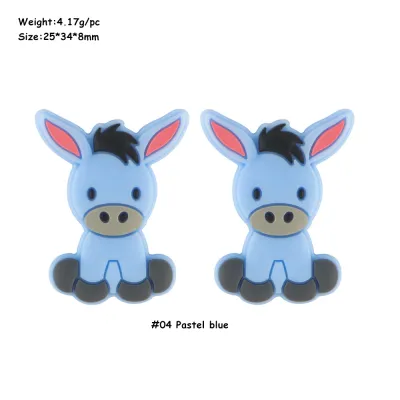

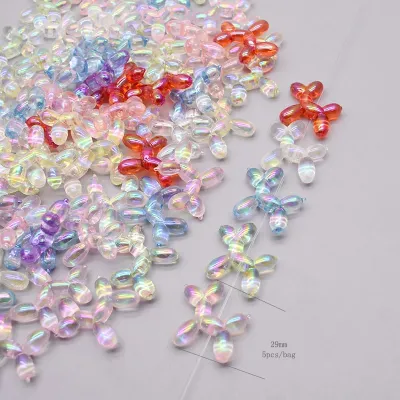
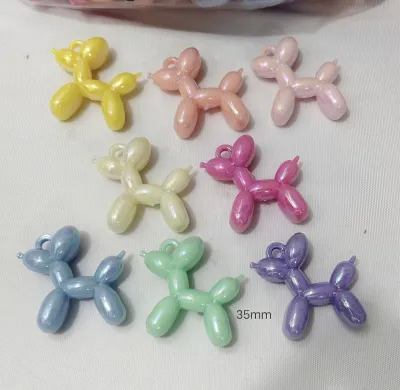
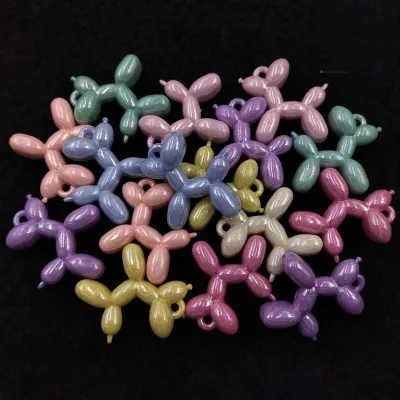
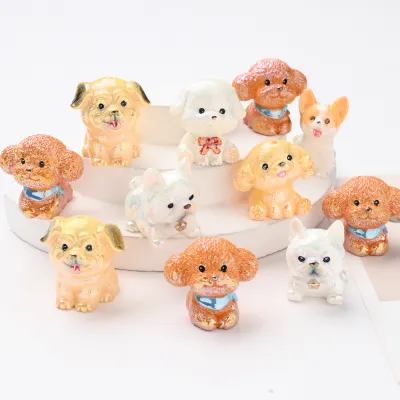
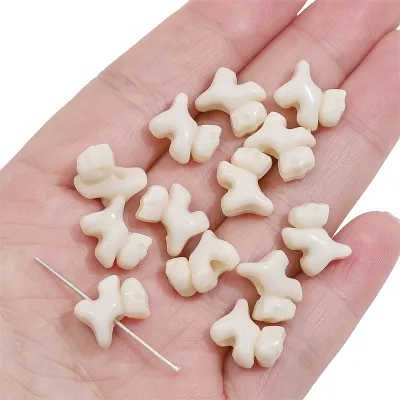
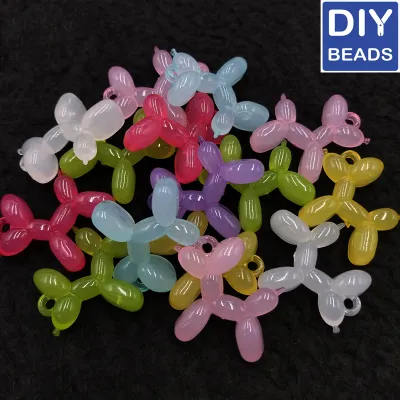
Prices are valid at publication and may change. Please refer to the product page for the latest price.
Brittle materials pose a severe shattering risk under sudden impact or pressure. Dogs are active animals that love to run, play, and occasionally scratch their collars against hard surfaces. If a bead is brittle, a sudden impact against a tiled floor, concrete patio, or stone garden path can cause it to shatter. Sharp fragments can cut your dog’s neck, paws, or mouth if they attempt to chew the broken pieces. Avoiding fragile materials is a fundamental rule of pet accessory design.
Chemical safety is another critical concern because dogs often lick their collars or groom themselves, meaning any chemical coating on a bead can easily enter their system. Cheap metallic platings, lead-based paints, and low-grade plastics containing harmful phthalates or bisphenol A (BPA) can flake off or leach toxic chemicals over time. Always verify that the materials used are non-toxic, hypoallergenic, and free from heavy metals.
Finally, pet accessories must withstand sudden pulling, running, and active play. Unlike human jewelry, which experiences minimal tension, a dog collar must withstand sudden pulling forces, especially if a leash is attached. The beads must not crush under the pressure of a collar buckle or a tight leash. The entire accessory needs to maintain its shape and structural integrity under tension, requiring robust materials that do not warp, stretch, or crack during daily wear.
Top Dog Beads and Materials for Durable and Safe Pet Accessories
Choosing the right material depends on your dog’s size, activity level, and environment. Different materials offer unique advantages in terms of weight, flexibility, and resistance to wear.

Silicone and Rubber Beads
Silicone beads have become incredibly popular for pet accessories, and for good reason. These beads are soft, flexible, and virtually indestructible under normal pet wear. Their rubbery texture absorbs impact, meaning they will not crack if your dog bumps into a wall or rolls on a hard floor. Additionally, they are completely silent; unlike hard plastic or metal beads, they do not clack together, providing a quiet experience for noise-sensitive dogs.
For puppies and heavy chewers, silicone is an excellent standard. Teething puppies love to chew on anything within reach, and a soft silicone collar can withstand gentle gnawing without damaging their developing teeth. On local online marketplaces, high-quality silicone beads are highly affordable, typically costing around ₱5 to ₱15 per bead, making them a budget-friendly option for custom designs.
To verify the quality of silicone beads, look for those certified as 100% food-grade. Check the surface for any prominent molding seams, which can indicate poor manufacturing and serve as weak points where the bead might split. Ensure the beads are solid rather than hollow to prevent them from collapsing under pressure.
Acrylic and High-Quality Resin Beads
If you want vibrant colors, playful patterns, and unique shapes, acrylic and high-quality resin beads are excellent choices. These synthetic materials are exceptionally lightweight, making them ideal for small to medium-sized dogs like Shih Tzus, Pugs, or French Bulldogs, who might find metal accessories too heavy. They are highly resistant to impact and can survive the occasional drop or bump without breaking.
However, acrylic and resin do have limitations. Over time, active dogs will scratch the surface of these beads, which can dull their shine and collect dirt. They can also crack under extreme bite pressure from larger, powerful breeds.
When selecting acrylic beads, inspect them closely for manufacturing quality. Ensure the outer edges are perfectly smooth to prevent skin irritation, and check that the drilled holes are free from sharp plastic burrs. Sharp burrs inside the bead hole can act like tiny saws, slowly fraying your stringing cord until it snaps.
Stainless Steel and Solid Metal Beads
For large, strong, or highly active working dogs, solid metal beads offer unmatched durability. Stainless steel is the premier choice in this category. It is incredibly strong, resistant to crushing, and virtually impossible for a dog to damage. It also provides a sleek, modern, and rugged aesthetic that looks fantastic on larger breeds like Labradors, Golden Retrievers, or German Shepherds.
Despite their strength, metal beads require careful consideration. Their heavy weight can cause significant neck strain or discomfort if used on toy or small breeds.
Furthermore, you must avoid cheap plated alloys or base metals like copper, brass, or iron. In the humid, tropical climate of the Philippines, exposure to sweat, rain, and bathwater will cause cheap metals to tarnish, rust, or turn your dog’s fur green. Solid stainless steel (specifically 304 or 316 grade) is rust-proof and hypoallergenic, making it the only metal bead material you should trust for long-term pet wear.
Craft Beads to Avoid or Use with Strict Caution
Many common craft beads that are perfectly safe for human jewelry pose hidden physical or environmental risks when used for pet accessories.
Glass and ceramic beads are highly dangerous for pet accessories. These materials are incredibly brittle. If your dog shakes its head and hits the collar against a tiled floor, or if another dog nips at the collar during play, glass beads can shatter instantly. The resulting razor-sharp shards can cause severe lacerations to your dog’s neck, paws, and mouth. If swallowed, they can cause catastrophic internal bleeding. There is no safe way to use glass or ceramic beads on a functional dog collar.
Wooden beads might seem like a great natural, eco-friendly option, but they pose significant health and safety risks. Wood is prone to splintering under pressure, which can cause painful punctures in your dog’s mouth or throat if chewed. Furthermore, wood is highly porous. In wet, humid environments, wooden beads will absorb water, saliva, mud, and skin oils. This creates a breeding ground for bacteria, mold, and mildew, leading to foul odors, skin infections, and the rapid rotting of both the beads and the stringing material.
Seed beads are tiny, delicate, and pose a severe choking hazard if a strand breaks. If a dog inhales or swallows dozens of these tiny beads, it can lead to respiratory distress or digestive blockages. These beads should never be used on the main, load-bearing band of a collar. If you absolutely want to incorporate them for their intricate patterns, limit their use strictly to non-structural, tightly woven decorative tags or patches that are securely backed by leather or heavy webbing and kept completely out of your dog’s reach.
Matching Beads with Heavy-Duty Stringing and Hardware
The safest beads in the world are useless if they are held together by weak stringing material. Standard jewelry threads, elastic cords, and thin beading wires are entirely unsafe for dog collars. They lack the tensile strength to withstand the sudden, high-impact force of a dog lunging, pulling, or shaking its head. A single strong tug can snap these threads, scattering beads and freeing your dog in a potentially dangerous situation.
To ensure maximum safety, always pair your beads with heavy-duty stringing materials. 550 paracord (which has a breaking strength of 550 pounds) is an exceptional choice due to its durability, flexibility, and resistance to rot. Alternatively, you can use thick, nylon-coated stainless steel cable (often called aircraft cable) for a rigid, ultra-strong structure.
Your hardware must match this level of strength. Always use solid, welded D-rings rather than open split rings, as open rings can easily bend and fail under tension. Secure the collar with a heavy-duty, side-release buckle made of high-impact military-grade plastic or solid metal. Before finalizing your design, double-check that the inner holes of your chosen beads are large enough to comfortably accommodate these thick, secure stringing materials without forcing or pinching.
Frequently Asked Questions (FAQ)
Are wooden beads safe for dog collars?
Generally, wooden beads are not safe for functional dog collars due to the high risks of splintering and moisture absorption. In humid climates, they quickly absorb saliva, sweat, and water, leading to mold, mildew, and bacterial growth that can cause skin irritation. If you must use wood for an aesthetic project, choose dense, heavily sealed hardwoods and restrict their use to lightweight, purely decorative tags for calm, non-chewing dogs. They should never be used on a structural collar or leash.
How do I clean a beaded dog collar?
Cleaning a beaded dog collar is simple and should be done regularly to prevent dirt and bacteria buildup. Mix a few drops of mild, pet-safe soap with lukewarm water. Dip a soft-bristled brush, like an old toothbrush, into the soapy water and gently scrub the spaces between the beads to remove dirt, oils, and sweat. Rinse the collar thoroughly with clean water to remove all soap residue. Wipe it down with a dry towel and lay it flat to air-dry completely in a well-ventilated area away from direct, harsh sunlight, ensuring all metal hardware is completely dry to prevent rust.
Community discussion
Share your experience or ask a question. Comments are reviewed before publication.