
Choosing the right clay set for your child requires balancing their current age, fine motor development, and sensory preferences. While a toddler needs ultra-soft, taste-safe modeling dough to squeeze and squish, an older child requires structural clay that holds its shape for detailed modeling. Selecting the wrong type can lead to frustration—either from a young child struggling with stiff material or an older child finding their creations collapsing. By matching the clay’s physical properties to your child’s developmental stage, you can transform a simple craft session into a highly engaging, educational experience that builds hand strength and spatial awareness.
Understanding Clay Types and Safety Standards
To make an informed purchase, you must first understand the distinct physical properties of the three primary children’s clay categories. Traditional modeling dough is a soft, water-based material designed primarily for reusable, open-ended play. It is highly pliable and excellent for young fingers, but it will dry out and crumble if left uncovered. Air-dry clay, which can be either paper-based or resin-based, is lightweight and designed to harden permanently without baking. In the humid tropical climate of the Philippines, air-dry clay may take slightly longer to cure completely, often requiring up to 48 hours to dry thoroughly to the core. Polymer clay is a plastic-based material containing PVC and plasticizers that remains soft indefinitely until baked in a household oven, making it ideal for detailed, permanent crafts.
Safety must be your primary filter when browsing online marketplaces or local craft stores. Always look for clear non-toxic certifications on the packaging, such as the ASTM D-4236 standard, which indicates the material has been evaluated by a toxicologist and contains no harmful substances. European toy safety standards, indicated by the EN71 marking, also provide assurance regarding physical safety and chemical composition. Additionally, pay close attention to the manufacturer’s age-grade warnings; sets labeled for ages three and up often contain small accessories or molds that present choking hazards for younger children.
Products mentioned in this guide
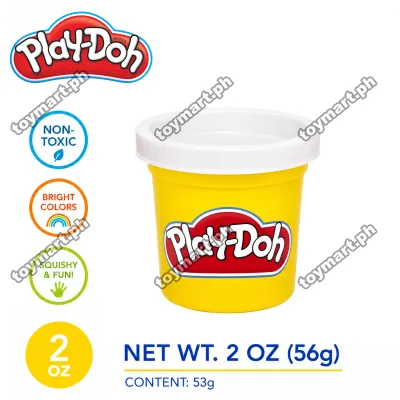
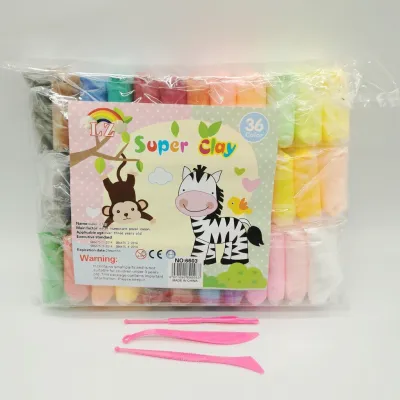
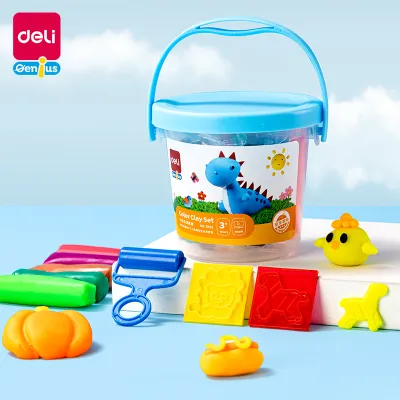
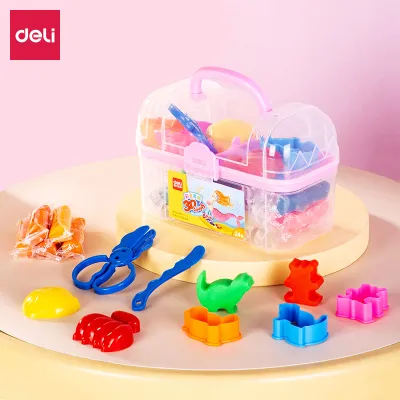



Prices are valid at publication and may change. Please refer to the product page for the latest price.
Allergen awareness is another critical factor when selecting traditional modeling doughs. Many classic, store-bought doughs use wheat flour as a primary binding ingredient, which poses a significant risk to children with celiac disease or severe wheat allergies. Because children frequently touch their faces or put their hands near their mouths during play, wheat-based doughs can cause accidental exposure. If your child has a gluten sensitivity, carefully inspect the ingredient list for alternative formulations made from rice, soy, or synthetic starch bases to ensure a safe play environment.
Matching Clay Sets to Developmental Stages
A child’s cognitive focus and physical capabilities change rapidly, meaning a clay set that delights a six-year-old might overwhelm a toddler. In early childhood, play is primarily sensory and exploratory; children enjoy the physical sensation of squeezing, poking, and tearing the material without any goal of creating a finished object. As children transition into school age, their cognitive focus shifts toward representational play. They begin planning their creations, aiming to sculpt recognizable figures, animals, or miniature food items, which requires a material that can support fine details and structural weight.

This developmental shift directly dictates the level of clay resistance your child can handle. Hand strength and bilateral coordination develop gradually through active play. Stiff clays, such as polymer clay or firm plasticine, require significant hand strength to condition and shape, which can quickly tire out and frustrate a preschooler. Conversely, ultra-soft modeling dough offers minimal resistance, allowing young children to build confidence as they easily flatten and mold the material. As hand muscles strengthen, introducing firmer clays challenges their motor skills and allows them to execute precise, delicate shapes that do not droop or lose their form.
Recommended Clay Features for Toddlers and Preschoolers
For children aged one to five, prioritize clay sets that feature an ultra-soft, non-sticky texture. The material should glide easily between small fingers without leaving a greasy or stubborn residue on hands, play mats, or clothing. Sticky clays can cause sensory discomfort for some toddlers, leading them to reject the activity entirely. Look for doughs that hold together well rather than crumbling into tiny, hard-to-clean pieces, which helps keep the play area tidy and prevents accidental ingestion of stray crumbs.
Accessories for this age group should focus on simplicity, safety, and basic skill development. Select kits that include large, chunky plastic tools designed for a toddler’s palmar grasp, such as thick rolling pins, blunt plastic cutters, and simple stampers. Avoid any tools with sharp edges, metal parts, or intricate crevices that are difficult to clean. Molds should feature high-contrast, bright primary colors to support visual development and shape recognition, and they should have large release tabs so small hands can easily pop the molded dough out without ruining their creation.
Storage is a vital but often overlooked feature for toddler clay sets. Because young children typically play in short, spontaneous bursts, the clay must be easy to pack away quickly. Look for sets that come in individual, durable plastic tubs with wide, snap-on lids that seal tightly. In warm tropical environments, leaving water-based dough exposed to the breeze of an electric fan or air conditioner will dry it out within minutes. Secure, easy-to-open tubs allow parents or older siblings to seal the dough instantly, preserving its soft texture for the next play session.
Recommended Clay Features for School-Age Children
Children aged six and older are ready for materials that allow them to preserve their hard work. Air-dry clay is highly recommended for this stage, as it dries to a lightweight, durable finish that can be painted, varnished, or displayed. For older children who enjoy making jewelry, keychains, or highly detailed miniatures, polymer clay sets offer the necessary stiffness and color stability. These advanced materials allow children to build internal armatures using toothpicks, craft sticks, or aluminum foil, giving them the structural support needed to create taller, more complex figures.
To support advanced artistic expression, look for kits that include specialized detailing tools. Instead of simple cookie cutters, school-age children benefit from plastic sculpting knives, loop tools for carving away excess material, texture mats that mimic scales or brickwork, and fine-tip dotting tools. Sets that include color-mixing palettes or guides are also highly valuable, as they teach children how to blend primary colors to achieve realistic skin tones, earthy shades, or vibrant gradients, enhancing both their artistic skills and their understanding of color theory.
At this stage, children appreciate structured projects that challenge their abilities. Clay kits that include step-by-step instructional guides, project templates, or themed storybooks help sustain focus during longer crafting sessions. Whether the guide demonstrates how to sculpt a miniature dinosaur or build a small clay pot, having a visual roadmap teaches children to break down complex objects into basic geometric shapes like spheres, cones, and cylinders. This structured approach builds spatial reasoning and boosts self-esteem as they complete realistic projects.
Building Your Shopping Checklist
When evaluating clay sets on online marketplaces or in local craft stores, use a practical checklist to ensure you get the best value and utility. First, assess the long-term cost of ownership by checking the availability of individual color refill packs. Many starter kits come with beautiful tools but only small portions of clay. Once popular colors like white, black, or red are used up or mixed into a muddy brown, you do not want to buy an entire new kit. Check if the brand sells budget-friendly refill packs in ₱, as purchasing a ₱150 refill pack is far more economical than buying a new ₱800 starter set just to replace a few colors.
Next, carefully evaluate the cleanup requirements of the clay base. Water-based modeling doughs are generally the easiest to clean; if they get ground into tiled floors or play mats, you can simply let them dry completely and then sweep or vacuum up the hardened crumbs. However, they can leave stubborn stains on delicate fabrics or carpets if rubbed in while wet. Polymer clay is oil-based and will not dry out, but it can leave a greasy residue on unfinished wooden dining tables or laminate surfaces. Always designate a specific plastic tray or silicone baking mat for clay play, and test a small piece of the material on an inconspicuous surface first to observe how easily it lifts.
Finally, verify the durability of the included tools and the effectiveness of the packaging seals. Flimsy, thin plastic molds can easily crack under the pressure of a child leaning on them, creating sharp edges that pose a safety risk. Inspect the storage container’s locking mechanism; containers with silicone gaskets or robust side-latches are highly effective at keeping moisture out. In tropical climates, high ambient humidity does not prevent water-based clays from drying out if the container seal is poor. Investing in a set with high-quality, airtight storage ensures the clay remains soft, pliable, and ready for use over many months.
Frequently Asked Questions (FAQ)
Is air-dry clay safe for young children?
Air-dry clay is generally non-toxic, but it is typically recommended for children aged six and older rather than toddlers. Unlike traditional modeling dough, which is often made from food-grade ingredients like flour and salt, air-dry clay may contain paper fibers, nylon, or synthetic binding agents that should not be ingested. Additionally, air-dry clay can dry into hard, sharp edges if rolled too thin, which can present a physical hazard for very young children who still put toys in their mouths. To determine if your child is ready for air-dry clay, observe their play habits: if they no longer put non-food items in their mouth and can reliably follow instructions to wash their hands thoroughly after crafting, they can safely transition to this material.
How do I keep clay from drying out between uses?
To maximize the lifespan of water-based modeling dough and air-dry clay, always store them in airtight containers immediately after play. If the original packaging does not seal tightly, wrap the clay snugly in plastic cling wrap, place it inside a heavy-duty zip-top bag, and squeeze out all excess air before sealing. If you notice the clay is starting to feel slightly stiff or dry, you can attempt to rehydrate it by adding a few drops of clean water and kneading it thoroughly on a non-porous surface. For moderately dried clay, wrap it in a damp paper towel, place it inside a sealed plastic container, and let it sit overnight to absorb the moisture. If the clay has hardened into a solid, brittle stone, it can no longer be salvaged and must be discarded.
What should I do if my child eats modeling clay?
If your child accidentally swallows modeling clay, remain calm and immediately clear any remaining paste or crumbs from their mouth. Offer them a few sips of clean water to rinse their throat and dilute any swallowed material. Most commercial modeling doughs designed for young children are formulated to be non-toxic, often containing high amounts of salt to make the taste unappealing and discourage ingestion. Monitor your child closely for any signs of physical discomfort, stomach upset, or allergic reactions. Always keep the original product packaging nearby during play; this allows you to quickly read the exact ingredient list and safety certifications if you need to consult a medical professional or contact a local poison control center.
Community discussion
Share your experience or ask a question. Comments are reviewed before publication.