
Choosing the right date calendar or planner is the foundation of an organized daily routine. The ideal tool depends entirely on your personal scheduling style, the volume of your daily tasks, and your physical environment. In the Philippines, where high humidity can affect paper behavior and daily commutes demand durable formats, selecting the right layout and material specifications is essential to keeping your schedule on track.
By understanding how different formats function, you can find a planning tool that fits seamlessly into your workflow. Whether you need a high-level overview of your month or a detailed hourly breakdown of your day, matching your planner to your habits ensures you will actually use it throughout the year.
Identify Your Scheduling Style and Needs
Before purchasing a new date calendar, take a close look at your daily routine and how you naturally process information. If your day is packed with back-to-back meetings, client appointments, and time-sensitive tasks, you will require a layout that supports detailed time-blocking. Conversely, if your schedule is relatively open but your task list is long, a flexible format focused on checklist space will serve you better.
Products mentioned in this guide
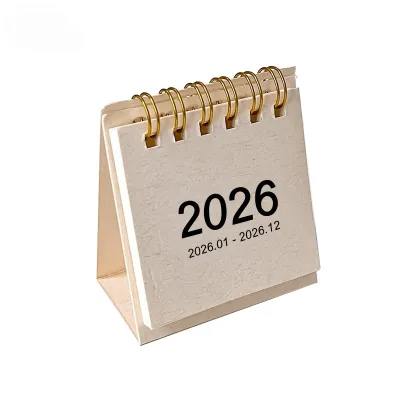
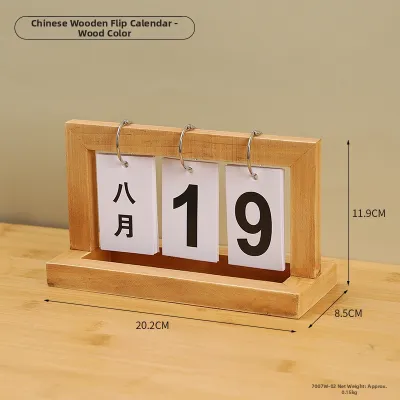
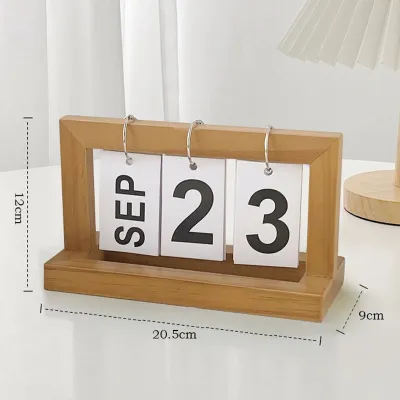
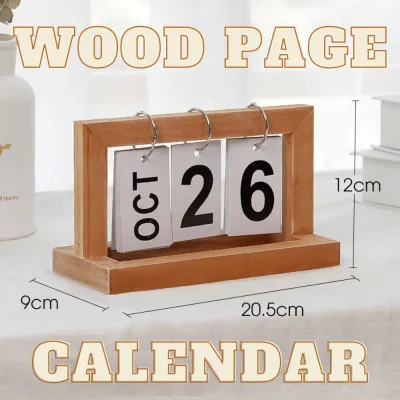
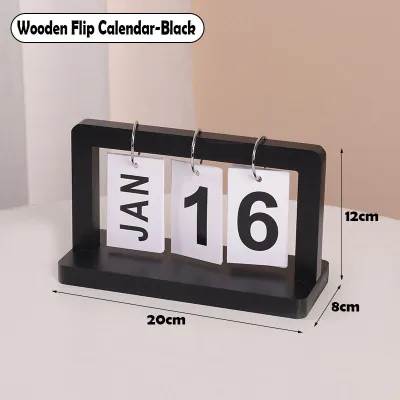
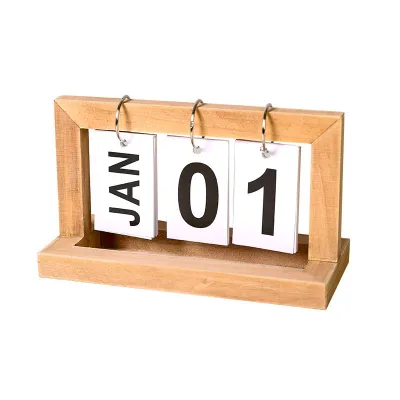
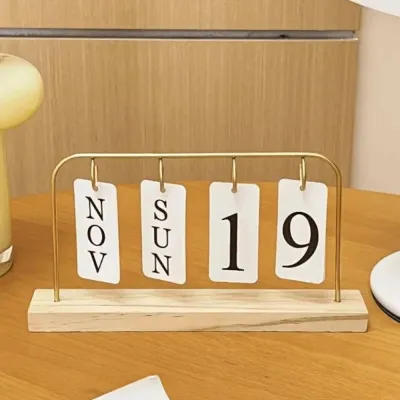
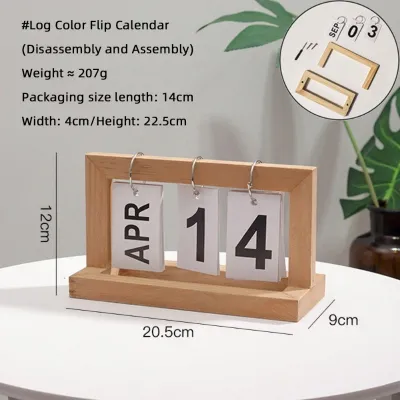
Prices are valid at publication and may change. Please refer to the product page for the latest price.
Consider whether you need specialized sections beyond basic scheduling. Many users benefit from dedicated spaces for habit tracking, monthly budgeting, project management, or reflective journaling. If these features are built into your planner, you can consolidate your tracking into a single book rather than scattering notes across multiple notebooks.
Portability is another critical factor to evaluate. If you primarily plan at your desk at home or in the office, a larger, heavier format is perfectly suitable. However, if you commute regularly via public transit or move between different meeting rooms, you will need a lightweight, compact option that fits easily into your bag and can withstand constant handling.
Comparing Date Calendar and Planner Layouts
Daily Planners
Daily planners dedicate an entire page—and sometimes two—to a single day. This layout is highly beneficial for individuals with heavy daily schedules, complex workflows, or those who practice strict time-blocking. The generous page real estate allows you to list hourly appointments, write detailed to-do lists, and keep meeting notes all in one place. The main trade-off is size and weight, as a 365-day planner is naturally thicker and heavier to carry.

Weekly Spreads
Weekly planners display an entire week across a two-page spread, offering an excellent balance between detail and overview. This format allows you to see your upcoming deadlines, appointments, and weekly goals at a single glance. Weekly layouts come in various designs, including horizontal blocks, vertical columns, and dashboard views that separate tasks from calendar events. It is an ideal choice for students and professionals who need to pace their work over a seven-day period.
Monthly Calendars
Monthly calendars present a broad grid view of the entire month, making them perfect for high-level planning and macro-scheduling. They are highly effective for tracking long-term deadlines, travel dates, project milestones, and major events. While they do not offer enough space for detailed daily task lists, they serve as an excellent secondary tool to keep on your desk or wall for quick reference.
Undated Formats
Undated planners provide the ultimate flexibility because you fill in the dates yourself. If you have a fluctuating schedule where some weeks are incredibly busy and others require no planning at all, an undated format prevents the waste of empty pages. This layout is also highly practical if you want to start planning in the middle of the year without waiting for the traditional January cycle to begin.
Choosing the Right Physical Format and Size
Desk Calendars and Blotter Pads
Desk calendars and large paper blotter pads are designed to remain stationary on your workspace. They keep your schedule constantly visible, allowing you to glance down and check your agenda without opening a book or waking up a computer screen. Because they stay on your desk, they do not add weight to your daily commute, making them a highly efficient option for dedicated office setups.
Wall Calendars
Wall calendars serve as a visual anchor for shared spaces, such as household kitchens or communal office areas. They are excellent for coordinating schedules among family members or team colleagues, tracking shared events, bill due dates, and holidays. Their large grid format ensures that key dates are visible to everyone at a distance.
Pocket and Personal Sizes
Pocket-sized planners (often designated as A6 or smaller) are built for maximum portability. They fit easily into small bags, purse compartments, or even jacket pockets. While they offer limited writing space, they are perfect for quick on-the-go notes, rapid logging of appointments, and maintaining a highly mobile reference of your schedule.
Standard Paper Sizes
When choosing a portable planner, matching the paper size to your writing style and bag capacity is key:
- A4 Size: Offers the maximum writing area, making it ideal for detailed project planning, but its large footprint makes it heavy and difficult to carry daily.
- A5 Size: Widely considered the standard sweet spot, providing ample writing space for daily tasks while remaining highly portable and easy to slip into most backpacks and tote bags.
- B5 Size: Sits comfortably between A4 and A5, offering extra breathing room for larger handwriting without the full bulk of an A4 book.
Essential Features to Check Before Buying
Paper Weight and Quality
Paper weight is measured in grams per square meter (GSM). For a smooth writing experience, look for planners with paper weights between 80 GSM and 120 GSM. If you prefer using gel pens, rollerballs, or fountain pens, higher GSM paper is essential to prevent ink from feathering or bleeding through to the other side of the page. Additionally, because high tropical humidity can slow down ink drying times, testing your preferred pen on a back page is a practical way to check for smudging.
Binding Types
The binding determines how easily your planner lies flat on a desk, which directly impacts writing comfort:
- Wire-O and Spiral: These bindings allow the planner to open a full 360 degrees and lie completely flat, though the metal or plastic coils can sometimes get in the way of your hand while writing.
- Stitched and Thread-Bound: High-quality thread binding allows the book to lay flat when opened, providing a smooth, seamless writing surface across two-page spreads and offering excellent long-term durability.
- Disc-Bound: This system uses individual discs to hold pages, allowing you to easily insert, remove, or rearrange sheets to customize your workflow.
Cover Materials
Your choice of cover material affects both the durability and weight of your planner. Hardcovers provide a sturdy surface that allows you to write comfortably even when holding the planner on your lap, and they protect the inner pages from being bent in a crowded bag. Softcovers are lighter and more flexible but offer less structural protection. In humid or rainy conditions, synthetic covers, plastic sleeves, or water-resistant PU leather are highly practical choices to protect your notes from moisture.
Extras and Inserts
Small design details can significantly improve your daily planning experience. A built-in pen loop ensures you always have a writing instrument handy, while an elastic band closure keeps the planner securely shut inside your bag, preventing pages from crumpling. Expandable back pockets are incredibly useful for holding loose receipts, sticky notes, or transit cards while you are on the move.
Building Your Planner Shortlist
To find the perfect date calendar or planner without getting overwhelmed by options, start by defining your non-negotiable features. Decide on your preferred layout (daily, weekly, or monthly), your ideal physical size, and your binding requirements based on how you plan to use the tool daily.
Next, verify the technical specifications of your top choices. Check the manufacturer’s official website or authorized online stores to confirm details like paper weight, page count, and cover materials. If you are budgeting for your stationery, you can find high-quality options ranging from entry-level utility planners around ₱300 to premium, specialized journals priced over ₱1,500.
If possible, visit a local stationery shop to handle the planners in person. Feel the texture of the paper and test the lay-flat capability of the binding. If you are purchasing online, review the store’s return and exchange policies for stationery items to ensure you can exchange the product if the paper quality or layout does not meet your expectations upon arrival.
Frequently Asked Questions (FAQ)
Can I use a digital calendar alongside a physical date planner?
Yes, combining digital and physical planning tools is a highly effective hybrid strategy. You can use digital calendars for automated alerts, recurring appointments, and shared team schedules that require instant updates. Meanwhile, your physical date planner can be reserved for daily focus, brain-dumping, and tactile task tracking, which helps reduce screen fatigue and improves memory retention.
What should I do if my preferred planner format is out of stock?
If your favorite planner is unavailable, check authorized online stores or direct brand websites for restock updates. As an immediate alternative, consider purchasing an undated planner or a modular binder system with loose-leaf refills. You can also download and print high-quality calendar templates onto your preferred paper stock to keep your schedule organized while you wait for a restock.
Community discussion
Share your experience or ask a question. Comments are reviewed before publication.