
Selecting the ideal Deli blue ballpen for your daily writing tasks requires looking beyond the brand name and examining the physical and chemical characteristics of each model. The “best” pen is not a single, universal choice; rather, it is the one that aligns with your writing speed, hand grip, and the specific paper types you use most frequently. By understanding how different ink formulations, tip sizes, and barrel designs interact, you can make an informed decision that ensures a smooth, fatigue-free writing experience.
Deli offers a diverse range of writing instruments designed to cater to students, office professionals, and casual writers alike. To find your perfect match, you must evaluate how your daily writing habits dictate the physical build and ink delivery system of your pen. This structured guide will walk you through the essential factors to consider, helping you select a reliable tool that performs consistently without skipping, leaking, or causing hand strain.
Assessing Your Daily Writing Style and Frequency
Your daily writing volume and the speed at which you write are the primary factors that determine the type of pen mechanism and ink capacity you need. High-volume writers, such as students taking extensive lecture notes or professionals drafting manual logs, require a pen that demands minimal downward pressure. For these demanding tasks, a pen with a low-viscosity ink formula is ideal because it glides effortlessly across the page, reducing physical strain over long sessions.
Products mentioned in this guide
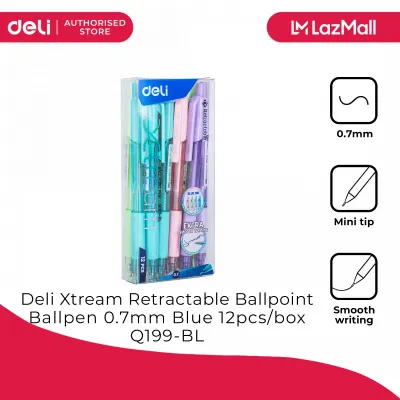
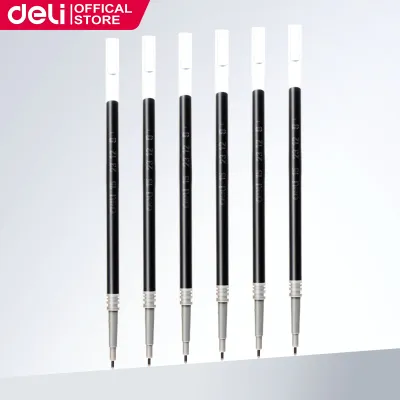
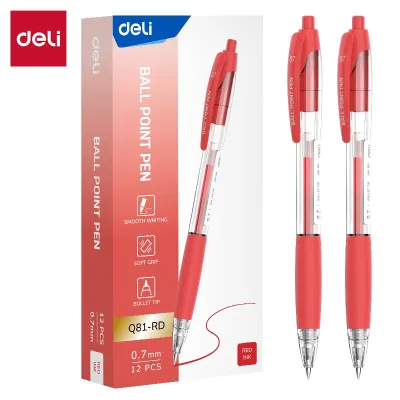
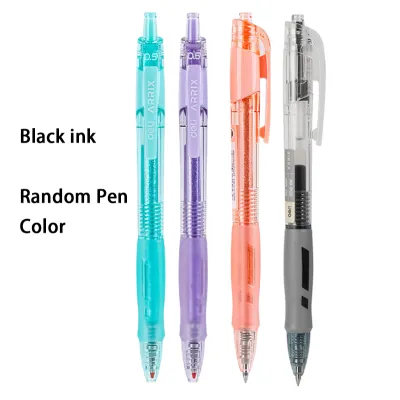
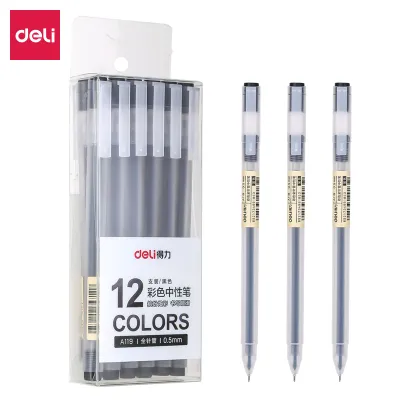
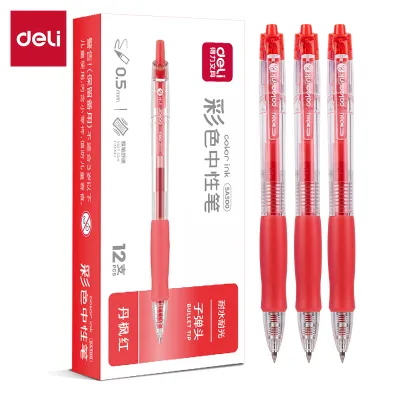
Prices are valid at publication and may change. Please refer to the product page for the latest price.
Occasional writers who only need a pen for quick tasks—such as signing delivery receipts, filling out forms, or writing short grocery lists—have different priorities. For these intermittent tasks, a traditional oil-based ballpoint pen is often the most reliable choice. Traditional oil-based inks are highly stable and do not dry out quickly, meaning the pen will write instantly even if it has been sitting unused in a drawer or bag for several weeks.
Your writing speed and the pressure you naturally apply to the paper also affect how the pen tip wears over time. Fast, light-handed writers need a highly responsive ink flow that can keep up with rapid strokes without skipping. Conversely, heavy-handed writers who press firmly onto the page need a durable tungsten carbide ball tip that can withstand constant pressure without deforming or scratching the paper fibers.
The choice between a retractable click mechanism and a capped design is another practical consideration for your daily workflow. Retractable pens offer convenient, one-handed operation, making them excellent for active environments like clinics, warehouses, or retail spaces where you need to write on the go. However, capped pens generally provide a tighter physical seal around the tip, which prevents the ink from drying out in air-conditioned offices and protects your pockets from accidental blue ink stains.
Matching Grip Preferences to Pen Barrel Designs
Physical comfort is critical for maintaining neat handwriting and preventing hand fatigue, especially during extended writing sessions. In warm and humid tropical climates, such as in the Philippines, fingers can easily become sweaty, causing your hand to slip down the pen barrel. A smooth plastic barrel forces you to pinch the pen tighter to maintain control, which quickly leads to muscle cramping and writer’s cramp.

To combat slippage, look for Deli models that feature a dedicated rubberized grip zone. These rubber sleeves provide excellent friction and cushion, allowing you to maintain a secure hold with minimal pinching force. If you prefer a sleeker aesthetic or find rubber grips too bulky, a textured matte plastic barrel or a brushed metal grip section offers a practical compromise, providing subtle slip resistance without the added thickness.
The overall thickness of the pen barrel should match your hand size and grip style. Writers with larger hands or those who suffer from joint discomfort often find that wider, contoured barrels are much more comfortable because they do not require a tight, closed fist to hold. On the other hand, writers with smaller hands or those who prefer a highly dynamic, precise writing style often favor slim, lightweight barrels that allow for quick, agile finger movements.
Weight distribution is another subtle but crucial aspect of pen ergonomics. A pen that is back-heavy—often caused by posting a heavy cap on the rear of the barrel—will pull the writing tip upward, forcing your hand to work harder to keep the pen on the paper. When selecting a pen, look for a balanced center of gravity that sits slightly forward, toward the writing tip, which naturally guides the pen downward and reduces the effort required to write.
Evaluating Ink Flow and Tip Sizes for Different Paper Types
The interaction between your pen’s tip size, its ink formulation, and the paper you write on directly determines the quality of your lines. Deli ballpens generally come in three standard tip sizes: 0.5mm (extra fine), 0.7mm (fine/medium), and 1.0mm (bold). Choosing the right size depends heavily on your handwriting style and the spacing of your notebooks or forms.
An extra-fine 0.5mm tip is highly suited for compact handwriting, detailed ledger entries, pocket planners, and mathematical formulas where space is limited. It produces a crisp, thin blue line that keeps small letters legible. A 0.7mm tip is the versatile standard for general note-taking, offering a balanced compromise between line visibility and writing smoothness. For those who prefer a rich, dark blue line that stands out, a 1.0mm bold tip delivers a smooth, high-flow writing experience that is perfect for signatures and official documents.
The chemical composition of the ink also plays a major role in drying speed and smudge resistance. Traditional oil-based ink is thick and highly water-resistant, making it excellent for general use, though it can occasionally feel slightly draggy on the page. Hybrid or low-viscosity ballpoint inks combine the smoothness of gel pens with the fast-drying properties of traditional oil-based ink. Left-handed writers should pay close attention to this distinction, as a fast-drying hybrid ink is essential to prevent their hand from smudging the blue line as it moves from left to right across the page.
Different paper qualities react uniquely to various ink types. Standard school notebooks and cheap printer paper are often highly porous and thin, making them prone to ink feathering (where the ink spreads sideways) and bleed-through (where the ink shows on the back of the page). To verify how a pen performs, conduct a simple trial on a corner of your target paper by drawing a dense grid pattern. If the ink bleeds through or spreads excessively, you should opt for a finer 0.5mm tip or a traditional oil-based ink, which sits on top of the paper fibers rather than soaking deep into them.
Key Specifications to Check Before Buying
Before making a purchase, taking a few moments to inspect the manufacturer’s specifications on the packaging can save you from future frustration. One of the most important aspects to verify is refill compatibility. Choosing a Deli model that accepts standard, widely available replacement cartridges is both cost-effective and environmentally friendly, as it allows you to reuse the comfortable pen barrel repeatedly rather than throwing it away when the ink runs out.
You should also check the manufacturing date and storage recommendations printed on the packaging. Ballpoint pens generally have a reliable shelf life of two to three years, but exposure to extreme heat or humidity can degrade the ink’s chemical stability over time. To ensure you are buying fresh stock, look for pens that feature a tiny protective wax or silicone seal on the metal tip, which prevents air exposure and keeps the ink fresh until you are ready to write.
Additionally, look for quality marks and safety certifications printed on the pen’s box or blister pack. Standard certifications, such as compliance with ISO writing instrument standards, indicate that the ink has been tested for consistency, lightfastness, and non-toxicity. These marks provide peace of mind, ensuring that the pen is safe for daily use by students and professionals alike, and that your written records will remain legible and fade-resistant over time.
Where to Buy and How to Verify Authenticity
To guarantee you are receiving genuine Deli products with high-quality ink formulations, it is best to purchase from authorized physical stationery retailers or official brand storefronts on major online marketplaces. Buying from unverified third-party sellers increases the risk of purchasing counterfeit goods or old, degraded stock that has been stored in poor conditions, leading to leaking or dry tips.
When purchasing in person, inspect the physical packaging carefully for signs of authenticity. Genuine Deli packaging features sharp, high-resolution printing, clear barcodes, accurate logo placement, and intact factory seals. Be wary of pens sold loose without any branding or those with blurry, misspelled labels, as these are common indicators of counterfeit products.
If you are buying school or office supplies in bulk, compare the unit prices in ₱ across several reputable sellers to establish a realistic baseline. While bulk purchasing naturally offers a lower cost per pen, deals that seem incredibly cheap compared to standard market rates should be approached with caution. Investing in genuine, properly stored pens ensures consistent performance, saving you money in the long run by avoiding dried-out or leaky writing instruments.
Frequently Asked Questions (FAQ)
How do I prevent a ballpen from skipping or drying out?
To keep your ballpen writing smoothly, store it horizontally or with the tip pointing downward. This positioning ensures that the ink column remains in constant contact with the tungsten carbide ball, preventing air pockets from forming inside the tip assembly. Storing pens tip-up can cause the ink to flow backward, leading to dry starts and skipping when you next try to write.
Additionally, protect your pens from extreme environmental conditions. In tropical climates, avoid leaving your stationery in direct sunlight, near heat-emitting appliances, or inside a parked car, as high temperatures can lower the ink’s viscosity and cause it to leak. If a pen does start to skip after sitting idle, scribble continuous circles or figure-eights on a piece of rough scrap paper or cardboard to generate friction, which warms the ball and restores a steady ink flow.
Can I use standard refills across different Deli pen models?
No, refill compatibility is not universal across different pen models. Refill lengths, tube diameters, spring stop positions, and tip configurations vary significantly between different pen series, especially when comparing retractable click pens to capped designs. A refill designed for a slim, capped ballpen will rarely fit inside a wide, retractable ergonomic model.
To avoid purchasing incompatible refills, always check the exact model code printed on the side of the original refill cartridge or refer to the compatibility list on the pen’s packaging. Furthermore, avoid mixing different ink types within the same pen body; for instance, attempting to force a gel ink refill into a barrel designed for traditional oil-based ink can result in a poor physical fit, causing the tip to wobble or the retraction mechanism to jam.

Community discussion
Share your experience or ask a question. Comments are reviewed before publication.