
Selecting the ideal kids diy toy craft set in the Philippines requires balancing a child’s creative development with the practical realities of a tropical household. High humidity, warm temperatures, and typical home environments directly influence how art mediums behave, from the drying time of liquid glue to the preservation of modeling clay. By focusing on material compatibility, safety certifications, and age-appropriate tool designs, parents can find engaging kits that foster artistic expression without causing unnecessary cleanup stress.
To ensure a successful crafting experience, it is essential to match the complexity of the art set with the child’s current fine motor skills and attention span. A well-chosen kit acts as a bridge between structured learning and open-ended play, allowing children to explore textures, colors, and spatial relationships. Evaluating how a set fits into your daily routine, workspace, and local climate will help you make an informed decision that keeps your young artist inspired and safe.
Identifying the Right Craft Set for Your Child's Projects
Before purchasing a DIY craft set, assess your child’s current creative interests and typical attention span. Younger children often thrive with sensory-heavy, rapid-result activities like finger painting or basic dough molding, which accommodate shorter focus windows. Older children, conversely, generally prefer multi-step assembly projects, detailed paper folding, or intricate painting kits that require sustained concentration over several hours or multiple sessions.
Products mentioned in this guide
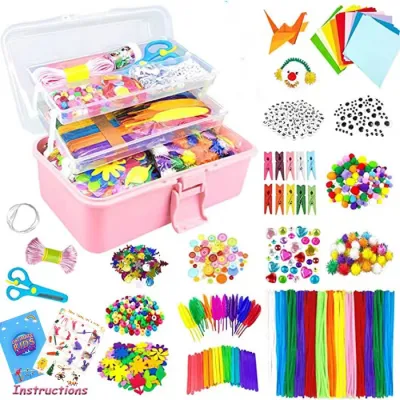
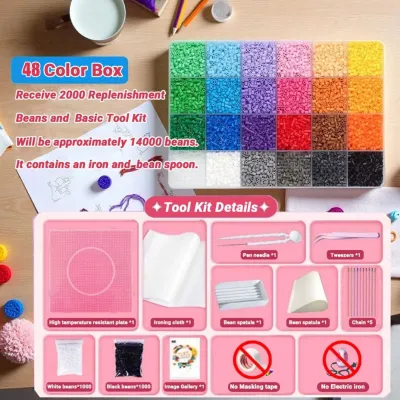
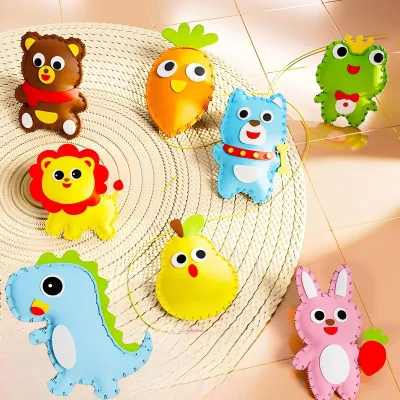
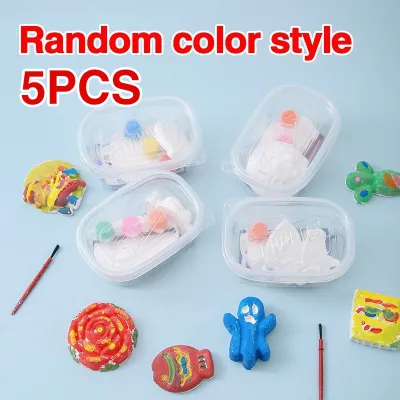
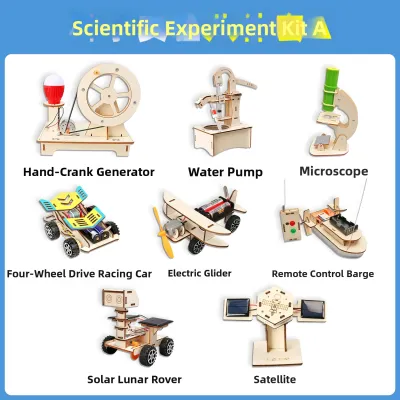
Prices are valid at publication and may change. Please refer to the product page for the latest price.
Workspace setup and cleanup requirements are critical factors to consider in a Philippine household. Tropical climates can cause liquid paints and heavy adhesives to run or dry unpredictably depending on the room’s ventilation. If your crafting area is a shared dining table or a tiled living room floor, look for sets that emphasize low-mess mediums, such as water-based markers, pre-cut paper shapes, or low-dust modeling compounds. For high-mess activities involving acrylics or loose glitter, ensure you have a dedicated, easily washable surface or a protective silicone mat ready.
Determine whether the craft set is designed for independent play or requires active adult guidance. Independent kits typically feature simple pictorial instructions, pre-measured components, and safety-focused tools that allow children to work at their own pace. Guided sets, such as those involving complex folding, baking clays, or hot-melt adhesives, offer excellent opportunities for family bonding but demand your continuous supervision to ensure safety and prevent frustration.
Essential Specifications to Check Before Buying
When evaluating stationery and craft supplies, paper and medium compatibility is paramount. Wet mediums like watercolors, poster paints, and heavy ink markers require thick, high-density paper—ideally 200 gsm (grams per square meter) or higher—to prevent warping, pilling, and bleeding. If a kit includes standard 70 gsm or 80 gsm copy paper alongside wet paints, the paper will likely tear during use, so plan to purchase separate mixed-media or watercolor paper pads.

Consumable types and local refill availability dictate the long-term value of any craft set. Many imported kits feature proprietary marker cartridges, unique paint pot shapes, or non-standard glue stick diameters that are difficult to replace locally. Opt for sets that utilize standard, widely available consumables, such as 7mm or 11mm glue sticks, universal watercolor pans, or standard-sized colored pencils, ensuring the tools remain useful long after the initial materials are exhausted.
Tool ergonomics must align with your child’s physical development. Young children under five years old require thick, triangular-shaped pencils, chunky crayons, and wide-grip brushes that accommodate a palmar grasp. As fine motor skills mature, children can transition to hexagonal pencils and finer brush handles. Checking the physical dimensions of the included tools prevents hand fatigue and frustration, allowing for longer, more comfortable crafting sessions.
Matching Craft Toy Sets to Specific Art Activities
Kids’ craft sets generally fall into three primary categories, each defined by its core materials and structural goals. Understanding how these components interact with the environment helps you select the right category for your child’s specific project needs.
Painting and Drawing Kits
For two-dimensional art projects, prioritize washable, non-toxic pigments that can be easily cleaned from skin and household surfaces. Because high relative humidity in the Philippines naturally slows down the evaporation of water-based mediums, drying times for poster paints and liquid watercolors will be longer than stated on the packaging. Parents can verify drying behavior by conducting a quick test patch on the included paper before starting a major project.
Inspect the quality of the included brushes and drawing tools. Look for synthetic nylon bristles, which maintain their shape and springiness over repeated washings better than cheap natural hair brushes, which tend to shed and fray. The brush handles should be securely crimped to the metal ferrules to prevent loose bristles from ruining your child’s artwork.
Ensure the paper pads included in the kit are specifically matched to the drawing tools. Markers with high ink flow will bleed through thin paper, staining the table underneath, while dry colored pencils require a slightly textured paper tooth to lay down vibrant color. If the kit does not specify paper weight, look for visual indicators of thickness or consider supplementing the kit with a dedicated drawing pad.
Sculpting and Modeling Sets
Three-dimensional crafting sets rely heavily on the physical properties of the modeling compound. Verify the curing method of the material before purchasing, as air-dry clays, polymer clays, and traditional play doughs behave very differently. Air-dry clay is highly convenient but sensitive to local humidity; it may dry too quickly in air-conditioned rooms or remain sticky in humid, non-air-conditioned spaces. Polymer clay requires baking in a household oven, which demands strict adult supervision.
Inspect the safety and design of the sculpting tools and molds included in the set. Carving tools should be made of durable, blunt-edged plastic rather than metal, with no sharp flashing or rough seams from the manufacturing process. Molds should be flexible enough for small hands to easily release the compacted clay without distorting the shape.
Assess the reusability and storage requirements of the modeling material. To prevent compounds from drying out and becoming unusable between play sessions, look for kits that include airtight, snap-top plastic tubs. If the clay comes in simple plastic wrap, prepare to store the leftovers in dedicated resealable bags or small food containers to preserve their pliability.
Paper Crafting and Assembly Kits
Kits focused on cutting, folding, and gluing require specialized tools designed for safety and precision. Cutting tools must feature blunt tips, plastic safety guards, or spring-loaded mechanisms that automatically open the blades, reducing the hand strength required by younger children. Avoid kits with standard utility blades or sharp-pointed scissors unless the project is intended strictly for older children under direct supervision.
Evaluate the adhesive types provided in the assembly kit. Liquid white glue (PVA) provides a strong, flexible bond for cardboard and heavy paper, but its high water content can cause thin paper to wrinkle and takes longer to cure in humid conditions. Glue sticks offer a cleaner, faster-drying alternative for lightweight paper, though their bond strength may weaken over time if exposed to consistent tropical heat.
Verify the manufacturing precision of pre-cut paper pieces and the clarity of the assembly instructions. High-quality kits feature clean die-cuts or perforated lines that allow children to detach shapes easily without tearing the edges. The instructions should rely on clear, step-by-step visual diagrams rather than dense text, enabling children to follow along independently.
Safety Standards and Material Verification
When purchasing art supplies for children, verifying chemical safety is the most critical step. Look for internationally recognized non-toxic certification seals on the packaging, such as ASTM D-4236 (Standard Practice for Labeling Art Materials for Chronic Health Hazards) or EN71 (European Product Safety Standard for Toys). In the Philippines, reputable products often carry local registration marks or clear importer details that verify compliance with national consumer safety regulations.
Physical hazards must be carefully evaluated based on the child’s age and habits. For children under three years old, avoid kits containing small detachable parts, tiny decorative beads, or small magnets, which pose severe choking hazards. Examine adhesives, markers, and varnishes for strong chemical or solvent odors; high-quality children’s art supplies should be virtually odorless and free from volatile organic compounds (VOCs) that can cause headaches or respiratory irritation.
Always review the manufacturer’s age grading and explicit warning labels before opening a set. Age recommendations are not merely suggestions; they are calculated based on tool sizes, chemical formulations, and developmental capabilities. If a kit lists warnings regarding skin contact, eye irritation, or accidental ingestion, ensure you read the first-aid instructions and keep the materials out of reach of younger siblings.
Sourcing and Verifying Craft Sets Locally and Online
Acquiring reliable craft sets involves choosing between physical retail stores and online marketplaces. Physical stationery and department stores in major Philippine cities allow you to inspect the packaging firsthand, check for physical damage, and verify the manufacturing dates of liquid components. Online marketplaces offer a wider variety of specialized kits and competitive pricing, but they require extra diligence to ensure you are purchasing genuine, safe products.
When shopping online, carefully evaluate seller ratings, customer reviews, and return policies. Look for reviews that specifically mention the condition of the materials upon arrival, checking if other buyers complained about dried-out paints, hardened clay, or missing assembly parts. Reliable sellers typically offer clear return windows and responsive customer service to address defective items.
To extend the lifespan of your chosen craft set, verify that consumable refills and replacement tools are easy to source in your local area. A high-quality kit with reusable molds, sturdy scissors, and durable paint palettes can be enjoyed for years if you can easily purchase budget-friendly paper, clay, and paint refills from nearby bookstores or local school supply shops. Investing in a set with standard specifications ensures that the creative journey continues long after the original box is empty.
Frequently Asked Questions (FAQ)
How can I prevent air-dry clay from cracking or drying out?
To prevent air-dry clay from drying out, wrap unused portions tightly in plastic cling wrap immediately after opening, ensuring no air pockets remain. Store the wrapped clay inside an airtight plastic container or a heavy-duty resealable bag. If the clay begins to feel slightly stiff during a crafting session, you can restore its pliability by kneading in a few drops of water at a time; however, avoid adding too much water, as this can weaken the clay’s structure and cause it to crack as it cures. Always allow finished sculptures to dry slowly away from direct sunlight or strong fan drafts to prevent uneven shrinking and cracking.
What is the best way to remove washable marker stains from skin or fabric?
For skin contact, rinse the stained area immediately with lukewarm water and mild soap, gently rubbing with a washcloth. If the stain persists, applying a small amount of baby oil or lotion can help loosen the pigment before wiping it clean. For fabrics, blot the excess ink with a clean paper towel immediately—do not rub, as this spreads the stain. Pre-treat the fabric by soaking it in cold water mixed with a small amount of liquid laundry detergent for about fifteen minutes before washing. Avoid using hot water or placing the fabric in a dryer before the stain is completely gone, as heat can permanently set the pigment into the fibers.

Community discussion
Share your experience or ask a question. Comments are reviewed before publication.