
Setting up a productive home office in the Philippines requires careful attention to physical document management. Between utility bills, government certificates, business contracts, and school worksheets, paper clutter can quickly overwhelm a limited workspace. Finding the best file folder organizer is not just about aesthetics; it is about selecting a system that withstands local environmental challenges like high humidity while fitting seamlessly into your daily workflow.
To choose the right organizer, you must evaluate your document sizes, the physical constraints of your desk, and how often you need to retrieve your files. A well-chosen filing system keeps your essential documents crisp, dry, and accessible, preventing the chaotic search for misplaced paperwork when you need it most.
Identifying Your Home Office Document Storage Needs
Before browsing online marketplaces, take a comprehensive inventory of the papers currently occupying your workspace. Home offices typically handle two distinct categories of documents: active files that require frequent attention and archival files that must be preserved long-term. Active files include ongoing project drafts, unpaid bills, and immediate reference materials, whereas archival files consist of land titles, birth certificates, tax returns, and historical medical records.
Products mentioned in this guide

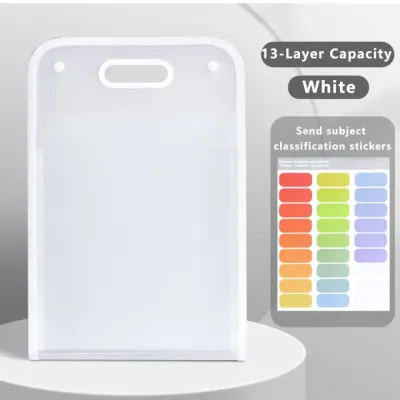
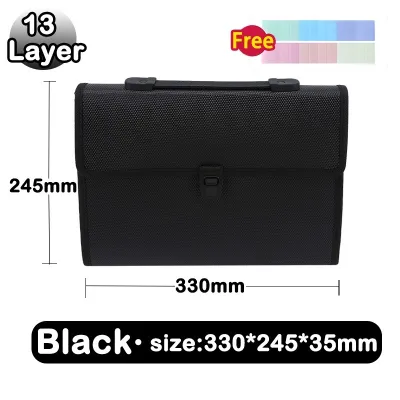
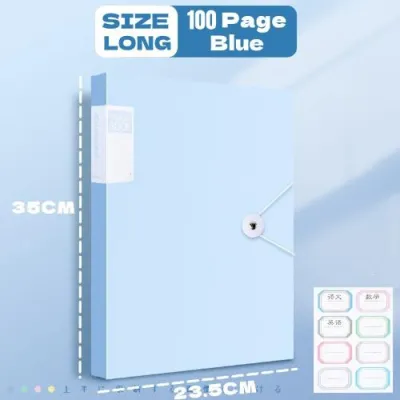
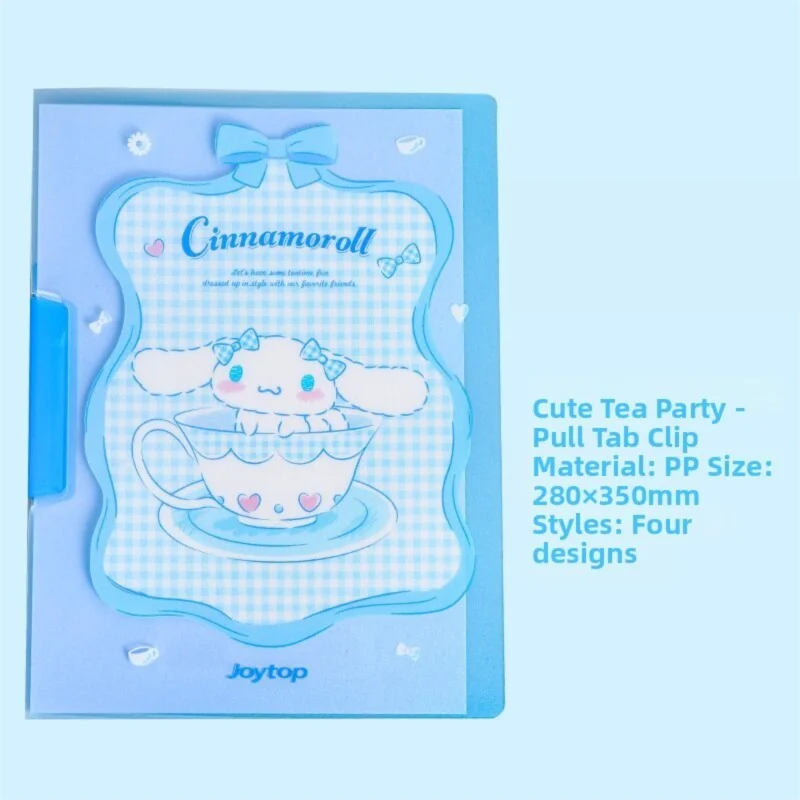
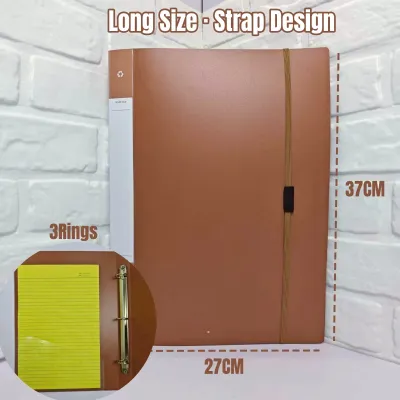
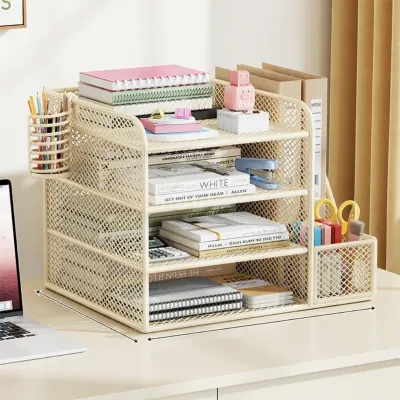
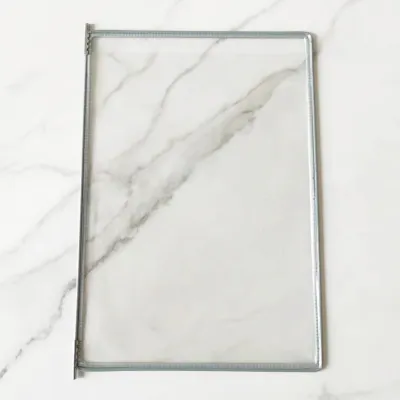
Prices are valid at publication and may change. Please refer to the product page for the latest price.
Next, measure your physical workspace with precision. If you work from a compact desk in a condominium or a shared dining table, your desktop real estate is highly limited. Measure the depth of your shelves, the height clearance of your drawers, and the available surface area on your desk. An organizer that is too deep will overhang your shelves, while one that is too tall may block natural light or monitor views.
Access frequency should dictate where each document resides. Files you touch daily belong within arm’s reach on your desktop, while documents you access once a year can be relegated to a lower shelf or a dedicated filing drawer. Separating these categories prevents your immediate workspace from becoming congested with inactive folders.
Finally, consider any non-standard media you need to store. Thick cardstock, laminated certificates, small receipts, and bound reports do not behave like standard printer paper. They require sturdier support, wider pockets, or specialized compartments to prevent them from slipping out, bending, or becoming damaged over time.
Comparing Common File Folder Organizer Types
File folder organizers generally fall into two main categories: desktop-based units designed for immediate access and drawer-based or enclosed systems built for high-capacity storage. Choosing between them depends on whether your priority is speed of retrieval or maximum protection and capacity.

Desktop organizers keep your active projects visible and within reach, encouraging a clean desk policy at the end of the day. Enclosed or drawer-based systems, on the other hand, protect documents from environmental factors like dust and ambient moisture, making them the superior choice for long-term preservation. Balancing these two formats often yields the most efficient home office setup.
Desktop Sorters and Magazine Files
Desktop sorters and vertical magazine files are the go-to solutions for active, daily workflows. By storing folders vertically, these organizers allow you to flip through tabs quickly and pull out what you need without disturbing the rest of the stack. They are highly effective for sorting incoming mail, active client files, and reference catalogs.
When selecting a vertical sorter, pay close attention to the stability of the base. Lightweight plastic or thin cardboard models can easily tip over when loaded with heavy, top-heavy folders or bound catalogs. Look for designs with a wide, weighted base or those made from rigid materials like heavy-duty plastic or metal mesh.
Keep in mind that open-top vertical storage exposes your documents to dust and ambient air. In tropical environments where windows are frequently left open, dust can accumulate rapidly on the exposed tops of your folders. Additionally, if these files are overloaded, the weight can cause the entire unit to sag, potentially bending the corners of your important papers.
Expandable Accordions and Multi-Pocket Folders
Expandable accordion files and multi-pocket folders offer a portable, self-contained solution for organizing categorized documents. These organizers are particularly useful for managing seasonal paperwork, such as annual tax documents, monthly utility receipts, or individual client portfolios that you may need to transport.
The security of an accordion file depends heavily on its closure mechanism. Elastic bands offer quick access but can lose their elasticity over time in warm climates. Plastic snaps provide a secure lock but can crack under pressure, while zippered closures offer the highest level of protection against dust, pests, and accidental spills during transport.
Before purchasing, verify the expansion capacity of the bottom gusset. Some accordion files only expand at the top, creating a fan shape that limits the volume of paper you can store at the bottom. A true flat-bottom expanding file allows the pockets to open uniformly, accommodating thick stacks of paper without warping the outer shell.
Hanging Systems and Drawer Inserts
For high-volume archival storage, hanging folder systems and drawer inserts remain the industry standard. These systems utilize suspended folders that slide along parallel rails, keeping documents perfectly upright and preventing them from slipping to the bottom of a drawer or cabinet.
Implementing a hanging system requires exact measurements of your existing furniture. You must measure the internal width, depth, and clearance height of your desk drawers to ensure a hanging frame will fit. Even a discrepancy of a few millimeters can prevent the drawer from closing smoothly or cause the folders to drag along the bottom.
If your desk does not have built-in filing drawers, you can opt for freestanding hanging file crates or desktop frames. These portable frames provide the organizational benefits of a hanging system while sitting neatly on a deep shelf or a secondary work surface, offering a flexible compromise for homes without dedicated office furniture.
Critical Specifications to Check Before Purchasing
When shopping for a file folder organizer, checking the exact specifications is crucial to avoid compatibility issues. The most common pitfall is paper size mismatch. In the Philippines, offices and schools regularly use three distinct paper standards: A4, Letter (often called “short”), and Legal or Folio (often called “long”). Many imported organizers are designed strictly for A4 or Letter sizes. If you attempt to store “long” legal documents in an A4-sized organizer, the tops of the folders will protrude, preventing lids from closing or causing the papers to bend. Always verify the internal compartment dimensions to ensure they accommodate your longest documents.
Material construction is another critical factor, especially given the local climate. High humidity can cause standard cardboard organizers to absorb moisture, soften, and eventually sag under the weight of your files. Damp cardboard also attracts pests like silverfish and termites. For long-term durability, opt for high-grade polypropylene (PP) plastic, which is water-resistant and easy to wipe clean. If you prefer metal, ensure it features a rust-resistant powder coating to prevent the humid air from corroding the frame and staining your documents.
Divider adjustability and tab clearance are often overlooked details. Fixed-divider organizers limit your flexibility if one category of files grows significantly larger than the others. Look for systems with removable or adjustable dividers that allow you to customize compartment widths. Additionally, ensure there is sufficient vertical clearance above the dividers so that your folder tabs remain visible and do not get crushed when the organizer is closed or placed on a tight shelf.
Finally, double-check the external footprint against your measured workspace. A large, multi-tier organizer might offer excellent capacity, but if it consumes more than a third of your desk surface, it will restrict your physical workspace and make your home office feel cluttered. Aim for a balance between vertical storage height and a compact desktop footprint.
Building a Functional Filing Workflow
Owning the best organizer is only half the battle; you must also establish a consistent system to keep it functional. Start by designing a clear, logical labeling system. Color-coding is highly effective for visual sorting: for example, use blue folders for personal documents, red for urgent bills, and green for business expenses. Ensure your labels are written in clear, bold print and placed in a consistent position on the folder tabs so your eyes can scan them quickly.
Create distinct physical zones within your workspace to manage the flow of incoming paper. Establish an “Inbox” tray for unsorted mail and documents that have just entered your home. Adjacent to this, set up a “Pending Action” zone for files that require immediate attention, such as bills to be paid or contracts to be signed. Once an action is complete, move the document to its permanent home in your archival organizer. This simple three-step flow prevents loose papers from piling up on your desk.
To maintain your system over time, schedule a regular purging routine. Paper accumulates rapidly, and without maintenance, even the largest organizer will eventually overflow. Set aside a few hours every six months to review your files. Shred outdated utility bills, recycle old drafts, and move expired contracts to deep storage. Keeping your active files lean ensures your organizer remains easy to navigate and highly efficient.
Verifying Product Details on E-Commerce Platforms
Purchasing office supplies online offers convenience, but it requires a critical eye to avoid disappointing products. When browsing e-commerce platforms, do not rely solely on the main product images, which are often digitally rendered or styled to look larger than they are. Instead, scroll down to the product description and locate the exact dimensions. Cross-reference these measurements with the photos uploaded by previous buyers in the review section to get a realistic sense of the item’s scale in a real home setting.
Be skeptical of generic marketing terms like “premium quality” or “ultra-durable.” Look for specific material details in the specifications list. A quality listing will specify the thickness of the plastic (measured in millimeters) or the type of metal used. If the description lacks these details, use the platform’s chat feature to ask the seller directly about the material composition and weight capacity.
Review the seller’s return and refund policies before finalizing your purchase. Rigid plastic and acrylic organizers are highly susceptible to cracking or chipping during transit if they are not packaged correctly. Ensure the seller offers a straightforward return process for items damaged in transit, and check customer reviews to see if other buyers have reported receiving cracked or broken items due to poor packaging.
Lastly, pay attention to the shipping weight and packaging notes. A very lightweight organizer may indicate thin, flimsy materials that will warp under a full load of paper. Conversely, an exceptionally heavy metal organizer might incur higher shipping fees. Look for listings where the seller explicitly mentions protective packaging, such as bubble wrap or double-boxing, to ensure your organizer arrives in pristine condition.
Frequently Asked Questions (FAQ)
How do I prevent paper from curling in vertical magazine files?
Paper curling is a common issue in humid environments, especially when documents are stored loosely in open-top vertical files. To prevent this, avoid leaving empty space in your magazine files; when papers lean at an angle, gravity and humidity combine to bend them permanently. Use rigid plastic backing boards or heavy-duty manila folders to keep thin papers upright and supported. Additionally, keep your vertical organizers away from open windows, direct sunlight, and air conditioning vents, as rapid changes in temperature and moisture levels accelerate paper deformation.
Can I use standard A4 folders in a Letter-sized hanging system?
Using A4 folders in a Letter-sized hanging system is generally not recommended due to dimensional differences. A4 paper is slightly narrower but longer than Letter-sized paper (8.27 x 11.69 inches compared to 8.5 x 11 inches). While an A4 folder might physically fit onto the rails of some adjustable Letter-sized hanging frames, the extra length of the A4 folder can cause it to drag along the bottom of the drawer, preventing smooth sliding. Always check if your hanging frame has adjustable rails that can be locked into the specific width required for A4 folders before mixing sizes.
What is the best way to clean dust off plastic file organizers?
To clean plastic file organizers without scratching them, start by removing all documents and folders. Use a dry, soft microfiber cloth to gently wipe away loose dust from the surface and corners. Avoid using rough paper towels or abrasive sponges, which can leave fine scratches on glossy plastic or acrylic. For stubborn grime or sticky residue, dampen the microfiber cloth with a mixture of mild dish soap and warm water. Never use harsh chemical solvents, alcohol-based cleaners, or acetone, as these can cause the plastic to cloud, discolor, or develop micro-cracks over time. Ensure the organizer is completely dry before reloading your papers.
Community discussion
Share your experience or ask a question. Comments are reviewed before publication.