
Selecting the right art supplies for young learners requires balancing safety, durability, and developmental suitability. In the Philippines, where school art classes often take place in warm, humid environments, choosing the best jumbo crayons involves understanding how different materials and designs perform under daily classroom use. The ideal jumbo crayons feature an ergonomic thickness that supports early grip development, a break-resistant formulation that withstands heavy-handed coloring, and clear non-toxic certifications to ensure a safe creative environment. By focusing on these key factors, parents and educators can select tools that foster artistic confidence while standing up to the rigors of the school year.
Why Jumbo Crayons Are Essential for Young Artists
Young children do not start writing or drawing with the refined finger control of an adult. Instead, they rely on larger muscle groups in their arms and shoulders to guide their movements across the page. Standard, thin crayons require a high level of fine motor control that toddlers and preschoolers are still developing, which can lead to hand fatigue and frustration. Jumbo crayons, with their significantly thicker barrels, provide a larger surface area that fits naturally into a child’s palm, allowing them to express their creativity without physical discomfort.
The physical transition from a palmar grasp to a mature tripod grip is a gradual developmental milestone. When children first pick up a coloring tool, they typically hold it in a fist, using their whole hand to make broad strokes. A thicker crayon barrel supports this initial fist grip comfortably, preventing the fingers from cramping or locking up. As their hand muscles strengthen, the larger diameter naturally encourages them to transition to a digital grasp, where the fingers point downward, and eventually to a precise three-finger tripod grasp.
Products mentioned in this guide
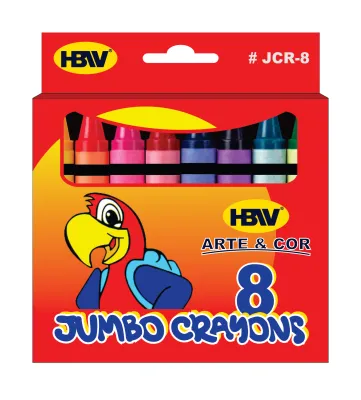
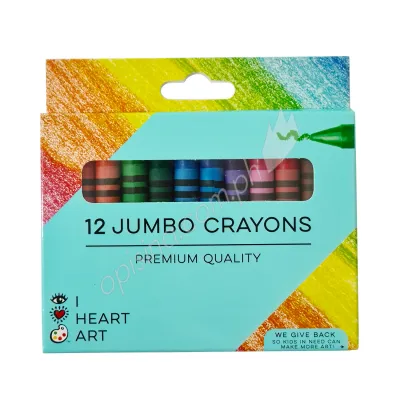
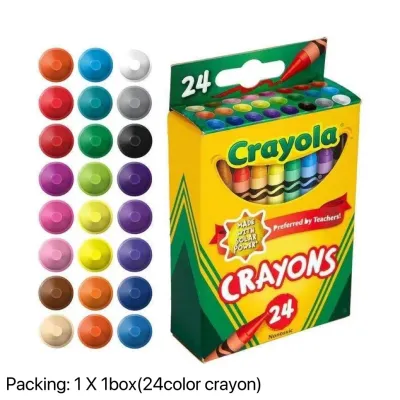
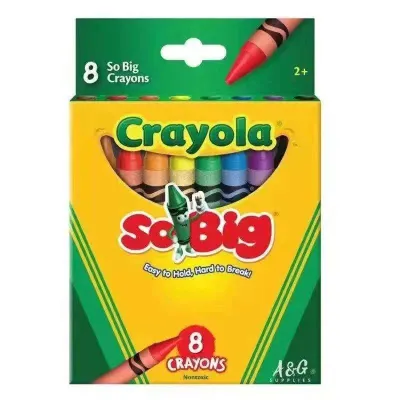
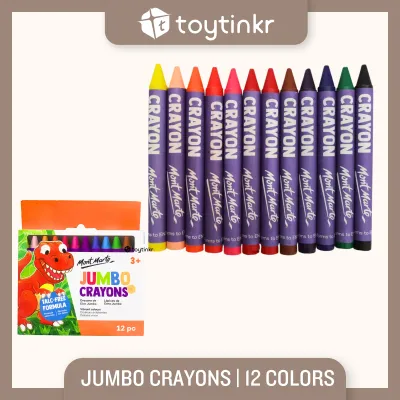
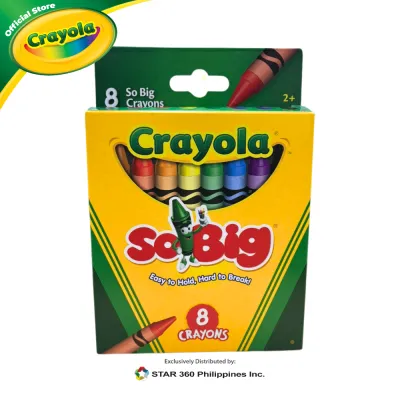
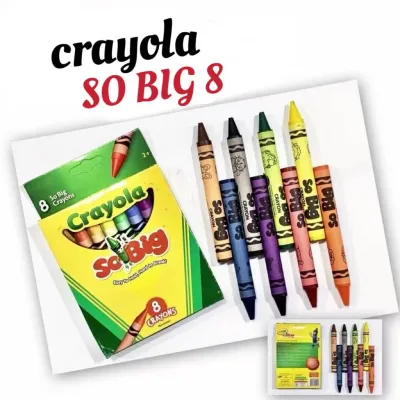
Prices are valid at publication and may change. Please refer to the product page for the latest price.
Beyond grip development, larger coloring tools play a vital role in building overall hand strength and bilateral coordination. Pressing a crayon onto paper to transfer color requires a surprising amount of muscular effort from a young child. The substantial weight and size of a jumbo crayon require the use of the intrinsic muscles of the hand, which are essential for future tasks like writing, cutting with scissors, and buttoning clothes. This physical feedback helps children learn to calibrate the amount of pressure needed to produce different shades and lines.
Durability is another major advantage of choosing larger crayons for classroom settings. Young artists are notoriously enthusiastic and often apply intense downward pressure when coloring, which easily snaps standard crayons in half. Broken crayons can be frustrating for children and often end up discarded, leading to unnecessary waste. The increased cross-sectional thickness of a jumbo crayon provides excellent structural strength, making it highly resistant to snapping even when subjected to heavy-handed coloring sessions on rough drawing paper.
Key Features to Evaluate When Buying Jumbo Crayons
When shopping for school art supplies, it is easy to be overwhelmed by the sheer variety of options available on store shelves and online marketplaces. To make an informed decision, it is helpful to use a practical checklist of physical specifications and packaging claims. The first dimension to evaluate is the physical size of the crayon, specifically its diameter and length. A standard jumbo crayon typically measures between 11 millimeters and 14 millimeters in diameter, which is roughly double the thickness of a standard crayon, while the length is usually kept around 100 millimeters to keep the tool balanced in small hands.

The quality of the paper wrapper is another critical feature that directly impacts the crayon’s lifespan and usability. The wrapper is not merely a decorative label; it acts as a structural sleeve that reinforces the wax core against bending forces. Look for crayons that feature double-wrapped paper or wrappers that are tightly adhered to the wax along their entire length. Wrappers that peel off too easily or are loosely applied leave the crayon vulnerable to breaking and encourage children to peel them away, creating unnecessary mess and weakening the tool.
Safety is paramount when selecting any material for children’s art activities, as young learners frequently put their hands and drawing tools near their mouths. Always inspect the product packaging for clear, recognized non-toxic certifications rather than relying on generic marketing claims. Look for official seals such as the AP (Approved Product) mark from the Art and Creative Materials Institute (ACMI) or compliance with international safety standards like EN71. These certifications indicate that the product has undergone rigorous toxicological testing and is free from harmful chemicals, heavy metals, or allergens in dangerous quantities.
Finally, consider the texture and color output of the crayons, which can vary significantly depending on the quality of the pigments and binders used. High-quality jumbo crayons should deliver rich, vibrant colors with minimal effort, allowing children to see immediate results from their drawing strokes. If a crayon requires excessive pressure to leave a visible mark, children will quickly tire of the activity or become frustrated. You can often verify the color quality by looking for reviews that mention smooth laydown or by testing a sample crayon on standard drawing paper to observe how easily the pigment transfers.
Comparing Common Jumbo Crayon Types and Materials
Crayons are not all made from the same ingredients, and the specific formulation used can greatly affect how they perform in a tropical classroom environment. Traditional wax formulations, which primarily use paraffin wax mixed with color pigments, are the most common type found in schools. These crayons offer a classic coloring experience with a firm texture that holds its shape well even in warm weather. They are highly compatible with a wide range of paper types, including standard sketchbooks, construction paper, and newsprint, making them a reliable and cost-effective choice for general art projects.
Washable jumbo crayons are specifically formulated for younger children who may accidentally color on surfaces other than their drawing paper. These crayons incorporate specialized emulsifiers or water-soluble additives that allow the pigment to be easily wiped away from skin, painted walls, and most household fabrics. When evaluating washable options, it is important to read the manufacturer’s instructions on the packaging to understand the recommended cleanup methods. While they offer peace of mind for parents and teachers, washable formulations can sometimes feel slightly softer or more slippery than traditional wax crayons.
Alternative materials, such as beeswax or soy-based blends, are becoming increasingly popular for early childhood art classes. Beeswax crayons are highly regarded for their exceptionally smooth, buttery glide across the paper, which allows for effortless color blending and layering. They also tend to have a pleasant, natural scent and are free from petroleum-derived ingredients, making them an appealing choice for eco-conscious classrooms. However, because beeswax is a natural product, it is essential to check the packaging for any allergen warnings if you are purchasing supplies for a classroom where children may have specific sensitivities.
Plastic-based or triangular crayons represent another innovative material category designed to address specific classroom challenges. Triangular jumbo crayons feature a flat-sided design that prevents them from rolling off school desks and breaking on the floor, which is a common source of distraction and waste during art lessons. Some modern jumbo crayons are also made from synthetic plastic composites rather than traditional wax, resulting in an ultra-durable tool that does not melt in warm hands and leaves no waxy residue on fingers, though they may offer a slightly different coloring texture compared to classic wax.
How to Build Your Art Class Crayon Shortlist
Creating a practical shortlist of jumbo crayons for an art class requires aligning your purchase with specific school requirements and logistical needs. Start by carefully reviewing the official school supply list provided by the teacher or school administration. Many preschools and elementary schools specify the exact color count required for the term, such as a basic 8-pack or a more varied 16-pack. Sticking to the requested color count ensures that all students have access to the same palette during guided color-recognition exercises and prevents children from feeling left out.
The packaging format you choose should depend on how the art supplies will be distributed and managed in the classroom. For individual student use, standard cardboard tuck boxes or durable plastic storage cases are highly practical, as they encourage children to take responsibility for organizing and packing away their own set after each lesson. For larger classrooms or shared art spaces, bulk classroom packs are often a much more efficient choice. These bulk boxes typically contain dozens of crayons sorted by color in sturdy, compartmentalized organizers, making it easy for teachers to distribute and collect the supplies.
Budget planning is another essential step when purchasing supplies for a whole class or preparing for the school year. To estimate your expenses accurately, calculate the cost in ₱ per student rather than simply looking at the total price of a bulk set. While high-quality jumbo crayons may have a slightly higher upfront cost, their superior durability means they will not need to be replaced as frequently as cheaper, fragile alternatives, saving money over the course of the school year. Avoid the temptation to buy overly large color sets with dozens of shades, as a simple, high-quality set of primary and secondary colors is more than sufficient for early childhood art activities.
When sourcing your selected crayons, it is important to verify stock availability and seller ratings on trusted online marketplaces or at local stationery stores in the Philippines. Look for authorized retail partners or official brand stores to ensure you are purchasing genuine products that comply with all safety and quality standards. Counterfeit art supplies are common online and may contain untested materials or substandard pigments that break easily and perform poorly. Checking customer reviews for mentions of packaging quality during shipping can also help ensure your crayons arrive intact without any broken tips.
Practical Tips for Maintaining and Storing Crayons
In a tropical climate like the Philippines, proper maintenance and storage are crucial to extending the lifespan of your jumbo crayons. High humidity and elevated indoor temperatures can soften the wax, making the crayons sticky, prone to warping, or easy to break. To prevent this, store crayons in a cool, dry place away from direct sunlight, unventilated storage cabinets, or metal roofs that absorb heat. If a classroom lacks air conditioning, keeping the crayons in a sealed plastic container with a small silica gel packet can help manage moisture levels and keep the wax firm.
Organizing crayons in compartmentalized containers is an excellent way to prevent color transfer and protect the tips from chipping. When loose crayons are thrown together in a single large bin, they rub against each other, leaving unsightly colored smudges on the wrappers and barrels. Using shallow trays, pencil cups, or dedicated plastic organizers allows children to see all the available colors clearly and encourages them to return each crayon to its proper place. This simple habit not only keeps the supplies clean but also teaches young students basic organizational skills.
Even with the most durable jumbo crayons, some breakage is inevitable over a busy school year. Instead of throwing away broken pieces or short stubs, collect them in a dedicated jar for future creative projects. These broken pieces can be repurposed in several fun and educational ways, such as melting them down in silicone baking molds under adult supervision to create custom-shaped, multi-colored crayons. Alternatively, small crayon stubs can be used for texture-rubbing activities, where children place the flat side of the crayon over a textured surface like a leaf or coin to transfer the pattern onto paper.
Frequently Asked Questions (FAQ)
Are jumbo crayons necessary for all preschool art activities?
Jumbo crayons are highly recommended for early childhood art activities because they match the physical development of young children, but they are not always mandatory for every single project. For broad coloring tasks, large-scale drawings, and initial grip practice, the thick barrel of a jumbo crayon is ideal. However, as children transition to older age groups or work on projects that require fine detail and precise lines, standard-sized crayons or colored pencils may be more appropriate. It is always best to consult the teacher’s guidelines to ensure your child has the correct tools for their specific classroom activities.
How do I verify if a crayon brand is genuinely non-toxic?
To verify if a crayon brand is genuinely non-toxic, you should look for official safety certification seals printed directly on the product packaging rather than relying on unverified marketing claims. The most common and trusted certification is the AP (Approved Product) seal from the Art and Creative Materials Institute (ACMI), which indicates the product has been evaluated by a toxicologist. You can also look for compliance with European safety standards, indicated by the CE mark and reference to EN71. Genuine non-toxic crayons are formulated to be safe if accidentally ingested in small amounts, but they should still be kept away from unsupervised toddlers who may try to eat them.
Can jumbo crayons be used on surfaces other than standard paper?
Jumbo crayons are primarily designed for use on porous, non-glossy paper surfaces such as drawing paper, construction paper, cardboard, and newsprint, where the wax can easily adhere to the fibers. While they can be used on alternative surfaces like unfinished wood or rough canvas for creative texture projects, their performance on glossy, laminated, or non-porous materials is highly limited. On smooth surfaces like plastic or glass, the wax will slide off without leaving a clear mark. Always check the manufacturer’s guidelines on the packaging if you plan to use the crayons for specialized craft projects on non-traditional materials.
Community discussion
Share your experience or ask a question. Comments are reviewed before publication.