
Starting your journey into DIY crafts with a magical waterscape set is an exciting way to create stunning, glass-like miniature worlds right at home. These kits, which typically use casting resin to simulate clear, shimmering water, allow crafters to design tiny aquatic scenes complete with marine life, plants, and sandy shores. However, for beginners in the Philippines, choosing the right kit involves more than just picking an appealing design. The local tropical climate, characterized by high humidity and warm temperatures, directly influences how craft materials behave. To ensure a successful first project, you must select a complete, high-quality kit that provides the right chemical components, durable tools, and clear instructions tailored to novice crafters. By understanding what makes a kit beginner-friendly, you can avoid common pitfalls and enjoy a seamless crafting experience.
Essential Components of a Complete Beginner Kit
To ensure a smooth crafting session without unexpected trips to the store, a beginner-friendly magical waterscape set must be entirely self-contained. The core of any waterscape kit is the casting medium, which is almost always a two-part epoxy resin or a specialized UV-curable resin. For beginners, a two-part epoxy resin with a simple one-to-one mixing ratio by volume is highly recommended because it does not require expensive curing lamps. The kit must include both the resin (Part A) and the hardener (Part B) in clearly labeled bottles. Along with the casting medium, look for compatible color pigments or liquid dyes. Because resin is highly sensitive to moisture, standard water-based paints cannot be used; the kit must provide oil-based or highly concentrated resin pigments that blend seamlessly without ruining the chemical cure.
The mold is the foundation of your waterscape shape. A complete kit should feature at least one high-grade silicone mold, which serves as the vessel for your miniature aquatic scene. These molds come in various shapes, such as simple geometric blocks, round ponds, or intricate open-faced bezels. Choosing a kit with a flexible, reusable mold ensures you can recreate your favorite designs even after your initial resin supply runs out.
Products mentioned in this guide
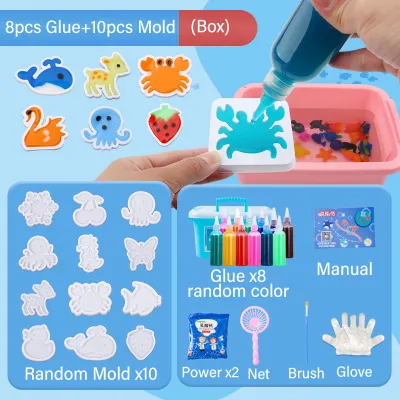
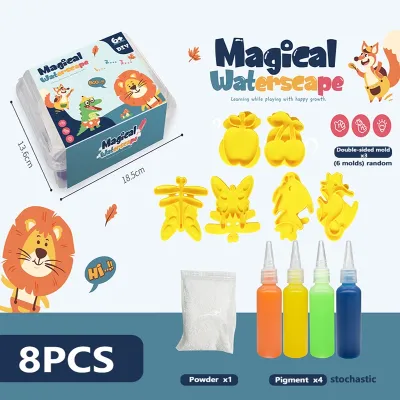
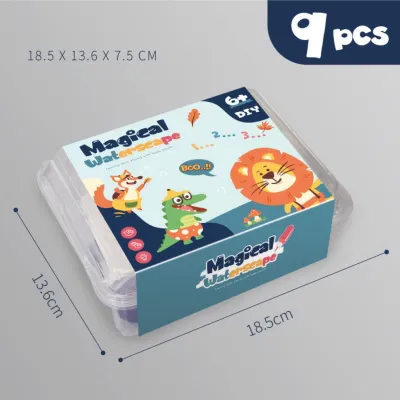
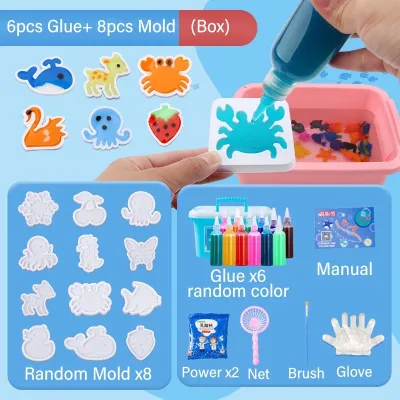
Prices are valid at publication and may change. Please refer to the product page for the latest price.
Beyond the liquid base and the mold, the visual magic of a waterscape relies heavily on its decorative elements. A comprehensive beginner kit should supply a curated selection of miniature figures, such as tiny fish, turtles, aquatic plants, and delicate seashells. To add texture and realism to the bottom of your water scene, the set should also include fine decorative sand, polished stones, artificial moss, or colorful glass beads. Having these elements pre-selected ensures they are light enough to stay positioned in the resin and will not bleed color or release trapped air when submerged.
Finally, you cannot complete the project safely or cleanly without the proper tools. A truly complete beginner kit includes graduated mixing cups for precise measuring, flat-edged stirring sticks to scrape the sides of the cups, fine-tipped tweezers for placing delicate miniatures, and protective gloves. Having these tools included in the box ensures you can start your project immediately, protecting your hands and saving your hard-earned ₱ from being spent on extra accessories.
How to Evaluate Kit Quality and Difficulty
When browsing online marketplaces or local craft stores, evaluating the quality and difficulty level of a magical waterscape set before purchasing will save you time and frustration. The first indicator of a high-quality kit is the clarity of its instructional material. Resin crafting is a precise science that requires exact steps. Look for kits that offer comprehensive, step-by-step visual guides with clear illustrations or photos. Many modern, high-quality kits now feature QR codes on the packaging that link directly to video tutorials. These videos are incredibly helpful for beginners, as they demonstrate the exact pouring speed, mixing motion, and layering techniques required to prevent bubbles and ensure a crystal-clear finish. Avoid kits that only provide brief, poorly translated text manuals, as they often omit crucial details about curing times and mixing techniques.

The durability of the included silicone mold is another critical factor to consider. High-quality silicone molds are thick, flexible, and tear-resistant. When reading product descriptions or verified user reviews, look for mentions of mold flexibility and ease of demolding. A mold that is too thin can warp under the weight of the curing resin, resulting in a distorted waterscape. Furthermore, the inner surface of the mold must be perfectly smooth and glossy; any matte texture or scratches on the inside of the mold will transfer directly onto your cured resin, making your waterscape look cloudy instead of transparent.
As a beginner, it is also important to match the complexity of the kit to your current skill level and patience. Waterscape kits range from simple, single-pour designs to highly complex, multi-layered scenes. For your first attempt, choose a kit that requires only one or two layers of resin. Multi-layered projects require you to wait several hours for each layer to partially cure before pouring the next, which demands precise timing and a dust-free environment over a longer period. Starting with a simpler, shallower design allows you to master the basics of mixing, pigment blending, and bubble removal before moving on to intricate, deep-pour landscapes.
Safety and Workspace Preparation for Resin Crafting
Resin crafting is a rewarding hobby, but it involves working with active chemicals that require careful handling and proper workspace preparation. Safety should always be your top priority when opening your magical waterscape set. Always work in a well-ventilated area to avoid inhaling the mild fumes produced during the chemical curing process. In the Philippines, where indoor spaces can often be warm and enclosed, it is best to set up your workspace near an open window with a fan blowing air outward, or on a covered balcony or patio. Always wear the protective nitrile gloves included in your kit, and consider wearing safety glasses to protect your eyes from accidental splashes while mixing.
Environmental conditions play a massive role in how resin cures, and this is particularly important to keep in mind under tropical conditions. High humidity, which is common throughout the Philippines, can introduce moisture into the curing resin mixture. This moisture can cause the surface of your waterscape to remain sticky, develop a cloudy film, or cure unevenly. To combat this, try to work in an air-conditioned room where the humidity is controlled, or plan your crafting session during a dry, sunny morning rather than a rainy afternoon. Always check the manufacturer’s packaging for specific temperature and humidity recommendations, as some resins are formulated to cure best within specific temperature ranges.
Before you begin mixing, you must prepare a dedicated, level workspace. Liquid resin behaves like water before it cures; if your table is slightly tilted, the resin will pool on one side of the mold, resulting in an uneven waterscape. Use a level tool or a smartphone leveling app to verify that your work surface is perfectly flat. Because cured resin is incredibly difficult to remove from household surfaces, cover your table with a reusable silicone mat or a thick layer of disposable plastic sheeting. This ensures that any accidental drips or spills can be easily cleaned up or left to cure and then peeled away without damaging your furniture.
Frequently Asked Questions (FAQ)
Can I substitute the included resin with other craft adhesives?
No, you should not substitute the casting resin included in your kit with standard craft adhesives, such as white school glue, hot glue, or clear craft glues. These standard adhesives are designed for bonding surfaces and dry through the evaporation of water or solvents, which causes them to shrink, warp, and lose volume as they dry. They also lack the optical clarity and structural strength required to create a thick, three-dimensional water effect. Casting resin, on the other hand, cures through a chemical reaction between two parts, allowing it to harden uniformly without shrinking, regardless of how thick it is poured. This chemical process preserves the perfect transparency and glossy finish needed to simulate realistic water. To ensure your project cures successfully and safely, always use the resin provided in the kit or a manufacturer-approved casting resin designed specifically for deep pours and craft projects.
What should I do if the resin does not cure properly?
If your resin remains sticky, tacky, or soft after the recommended curing time, it is usually due to an error in mixing or environmental factors. The most common causes are inaccurate measurement of the two parts, incomplete mixing (failing to scrape the bottom and sides of the cup while stirring), or high humidity introducing moisture into the chemical reaction. To address this, first consult the troubleshooting guide included in your kit. If only the top surface is slightly sticky, you may be able to apply a thin, carefully measured topcoat of fresh resin to seal it. However, if the entire piece remains liquid or gooey, the chemical reaction has failed. In this case, you must safely dispose of the uncured resin. Do not pour liquid resin down household drains, as it can ruin your plumbing. Instead, wipe up the uncured mixture with paper towels, place them in a sealed plastic bag, and dispose of them according to your local household waste regulations.
Community discussion
Share your experience or ask a question. Comments are reviewed before publication.