
When selecting a money slot for birthday celebrations, look for structural durability, appropriate slot dimensions that fit local currency without excessive folding, and an engaging extraction mechanism that matches the recipient’s age. A well-designed money slot card transforms a simple cash gift into an interactive, memorable experience.
While cash is one of the most practical and appreciated gifts, presenting it in a plain, white envelope can sometimes feel transactional or lacking in effort. A money slot birthday card bridges this gap by combining a thoughtful, written sentiment with a creative presentation. The anticipation of pulling a continuous ribbon of bills or sliding open a hidden compartment adds an element of surprise that makes the gift-opening process truly memorable.
Why a Money Slot Card is a Great Birthday Gift
Gifting cash has long been a staple of birthday celebrations, offering the recipient the ultimate freedom to choose their own perfect gift. However, the traditional method of handing over a paper envelope can feel somewhat impersonal. A money slot card elevates this gesture, showing that you took the time to select a presentation style that is fun, engaging, and creative.
Products mentioned in this guide
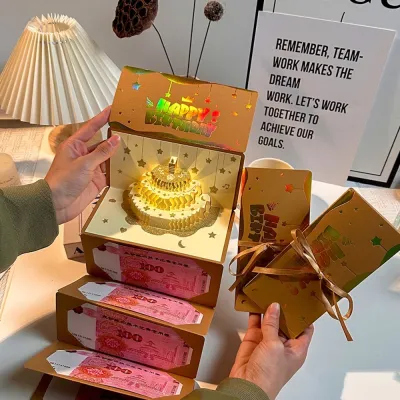
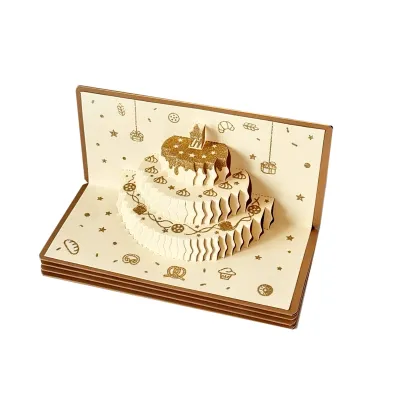
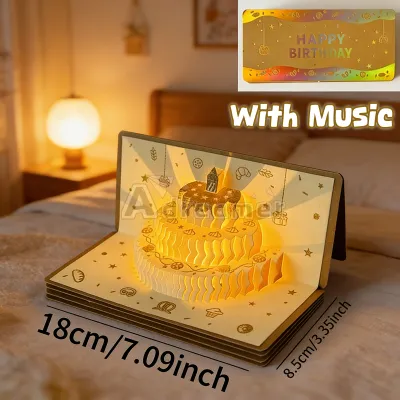
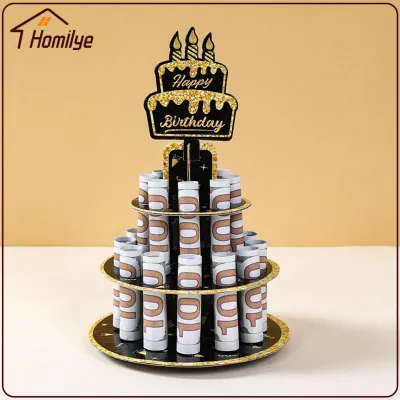
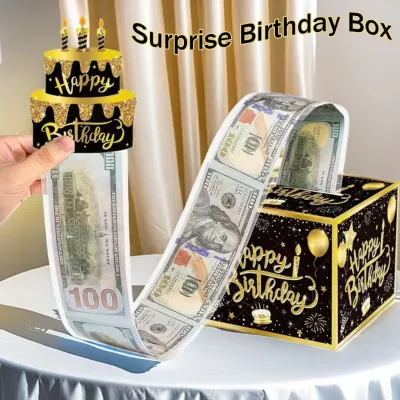
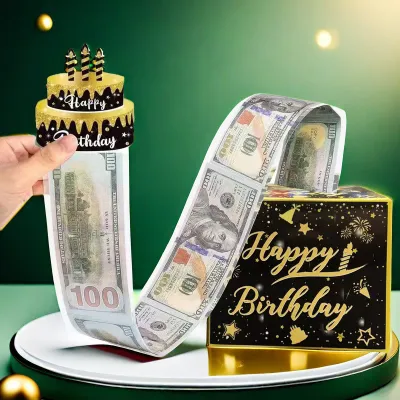
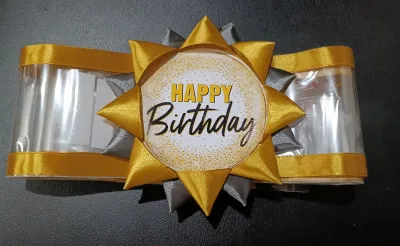
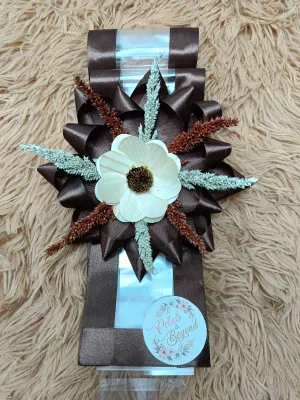
Prices are valid at publication and may change. Please refer to the product page for the latest price.
These specialized cards introduce a sense of playfulness and theater to the celebration. Instead of immediately seeing the cash, the recipient is invited to interact with the card to reveal their gift. This interactive element makes the experience much more memorable than simply pulling a bill out of a standard envelope, turning a practical financial contribution into a shared moment of joy and laughter.
Furthermore, a money slot card allows you to strike the perfect balance between emotional value and utility. You can write a heartfelt, handwritten message on the card’s surface while the integrated slot securely houses the monetary gift. This ensures that your personal connection and warm wishes remain front and center, even as you provide a highly practical present.
Essential Features to Evaluate in a Money Slot Card
Because a money slot card is designed to hold physical currency, its structural integrity and mechanical design are critical. A poorly constructed card can sag, tear, or fail to release the bills smoothly, which can ruin the presentation. Evaluating key physical features before purchasing ensures your gift remains secure and functions flawlessly.

Slot Size and Bill Capacity
Before purchasing or crafting a card, you must verify that the slot dimensions are compatible with the specific banknotes you plan to gift. In the Philippines, New Generation Currency banknotes measure exactly 160 mm in length and 66 mm in width. If the card is designed for the bills to lie flat, the slot or internal pocket must offer a clear opening of at least 165 mm to prevent the edges of the bills from crumpling or tearing during insertion.
If the card utilizes a roll or fold design, examine the depth and width of the compartment. A slot that is too narrow will choke when stuffed with multiple notes, making extraction difficult and risking damage to the currency. Consider the total denomination and number of bills you plan to gift; five ₱1,000 bills require significantly more physical space and structural support than a single note, so choose a card with an expandable pocket or a wider slot for larger amounts.
Card Material and Durability
The weight and quality of the paper medium are fundamental to supporting the physical weight and friction of inserted bills. Look for cards constructed from heavy cardstock, ideally between 300 and 350 GSM (grams per square meter). Flimsy, low-GSM paper is prone to sagging, warping, or tearing under the weight of the currency, especially when handled.
In tropical environments with high relative humidity, paper fibers naturally absorb moisture from the air and soften over time. This makes rigid, high-quality cardstock and moisture-resistant finishes even more critical to ensure the card retains its structural integrity. Look for cards with reinforced double-layer edges around the slot or laminated finishes that resist moisture absorption and prevent the paper from ripping when the recipient pulls the money out.
Extraction Mechanism
The extraction mechanism defines how the recipient interacts with the card to retrieve their cash. The simplest and most common design features clean-cut horizontal or vertical slits where bills are tucked flat, allowing the recipient to pinch and slide them out. This design is highly reliable and has very few moving parts that could fail.
For a more dramatic presentation, “money pull” cards utilize plastic sleeves taped together in a continuous chain, connected to a pull-tab or ribbon. When the recipient pulls the tab, a long stream of currency emerges from the card. Another option is the slide-out drawer or hidden compartment, which adds a puzzle-like element to the experience. When choosing these complex designs, ensure the pull-tabs are securely anchored and the plastic sleeves slide smoothly against the paper interior without catching on raw paper edges.
Matching the Card Design to the Birthday Milestone
The visual style, tone, and theme of the card should align with the significance of the birthday and the personality of the recipient. Matching the card design to the specific milestone ensures the gift feels appropriate and thoughtful.
Milestone Birthdays (18th, 21st, 50th)
Major age milestones, such as a young woman’s 18th birthday (debut) or a golden 50th celebration, warrant an elegant and sophisticated approach. For these formal events, opt for minimalist, keepsake-style cards featuring premium finishes. Look for embellishments like gold or rose gold foil stamping, embossed patterns, and high-quality textured envelopes that convey a sense of luxury.
For these milestones, the money slot should be integrated discreetly into the design, preserving the card’s formal aesthetic. Since milestone gifts often involve larger cash amounts, verify that the card’s internal pocket or pull mechanism can securely accommodate a higher volume of bills without looking bulky or unprofessional. A clean, elegant card can be kept as a memento long after the cash has been spent.
Teens and Young Adults
When gifting to teenagers and young adults, look for cards that feature contemporary trends, bold typography, and humor. Cards with playful pop-culture references, memes, or witty slogans are highly popular and well-received. The goal is to make the card feel fresh and aligned with their interests rather than overly formal.
Interactive elements are particularly effective for this demographic. Look for cards that incorporate scratch-off panels to reveal the cash slot, hidden flaps, or humorous “emergency fund” themes where the bills are visible behind a clear plastic frame. Ensure the playful exterior is backed by a sturdy interior structure, as younger recipients may pull the cash out with more enthusiasm than care.
Kids and Grandchildren
For younger children, prioritize bright colors, animal illustrations, and cartoon themes that immediately capture their attention. The extraction mechanism must be incredibly simple, such as a straightforward pull-tab or a clear plastic dome that is easy to open, preventing frustration and ensuring they can retrieve the gift themselves.
Safety is a vital consideration when selecting cards for children. Inspect the card to ensure there are no sharp plastic edges, loose small parts like sequins or beads that could pose a choking hazard, or shedding glitter. Ensure any adhesives used in the card’s construction are non-toxic and completely dry so they do not stick to little fingers or the currency itself.
Pre-Made vs. DIY Money Slot Cards
Choosing between a pre-made card and a DIY project depends on your schedule, crafting skills, and desire for personalization. Both options have distinct advantages depending on your gifting goals.
Pre-made cards offer convenience, a professional finish, and time-saving benefits. They are readily available in local stationery boutiques, gift shops, and online marketplaces. These cards feature precise, machine-cut slots and tested pull mechanisms, ensuring that the card functions flawlessly without any effort on your part. However, your design choices are limited to available stock, and you may not find a card that perfectly fits the exact dimensions or volume of bills you wish to gift.
On the other hand, crafting a DIY money slot card allows for complete creative control. You can customize the dimensions to perfectly fit your cash, choose specific colors, and write highly personalized messages. To build a successful DIY card, you will need essential stationery tools:
- Heavy Cardstock: At least 300 GSM to provide structural support.
- Sharp Craft Knife: A 30-degree blade is ideal for making precise, clean cuts for the slot.
- Metal Ruler: Ensures straight, professional-looking lines.
- Scoring Board and Bone Folder: Essential for creating clean, crisp creases without cracking the paper fibers.
- Double-Sided Tape: High-tack tape is preferred over liquid glue, which can warp the paper.
If you have crafting experience and want to create a unique, highly personalized keepsake, DIY is a rewarding path. If you need a reliable, high-quality result quickly, a pre-made card is the practical choice.
Tips for Stuffing and Presenting Your Money Slot Card
To ensure the card functions flawlessly and looks beautiful, pay close attention to how you prepare the cash and present the card. Proper preparation prevents mechanical failures and enhances the overall gifting experience.
First, always use crisp, new bills. Old, wrinkled, or limp banknotes have high surface friction and are prone to catching on the paper slots, which can cause the card to tear or the pull mechanism to jam. You can obtain fresh, crisp bills by visiting your local bank branch ahead of time and requesting new banknotes.
If the card design requires folding or rolling the bills, fold them gently. Avoid pressing hard creases into the banknotes, as sharp folds can make the paper rigid and difficult to slide out smoothly. When rolling bills for a pull-tab mechanism, roll them snugly but not too tightly, ensuring they can unroll easily as they are pulled through the slot.
When writing your birthday message inside the card, select your writing instrument carefully. Because high-quality cardstock can have coated or glossy finishes, test your pen on a small, hidden area first to check for bleed resistance and drying speed. Use fast-drying, water-resistant gel pens or pigment ink pens to prevent smudging, especially in humid tropical climates. To complete the presentation, pair the card with a small, thoughtful token—such as a premium pen or a custom gift tag—to give the envelope a satisfying weight and enhance the overall gifting experience.
Frequently Asked Questions (FAQ)
Before purchasing or gifting a money slot card, you may have practical questions regarding its limitations and usage. Below are answers to common concerns.
Can I use coins in a money slot birthday card?
Most money slot cards are designed exclusively for flat paper bills. Coins are too heavy and bulky for standard cardstock slots. Attempting to insert coins can tear the paper, warp the card’s structure, or cause the extraction mechanism to jam. If you want to gift coins, look for cards that feature a small, securely attached cloth pouch or a dedicated cardboard compartment, or place the coins in a separate small envelope inside the main card package.
Will the money slot damage the bills?
Well-made money slot cards with clean, machine-cut edges will not damage your banknotes. However, poorly finished cards or DIY projects with rough, jagged paper burrs can snag and tear currency. Before inserting your cash, run your finger gently along the inside edges of the slot to verify they are smooth. Avoid stuffing too many bills into a single slot, as excessive tightness can lead to accidental tearing when the recipient attempts to pull the money out.
Community discussion
Share your experience or ask a question. Comments are reviewed before publication.