
Selecting the ideal play doh set for your child requires balancing their current motor skills, safety needs, and imaginative interests. The right set encourages sensory exploration without causing frustration or presenting safety hazards. By matching the toy’s complexity to your child’s developmental stage, you can foster a positive creative outlet that builds hand-eye coordination, spatial awareness, and cognitive flexibility.
In the Philippines, where indoor play is essential during both hot summer afternoons and heavy rainy seasons, modeling clay serves as an excellent screen-free activity. However, walking down the toy aisle or browsing an online marketplace can be overwhelming due to the sheer variety of options. Choosing successfully involves looking beyond the colorful packaging to understand how specific tools and compound volumes align with your child’s physical and cognitive growth.
Why Age and Skill Level Matter When Choosing Play-Doh
Children develop physical and cognitive capabilities at different rates, meaning a modeling clay set that delights a six-year-old could easily discourage a toddler. Fine motor skill development dictates the type of tools a child can physically manipulate. For instance, younger children lack the hand-and-wrist strength required to operate complex extrusion presses or intricate plastic gears, which can lead to frustration if they cannot produce the desired shapes independently. Conversely, giving an older child a set designed for toddlers may result in quick boredom, as simple cutters fail to challenge their growing creative ambitions.
Products mentioned in this guide
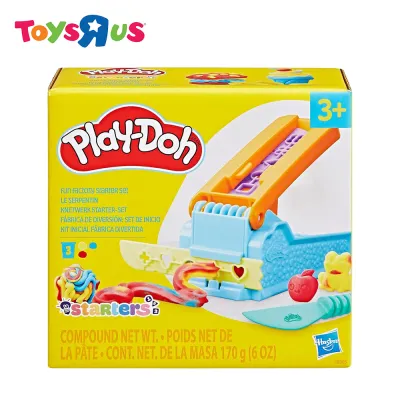
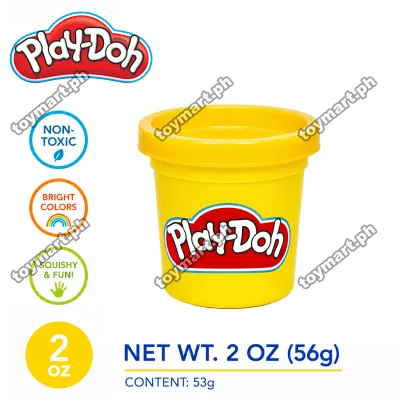
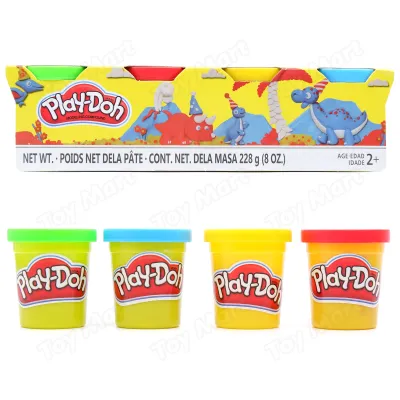
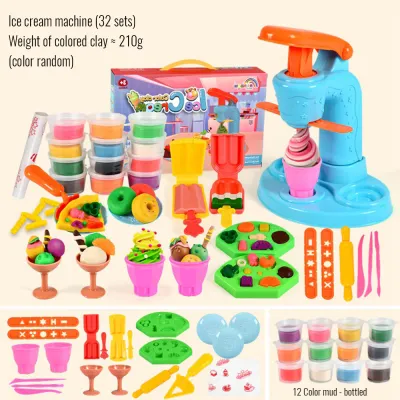
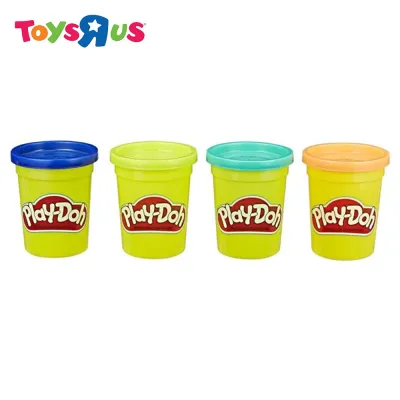
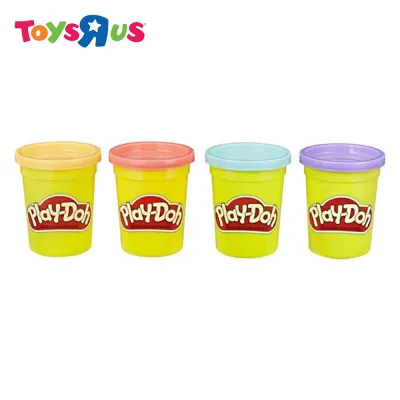
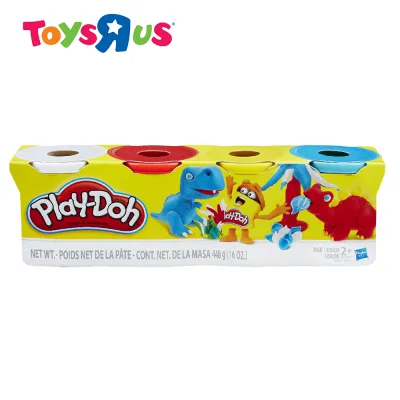
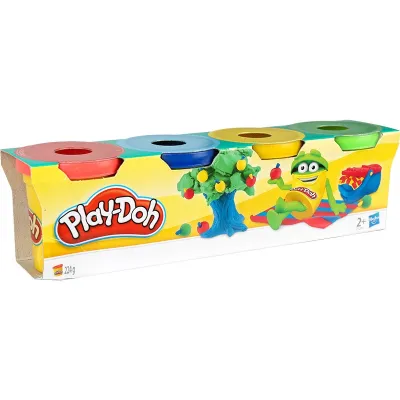
Prices are valid at publication and may change. Please refer to the product page for the latest price.
Cognitive readiness also plays a pivotal role in how children interact with modeling compounds. Toddlers benefit most from open-ended sensory play, where the primary goals are squeezing, pulling, and feeling the texture of the clay. They do not need a structured narrative to enjoy the activity. As children reach preschool and early school ages, their play evolves into themed, role-playing, or structural scenarios. They begin to plan their creations, build multi-part figures, and use tools to tell stories, making themed playsets far more engaging for their developing minds.
Safety remains the most critical factor when evaluating modeling clay sets for different age groups. Manufacturers design age labels not as suggestions of intelligence, but as vital indicators of potential physical hazards. Sets designed for older children frequently include small plastic accessories, detailed molds, or cutting tools that present choking hazards for toddlers who still explore objects by putting them in their mouths. Always check the packaging for official age-grading symbols to ensure every accessory is safe for your child’s current developmental stage.
Play-Doh Recommendations by Age and Developmental Stage
Toddlers (Ages 2-3): Sensory Exploration and Basic Motor Skills
For toddlers between the ages of two and three, the primary goal of playing with modeling clay is tactile exploration. At this stage, children are refining their gross motor skills and beginning to develop fine motor control. The best sets for this age group are basic starter kits that feature large, chunky tools designed for small hands to grasp easily. Wide rolling pins without complex handles, basic geometric cutters, and smooth, oversized stampers allow toddlers to practice pressing and rolling without requiring precise finger coordination.

When selecting clay for toddlers, it is highly beneficial to prioritize sets that offer larger clay volumes in fewer, distinct colors. Toddlers naturally love to squash different colors together, and providing a high number of small, varied tubs usually results in a single, large mass of brown or gray clay within minutes. By offering two or three large cans of primary colors, you encourage sensory exploration and basic color-mixing concepts without overwhelming the child or wasting specialized color assortments.
Parents must be highly vigilant about verifying “no small parts” warnings on the packaging of any set intended for toddlers. Avoid playsets that feature intricate molds, tiny plastic stamps, or multi-piece accessories that can easily fit inside a child’s mouth. At this stage, the focus should remain on simple, open-ended manipulation of the clay itself rather than the creation of realistic or highly detailed figures.
Preschoolers (Ages 4-5): Imaginative Play and Hand Strength
Preschoolers aged four to five are rapidly developing their imaginative capacities and hand strength. They are ready to move beyond simple rolling and cutting into structured, creative storytelling. Themed playsets—such as toy kitchens, barbershops, or construction sites—are highly effective for this age group because they provide a concrete framework for role-play. These sets allow children to mimic real-world activities, such as “cooking” a meal or “cutting” hair, which keeps them engaged for longer periods while building vocabulary and social skills.
This developmental stage is also the perfect time to introduce classic extrusion tools, such as the iconic press machines or “fun factories.” Operating these tools requires two-handed coordination, as children must hold the base stable with one hand while pressing down on a lever with the other. This physical action builds significant hand and finger strength, which is essential for developing the pencil grip they will need as they enter school.
To support their growing desire for detail, look for sets that include basic texturing mats and multi-color packs. Preschoolers enjoy adding textures like brick patterns or grass to their creations, and having access to a wider palette of colors allows them to make more recognizable figures. These features help bridge the gap between simple sensory play and detailed, goal-oriented sculpting.
Early School Age (Ages 6+): Advanced Sculpting and Complex Mechanisms
By the time children reach age six and older, their fine motor control and patience have developed to the point where they can tackle detailed craftsmanship. Older kids are often interested in creating realistic models, complex structures, and interactive scenes. For this age group, bulk multi-color packs with specialized shades (such as metallic, glitter, or neon colors) are highly appealing, along with advanced molding machines that feature moving parts, gears, or intricate extrusion patterns.
Older children also benefit from sets that integrate modeling clay with other craft materials. Combining clay with cardboard structures, wire armatures, or canvas allows them to explore mixed-media art and build more durable, three-dimensional projects. This type of play encourages engineering thinking, as they must figure out how to support the weight of the clay using internal structures or external backdrops.
Specialized tool kits are excellent investments for school-aged children. Tools like fine-tip extruders, plastic sculpting knives, detailing rollers, and precision stamps cater to their refined motor skills. These tools allow them to spend hours perfecting small details, fostering patience, focus, and a deeper sense of pride in their finished artistic creations.
Key Features to Evaluate Before Buying a Play-Doh Set
Before purchasing any modeling clay set, it is important to evaluate the actual volume of compound included versus the number of cans. Packaging can sometimes be deceptive, boasting a high count of tubs that actually contain very small amounts of clay. Check the net weight listed on the box (often in ounces or grams) to ensure there is enough material for your child to complete the projects shown on the packaging. A set with two or three large cans often provides more play value than one with eight micro-tubs that run out after a single session.
The durability and design of the included plastic tools deserve careful inspection. Look for accessories made from thick, high-quality plastic that can withstand the pressure of a child leaning their full body weight onto a roller or press. Examine the hinges and moving parts of extrusion tools; sturdy, thick pins are less likely to snap under pressure. Additionally, choose tools with smooth, open crevices that are easy to clean, as dried clay trapped in tight corners can become difficult to remove and may prevent the tool from functioning properly later.
Storage is another critical factor that dictates the lifespan of both the clay and the tools. Some sets come with reusable, organized carrying cases or built-in storage compartments, which are highly convenient for keeping all the pieces together. In the tropical climate of the Philippines, where high humidity and heat can affect the compound, having a dedicated storage solution is especially useful. If a set does not include a sturdy box, plan to provide your own airtight plastic containers to prevent the clay from drying out prematurely.
Finally, always verify the safety and compliance labels printed on the physical packaging. Ensure the product features recognized non-toxic certifications, such as the AP (Approved Product) seal from the Art and Creative Materials Institute (ACMI) or compliance with international safety standards like EN71. These labels guarantee that the materials have been tested and are safe for children to handle during extended play sessions.
Practical Tips for Play-Doh Maintenance and Mess-Free Play
Even with careful use, modeling clay will eventually begin to lose its moisture and become stiff or crumbly. To revive slightly dried clay, you can use a simple, low-risk rehydration method. Add just a few drops of clean water directly to the dough and knead it thoroughly on a non-porous surface until the moisture is fully absorbed. Alternatively, wrap the stiff clay in a damp paper towel and place it back inside its original plastic container, sealing the lid tightly overnight. By morning, the clay will have absorbed the ambient moisture, making it soft and pliable again. Note that if the clay has completely hardened into a brittle, stone-like state, it cannot be safely revived and should be discarded.
Establishing proper storage habits is the most effective way to prevent the compound from drying out in the first place. Teach your child to snap the lids of the plastic tubs completely shut after every play session; you should hear a distinct click to ensure an airtight seal. Before storing the tools, make sure to scrape away any excess clay clinging to the molds or extruders. Leftover clay that dries inside tools can flake off into future projects, mixing colors undesirably or clogging the mechanisms of press machines.
Setting up a dedicated play zone can significantly reduce cleanup time and protect your household surfaces. Using a large silicone baking mat, wax paper, or a shallow plastic tray provides an excellent barrier that keeps the clay contained. These smooth surfaces prevent the compound from sticking to wooden tables or embedding itself into the grout lines of tiled floors, which are common in many Filipino homes. If crumbs do fall onto the floor or carpet, let them dry completely before vacuuming or sweeping them up, as wet clay is much more likely to smear and leave stains.
Frequently Asked Questions (FAQ)
Is Play-Doh safe if my child accidentally ingests it?
While standard modeling clay is formulated to be non-toxic and safe for children to handle, it is not a food product and is not intended for consumption. The compound contains high levels of salt, which can be harmful if ingested in large quantities, and can also present a mild choking hazard if swallowed in lumps. If your child accidentally swallows a small crumb, it is generally not a cause for alarm. However, you should always check the physical packaging for specific ingredient details and safety warnings. If a child ingests a significant amount or shows any signs of physical distress, consult a pediatrician or contact a local medical professional immediately.
How can I revive Play-Doh that has started to dry out?
You can easily restore slightly dried, crumbly modeling clay by adding small amounts of water. Work one or two drops of water into the clay at a time, kneading it vigorously between your palms until the texture becomes smooth and elastic again. If the clay is still a bit stiff, wrap it in a damp paper towel, seal it inside its original tub, and let it sit undisturbed overnight. It is important to remember that this process only works for clay that is partially dry. If the compound has dried completely into a hard, brittle block, the chemical structure has changed permanently, and it must be thrown away.
Does Play-Doh contain common allergens like wheat?
Yes, traditional Play-Doh formulations contain wheat flour as a primary ingredient, along with water and salt. This means the compound poses a potential health risk for children who have celiac disease, gluten sensitivity, or severe wheat allergies, as they can easily transfer gluten from their hands to their mouths during play. Parents of children with these health conditions must always read the allergen warnings and ingredient lists on the physical packaging before purchase. If wheat is a concern, look for alternative modeling compounds specifically labeled as gluten-free or wheat-free to ensure a safe creative experience.
Community discussion
Share your experience or ask a question. Comments are reviewed before publication.